
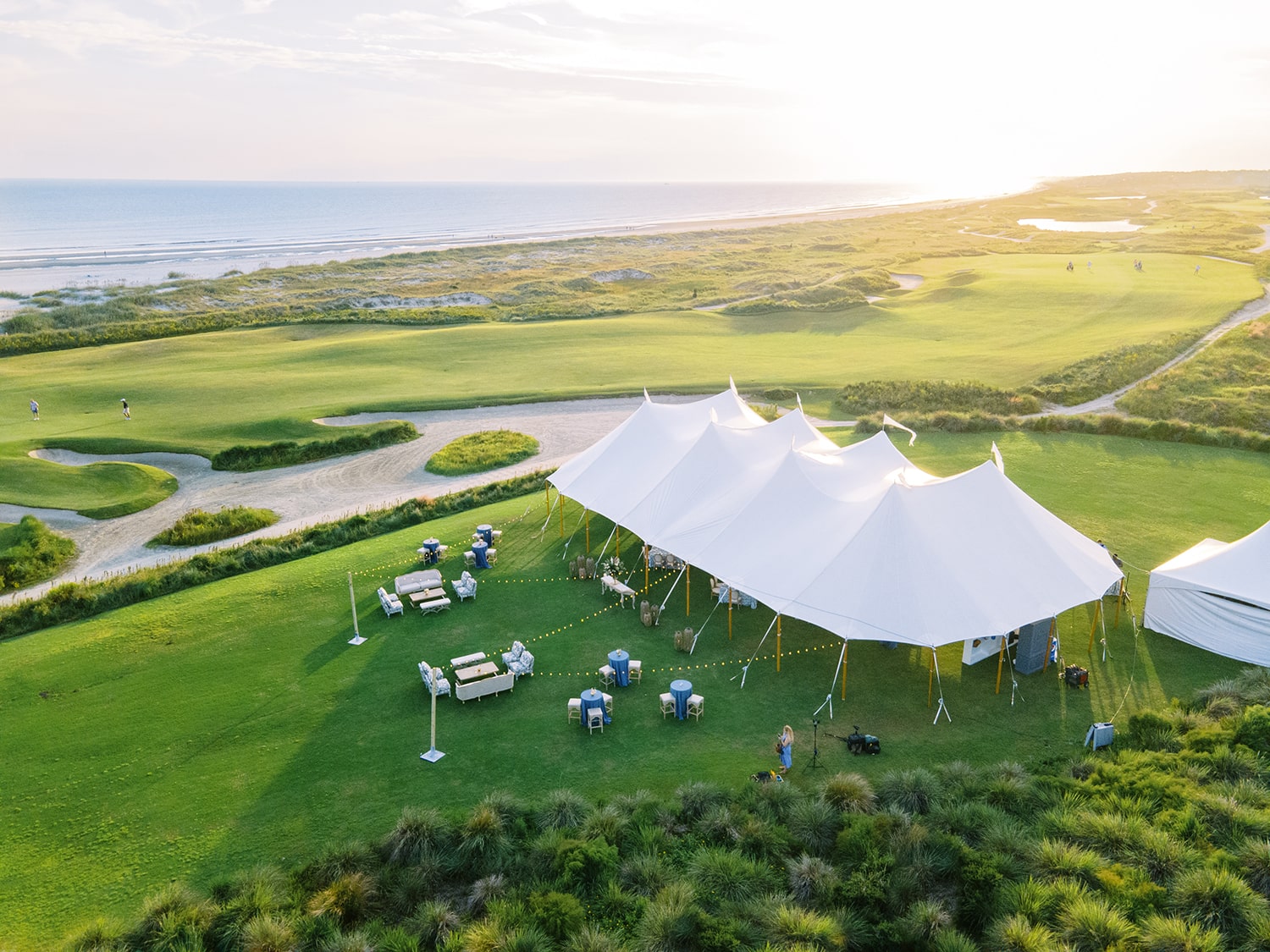
Selecting the appropriate tent is essential to create an inviting atmosphere and to ensure guest comfort at corporate events in Charlotte. This guide reviews the tent types, sizes, and rental packages commonly available so planners can make decisions that align with event objectives and budget. Many planners find the range of options and considerations complex; this article provides a clear overview of tent styles, capacities, and practical factors to evaluate when renting in Charlotte. It also outlines how to select a rental provider to support a seamless execution.
Throughout the guide, emphasis is placed on how each choice, from tent style to accessories and logistics, supports event goals such as branding, guest experience, safety, and operational efficiency. Use the sections below to compare options, sketch site plans, and compile questions to ask prospective rental partners. The goal is to help you make deliberate decisions so the tented environment enhances programming, networking, and presentations rather than introducing avoidable challenges.
Best Tent Types for Corporate Events in Charlotte Venues
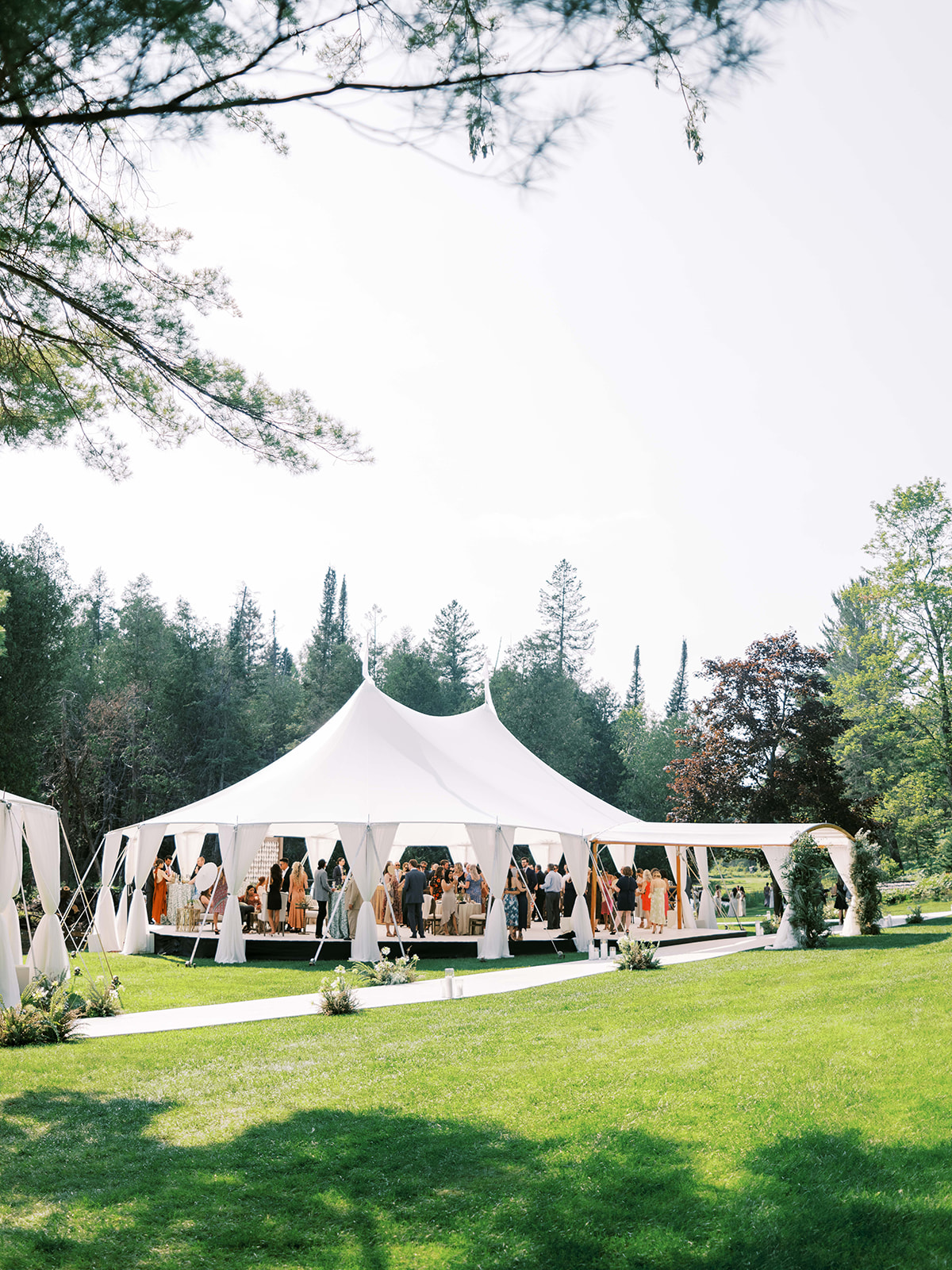
Selecting the correct tent style is fundamental to an event’s success. Frame, pole, and clear-span tents are the primary options for corporate use, each offering specific functional and aesthetic benefits that influence layout, appearance, and site suitability.
Tent choice affects sightlines, lighting, HVAC strategies, and the ease of integrating staging, AV, and decorative elements. For example, a tent with interior poles may require careful table and aisle planning, while a clear-span structure can accommodate long banquet tables, large stages, or tiered seating. Consider how the tent’s internal structure interacts with your technical and design needs before committing.
What Tent Types Are Best Suited for Corporate Events in Charlotte?
Frame tents are versatile and suitable for a variety of surfaces, making them appropriate for corporate events on concrete, grass, or asphalt. Pole tents create a distinctive, peaked profile that suits outdoor gatherings seeking a more festive aesthetic. Clear-span tents provide uninterrupted interior space, which is advantageous for larger events that require flexible layouts and clear sightlines.
In Charlotte’s mix of urban venues, parks, and private properties, frame tents are frequently chosen for rooftop or paved locations where staking is limited, since the frame system can be secured with weighted anchors. Pole tents often work well in open lawns and larger estates where stakes are allowed and a dramatic peak is desired for photos or brand displays. Clear-span tents are common for conferences, large receptions, and trade-show style events where unobstructed interior space improves flow and sightlines for presentations and vendor booths.
How Do Frame, Pole, and Clear Span Tents Differ for Corporate Use?
Frame tents support flexible floor plans and accommodate formal seating arrangements, making them well suited to conferences and corporate dinners. Pole tents offer an elegant, high-peak appearance that can be adapted for corporate receptions. Clear-span tents eliminate interior poles, delivering open space for staging, large audiences, or complex floor plans. Understanding these differences helps match the tent type to the event’s functional needs.
Beyond the basic structural differences, consider installation time, transport logistics, and the site’s surface. Frame tents typically involve modular sections that can be configured in varying footprints, and they can be set on hard surfaces using ballast systems. Pole tents tend to require clear ground and staking, so they are best for grassy sites where ground penetration is permitted. Clear-span tents are modular as well but often require a larger crew and more specialized rigging equipment to assemble safely, especially for very large spans.
Each tent type also has implications for climate control and sidewall options. For instance, sidewalls can be fitted to any tent type to improve weather protection and privacy, but the method of attaching walls and integrating HVAC ducting varies by tent construction. Discuss these specifics with providers so the tent functions well with your chosen heating, cooling, and ventilation solutions.
Standard Tent Sizes Offered by Charlotte Rental Companies
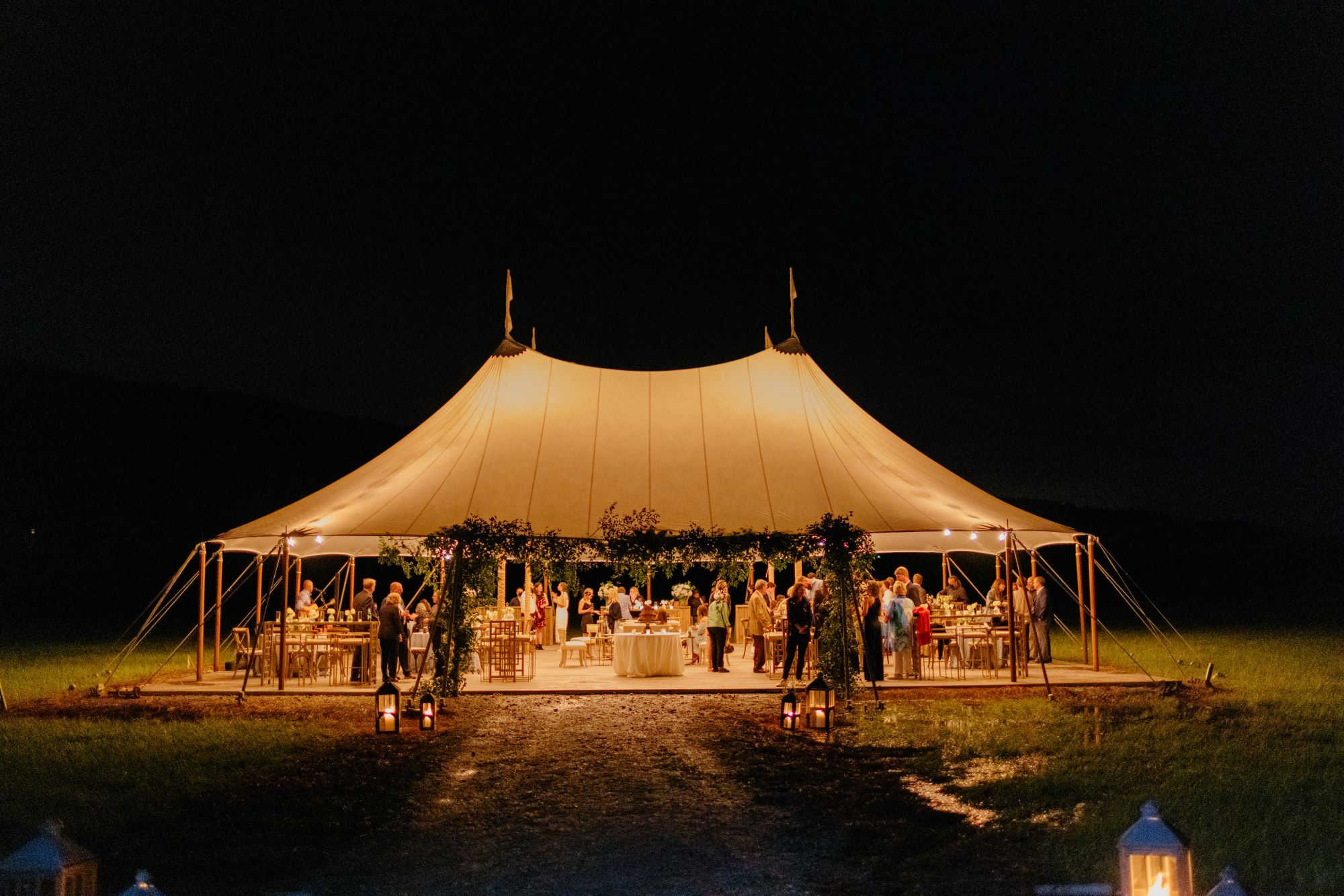
Choosing the correct tent size is critical to ensure your event comfortably accommodates guests and required activities. Capacities vary, so assess space needs relative to seating, staging, and traffic flow.
A tent that is too small creates cramped circulation and safety challenges; one that is overly large can feel empty and increase costs for heating, cooling, and lighting. Size selection should balance guest count with the event plan: dining, standing reception, classroom seating, trade show booths, stage area, registration, and service corridors all require dedicated square footage. Use a detailed layout plan to translate program elements into accurate tent dimensions.
How to Determine the Right Tent Size Based on Guest Count and Event Type?
Base size selection on guest count and the event format. Small tents suit intimate gatherings; medium tents work for workshops or team-building sessions; large tents are appropriate for retreats or conferences that need room for seating, staging, and circulation.
More specifically, estimate space per person depending on the activity: standing cocktail receptions need less square footage per guest than seated plated dinners. Add dedicated space for food service lines, bars, staging or presentation areas, audiovisual equipment, back-of-house access, and any vendor booths. Also account for furniture footprints, lounge seating, buffet stations, and registration desks can consume unexpected amounts of space if not planned for.
A practical approach is to create a scaled layout showing tables, stage, aisles, and support areas. Share this diagram with your rental partner; experienced providers can translate your program into recommended tent sizes and suggest minor layout adjustments that improve flow while minimizing tent footprint and cost.
What Are Standard Size Options Available from Charlotte Tent Rental Companies?
Charlotte rental firms commonly offer standard sizes such as 10×10, 20×20, 30×30 and larger configurations. Depending on layout and seating, these options can accommodate from about 10 up to more than 300 guests. Consult your provider to confirm the best size for your specific requirements.
Standard sizing offers cost efficiencies and simplifies logistics because manufacturers produce modular sections that combine to create custom footprints. For very large gatherings, vendors commonly join multiple tent sections or offer clear-span bays in lengths and widths that scale to the needs of conferences and large receptions. When stacking tent sections, plan for rooflines, drainage, and internal transitions so the finished environment feels cohesive. You may also find Exploring the Charm of Clear Top Tents For Savannah Gatherings helpful.
If you have unique site constraints or need an irregular footprint (for example, a long narrow courtyard), providers can often customize layouts by combining tents of different sizes. Be sure to confirm how combined units affect sidewall alignment, entry points, and the routing of power and HVAC.
Essential Rental Add-Ons for Corporate Event Tents
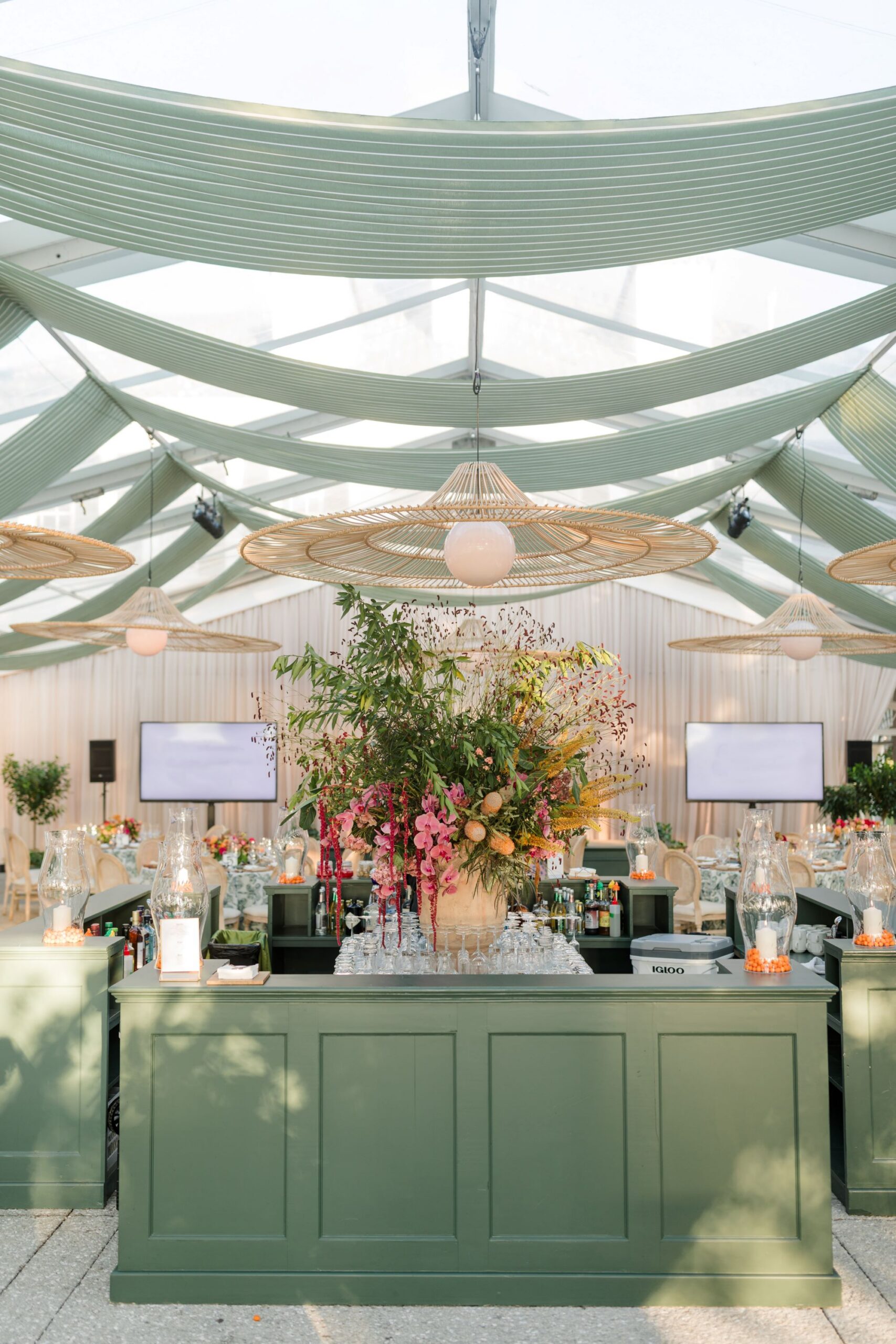
Many tent rental companies in Charlotte provide packaged solutions that bundle tents with complementary equipment and services. Reviewing package contents helps identify the option that best meets logistical and aesthetic objectives.
A package approach can simplify procurement, reduce coordination overhead, and often delivers cost savings versus renting individual items from multiple suppliers. Packages are particularly helpful when time is limited or when a single vendor needs to manage setup, delivery, and teardown under a single timeline.
What Rental Items Complement Corporate Event Tents in Charlotte?
Rental packages commonly include tables, chairs, linens, and decor. For example, an Intimate Ceremony Package may include seating and decorative elements; a Corporate Cocktail Package will feature high-top tables and lounge seating; and a Full Reception Package typically provides comprehensive items for large events.
Beyond the basics, packages often bundle AV rigging, staging, flooring options (including portable dance floors and ramped access), climate control (heaters, fans, or temporary HVAC), restroom trailers, lighting packages, and power distribution. Some providers also offer on-site technicians for lighting and sound, as well as staff for setup and breakdown to meet strict event schedules. When comparing packages, check what is included versus what is optional so you can align selections with your event priorities.
How Does Integrated Rental of Furniture, Linens, and Décor Simplify Planning?
Bundling furniture, linens, and decor into a single rental arrangement simplifies planning by reducing vendor coordination and ensuring a cohesive aesthetic. Working with a full-service rental company streamlines logistics and allows you to focus on program and guest experience.
Coordinated inventory also reduces the risk of mismatched items arriving from different suppliers. For corporate branding, a single provider can help you align color palettes, fabric textures, and furniture styles to create a unified look across registration areas, dining spaces, and lounges. This integrated approach often results in better timing during setup and fewer surprises on event day since one team manages item staging, placement, and removal. We cover this further in Transforming Open Spaces_ Using Tents and Canopies for Outdoor Corporate Events.
Ask potential vendors for package examples or lookbooks that illustrate how bundled items appear in similar corporate settings. Visual references help you and stakeholders confirm expectations without needing to coordinate multiple styling vendors.
Logistics, Permits, and Weather Planning for Tent Rentals
Several additional factors influence a successful tent rental and installation. Address these early to avoid operational challenges on the event day.
Planning early creates leeway to secure required permits, coordinate with venue owners, schedule deliveries, and arrange for labor and specialty equipment. Early engagement with stakeholders, venue management, local authorities, and the rental company reduces the likelihood of last-minute changes that could affect costume, catering, or AV requirements.
What Are the Key Considerations for Tent Setup and Logistics in Charlotte?
Site access, setup and breakdown logistics, and permit requirements are primary considerations. Also account for installation time, which varies by tent type and size, and ensure the site can support delivery and anchoring needs.
Evaluate vehicle access for delivery trucks, the proximity of loading zones to the tent footprint, and whether any property modifications (temporary ramps or protective ground coverings) are needed to protect surfaces. Confirm power availability and whether the site requires generators. Also consider hours for setup and teardown, some venues restrict heavy equipment use during evening or early morning hours, and factor these constraints into vendor scheduling. We cover this further in The Ultimate Guide to Luxury Tent Rentals for Memorable Outdoor Celebrations.
Check whether the site requires damage deposits or has rules about anchoring methods. If your tent must be ballasted rather than staked, confirm that the rental company’s ballast systems meet the venue’s weight allowances and won’t damage the surface.
How Does Weather Impact Tent Selection and Setup for Outdoor Corporate Events?
Weather affects comfort and safety; consider climate-control options such as heaters or fans and the use of sidewalls. Establish a contingency plan for inclement weather to maintain service levels and guest comfort.
In Charlotte, seasonal swings can include warm, humid summers and cooler, wet periods in spring and fall. For hot-weather events, plan for shade, airflow, and hydration stations; for cooler or wet conditions, sidewalls, insulated flooring, and temporary heating systems help maintain comfort. Ensure that HVAC or heating equipment is compatible with the tent layout and that ducting and electrical needs are planned in advance.
Also plan for drainage around the tent perimeter and flooring strategies to avoid muddy paths between tent and ancillary areas. If your event includes heavy foot traffic between tents and indoor spaces, consider temporary walkways or carpets to preserve access and guest shoe wear. You may also find Clear Top Tents vs Traditional Tents: Which to Choose helpful.
What Are Typical Setup Times and Requirements for Corporate Event Tents?
Setup time depends on tent size and complexity. Smaller tents often require a few hours, while larger structures may need a full day or longer. Confirm setup schedules and site requirements with your rental provider to ensure timely completion.
Installation timelines also depend on whether the tent requires a foundation, staging, or integrated flooring. Complex audiovisual setups, lighting rigs, and suspended signage add to installation time and may require certified technicians. For multi-day events, coordinate a rehearsal period for AV and stage cues so technical adjustments do not delay the public portions of your program.
Additionally, confirm teardown windows and whether the rental company will handle removal of trash or temporary infrastructure. A clear plan for cleanup and restoration reduces post-event disputes with venues and ensures the site is returned to pre-event condition promptly.
How Full-Service Providers Like Curated Events Improve Execution
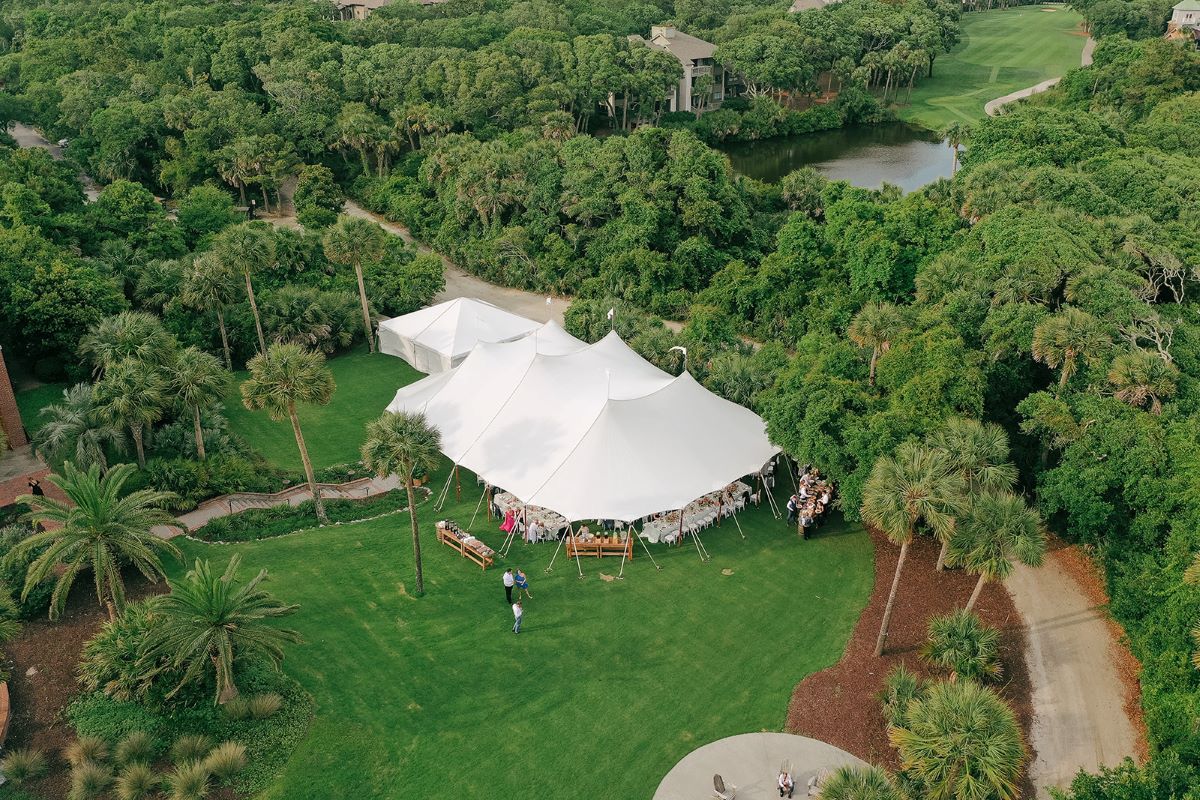
Selecting a qualified tent rental provider is a key determinant of event success.
A reliable provider brings experienced crews, predictable timelines, and contingency planning. They should be able to share past examples of similar events, reference client contacts, and provide detailed quotes that separate optional elements from inclusive services. Don’t hesitate to ask for documentation of certifications, equipment maintenance records, and insurance coverage.
What Are the Key Factors to Consider When Choosing a Tent Rental Company?
Evaluate a company’s reputation and client reviews, the condition and quality of its equipment, and the responsiveness of its customer service. A dependable provider will demonstrate a record of successful events and offer practical guidance on suitable tent solutions.
Also review contracts carefully to understand liability, responsibilities for weather-related changes, and policies regarding changes to guest counts or schedule modifications. Confirm who is responsible for obtaining permits if the venue does not handle that task, and identify the process for dealing with unexpected damage or site constraints discovered during setup.
How Can Curated Events Enhance Your Corporate Tent Experience?
Curated Events is a full-service event rental company based in Charlotte that provides tents, tables, chairs, linens, tabletop items, décor, lounge furnishings, staging, dance floors, lighting, and catering equipment. Their event expertise supports detailed planning and execution, allowing you to concentrate on your event objectives. We cover this further in Backyard Parties in Nashville: Tents, Furniture & Lighting.
Working with a full-service vendor such as Curated Events can reduce coordination tasks because they often can manage multiple rental categories and integrate them into a single delivery and setup schedule. Their familiarity with local permit processes and venue requirements in Charlotte can also speed planning and reduce surprises. When engaging a full-service provider, ask for a point-by-point plan that covers delivery timing, load-in routes, and a contact person available on event day to respond to issues quickly. Get in touch with our Charlotte showroom to start your rental order.
Frequently Asked Questions
What is the best time to book a tent for a corporate event in Charlotte?
Book tent rentals at least 2–3 months in advance, particularly during peak seasons such as spring and fall. Early booking preserves availability and allows time to finalise size, tent type, and additional rentals, reducing last-minute pressures.
For large conferences or events scheduled during high-demand periods, consider confirming your rental provider and deposit as soon as your date is fixed. This timeline helps lock in specific tent types, package pricing, and preferred setup crews. If event details remain fluid, ask vendors about flexible contract options that allow minor adjustments without significant penalties.
Are there any permits required for setting up a tent in Charlotte?
Yes. In Charlotte you may need a permit for tent installations, especially for larger structures or setups in public spaces. Verify requirements with local authorities or your rental provider to ensure compliance and avoid disruptions.
Permit requirements can vary by size of the tent, location (public park versus private property), and whether the tent will house assemblies above a certain occupancy. Your rental company should be able to advise on permit thresholds and, if offered, assist with submission of site plans and supporting documentation required by local authorities.
What additional services can tent rental companies provide for corporate events?
Many providers supply lighting, heating or cooling solutions, flooring, and catering equipment. Some also offer planning support to coordinate logistics and design elements, helping to create a cohesive event experience.
Additional services may include on-site setup supervision, post-event breakdown services, linens and tabletop styling, secure storage of rented items during multi-day events, and rental of temporary restrooms or accessibility ramps. Request a written inventory and included services list so that you can match expectations with the final invoice.
How can I ensure my tent is safe and secure during the event?
Follow your rental provider’s setup and anchoring guidelines, using weights or stakes as appropriate for site conditions. Manage crowd flow to prevent congestion at tent edges, perform periodic inspections, and establish an emergency response plan.
Safety considerations also include ensuring exits are clearly marked and unobstructed, that emergency lighting is available for evening events, and that electrical connections are installed by qualified personnel with proper grounding and weather protection. If heavy equipment or overhead rigging is planned, require engineering sign-off or load calculations from the vendor to verify safe attachment points.
What should I do if the weather forecast predicts rain on the event day?
Implement a contingency plan that may include sidewalls to protect guests, additional flooring to prevent mud, and climate-control adjustments. Discuss weather-related options with your provider and identify an indoor backup if conditions become unsuitable.
When planning for potential rain, also consider guest communication strategies: inform attendees in advance about dress recommendations and any changes to the schedule or venue layout. Coordinate with caterers about food safety under different weather conditions and confirm that non-slip flooring and covered pathways are in place to reduce the risk of slips and falls.
Can I customize the tent layout for my corporate event?
Yes. Most rental companies permit customised layouts for seating, tables, and decor to optimise flow and meet aesthetic goals. Share your requirements with the provider, who can recommend arrangements based on tent type and size.
Custom layouts often include branded entrances, dedicated sponsor areas, and integrated AV sightlines. If branding is important, plan where banners and signage will be located and verify that the tent structure can safely support any hanging or mounted graphics. A site visit with the rental team can help reconcile your vision with practical constraints like ceiling height, pole placement, and emergency egress.
Conclusion
Choosing the appropriate tent rental options for a corporate event in Charlotte supports guest comfort and operational efficiency. By understanding tent types, sizes, and package choices, you can make decisions that align with event goals. Engaging with local providers like Curated Events can further ensure that event elements are coordinated and executed to a high standard. Consider these factors as you plan your next corporate gathering.
Before you finalize arrangements, compile a checklist that includes guest count scenarios, preferred tent types, a tentative layout, required permits, and a list of must-have rental items. Share that checklist with prospective vendors to receive precise quotes and clear timelines. With deliberate planning and a collaborative rental partner, your Charlotte corporate event can run smoothly and leave a positive impression on attendees.