
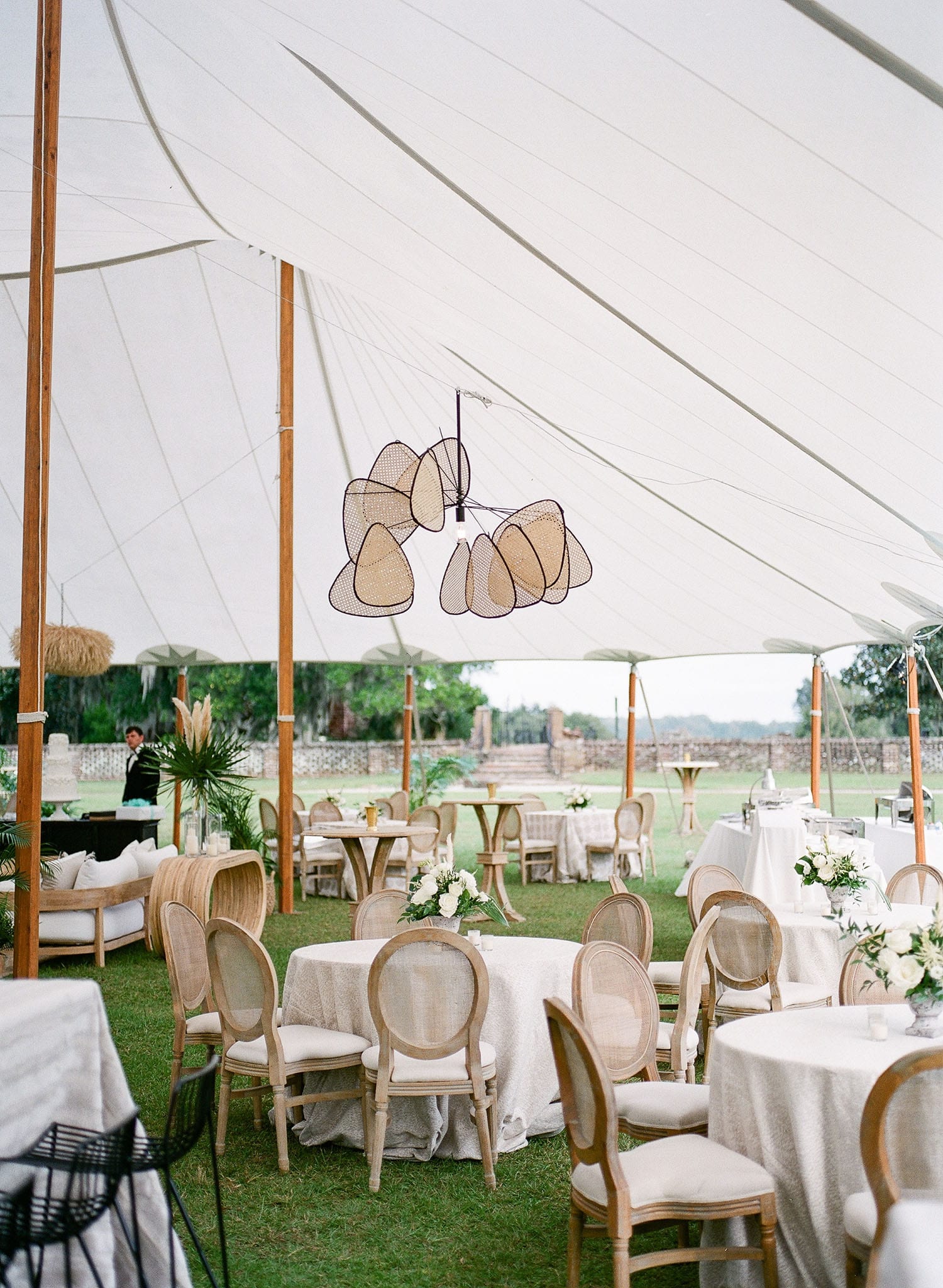
Outdoor summer events in Raleigh can create a beautiful guest experience, but heat and humidity need to be planned for from the start. A tent provides essential shade, yet shade alone does not always keep guests comfortable. Without the right airflow, placement, materials, and cooling equipment, warm air can collect under the tent and make the space feel hotter than expected.
Guest comfort affects every part of an event, from arrival and seating to dining, dancing, networking, and vendor service. When guests have access to shade, hydration, airflow, and cooling zones, they are more likely to stay comfortable and engaged throughout the event. For weddings, corporate gatherings, festivals, fundraisers, and private celebrations, cooling should be treated as part of the event design rather than a last-minute add-on.
This guide explains how to keep guests cool under event tents during Raleigh summer events with rentals. It covers local heat and humidity challenges, tent materials, placement, ventilation, cooling equipment, guest amenities, and bundled rental options. With the right planning, Curated Events can help create a tented environment that feels polished, functional, and comfortable from guest arrival through the final sendoff.
Understand Raleigh Summer Cooling Challenges
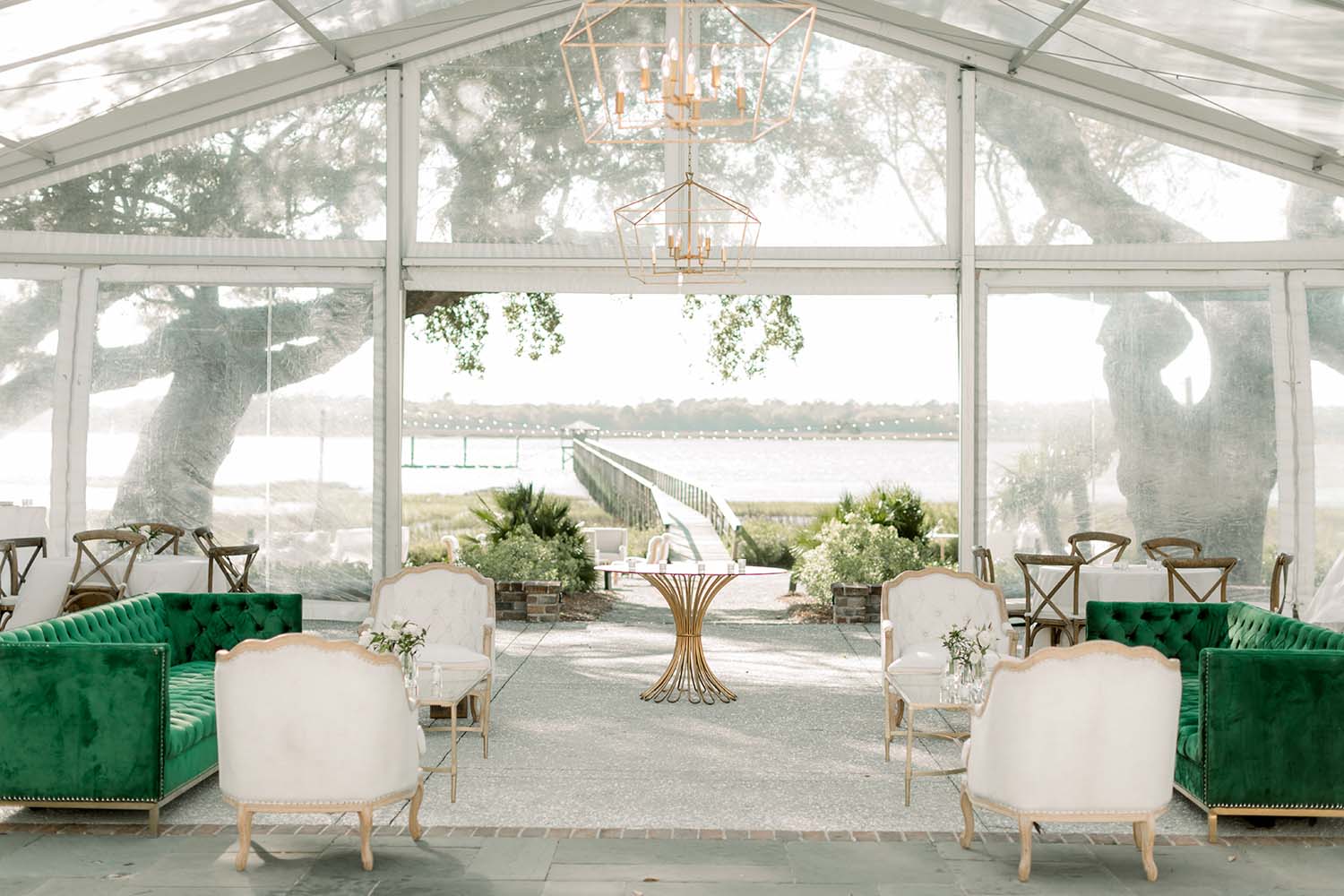
Before choosing a tent or cooling equipment, it is important to understand the specific conditions that make summer events in Raleigh feel warm. High temperatures, humidity, direct sun, and site-specific hot spots can all affect comfort under a tent. Identifying these challenges early helps planners make better decisions about tent placement, fabric, layout, ventilation, and active cooling.
Heat and Humidity Affect Guest Comfort
Raleigh summers often bring a combination of high temperatures and humidity. Together, these conditions can make outdoor spaces feel warmer and reduce the body’s ability to cool naturally. Under a tent, the effect can become more noticeable if air is not moving, seating is crowded, or sidewalls limit ventilation. We cover this further in The Ultimate Guide to Luxury Tent Rentals for Memorable Outdoor Celebrations.
Because humidity can change how cooling equipment performs, planners should match the solution to the conditions. Fans can improve air movement and perceived comfort, while portable air conditioning may be more effective for enclosed or semi-enclosed tented spaces. Misting systems can be useful in open-air areas, but they should be used carefully when humidity is already high.
Direct Sunlight Increases Heat Under Tents
Tents reduce direct sun exposure, but the location, fabric, and color of the tent can affect how much heat builds inside. A tent placed in full sun for several hours may require more cooling support than one positioned near natural shade or tree cover. Light-colored or reflective tent materials can help reduce heat absorption, while breathable materials and ventilation features can help warm air escape.
When evaluating placement, consider how the sun will move across the site during the event. A tent that feels comfortable during setup may become warmer during the ceremony, cocktail hour, or dinner service. Planning around the event timeline helps reduce heat exposure during peak guest activity.
Site Conditions Can Create Hot Spots
Every venue has its own microclimates. Asphalt, concrete, brick, and other hard surfaces can hold and reflect heat, making nearby tented areas feel warmer. Buildings, fences, dense landscaping, and narrow site layouts can also restrict airflow. High-traffic areas such as bars, buffet lines, check-in tables, and dance floors may become warmer simply because guests gather there for longer periods.
A site visit can help identify these hot spots before the event. Once they are known, planners can adjust the layout, add cooling equipment, open airflow paths, or create shaded comfort zones. Addressing heat at the site-planning stage is usually more effective than trying to solve comfort issues after guests arrive.
Choose Tent Materials and Designs That Reduce Heat
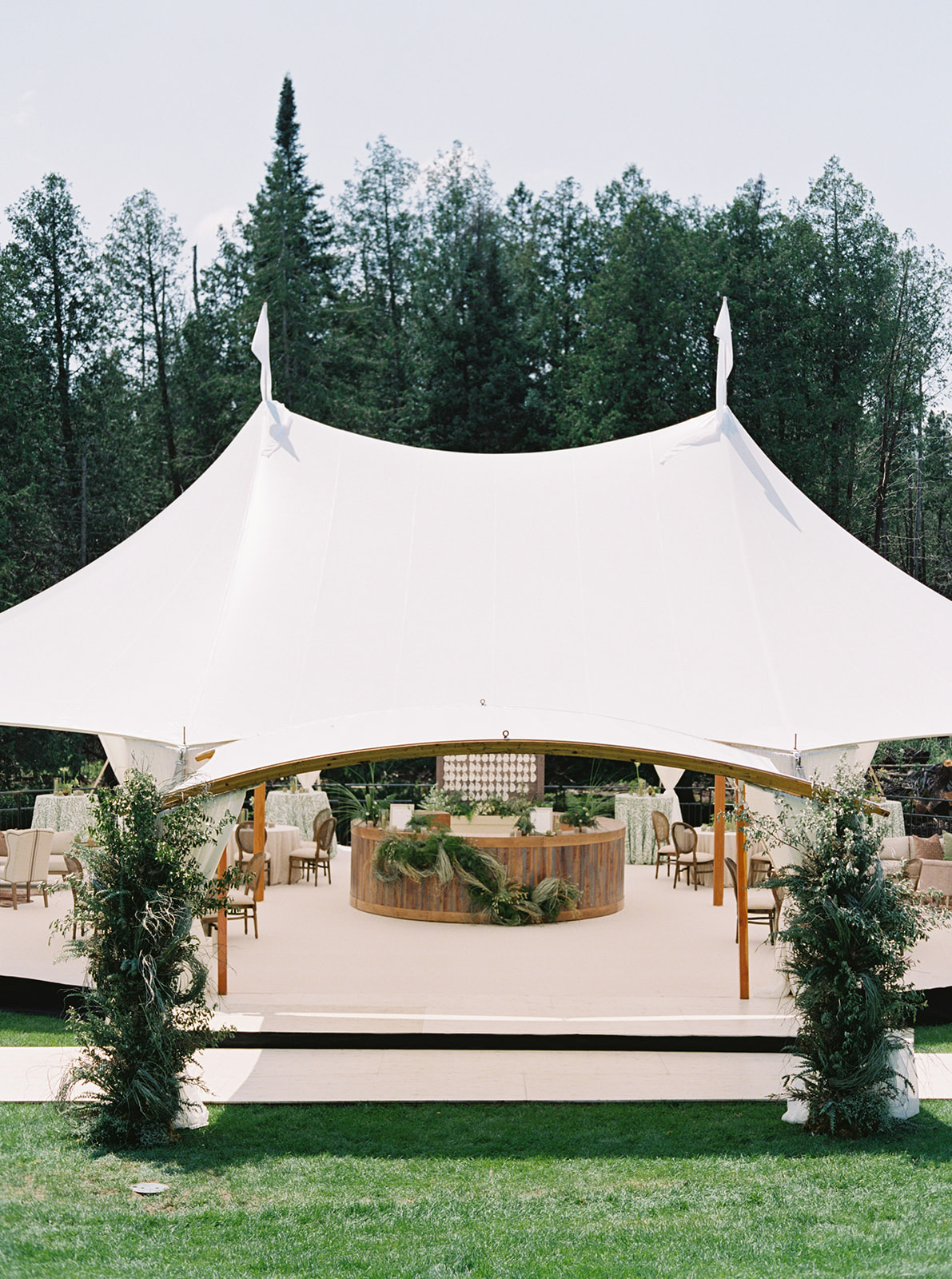
The right tent can do more than provide shade. Tent material, color, height, shape, and sidewall configuration all influence how heat moves through the space. For Raleigh summer events, these details can make the difference between a tent that feels protected and one that feels warm, enclosed, or stagnant. When selecting a tent, planners should consider both appearance and performance. A tent should support the event’s visual style while also helping manage sun exposure, airflow, and guest comfort.
Use Light-Colored or Reflective Tent Fabrics
Tent fabric plays an important role in heat control. Light-colored and reflective materials absorb less heat than darker materials, helping reduce solar gain during daytime events. This is especially important when the tent will be installed in full sun or used during peak afternoon hours.
Reflective fabrics can help keep the tent interior more comfortable without changing the overall event layout. For weddings, corporate events, and formal gatherings, this allows planners to maintain a polished look while improving the guest experience. When reviewing fabric options, ask your rental provider about heat performance, waterproofing, flame-retardant ratings, and maintenance requirements. The best choice should balance comfort, safety, durability, and event aesthetics.
Select Tent Shapes That Support Airflow
Tent shape also affects comfort. Higher ceilings, peaked centers, and taller eave lines give warm air space to rise away from guests. Larger tent footprints can also support better circulation, especially when the layout avoids overcrowding. Open designs are especially helpful for summer events because they allow air to move naturally through the space. If the event requires a more enclosed setup, the layout should include intentional intake and exhaust points so air does not become trapped inside. For larger gatherings, consider how the tent structure will work with fans, portable air conditioning, or other cooling equipment. Equipment performs better when the tent design supports airflow rather than fighting against it. You may also find What Tent Styles Work Best for Raleigh Summer Events helpful.
Use Sidewalls Strategically
Sidewalls can be valuable for summer events, but they should be used with care. They provide shade, privacy, rain protection, and wind protection, yet they can also reduce airflow if the tent is fully enclosed for long periods.
For Raleigh summer events, adjustable sidewalls are often the most practical option. Roll-up or removable sidewalls allow the space to remain open during comfortable conditions and close quickly if rain, wind, or evening temperature changes occur.
When planning sidewalls, think about the full event timeline. A tent may need to stay open during guest arrival, close partially during dinner, and adjust again later in the evening. Building this flexibility into the rental plan helps the event team maintain comfort without compromising weather readiness.
Plan Tent Placement for Shade and Airflow
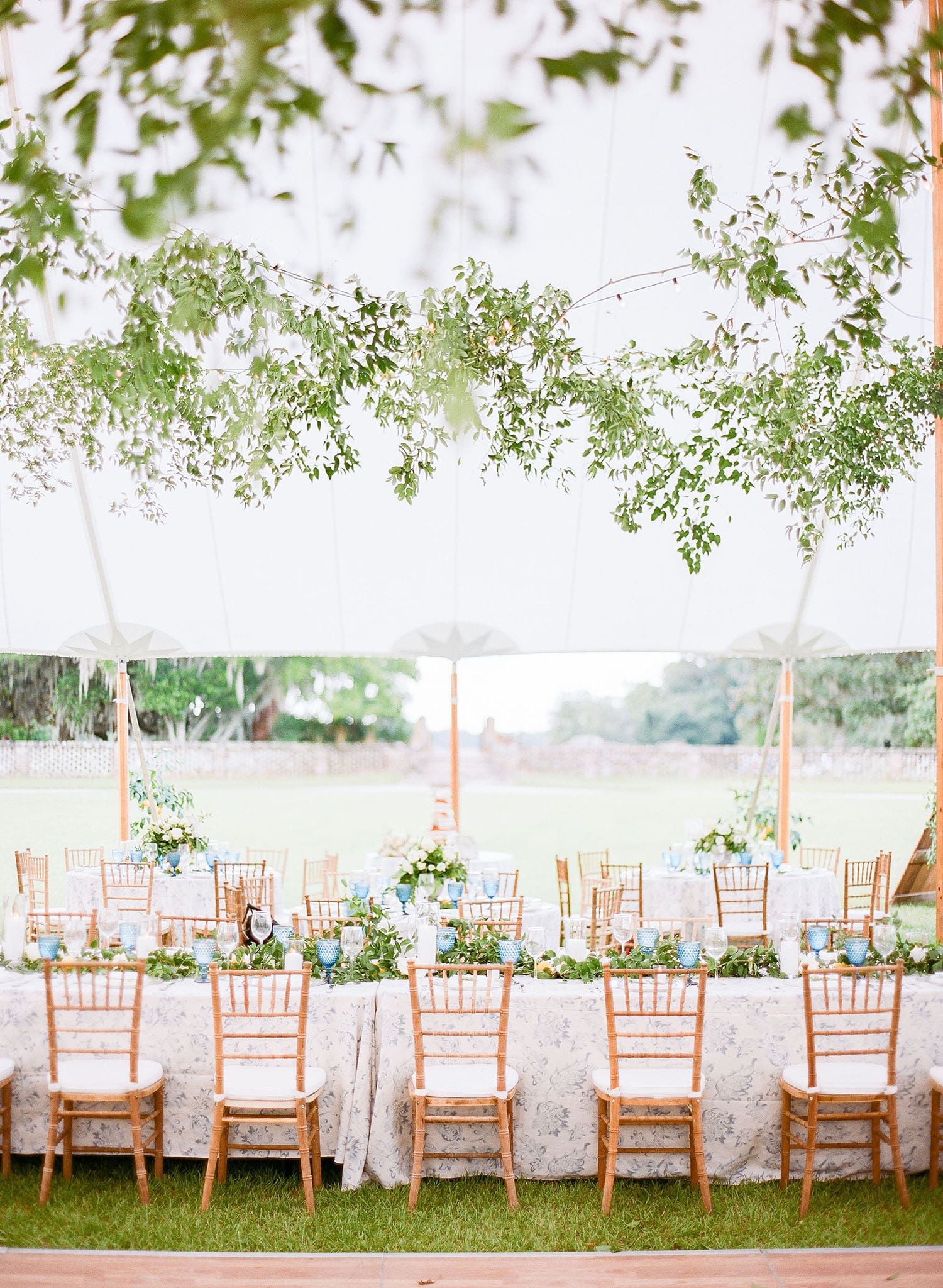
Tent placement is one of the most effective ways to improve summer comfort before adding any cooling equipment. A well-positioned tent can reduce sun exposure, capture natural breezes, and avoid site conditions that trap heat. Poor placement, on the other hand, can make even a high-quality tent feel warmer than expected.
Before finalizing the layout, conduct a site review with the rental provider, venue team, and planner. The goal is to identify the most comfortable and practical location for the tent while still supporting guest flow, vendor access, safety, and event design.
Position Tents in Shaded Areas When Possible
Natural shade can significantly improve comfort during a summer event. Trees, nearby buildings, and existing structures may help reduce direct sun exposure, especially during peak afternoon hours. When possible, position the tent where it can benefit from shade without interfering with installation, anchoring, access routes, or guest movement.
Shade should be evaluated according to the event schedule. A location that is shaded in the morning may be exposed by mid-afternoon. Likewise, a tent that starts in full sun may become more comfortable later in the evening. Reviewing sun patterns during the event window helps planners make better placement decisions.
If natural shade is limited, additional shade structures, umbrellas, covered lounges, or shaded arrival areas can help reduce guest exposure before they enter the main tent.
Avoid Heat-Trapping Locations
Some locations naturally feel hotter than others. Large asphalt lots, concrete patios, brick courtyards, and areas surrounded by walls or buildings can retain and reflect heat. These surfaces may continue radiating warmth even after the sun begins to set.
When possible, avoid placing guest seating or high-traffic tented areas directly over heat-retaining surfaces without additional cooling support. If the tent must be installed on pavement or another warm surface, consider flooring, fans, shade extensions, and targeted cooling zones to offset the heat.
Also avoid placing tents too close to generators, kitchen equipment, enclosed service areas, or other heat-producing elements. These functions are necessary for the event, but they should be positioned so they do not send warm air toward guests.
Account for Guest Flow and Service Access
Placement should support both comfort and operations. Guests should be able to move from parking, entrances, restrooms, ceremony areas, dining spaces, and exits without spending unnecessary time in direct sun. Vendors also need efficient access for catering, rentals, AV, entertainment, and service teams. A strong placement plan balances comfort with logistics. The tent should feel inviting to guests while remaining practical for setup, service, maintenance, and teardown. When cooling equipment is part of the plan, placement should also account for power access, water access, drainage, and equipment servicing throughout the event.
Compare Outdoor Event Cooling Equipment Options
Once the tent placement, material, and ventilation strategy are set, the next step is choosing the right cooling equipment. Different systems solve different comfort issues. Some improve airflow, some reduce perceived heat, and others actively lower the air temperature in specific areas.
For Raleigh summer events, the best approach is often a combination of solutions. Heat, humidity, guest count, tent size, power access, water access, and event format should all influence the equipment plan. Read more in Affordable Tent Rentals for Summer Parties in Raleigh NC.
High-Capacity Fans
High-capacity fans are one of the most practical cooling tools for tented events. They help move air through the tent, reduce stagnant heat, and make guests feel more comfortable, especially in open-sided or partially open tents.
Fans are most effective when they support the tent’s natural airflow. Instead of pointing fans randomly at seating areas, position them to move air through the tent from intake points toward exhaust points. This helps create a steadier breeze and prevents warm air from collecting in high-traffic areas.
Fans are a strong option for:
Fans do not lower the actual air temperature, but they can make a tent feel more comfortable by improving circulation and helping guests stay cooler.
Misting Systems
Misting systems can help cool outdoor areas by releasing a fine spray of water into the air. They are especially useful in open-air spaces where moisture can disperse quickly. For summer events, they can work well near lounges, arrival areas, outdoor bars, and guest transition zones.
In Raleigh’s humid climate, misting systems should be used strategically. When humidity is already high, too much mist can make enclosed spaces feel damp rather than refreshing. For that reason, misters are usually better suited to open-sided tents or outdoor areas around the tent rather than tightly enclosed dining spaces.
When planning misting systems, confirm:
- Water access
- Water pressure
- Hose routing
- Nozzle placement
- Slip prevention
- Staff checks during the event
Misters can be effective, but they need proper placement and monitoring to avoid wet surfaces, damp linens, or discomfort near seated guests.
Portable Air Conditioners
Portable air conditioners are the strongest option when the goal is to lower the actual air temperature. They are especially useful for enclosed or semi-enclosed tents, VIP areas, dining spaces, production zones, and events where heat-sensitive equipment or décor needs additional protection.
Portable AC requires more planning than fans. The tent must be enclosed enough to hold cooled air, and the equipment needs adequate power, exhaust routing, and placement. If the tent is too open, cooled air may escape before it has a meaningful effect.
Portable air conditioning is best for:
Portable AC should be included in the site plan early so power distribution, cable protection, exhaust, and equipment access are handled before installation day.
Evaporative Coolers and Ice-Based Systems
Evaporative coolers and ice-based systems provide targeted cooling in specific areas. They can be useful for guest arrival zones, service stations, lounges, and other high-traffic areas where localized cooling is needed.
Evaporative coolers work best when there is enough airflow for moisture to evaporate. In humid conditions, their performance may be more limited, so they should be evaluated based on the day’s forecast and the tent’s ventilation plan.
Ice-based systems can provide immediate cooling, but they require servicing, containment, and drainage planning. Staff should know how the system will be maintained during the event and how to prevent moisture from creating slippery surfaces.
These systems can be valuable as part of a broader cooling strategy, especially when paired with fans and clear airflow paths.
Create Cooling Zones Within the Event Layout
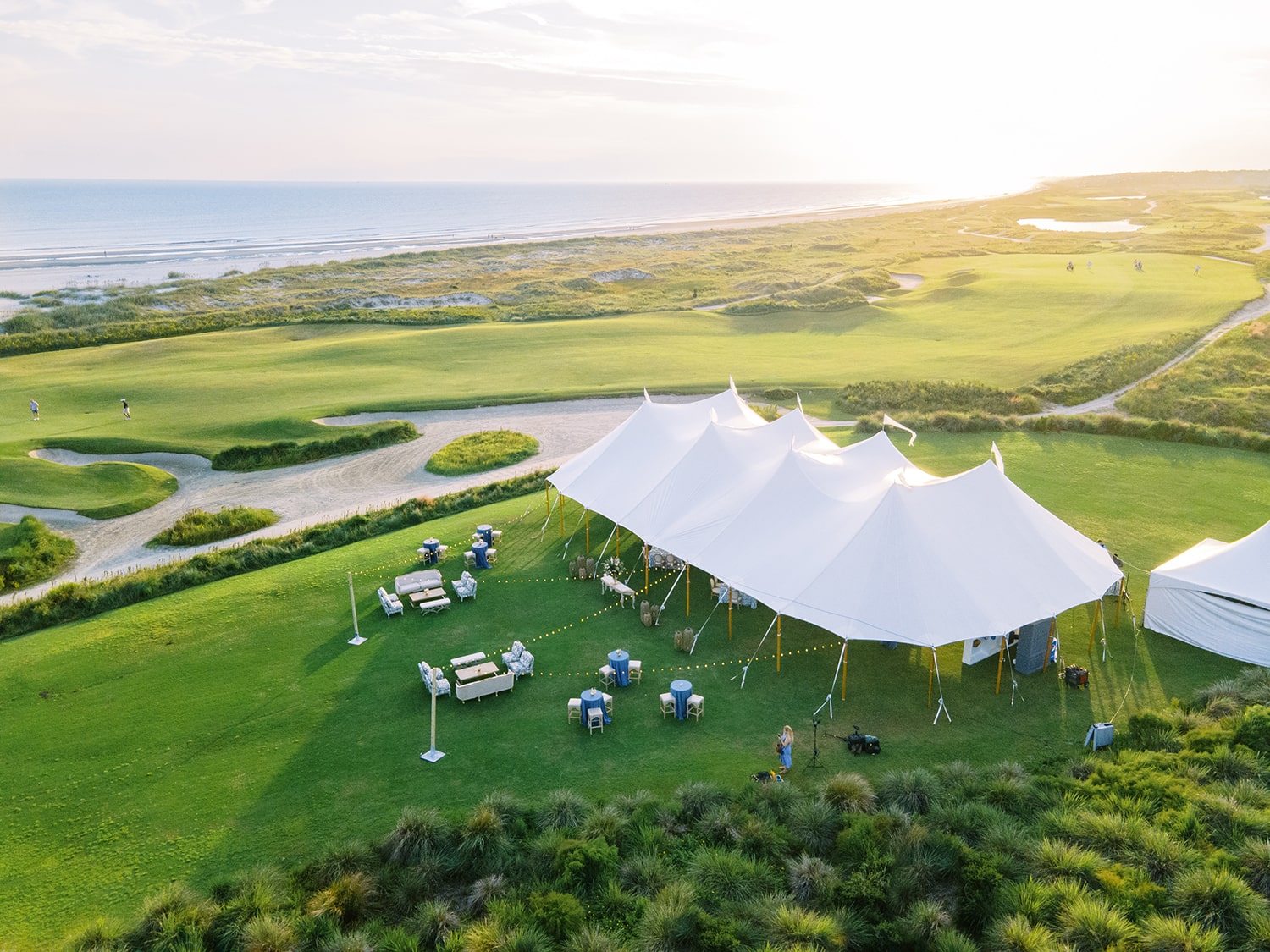
A cooling strategy works best when it is built into the event layout. Rather than trying to cool the entire tent evenly, planners can create targeted comfort zones where guests naturally gather or spend the most time.
Cooling zones help direct equipment, shade, hydration, and airflow to the areas where they will have the greatest impact. This makes the event more comfortable without overcomplicating the setup.
Place Cooling Equipment Where Guests Gather
Start by identifying the highest-use areas of the event. These spaces usually need the most cooling support because guests remain there longer or gather in larger numbers.
Priority areas may include:
- Guest seating areas
- Bars
- Buffet lines
- Registration or check-in tables
- Ceremony waiting areas
- Lounge spaces
- Dance floor edges
- Photo booth areas
- Restroom queues
- Transportation pickup zones
Cooling equipment should be placed where it supports comfort without disrupting the event design. For example, fans can be positioned near seating clusters or service lines, while misting systems may work better near open-air lounges or exterior walkways.
Keep Airflow Paths Clear
Furniture, décor, draping, signage, floral installations, and service tables can unintentionally block airflow. A tent may have strong ventilation potential, but poor layout can prevent air from moving effectively through the space.
When reviewing the floor plan, keep major airflow paths open. Avoid placing large structures directly in front of fans, tent openings, vents, or sidewall gaps. Bars, buffets, and lounge groupings should be arranged so they do not create bottlenecks or trap heat in one area.
Clear airflow paths are especially important near:
A good layout should allow guests, staff, and air to move efficiently.
Use Furniture and Décor That Support Comfort
Furniture and décor choices can either help or hinder cooling. Lightweight, open, and breathable design elements usually perform better in summer tented environments than dense, heavy, or heat-trapping materials.
Consider using: To check availability for your date, contact our Raleigh team.
- Open-back chairs
- Light-colored linens
- Lightweight tablecloths
- Modular lounge furniture
- Minimal heavy draping
- Décor that does not block tent openings
- Flexible furniture that can be adjusted if crowd flow changes
Light-colored finishes can also help reduce heat absorption, especially in daytime events. Décor should support the visual concept while still allowing airflow and guest movement. Our Raleigh team stocks tent rentals for Raleigh events.
Conclusion
Creating a comfortable atmosphere for summer events in Raleigh is essential for enhancing guest engagement and satisfaction. By strategically selecting tent materials, cooling equipment, and layout designs, event planners can significantly improve the overall experience. Understanding the local climate challenges and implementing targeted solutions leads to memorable gatherings that leave a lasting impression. Discover how Curated Events can help elevate your next outdoor celebration by exploring our comprehensive service offerings today. You may also find Tent Rental Checklist for Summer Outdoor Events in Raleigh helpful.