
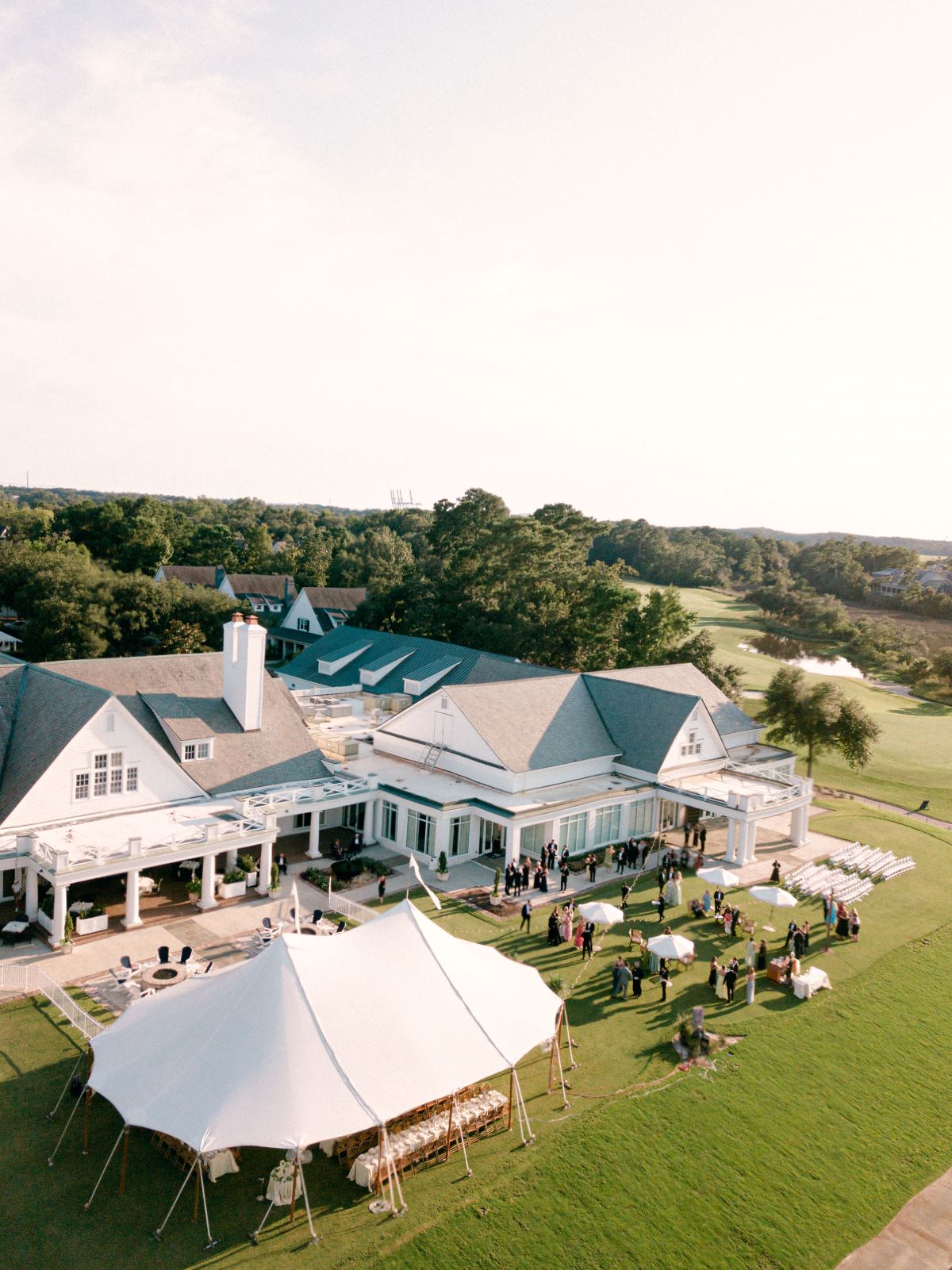
Planning a summer event in Raleigh means preparing for more than a beautiful outdoor setting. Heat, humidity, rain, guest comfort, catering needs, venue rules, and setup logistics all affect how well the event runs. A clear tent rental checklist helps you organize those details before they become last-minute problems.
Whether you are hosting a wedding, corporate event, social gathering, festival, branded activation, or private celebration, the right tent can create a comfortable and polished event space. The key is choosing the right tent style, confirming the correct size, planning the full layout, and pairing the tent with the rentals that make the space functional.
This guide walks through a practical tent rental checklist for summer events in Raleigh, including tent types, guest count planning, weather considerations, permits, event rentals, setup timelines, and final checks.
Start With the Basics: Event Type, Guest Count, and Site Conditions
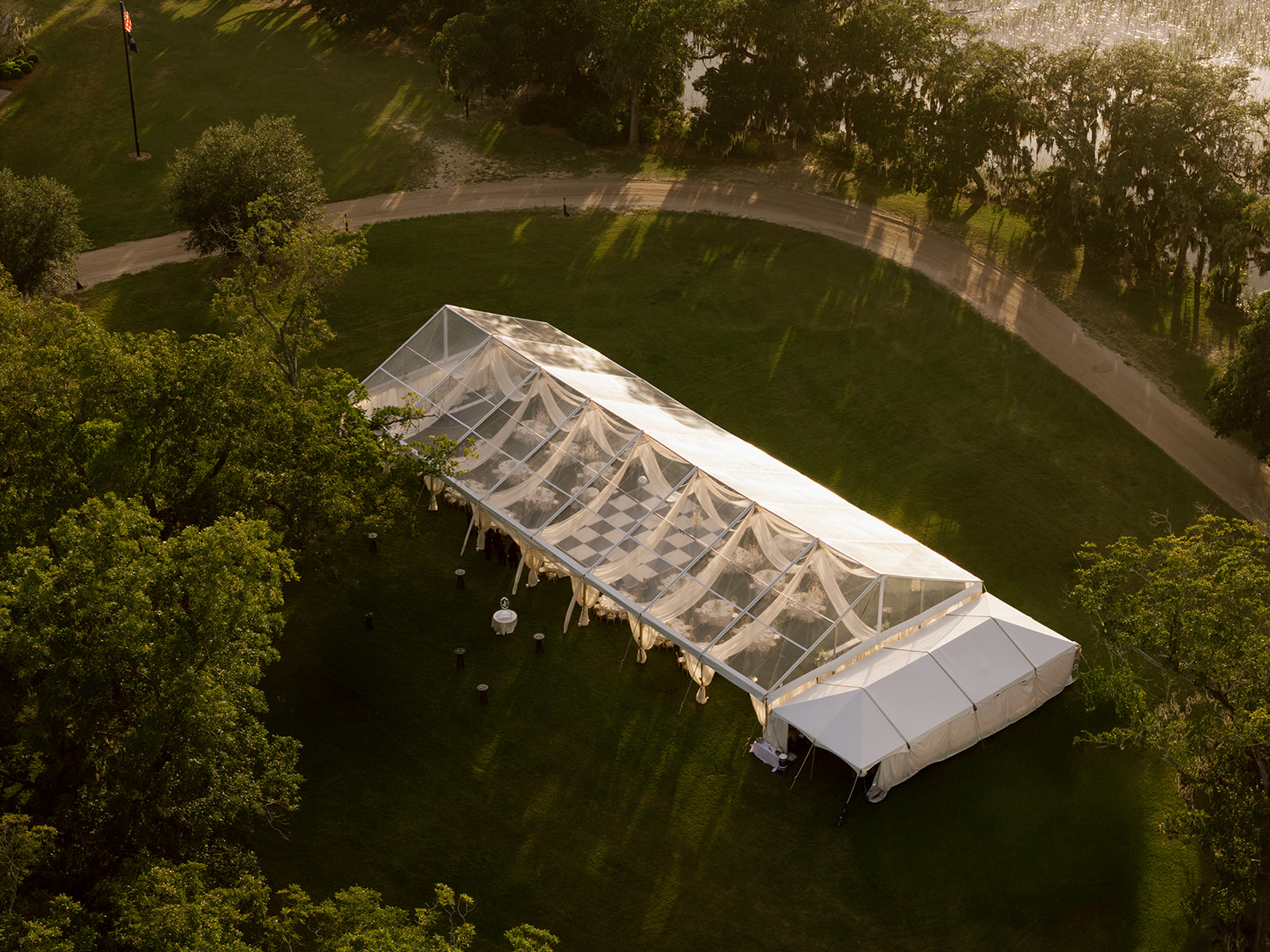
Before selecting a tent, define the purpose, size, and location of the event. These early details determine the tent style, square footage, layout, rental needs, delivery plan, and installation requirements. A tent for a seated wedding reception will have different needs than a corporate cocktail event, festival lounge, outdoor ceremony, or temporary event structure.
Define the Type of Summer Event You’re Hosting
Start by identifying the event format. A wedding may need space for a ceremony, dinner, bar, dance floor, lounge seating, and catering service. A corporate event may require branded entry points, presentation space, networking areas, and audiovisual support. A festival, concert, or sporting event may need multiple tents for guests, vendors, ticketing, catering, staff, or VIP areas.
The event type also affects the look and feel of the tent. A sailcloth tent may suit an elegant garden wedding, while a frame tent or structure tent may be better for a corporate event, venue expansion, or high-traffic outdoor setup.
Confirm Your Guest Count Before Choosing a Tent
Guest count is one of the most important factors in tent planning. The number of attendees affects the tent size, seating layout, table count, catering setup, restroom access, bar placement, dance floor size, stage requirements, and guest flow.
Avoid choosing a tent based only on the number of guests. A 100-person seated dinner needs more space than a 100-person standing reception. If you are adding a buffet, bar, lounge, dance floor, ceremony aisle, or stage, those elements must be included in the layout before the tent size is finalized.
Identify the Event Location and Ground Surface
The event site determines which tent styles are practical. A tent installed on grass may allow staking, while a tent on concrete, asphalt, pavers, or a patio may require different anchoring methods. Private homes, parks, venues, courtyards, parking areas, and open fields all come with different setup conditions.
Before booking, confirm the exact installation area and surface type. This helps the rental team determine whether the tent can be staked, weighted, or otherwise secured safely.
Check for Site Obstacles Before Installation
A site inspection helps identify issues that could affect installation. Look for trees, low branches, overhead wires, irrigation systems, underground utilities, uneven ground, slopes, poor drainage, narrow access points, fences, gates, and delivery restrictions.
Also consider where trucks can unload, where rental equipment can be staged, and whether the installation crew will have enough time and access to complete setup without disrupting the venue or other vendors.
Choose the Right Tent Style for a Summer Event in Raleigh
Tent style affects the look, function, layout, and installation requirements of your event. The right choice depends on the site surface, guest count, event design, weather plan, and overall event experience. Raleigh summer events often need a balance of shade, airflow, rain protection, and visual appeal.
Frame Tents for Flexible Raleigh Event Sites
Frame tents are a versatile option for many outdoor events because they do not require center poles inside the tent. This creates an open interior that works well for dining layouts, dance floors, stages, bars, lounges, and corporate setups.
Frame tents are often useful when the event layout needs flexibility or when the installation surface limits the use of traditional pole tents. They can also support clean, structured event designs with lighting, draping, and defined entry points.
Pole Tents for Classic Outdoor Events
Pole tents offer a traditional tented-event look with high peaks and a classic outdoor feel. They are often used for weddings, social events, and casual summer gatherings where the tent can be installed on a stake-friendly surface.
Because pole tents rely on tension and support poles, they typically need more surrounding space for staking and installation. The center poles can also affect layout planning, so they should be included in the floor plan from the beginning.
Sailcloth Tents for Elevated Weddings and Receptions
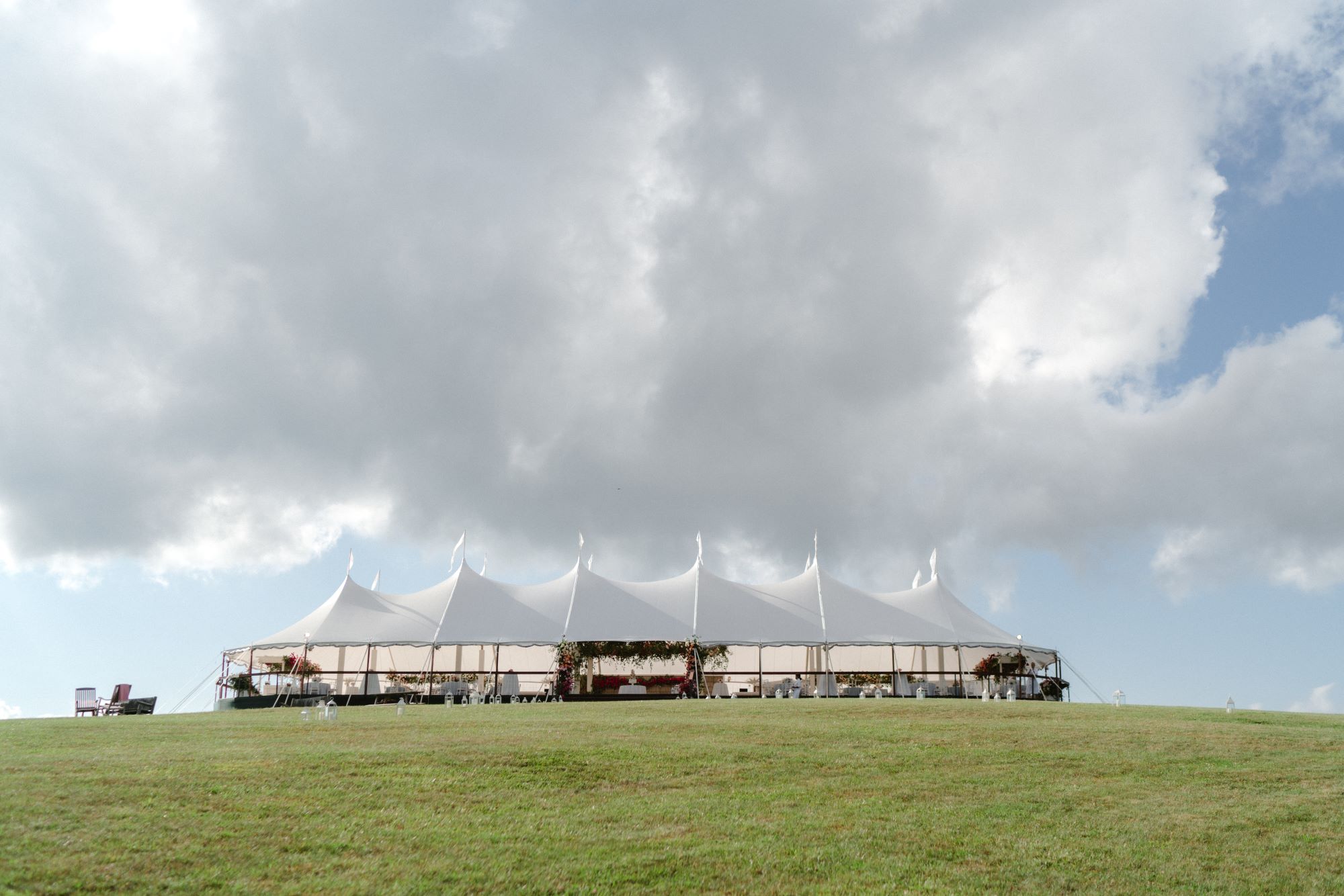
Sailcloth tents are a strong choice for elegant summer weddings, garden receptions, and upscale outdoor celebrations. Their translucent material can create a soft, warm glow during the day and a beautiful atmosphere when paired with evening lighting.
Because sailcloth tents often require staking, they are best planned with a professional site review. The rental team can confirm whether the event site can support the anchoring requirements and whether the tent style works with the venue’s rules.
Clear Frame Tents for Evening Events and Visual Impact
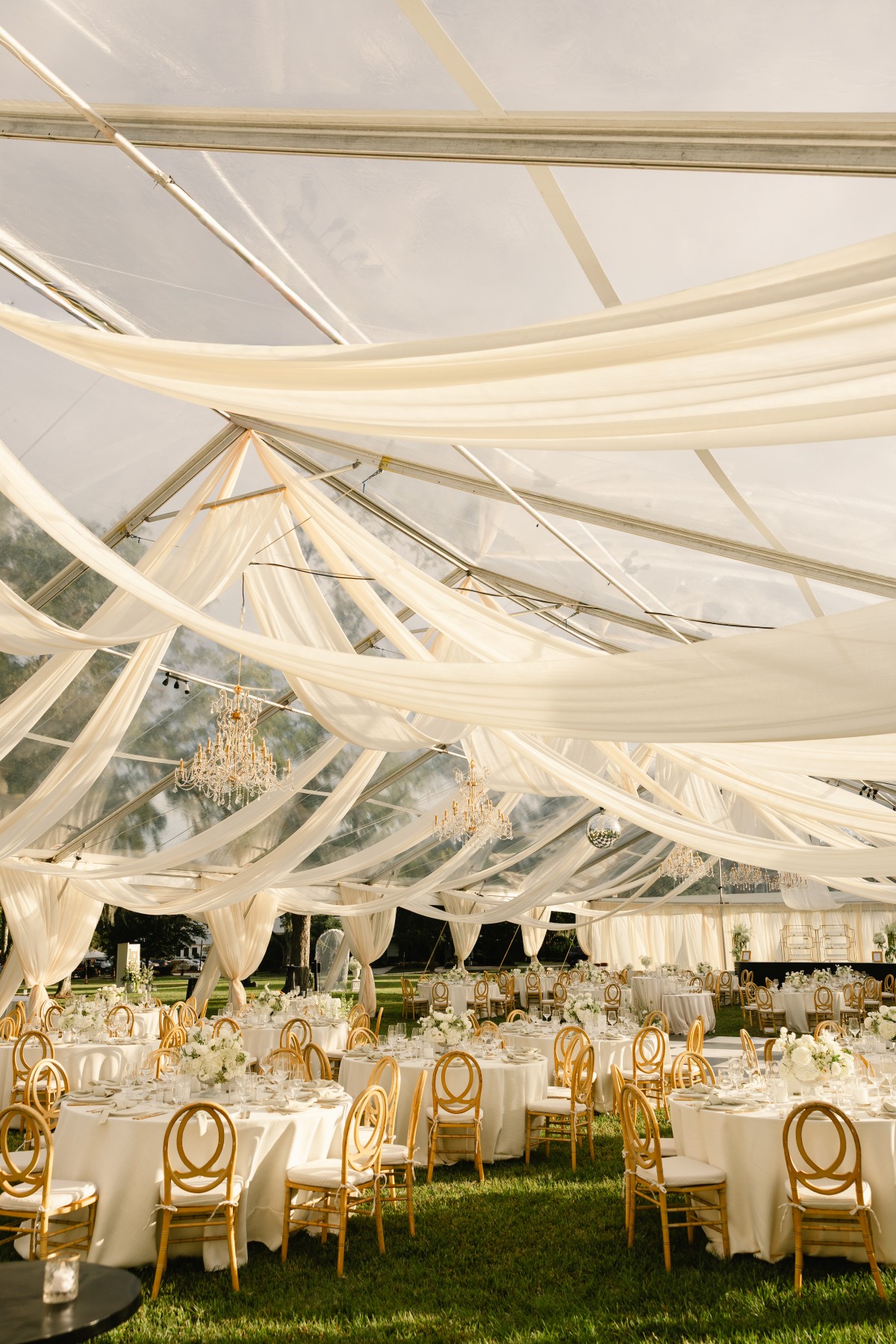
Clear frame tents can create a dramatic event environment, especially for evening receptions, scenic properties, garden settings, and design-forward celebrations. They allow guests to enjoy views of the surrounding landscape while still being under a covered structure.
For Raleigh summer events, clear tents should be planned carefully. Clear tops can increase heat during the day, so they are often better suited for evening events or layouts with cooling strategies, ventilation, shade planning, and guest comfort measures.
Structure Tents and Semi-Permanent Tents for Larger Installations
Structure tents and semi-permanent tenting solutions are useful for larger events, venue expansions, festivals, sporting events, conventions, exhibits, and temporary auxiliary spaces. These tents can help create a more substantial event environment when the event requires scale, durability, or a more customized footprint.
For larger installations, start planning early. The rental team may need to review the site, confirm access, evaluate anchoring needs, coordinate with the venue, and account for permitting or inspection requirements.
Calculate the Right Tent Size for Your Guest Count and Layout

Tent size should be based on the complete event footprint, not just the number of guests. Seating, catering, bars, dance floors, staging, service areas, vendor stations, walkways, and weather protection all affect the amount of covered space required. A well-sized tent should feel comfortable, not crowded.
Use Guest Count as the Starting Point
Begin with your expected guest count, then identify the event format. A seated dinner requires space for tables, chairs, aisles, and service flow. A cocktail-style reception may need less formal seating but more open space for standing, mingling, bars, and food stations.
If the event includes both a ceremony and reception under the same tent, consider whether the space will need to be flipped between event segments. A room flip requires additional planning for staff access, storage, timing, and guest movement.
Add Space for Tables, Chairs, Bars, Catering, and Service Areas
A complete tent layout should include every major rental and service element. This may include dining tables, guest chairs, buffet tables, bars, shelving, lounge furniture, catering equipment, tabletop rentals, linens, lighting, décor, staging, dance floor, and heating or cooling equipment.
Leaving these items out of the early space calculation can cause the final layout to feel cramped. It can also create bottlenecks around bars, buffets, restrooms, entryways, and dance floors.
Plan for Guest Flow and Accessibility
Guest flow matters as much as guest count. Guests should be able to move comfortably between dining areas, bars, restrooms, lounge spaces, catering stations, dance floors, and exits. Walkways should be clear, intuitive, and accessible.
For summer events, also consider shade and comfort. If guests will walk from the tent to restrooms, parking, a ceremony area, or a cocktail space, covered walkways or shaded transition areas may improve the experience.
Ask for a Scaled Layout Before Confirming the Tent
A scaled layout helps confirm that the tent size matches the event plan. The layout should show tables, chairs, bars, catering areas, dance floor, stage, entertainment space, walkways, entry points, and any lounge or décor installations.
A professional layout also helps vendors coordinate. Caterers, planners, florists, lighting teams, entertainment providers, and venue managers can use the layout to understand where each element belongs and how the event will flow.
Build Your Summer Tent Rental Checklist
A strong tent rental checklist turns a complicated event into a manageable planning process. It should include the tent itself, the supporting rentals, the guest comfort plan, weather protection, vendor logistics, and final confirmations. The goal is to make sure nothing essential is missing on event day.
Tent and Structural Items
Start with the core tent details. Confirm the tent style, tent size, installation surface, anchoring method, sidewall needs, flooring needs, entry points, and delivery timeline. Also confirm whether the tent requires staking, ballasting, or special site preparation.
Ask about setup and breakdown timing, access requirements, and whether the site needs to be cleared before the crew arrives. If the venue has restricted installation windows, share those rules with the rental team as early as possible.
Guest Seating and Dining Rentals
Seating and dining rentals shape the guest experience inside the tent. Confirm the number and style of tables, chairs, linens, napkins, chargers, china, glassware, flatware, and serving pieces.
For weddings and formal events, the style of the chair, linen, tabletop, and table shape can define the entire design. For corporate or social events, seating may include a mix of dining tables, cocktail tables, lounge furniture, and communal tables.
Lighting and Power Needs
Lighting is both functional and decorative. A summer tent may need general lighting, pathway lighting, catering lighting, bar lighting, accent lighting, chandeliers, string lights, or uplighting. We cover this further in Tent Rental Options for Summer Events in Raleigh NC.
Power should be planned at the same time as lighting. Confirm whether the venue has enough electrical access or whether generators are needed. Catering equipment, entertainment, fans, lighting, bars, and audiovisual components may all require power.
Catering and Bar Equipment
Food and beverage service needs dedicated space and the right rentals. Include buffet tables, beverage stations, bars, shelving, chafing dishes, serving equipment, catering and cooking equipment, prep tables, trash and recycling stations, and water service.
Place catering and bar areas where guests can access them easily without blocking major walkways. For larger events, multiple bars or service stations may reduce lines and improve guest flow.
Comfort and Weather Rentals
Summer events in Raleigh need a comfort plan. Consider fans, cooling equipment, shade, hydration stations, sidewalls, flooring, covered walkways, and weather-resistant rental choices.
If there is a chance of rain, flooring and sidewalls may become more important. If the event is during peak afternoon heat, ventilation and cooling should be part of the layout conversation from the beginning.
Entertainment and Event Experience Items
Many tented events include a stage, dance floor, band area, DJ setup, lounge space, photo area, branded installation, or interactive guest experience. These items need to be included in the tent plan before the final size is selected.
Entertainment areas also affect lighting, power, sound, and sightlines. Make sure guests can see speeches, performances, presentations, or ceremonies without blocking service paths or exits.
Plan for Raleigh Summer Weather
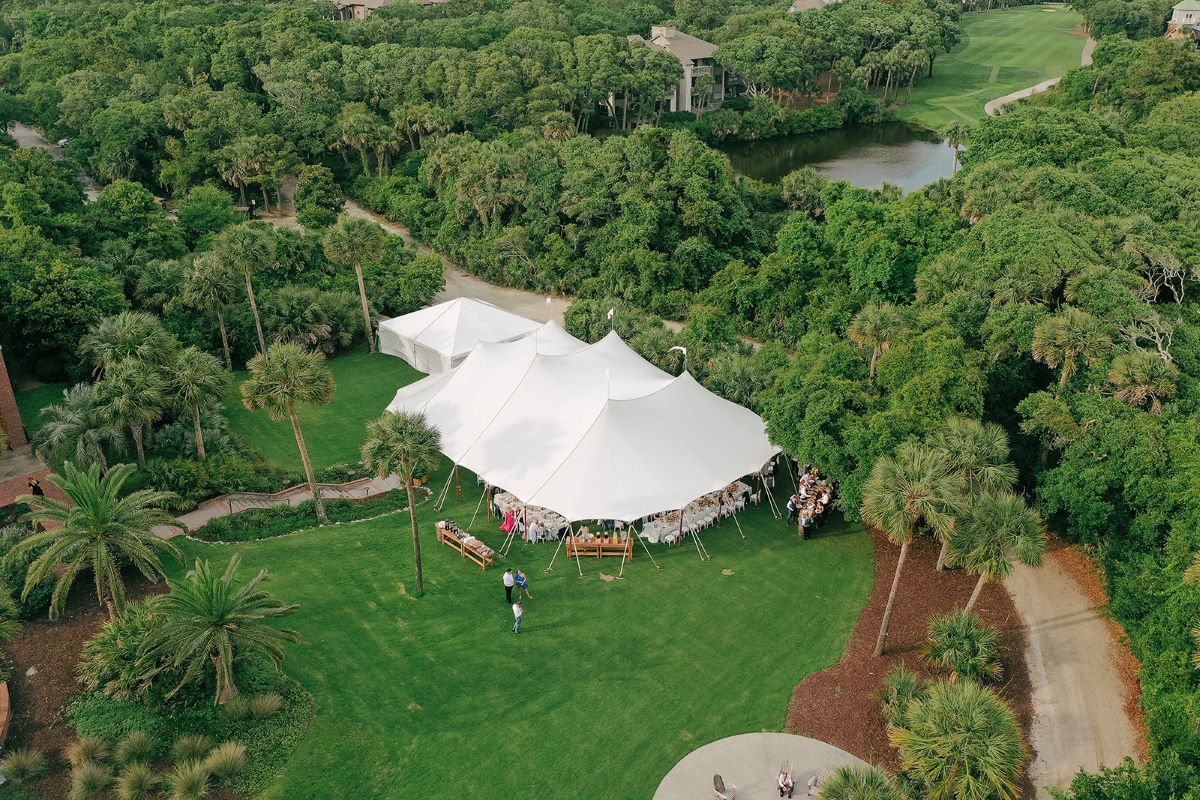
Raleigh summer weather can shift quickly, so the tent plan should prepare for heat, humidity, rain, and wind. A tent provides essential cover, but guest comfort depends on the full weather strategy, including airflow, flooring, sidewalls, cooling, drainage, and communication. We cover this further in Tent Rental Booking Timeline for Raleigh Summer Events.
Prepare for Heat and Humidity
Heat and humidity can make an outdoor event uncomfortable if cooling is not planned. Consider fans, open tent sides, hydration stations, shaded lounge areas, and a layout that allows air to move through the tent.
Event timing can also help. If possible, schedule ceremonies, cocktail hours, or outdoor activities outside the hottest part of the day. For daytime events, avoid layouts that place guests in direct sun for long periods.
Prepare for Rain and Storms
A tent should be part of the rain plan, not the entire rain plan. Confirm whether sidewalls are needed, whether the ground drains well, whether flooring should be added, and whether walkways will remain usable during wet weather.
Catering stations, bars, entertainment equipment, power sources, and guest seating should all be protected from rain. Vendors should know the weather plan before the event begins.
Protect Food, Guests, and Equipment
Food service areas need protection from heat, rain, and direct sun. Beverage stations, buffet tables, and catering prep areas should be positioned for safety, efficiency, and guest access.
Electrical equipment also needs careful planning. Lighting, fans, speakers, catering equipment, and audiovisual systems should be installed and protected according to professional safety standards.
Confirm the Weather Policy With Your Rental Company
Ask what changes can be made if the forecast shifts before the event. Sidewalls, fans, flooring, heaters, and tent adjustments may depend on inventory availability and installation timelines.
Clarify the decision deadlines for weather-related changes. This helps the planner, venue, rental team, and vendors respond quickly if conditions change.
Confirm Permits, Venue Rules, and Installation Requirements
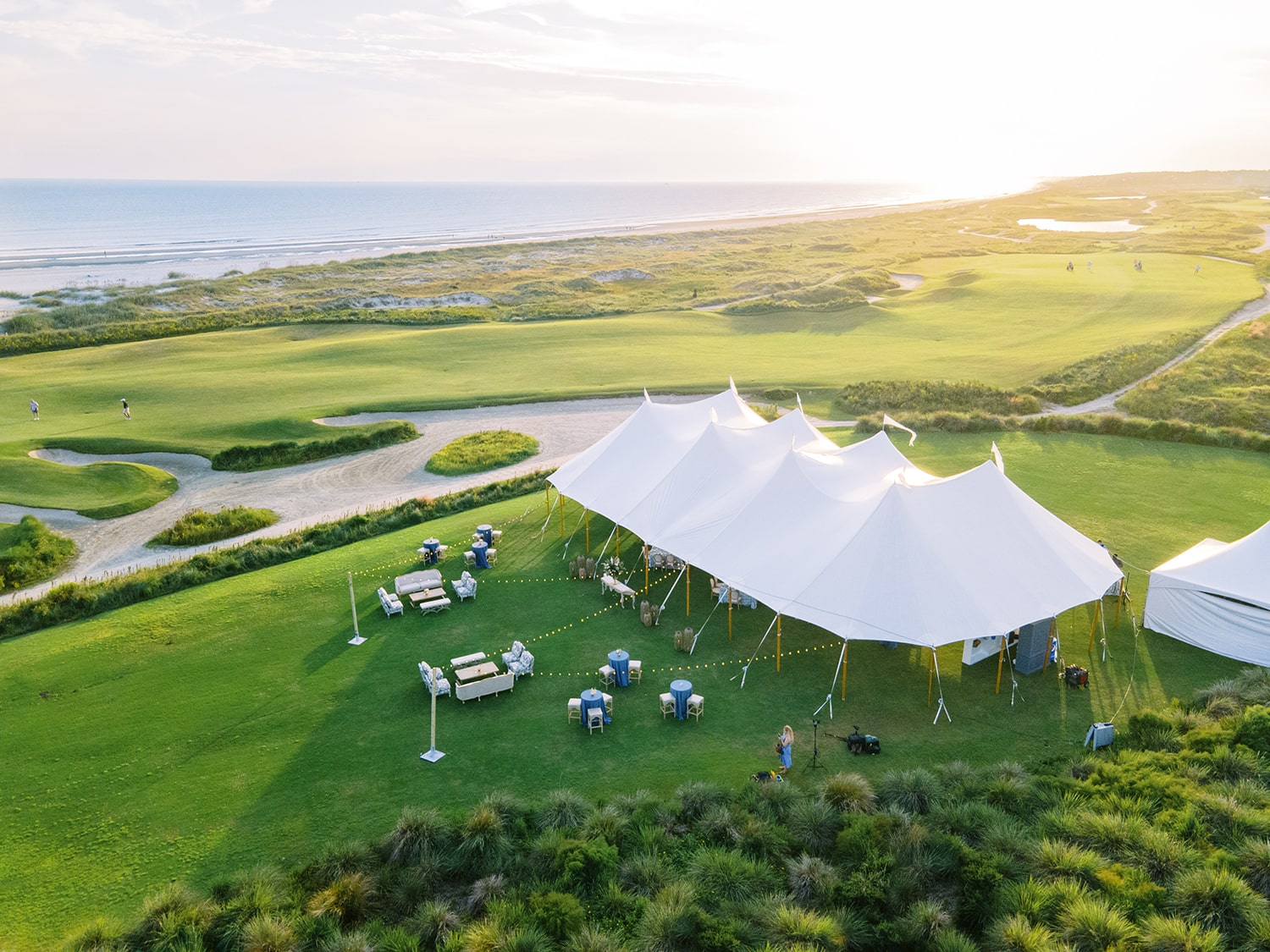
Permits and site rules can affect the tent size, placement, anchoring, timeline, and overall event plan. Requirements vary depending on the venue, property type, event size, food and beverage service, amplified sound, public access, and local regulations. Confirm these details early to avoid delays.
Ask the Venue About Tent Rules First
The venue should be your first source for tent-related restrictions. Ask about approved installation areas, staking rules, delivery access, setup windows, breakdown deadlines, insurance requirements, and vendor approval policies.
Some venues may limit tent size, require specific anchoring methods, restrict generators, or require protective flooring. These rules should be shared with the rental company before the quote is finalized.
Check Raleigh or Wake County Permit Requirements
Depending on the event location and event type, permits may be required for tents, temporary structures, public parks, amplified sound, food service, alcohol service, street use, or large public gatherings.
Do not assume that a private event is exempt from all requirements. The safest approach is to check with the venue, City of Raleigh, Wake County, local parks departments, fire officials, and food or alcohol authorities when applicable.
Confirm Fire Safety and Exit Requirements
Tented events may need to meet fire safety and exit requirements. These can include clear exits, proper aisle spacing, flame-retardant materials, emergency access, lighting, fire extinguisher placement, occupancy limits, and cooking restrictions.
If cooking or heating equipment will be used near the tent, confirm safe placement with the appropriate professionals. Catering and cooking equipment should be positioned to protect guests, staff, and the tent structure.
Coordinate With Caterers, Planners, and Other Vendors
Permits and installation requirements often involve several vendors. The planner, venue, caterer, rental company, lighting team, entertainment provider, and florist may all need access to the same site during setup.
Create a shared timeline so each vendor knows when they can arrive, where they can unload, and what must be installed before their work begins.
Add Event Rentals That Make the Tent Functional and Polished
A tent provides the structure, but the right rentals make the space comfortable, functional, and event-ready. Plan these items together so the layout feels cohesive and supports guest flow.
- Tables and chairs: Choose tables and chairs based on the event format, guest count, and design style. Round tables work well for seated dinners, banquet tables support family-style meals and buffets, and cocktail tables are useful for receptions and bar areas.
- Linens and tabletop rentals: Select linens, napkins, china, glassware, flatware, chargers, and serving pieces that coordinate with the tent design and overall event theme.
- Bars, shelving, and lounge furniture: Use bars, shelving, and lounge pieces to create service areas, cocktail zones, VIP spaces, branded areas, and comfortable gathering points.
- Lighting, décor, and accessories: Add string lights, chandeliers, uplighting, pathway lighting, draping, florals, signage, and decorative accents to make the tent feel polished rather than temporary.
- Dance floors, stages, and flooring: Plan dance floors, stages, and flooring early because they affect tent size and layout. Flooring can also improve comfort and stability on grass, uneven ground, or rain-prone sites.
Why Choose Curated Events for Summer Tent Rentals in Raleigh?
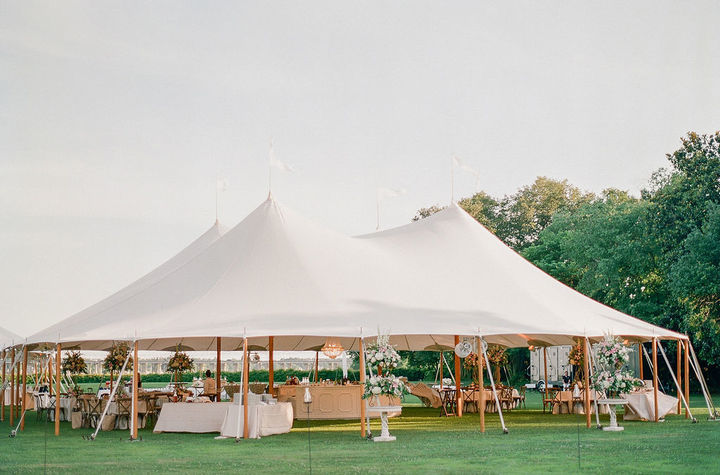
Curated Events Raleigh offers tenting and event rental support for a wide range of outdoor events. For hosts who need more than a tent, working with a full-service rental partner can simplify the process by connecting the tent structure with the tables, chairs, linens, lighting, catering equipment, décor, dance floor, staging, and comfort rentals needed to complete the event.
A Wide Selection of Tent Options
Curated Events Raleigh offers multiple tenting options for different event styles and site needs, including frame tents, sailcloth tents, clear and white frame tents, garden tents, structure tents, and other tenting solutions.
This range makes it easier to match the tent to the event, whether the goal is a romantic wedding reception, a polished corporate event, a large outdoor festival, or a temporary event space.
Full-Service Event Rentals Beyond the Tent
A successful tented event usually requires more than overhead coverage. Curated Events Raleigh offers event rental categories that can support the full experience, including tables, chairs, linens, tabletop rentals, lighting, catering and cooking equipment, bars and shelving, dance floors, event décor and accessories, stages, trade show items, and heating and cooling rentals.
Choosing these items through one rental partner can help the event feel more cohesive and can simplify planning conversations.
Raleigh Showroom and Local Support
Curated Events Raleigh has a local showroom and design center, giving clients a place to explore rental options and visualize the event design. Local support can be especially helpful when planning tented events because site conditions, summer weather, venue rules, and installation logistics all need practical Raleigh-area knowledge.
A local rental team can also help connect the tent plan with the broader event rental needs, from guest seating to tabletop details.
Support for Weddings, Corporate Events, Festivals, and More
Curated Events Raleigh supports a wide range of event types, including weddings, social events, corporate events, branded marketing events, festivals, concerts, sporting events, exhibits, conventions, and temporary auxiliary spaces.
Because each event type has different layout and rental requirements, early consultation can help ensure the tent, rentals, and setup plan are aligned with the event’s goals.
Final Tent Rental Checklist for a Summer Event in Raleigh
Before the event date arrives, review the full checklist one more time. This final review should cover the tent, rentals, weather plan, venue rules, vendor timing, guest comfort, and setup logistics. A complete checklist helps prevent missing items and gives every vendor a clearer path to execution.
- Tent Checklist
Confirm the tent style, tent size, installation surface, anchoring method, sidewalls, flooring, entry points, delivery window, setup time, breakdown time, and site access.
Also confirm whether the tent location has been marked and whether the venue or property owner has approved the final placement.
- Guest Comfort Checklist
Review guest seating, shade, airflow, cooling equipment, hydration stations, restroom access, walkways, accessibility, rain protection, and evening lighting.
Think through the guest experience from arrival to departure. Guests should know where to go, move comfortably, and remain protected from heat or rain.
- Food and Beverage Checklist
Confirm catering equipment, buffet tables, bars, beverage stations, prep areas, serving pieces, trash and recycling, staff access, water service, and food safety needs.
Make sure the caterer has reviewed the layout and confirmed that the setup supports the menu and service style.
- Design Checklist
Review linens, tabletop rentals, chairs, lighting, décor, lounge furniture, floral placement, signage, branded elements, dance floor, and stage details.
Design items should work with the tent style, event theme, color palette, and photography goals.
- Logistics Checklist
Confirm permits, venue rules, insurance requirements, vendor arrival times, delivery access, parking, power, generators, loading zones, emergency plans, weather decisions, and final walkthrough notes.
Share the final schedule and layout with all key vendors so everyone is working from the same plan.
Frequently Asked Questions
How far in advance should I book a summer tent rental in Raleigh?
Book as early as possible, especially for peak summer dates, weddings, large guest counts, and events that require specialty tents or extensive rental packages. Starting at least several months ahead gives you more time to confirm the tent style, layout, site needs, permits, and supporting rentals.
What type of tent is best for a Raleigh summer wedding?
The best tent depends on the site, guest count, design style, and weather plan. Sailcloth tents are often chosen for elegant outdoor receptions. Frame tents are flexible and can create an open interior layout. Clear frame tents can be beautiful for evening events and scenic settings, while structure tents may work well for larger or more complex installations.
Do I need sidewalls for a summer tent?
Sidewalls can help protect against rain, wind, sun angle, and privacy concerns. However, they can also affect airflow, which matters during hot and humid Raleigh summer events.
Discuss sidewalls with the rental team based on the forecast, event time, tent style, ventilation plan, and guest comfort needs.
How do I know what size tent I need?
Start with the guest count, then add the full event layout. Include tables, chairs, bars, buffet areas, catering equipment, dance floor, stage, lounge spaces, walkways, and vendor zones.
The safest approach is to request a layout so the rental team can help determine the correct tent size based on how the event will actually function.
Can I rent tables, chairs, linens, lighting, and catering equipment with the tent?
Yes. For a tented event, it is often helpful to rent the tent and supporting event rentals together. Tables, chairs, linens, tabletop items, lighting, catering equipment, dance floors, stages, bars, décor, and heating or cooling rentals can all affect the tent layout and guest experience.
Does Curated Events offer tent rentals for corporate events in Raleigh?
Yes. Curated Events Raleigh supports corporate events as well as weddings, social events, festivals, branded events, exhibits, conventions, and other outdoor event formats. Corporate tent rentals may include guest seating, bars, lounge furniture, lighting, tabletop items, staging, trade show rentals, and other event essentials. To check availability for your date, contact our Raleigh team.
Conclusion
A tent rental checklist helps you plan the structure, layout, rentals, weather strategy, and logistics needed for a successful summer event in Raleigh. By thinking through guest count, site conditions, tent style, comfort needs, catering, lighting, permits, and setup timing, you can reduce last-minute stress and create a better experience for guests. We cover this further in Tent Rental Weather Planning for Raleigh Summer Events.
If you are planning an outdoor summer event in Raleigh, Curated Events Raleigh can help you explore tent rentals, event rentals, layout needs, and full-service rental support. Start with your event date, guest count, venue, and vision, then work with the team to build a rental plan that supports the event from setup to send-off.