
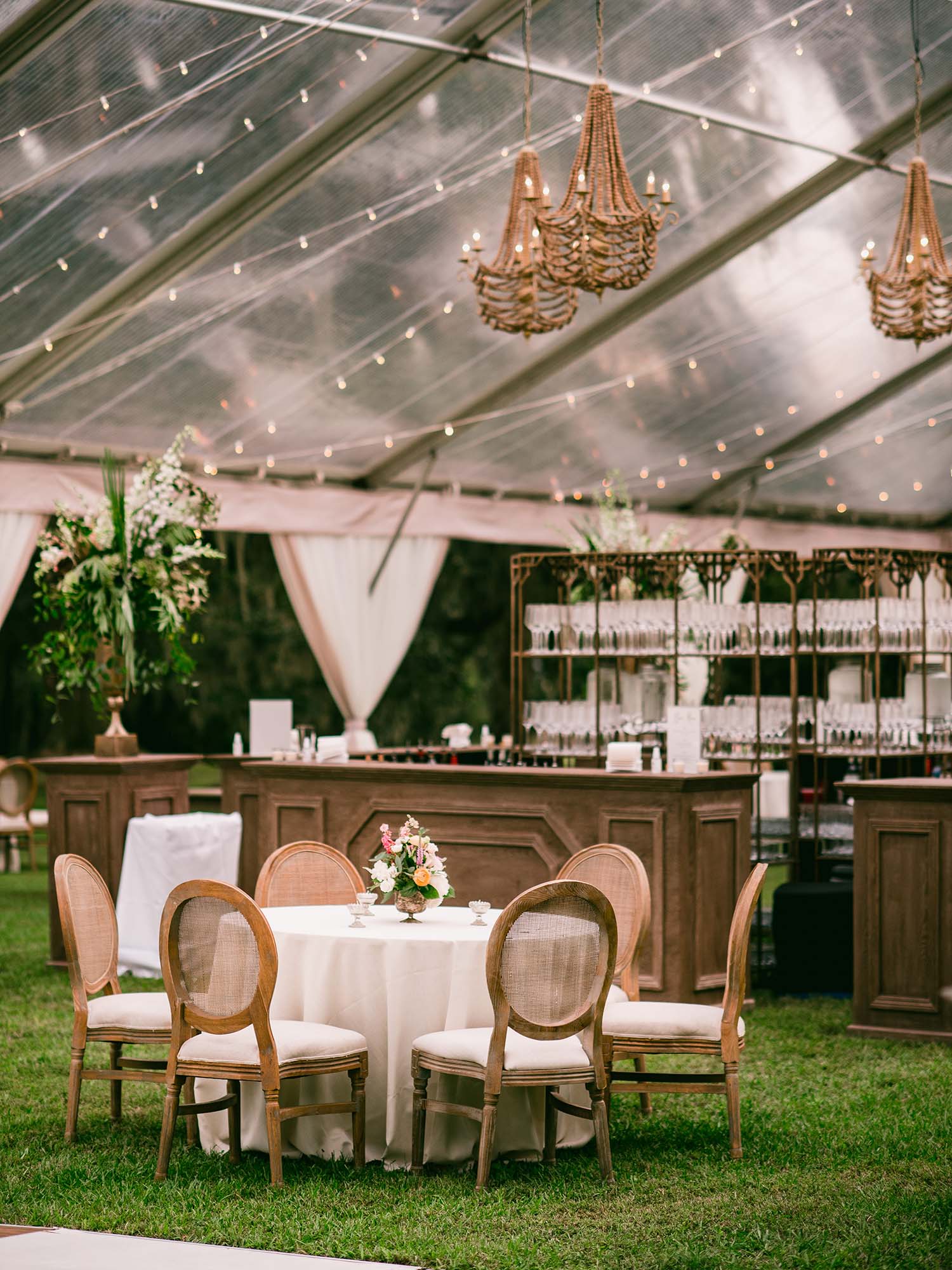
The best tent rental for a Raleigh summer event depends on more than guest count. The right choice also depends on the venue surface, available footprint, anchoring options, weather exposure, delivery access, power needs, and how the event will operate under the tent. A tent that looks attractive in photos may not be the right fit if the site cannot support the installation method or if the layout does not allow enough room for guests, vendors, and service areas.
Raleigh summer events also require planning for heat, humidity, rain, wind, and shifting outdoor conditions. Before booking a tent, hosts should understand which tent types work best for different surfaces, what site details affect the quote, which accessories improve comfort, and what permit or insurance questions should be resolved early. This guide explains how to choose a Raleigh summer tent rental based on site feasibility, event function, installation logistics, and full-event readiness.
Start With the Event Site Before Choosing a Tent
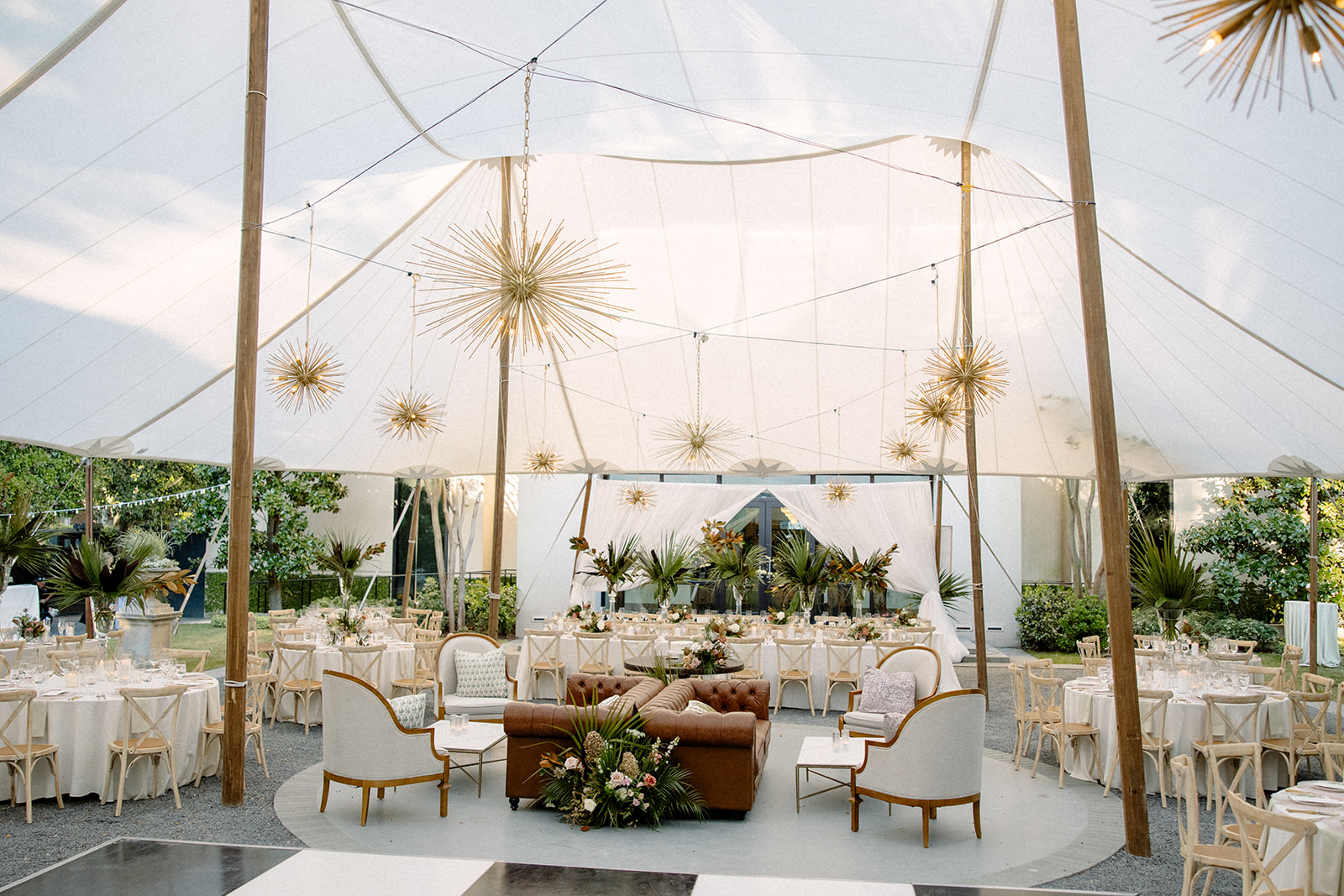
The event site should guide the tent decision before style or accessories are selected. Surface type, available space, access routes, overhead obstructions, and venue restrictions all affect which tents can be installed safely and efficiently. Starting with the site helps prevent last-minute changes, unexpected costs, and installation issues.
Why the Venue Surface Matters
The surface beneath the tent determines which installation methods may be available. Grass, concrete, asphalt, gravel, patios, decks, and mixed surfaces each create different requirements for anchoring, leveling, flooring, and access.
A grassy lawn may allow staking if the venue permits it and the ground conditions are suitable. A paved courtyard or parking lot may require weighted anchoring or another approved method. A deck or patio may require additional review because of weight limits, surface protection, and access constraints.
The surface also affects guest safety. Uneven ground, soft soil, wet grass, loose gravel, or sloped areas may require flooring, adjusted placement, or a different tent configuration.
How Available Footprint Affects Tent Choice
The usable event footprint is not always the same as the open space visible on-site. A tent may need additional clearance around the perimeter for anchoring, weights, sidewalls, walkways, delivery access, and emergency routes.
For example, a tent may physically fit in a lawn area, but staking lines, ballast, nearby landscaping, or required pathways may make that location impractical. The tent footprint should be reviewed alongside all surrounding needs, including guest entrances, catering access, bar placement, restroom routes, and vendor movement.
When evaluating the footprint, consider both the tent itself and the space needed to operate the event around it.
What Site Obstacles to Identify Early
Outdoor sites often include obstacles that affect tent placement. These should be identified before a quote is finalized.
Common obstacles include:
- Trees and low branches
- Overhead wires
- Fences and gates
- Landscaping
- Irrigation systems
- Underground utilities
- Slopes or uneven ground
- Drainage areas
- Nearby buildings
- Fixed patios or walkways
- Pools, ponds, or water features
- Septic systems
- Lighting poles or signage
- Fire lanes or restricted access areas
These details help the rental provider determine whether the preferred location is feasible and whether site preparation, adjusted placement, or additional equipment may be needed.
Why a Site Visit Can Prevent Costly Changes
A professional site visit can help confirm tent placement, anchoring method, delivery path, access limitations, and accessory needs. This is especially useful for residential events, large outdoor gatherings, public venues, corporate activations, and locations with complex surfaces or limited access.
A site visit can also identify issues that are not obvious from photos. These may include slope, soft ground, narrow gates, long carry distances, hidden obstructions, or limited turning space for delivery vehicles.
For Raleigh summer events, a site visit can also help assess shade, airflow, drainage, and likely weather exposure. This allows the rental plan to be built around the actual site instead of assumptions.
Tent Accessories That Affect Function, Not Just Appearance

Tent accessories can determine how well the tent performs during the event. Sidewalls, flooring, climate control, gutters, covered transitions, lighting, and entrance planning all affect comfort, safety, service, and weather readiness. For Raleigh summer events, these accessories should be chosen for function first and appearance second.
Sidewalls for Rain, Privacy, and Wind Protection
Sidewalls can provide protection from wind-driven rain, create privacy, and help define the event space. They can be especially useful for evening events, exposed sites, and events where weather conditions may shift.
However, sidewalls can also reduce airflow. During hot and humid Raleigh summer days, this matters. If sidewalls are used, ventilation, fans, climate control, or partially open configurations may be needed.
Discuss sidewall options early so they are available if weather conditions call for them.
Flooring for Uneven Ground and Formal Events
Flooring can improve the performance of a tented space. It is especially useful when the event site has uneven ground, soft grass, rain risk, or a formal design.
Flooring may be worth considering for:
- Uneven lawns
- Rain-prone sites
- Formal dinners
- Wedding receptions
- Dance areas
- High-traffic walkways
- Staging areas
- Guest entrances
- Areas with soft or muddy ground
Flooring can improve guest comfort and create a more finished event environment, but it also affects installation time, cost, and setup sequence.
Climate Control for Heat and Humidity
Raleigh summer events often require heat-management planning. Depending on the event time, tent placement, and guest profile, fans, cooling units, airflow planning, or shaded positioning may be needed.
Climate control should be planned with power and layout in mind. Fans or cooling units need space, safe placement, and adequate power. Their location should not block guest paths, interfere with service, or create noise problems near speeches or entertainment.
For daytime events, tent orientation and natural shade can also affect guest comfort.
Gutters and Covered Transitions
If multiple tents are used, gutters can help manage water between tent sections. Covered walkways can connect tents to buildings, restrooms, catering zones, or guest arrival areas.
These accessories are useful when the event requires guests to move between spaces during potential rain. They can also improve the overall experience by making transitions feel intentional rather than exposed.
Covered transitions should be planned with guest flow, drainage, and access in mind.
Tent Entrances and Guest Arrival Points
Entrance placement affects how guests experience the event from the moment they arrive. Entrances should be placed based on arrival direction, parking, check-in, photo moments, catering access, and the overall layout.
A poorly placed entrance can create bottlenecks or send guests through service areas. A well-placed entrance can guide guests naturally into the event and support better flow throughout the day or evening.
For formal events, the entrance can also be part of the design. For corporate or public events, it may need signage, registration, lighting, or branded elements.
Permits, Insurance, and Safety Questions for Tent Rentals
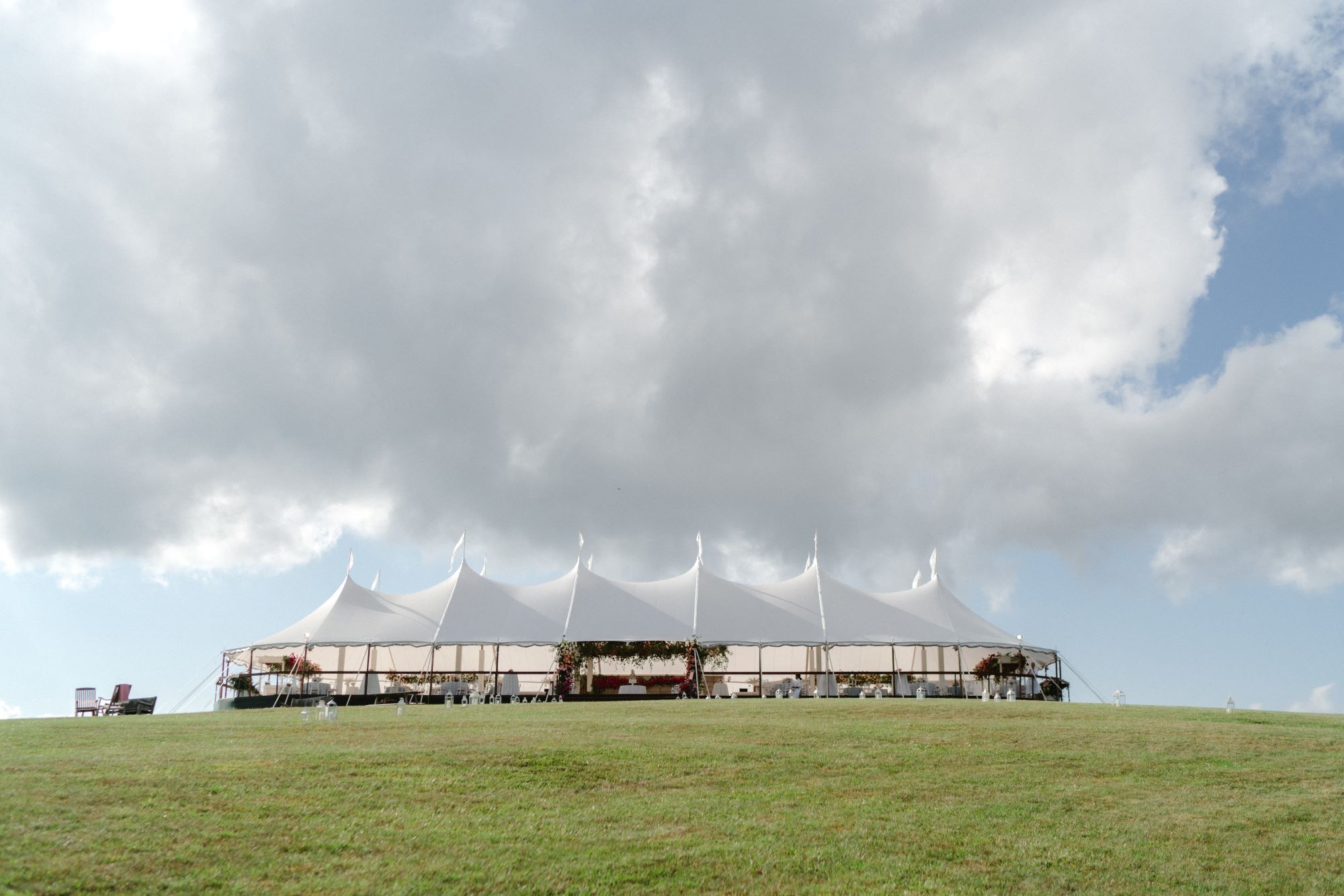
Permits, insurance, and safety requirements should be addressed early, especially for large tents, public events, commercial events, and venue-hosted gatherings. Requirements can vary by location, tent size, event type, and site conditions. Hosts should confirm responsibilities before signing the rental contract.
When Permits May Be Needed
Permits may be required for larger tents, public-site events, commercial events, city or park locations, or events with certain safety considerations. The exact requirements depend on the local authority, venue rules, and event details.
Do not assume a permit is unnecessary because the event is private. Some venues or municipalities may have specific requirements based on tent size, occupancy, installation duration, or use.
Ask the venue, municipality, and rental provider what permits may apply.
Insurance Documentation to Confirm
Many venues require vendors to provide insurance documentation. This may include a certificate of insurance, liability coverage, or naming the venue as an additional insured.
Before booking, confirm:
- What insurance the venue requires
- Whether the rental provider can supply documentation
- Whether additional insured language is needed
- Who must submit documentation
- Submission deadlines
- Any insurance requirements for other vendors
Insurance details should be resolved before installation week.
Fire and Safety Requirements
Tent events may be subject to fire and safety rules. These can include requirements for tent materials, exits, emergency pathways, open-flame restrictions, cooking equipment placement, and occupancy limits.
Common safety considerations include:
- Fire-retardant tent materials
- Clear exits
- Open-flame rules
- Emergency access routes
- Generator placement
- Cooking equipment separation
- Lighting and electrical safety
- Pathway visibility
- Storm response procedures
Requirements vary, so confirm with the venue, rental provider, and local authorities when needed.
Weather Safety Protocols
Raleigh summer weather can change quickly. A weather safety plan should identify what happens during high winds, lightning, heavy rain, or severe storms.
The plan should clarify:
- Who monitors weather
- Who makes event-modification decisions
- When sidewalls or accessories are added
- When guests are moved
- Where guests go if conditions become unsafe
- How vendors secure equipment
- How guests receive instructions
This plan should be established before the event begins, not during a storm.
Booking Timeline for Raleigh Summer Tent Rentals

Summer tent rentals in Raleigh should be booked early, especially for weekends, weddings, corporate events, festivals, and large outdoor celebrations. Early booking gives hosts more inventory options, more time for site review, and more flexibility to adjust the plan before event day.
When to Start the Tent Rental Process
For larger or peak-season events, begin the tent rental process several months in advance when possible. Specialty tents, large structures, tent accessories, and high-demand summer weekends can book quickly. Read more in Discover Raleigh’s Best Summer Tent Rentals for 2025 Events.
Smaller events may need less lead time, but early planning still improves availability and allows time for quote review, site confirmation, and accessory planning.
What to Confirm First
Before booking, confirm the foundational details that determine feasibility:
- Event date
- Venue location
- Estimated guest count
- Event type
- Tent use
- Installation surface
- Tent style preference
- Desired accessories
- Power needs
- Related rentals
- Delivery and pickup restrictions
These details allow the rental provider to recommend the correct tent category and installation approach.
When to Schedule a Site Visit
Schedule a site visit before finalizing the tent if the event is outdoors, residential, public, large-scale, or logistically complex. A site visit is also useful when the surface is unclear, access is limited, or the venue has strict installation rules.
The site visit should confirm tent placement, anchoring method, delivery route, slope, obstructions, and accessory needs.
When to Finalize Accessories
Accessories should be finalized after the tent type and site plan are confirmed. This includes sidewalls, flooring, lighting, cooling, gutters, covered entrances, and power needs. We cover this further in Top Flooring Options for Christmas Tent Rentals You’ll Love.
Do not wait until the final week to request important accessories. Weather-related items and specialty equipment may be limited during peak season.
Final Confirmation Before Event Week
Before event week, confirm all operational details:
- Delivery window
- Pickup window
- On-site contact
- Final layout
- Tent placement
- Weather plan
- Access route
- Venue rules
- Power plan
- Permit or insurance documentation
- Setup sequence
- Teardown responsibilities
A final confirmation reduces the risk of event-day confusion.
How Curated Events Supports Raleigh Tent Rental Planning
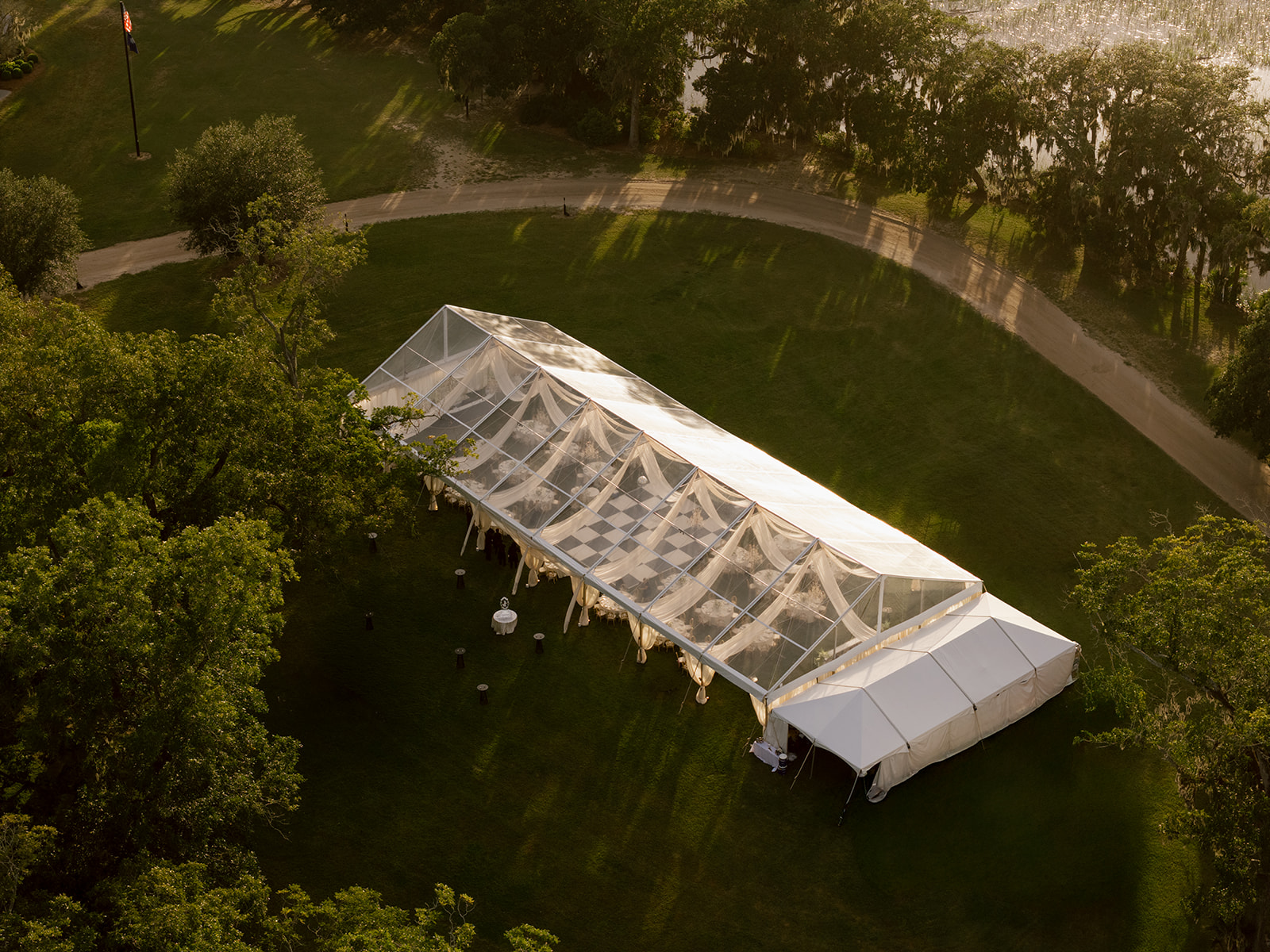
Curated Events can support tented Raleigh events by helping clients connect tent selection with site conditions, event format, rental accessories, and installation logistics. The right rental partner can help determine what is feasible, what accessories are needed, and how the tent fits into the broader event plan.
Tent Options for Different Event Environments
Different event environments require different tent solutions. A private lawn wedding, corporate reception, festival, exhibit, and temporary hospitality area may each need a different structure, installation method, and accessory plan.
Curated Events can help clients evaluate options such as frame tents, pole tents, sailcloth tents, structure tents, and other tenting solutions based on surface type, event use, site restrictions, and visual goals.
Site Visit and Feasibility Review
A feasibility review helps confirm whether the preferred tent can be installed where the client wants it. This includes reviewing placement, anchoring, access, slope, surface type, and accessory requirements.
A site visit can also help identify early issues with delivery access, utility locations, drainage, overhead obstructions, or venue restrictions.
Full-Service Rental Coordination
Tent planning often connects with other rental categories, including lighting, flooring, climate control, staging, furniture, bars, catering support, and event accessories.
Coordinating these details through one planning process can reduce communication gaps and make the event easier to install. It also helps ensure that major elements are sequenced correctly during setup.
Support for Weddings, Corporate Events, Festivals, and Temporary Spaces
Different event types require different tent infrastructure. Weddings may prioritize atmosphere, guest flow, and weather protection. Corporate events may need clear sightlines, branded areas, AV support, and reliable power. Festivals may require multiple zones, access control, and durable structures. Temporary spaces may need a more operational approach with lighting, flooring, HVAC, and clear service access.
Curated Events can help align the tent plan with the actual use case rather than treating every tented event the same way.
Operational Support From Quote to Install
A tented event requires coordination from the first quote through post-event pickup. Operational support may include reviewing the quote, confirming delivery access, planning installation timing, coordinating accessories, communicating setup needs, and clarifying pickup responsibilities.
This support helps reduce last-minute decisions and gives the event team a clearer execution plan.
Frequently Asked Questions
What type of tent is best for a paved venue in Raleigh?
Frame tents or structure tents are often considered for paved or hard-surface venues because they can provide open interior space and may allow installation methods suited to hard surfaces. However, the anchoring method must be confirmed by the rental provider. Some paved sites require weighted anchoring or specific venue approval.
Can a tent be installed on grass?
Yes, many tents can be installed on grass when the ground conditions are suitable and staking is allowed. Before installation, underground utilities, irrigation lines, drainage systems, and venue restrictions should be reviewed. The rental provider should confirm whether the selected tent and anchoring method work for the site.
Do I need a permit for a tented event in Raleigh?
Permit requirements depend on the event location, tent size, event type, duration, and local rules. Larger tents, public venues, city properties, commercial events, or events with specific safety requirements may require permits. Check with the venue, municipality, and rental provider early in the planning process.
What information do I need before requesting a tent quote?
Before requesting a tent quote, prepare the event date, location, estimated guest count, event type, surface type, desired tent use, access details, venue restrictions, photos, measurements, and related rental needs. Clear information helps the provider recommend the right tent and provide a more accurate quote.
What happens if the weather changes before the event?
Contact the rental provider as early as possible if the weather forecast changes. They may be able to review sidewalls, flooring, cooling, lighting, anchoring, or layout adjustments. Severe weather may require additional safety decisions, so the event team should have a weather response plan before event day. Get in touch with our Raleigh showroom to start your rental order.
Conclusion
Selecting the right tent rental for your Raleigh summer event maximizes guest comfort and ensures operational efficiency. A thorough understanding of site conditions, accessory needs, and safety requirements enhances not just the aesthetic appeal but also the event’s overall functionality. For a seamless planning experience, connect with our expert team today to explore tailored options that meet your specific needs. With the right partner, your outdoor event can be transformed into a memorable occasion for all. For more detail, see our article Tips for Selecting Tent and Furniture Rentals DMV Options.