
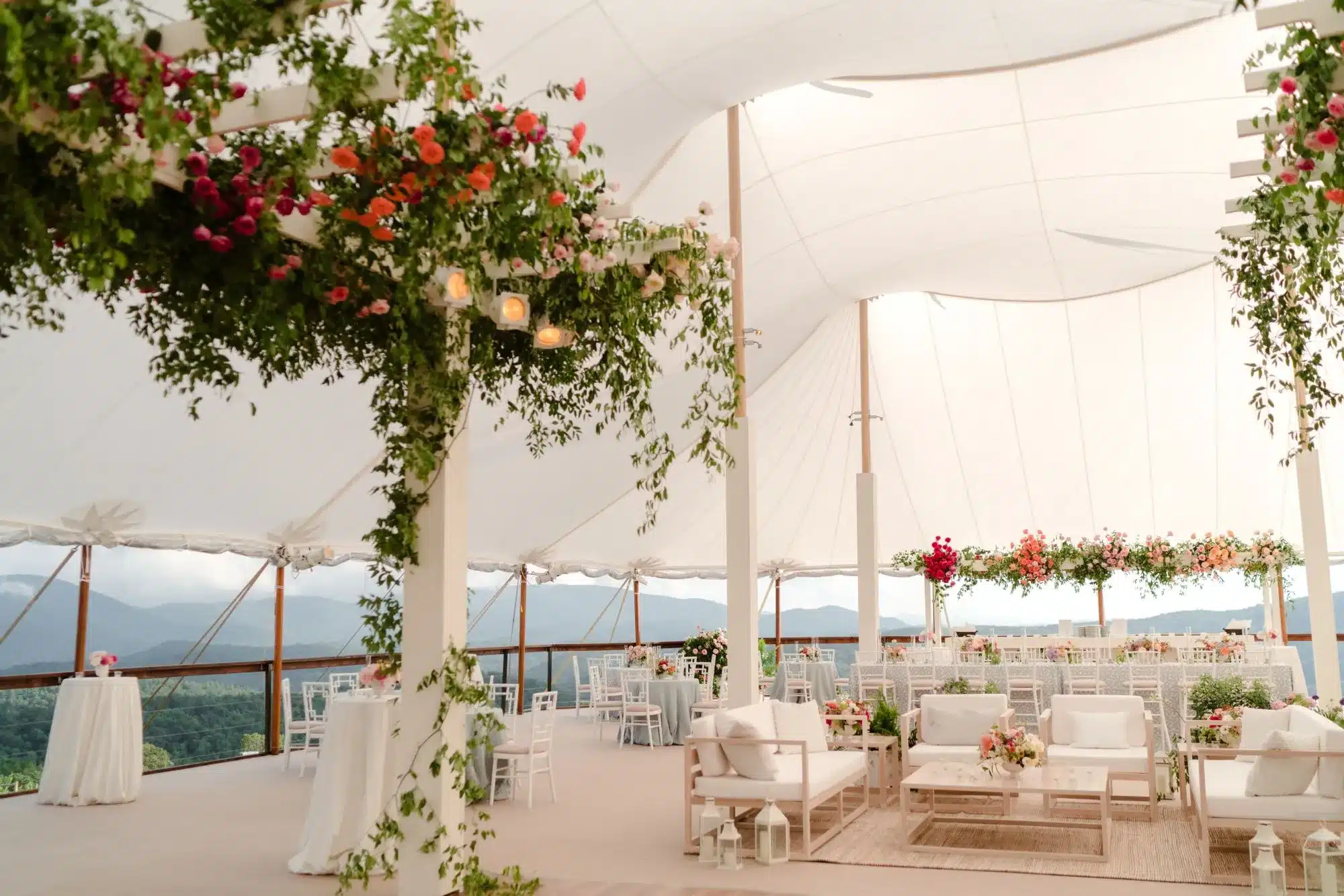
Spring events in Charlotte carry a distinct energy. The season brings blooming landscapes, longer evenings, and an openness that invites gatherings outdoors. Planning within this setting requires thoughtful coordination of venue, tenting, décor, seating, and logistics so the environment feels both polished and welcoming.
Every decision influences the guest experience. The structure of the tent shapes comfort and flow. Seasonal décor sets the visual tone. Seating arrangements guide conversation and movement. Weather preparedness protects the atmosphere you have worked to create. When these elements are aligned early, the result feels seamless and intentional.
This guide offers practical insight into selecting tents, designing seasonal décor, planning seating layouts, and managing logistics with confidence. With careful preparation and the right rental partner, your spring event in Charlotte can unfold with clarity, comfort, and refined execution.
Which Tents Are Best Suited for Spring Events in Charlotte?
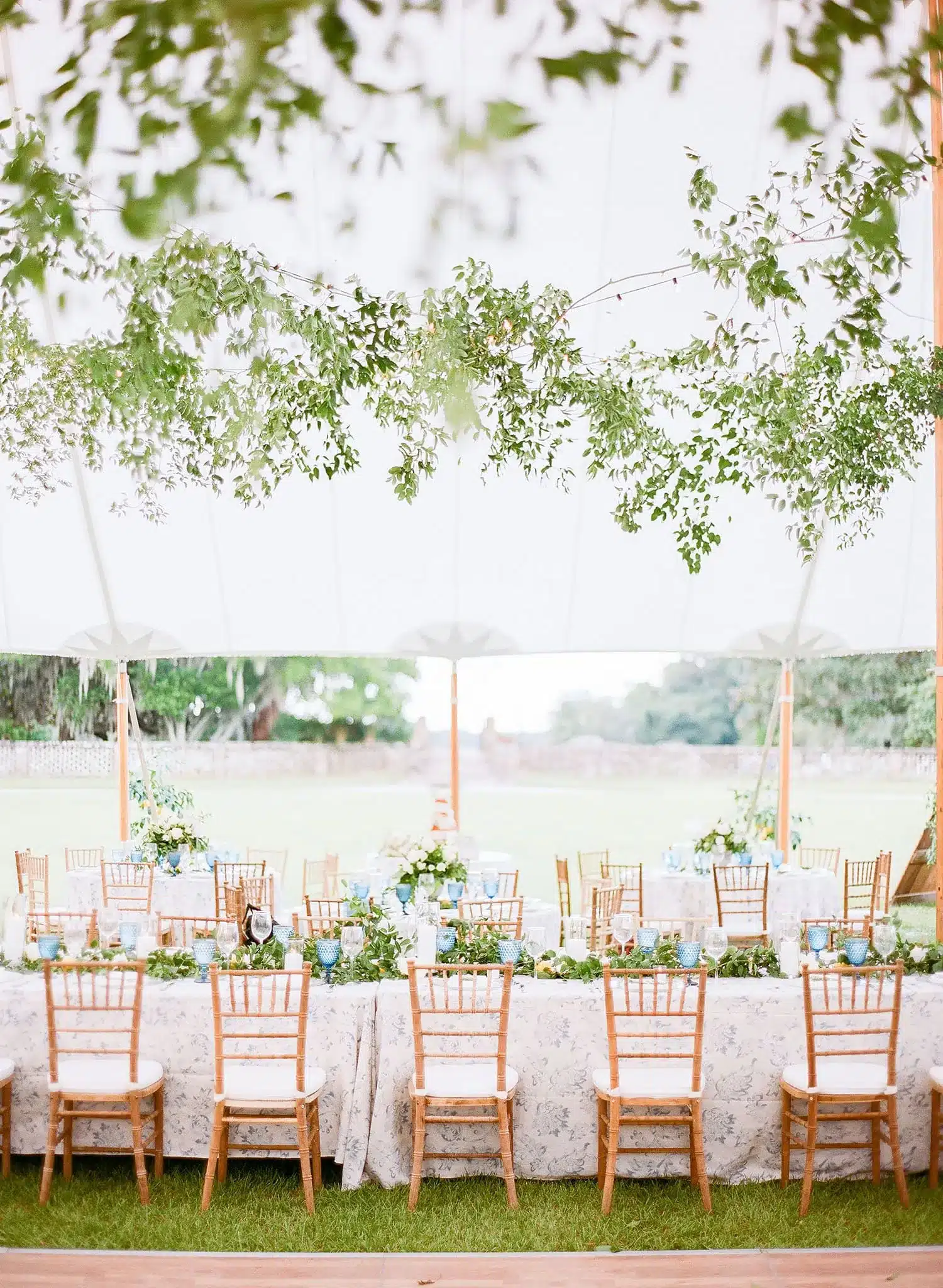
Tenting defines the structure, scale, and atmosphere of a spring event. In Charlotte’s unpredictable season, the right tent provides protection from shifting weather while maintaining an open, elegant setting that complements the landscape.
Curated Events offers a range of tenting solutions designed to support both aesthetics and functionality, including frame tents, pole tents, and clearspan structures. Each style brings distinct advantages depending on your venue, guest count, and overall design direction.
Frame tents provide a clean, open interior without center poles, making them ideal for structured layouts, dining configurations, and dance floors. Pole tents create a classic silhouette with sweeping peaks that feel at home on lawns and private estates. Clearspan structures accommodate larger guest counts and more complex installations, offering expansive interiors suitable for flooring, staging, and integrated lighting.
Site conditions play an important role in tent selection. Lawn installations, paved surfaces, and mixed terrains each require specific anchoring approaches. Early coordination with your venue ensures proper placement, access, and compliance with local guidelines, allowing installation to proceed smoothly and safely.
What Tent Materials and Sizes Optimize Comfort and Weather Protection?
High-quality tent fabric supports both comfort and presentation. Curated Events’ tenting systems utilize durable, weather-resistant materials engineered to withstand wind and rain while maintaining a refined appearance throughout the event.
Sizing should reflect your guest experience goals as well as attendance. For seated dinners, planning approximately 10 to 12 square feet per guest provides adequate space for tables, service aisles, and circulation. Lounge areas, bars, and staging elements may require additional square footage to maintain a balanced layout.
Sidewall options offer flexibility as conditions shift. Solid panels provide wind protection and privacy, while clear panels preserve natural light and garden views during daytime events. Optional climate control elements such as fans or heating units help maintain comfort as temperatures fluctuate.
Professional tent providers also account for structural ratings, safety certifications, and ongoing maintenance standards, ensuring the installation meets local requirements and performance expectations for the season.
How to Select Modular Tent Systems for Hybrid Indoor-Outdoor Setups
Modular tent systems allow spring events to flow naturally between indoor venues and outdoor extensions. These adaptable structures can expand or contract based on guest count, layout needs, and event programming.
For hybrid events, thoughtful transition points encourage movement without congestion. Covered entryways, defined lounge areas, and designated service corridors support both guest comfort and operational efficiency. Modular systems can incorporate flooring, draping, lighting installations, and climate control to create a fully integrated environment.
Clear roof panels introduce daylight while preserving shelter. Removable sidewalls allow the space to open as temperatures shift. Strategic attachment points for lighting and décor ensure the tent feels like a seamless extension of the venue rather than a temporary structure.
With careful planning and experienced installation, tenting becomes an architectural feature that frames the event beautifully while protecting every detail within it.
What Are the Top Seasonal Décor Ideas for Spring Celebrations in Charlotte?

Spring in Charlotte brings natural color, soft light, and a sense of renewal that lends itself beautifully to event design. Seasonal décor should reflect that freshness while remaining refined and cohesive. Thoughtfully curated floral arrangements, layered table settings, and subtle nature-inspired accents create an atmosphere that feels vibrant yet balanced.
Florals often serve as the visual focal point. Arrangements that highlight seasonal blooms introduce movement and organic texture throughout the space. Complement these with carefully selected linens, charger plates, and glassware that echo the palette without overpowering it. When décor elements are repeated intentionally, the event environment feels unified from entry to exit.
Lighting enhances the seasonal aesthetic as the day transitions into evening. Warm uplighting softens tent interiors, bistro lighting adds charm to outdoor settings, and focused pin-spot lighting draws attention to centerpieces and key installations. Pairing lighting with lightweight textiles such as airy linens and textured napkins introduces depth while preserving the openness associated with spring.
Signage and wayfinding should align visually with the overall motif. Clear typography and coordinated materials ensure guests move comfortably through the space while reinforcing the design language.
Which Floral and Color Schemes Enhance Spring Event Ambiance?
Spring palettes often begin with soft tones that evoke clarity and calm. Blush, lavender, pale blue, and muted greens create a foundation that feels light and welcoming. Introducing one stronger accent color adds energy and contrast without overwhelming the design.
Peonies, hydrangeas, tulips, and ranunculus offer texture and visual richness, especially when layered with greenery such as eucalyptus or seeded foliage. Combining blooms with varied heights and natural movement keeps arrangements dynamic and elegant.
Establishing a primary, secondary, and accent color allows linens, signage, and floral selections to align seamlessly. Texture plays an equally important role. Incorporating woven elements, natural wood tones, or subtle metallic accents prevents the palette from feeling flat.
For impact within a controlled budget, concentrate floral investment on one or two signature installations such as an entry feature or focal backdrop. Streamlined table arrangements can then echo the same tones and textures, maintaining cohesion while preserving balance across the space.
How to Choose Outdoor Event Seating Options and Layouts in Charlotte

Outdoor seating should reflect both the tone of the event and the comfort of your guests. Charlotte’s spring settings often invite a blend of relaxed elegance and structured design, making varied seating styles an effective approach. Lounge groupings, banquet tables, and casual arrangements can work together to create a layered environment that feels welcoming and intentional.
Begin by considering how guests will interact with the space. Lounge seating positioned near the bar naturally encourages conversation, while dining tables arranged with clear views of a stage or dance floor maintain engagement during key moments. Alternating table sizes introduces intimacy without sacrificing overall capacity, allowing smaller groups to gather comfortably within a larger event footprint.
Weather awareness remains important for outdoor seating. Selecting materials suited to open-air conditions and preparing protective solutions for upholstered pieces preserves both comfort and presentation throughout the event.
What Seating Capacities and Styles Suit Different Event Types?
Seating style should align with the purpose and atmosphere of the event. Formal dinners benefit from round tables dressed in refined linens and paired with elevated chair styles such as Chiavari or resin options. Social gatherings and cocktail-style receptions often feel well balanced with lounge clusters and high-top tables that support movement.
For larger guest counts, efficient chair styles allow capacity without compromising visual appeal. Modular lounge pieces offer flexibility for social zones and can be reconfigured as needed. When planning capacity, include generous space for service aisles, accessibility, and staging to ensure comfort remains consistent across the layout.
Documenting seating placement within your floor plan helps maintain clarity for both vendors and event staff, supporting smooth guest flow and organized service.
How to Design Functional and Comfortable Seating Arrangements
A successful seating plan blends accessibility with visual harmony. Clear pathways allow guests and staff to circulate comfortably, while appropriate spacing between tables enhances ease and conversation. Cushions, throws, or upholstered elements add comfort and soften the overall presentation.
Sightlines influence the experience during ceremonies and presentations. Slightly elevating a stage and arranging seating in subtle arcs can improve visibility while preserving openness. For plated service, ensure adequate spacing between tables so staff can move efficiently. Buffet layouts benefit from a directional flow that guides guests naturally from start to finish.
Thoughtful seating placement supports both the operational rhythm of the event and the comfort of every guest, creating an atmosphere that feels organized, welcoming, and composed.
How to Manage Event Logistics Effectively in Charlotte’s Spring Weather
Spring in Charlotte brings beauty along with variability. Clear skies can shift to rain within hours, and temperature swings are common from afternoon to evening. Strong logistics planning protects the atmosphere you have created and allows the event to unfold with confidence.
Begin with a comprehensive event-day timeline that outlines delivery windows, installation phases, vendor access periods, and a final readiness review before guests arrive. Sharing this timeline with every vendor establishes alignment and clarity. Designating a single onsite lead ensures decisions move efficiently and communication remains streamlined throughout setup.
Including buffer time within the schedule supports calm execution. Tent installation, flooring placement, lighting, and audiovisual rigging each require precision, and additional time allows crews to adapt smoothly if conditions shift. Confirming staging areas for deliveries prevents congestion and keeps access points clear for both vendors and emergency pathways.
Thoughtful preparation reduces stress and preserves the guest experience, even when weather patterns change.
What Are Key Considerations for Weather-Related Contingency Planning?
A well-developed contingency plan brings reassurance to both hosts and vendors. Consider likely weather scenarios and prepare adaptable solutions in advance. Additional tent coverage, sidewalls, or access to an indoor backup space can maintain continuity if rain appears.
Guest communication also plays an important role. Sharing guidance on attire or footwear in advance sets expectations and enhances comfort. Preparing brief updates for text or email ensures guests remain informed if adjustments are required on the day of the event.
Power capacity should be reviewed carefully when heating or cooling equipment is incorporated. Confirming generator access, fuel planning, and safe placement protects both comfort and compliance. Reviewing vendor policies and insurance coverage further strengthens preparedness and supports informed decision-making.
When contingency planning is addressed early, weather becomes a manageable variable rather than a disruption.
How Does Curated Events Coordinate Seamless Rental Delivery and Setup?
Curated Events approaches spring event logistics with structured planning and experienced oversight. The process begins with a detailed consultation that defines scope, layout, and design requirements. A comprehensive proposal outlines rental selections and installation considerations so expectations are aligned well before event week.
Prior to installation, the team confirms access routes, staging points, venue guidelines, and sequencing with all relevant partners. On event day, professional crews manage delivery, placement, and final styling according to the approved layout plan. Coordination with catering and audiovisual teams ensures installations occur in an efficient order that supports both design and function.
With organized scheduling and attentive execution, Curated Events allows planners and hosts to focus on the celebration itself, confident that infrastructure and presentation are handled with care and precision.
What Rental Checklist and Budgeting Tips Ensure Successful Spring Events?
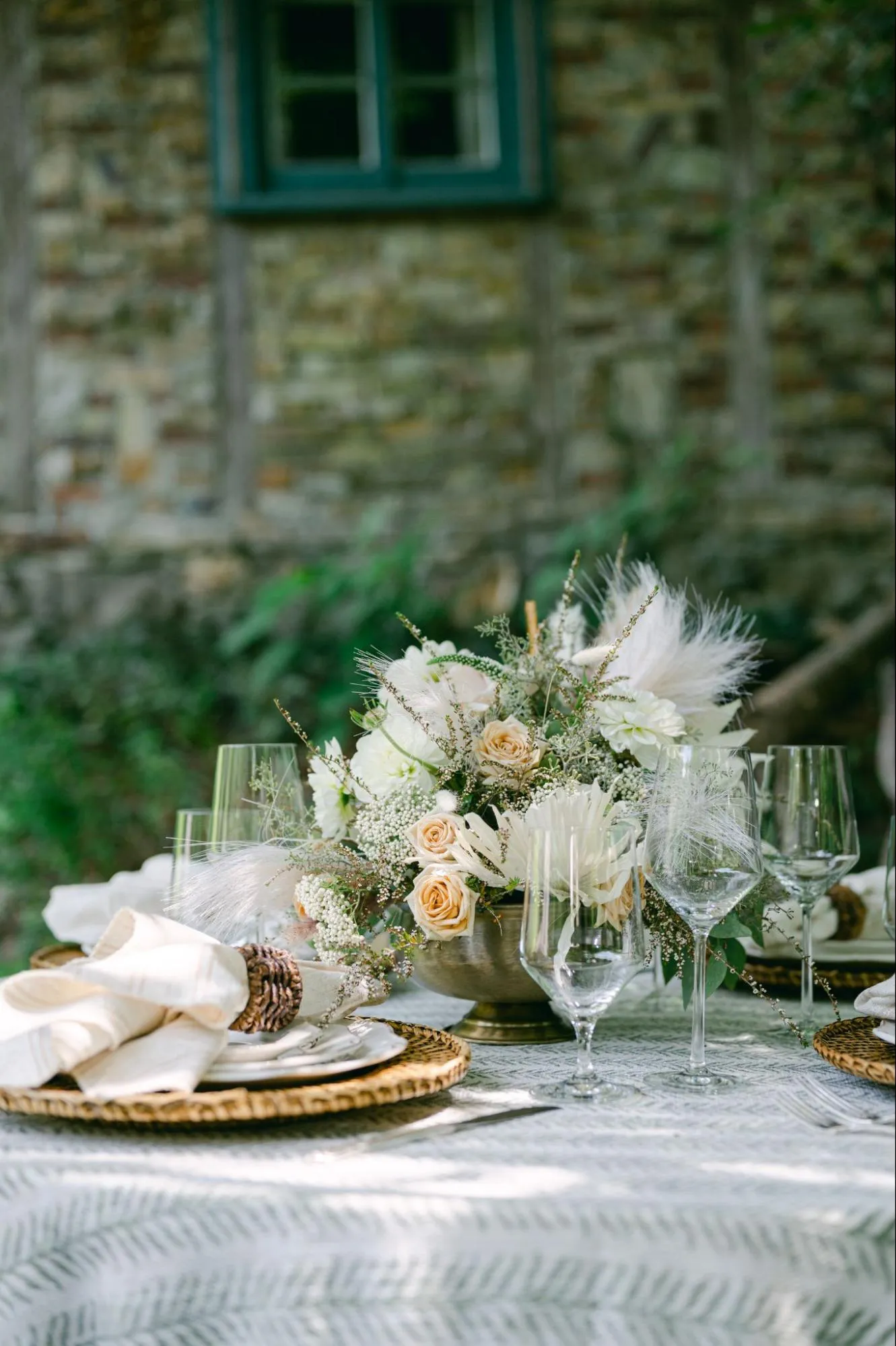
A structured rental checklist and a clearly defined budget create confidence during planning and clarity during execution. Spring events often involve layered infrastructure and décor elements, so documenting each category early helps prevent omissions and last-minute additions.
An effective checklist should reflect both foundational needs and design priorities. Reviewing each item in advance strengthens vendor conversations and supports accurate proposals.
Core Rental Checklist
- Tents and Accessories: Tent style, sidewalls, flooring, anchoring methods, lighting trusses, and weather protection elements.
- Seating: Chair styles and quantities, lounge pieces, cushions, and placement diagrams.
- Tables and Linens: Table sizes and counts, cocktail tables, specialty linens, and protective coverings for outdoor use.
- Lighting: Ambient, accent, and task lighting with confirmed power sources and rigging plans.
- Climate Control: Fans, heaters, or HVAC systems with fuel and power planning.
- Audiovisual and Staging: Sound equipment, screens, microphones, staging platforms, and layout coordination.
- Restrooms and Sanitation: Portable facilities, hand-washing stations, and service schedules when required.
- Catering Equipment: Buffet tables, warming units, glassware, service pieces, and waste management solutions.
- Décor and Installations: Centerpieces, signage, entry features, and focal décor elements.
- Logistics and Labor: Delivery schedules, installation windows, onsite support, and storage needs.
- Permits and Documentation: Venue approvals, municipal permits, and vendor insurance certificates.
A comprehensive checklist protects design integrity while supporting operational efficiency.
How to Prioritize Essential Rentals for Different Event Scales
Prioritization begins with guest count and event complexity. For intimate gatherings, focus on elevated essentials such as refined seating, quality linens, and one or two impactful design features that define the atmosphere. Thoughtful details carry significant visual weight in smaller settings.
For mid-size and large-scale events, infrastructure requires early attention. Tents, flooring, climate control, and restroom capacity influence both safety and comfort. Once these foundational elements are secured, attention can shift to lighting, staging, and decorative layers that enhance the overall experience.
Early reservation protects availability and allows flexibility as guest counts evolve.
What Budgeting Strategies Optimize Value Without Compromising Quality?
A balanced budget reflects strategic allocation rather than uniform spending. Identify high-visibility areas that shape guest perception, such as entry installations, seating quality, or lighting design, and direct investment accordingly. Supporting elements can remain streamlined while maintaining cohesion.
Request transparent, itemized proposals so adjustments can be made thoughtfully. Bundled packages across multiple rental categories often provide efficiencies and simplify coordination. Maintaining a contingency reserve of five to ten percent accommodates adjustments without disrupting the overall plan.
Regular budget reviews throughout the planning timeline ensure that design decisions remain aligned with financial expectations, allowing the event to feel elevated and carefully considered.
What Makes Curated Events a Trusted Partner in Charlotte?
Curated Events has earned a strong reputation in Charlotte through a combination of refined inventory, experienced coordination, and consistent execution. Their tenting solutions, seating collections, tabletop selections, and seasonal décor offerings are maintained to high presentation standards and selected with design cohesion in mind.
Local experience plays an important role in successful spring events. Familiarity with Charlotte venues, permitting processes, seasonal weather patterns, and installation logistics allows the team to anticipate challenges and plan proactively. Clients benefit from structured timelines, attentive service, and a collaborative planning approach that supports both creative vision and operational precision.
From initial consultation through installation and final styling, Curated Events delivers dependable support that allows planners and hosts to focus on the guest experience with confidence.
How to Evaluate Rental Service Providers for Quality and Expertise
Selecting the right rental partner requires careful evaluation. Begin by assessing the condition and range of inventory. Well-maintained tents, seating, and décor reflect a company’s commitment to quality and detail.
Review testimonials and recent event imagery to understand consistency and scale of execution. Ask how frequently the provider services your chosen venue and whether they offer onsite staff during installation and event hours. Inquire about coordination practices, contingency planning, and communication protocols to ensure expectations are clearly defined.
Questions about installation sequencing, venue access requirements, and staffing support reveal the depth of operational experience. Clear, detailed responses indicate a partner who values preparation and professionalism.
A thorough assessment helps identify a rental provider whose capabilities, service standards, and planning style align with your event goals.
Frequently Asked Questions
What Are the Best Practices for Managing Event Logistics in Unpredictable Spring Weather?
Effective logistics begin with proactive planning. Monitor forecasts in the weeks leading up to the event and confirm contingency measures such as additional tent coverage, sidewalls, or access to an indoor backup space. Coordinate closely with rental partners and vendors so installation timing and equipment needs remain aligned. Clear communication with guests regarding attire or potential weather adjustments supports comfort and confidence on the event day.
What Are Some Tips for Creating a Cohesive Theme for My Spring Event?
A cohesive theme begins with a defined color palette and a guiding motif. Choose a primary tone supported by complementary accents, then carry those selections through linens, florals, signage, and lighting. Repetition of key materials or textures reinforces unity and ensures each design element contributes to the same visual narrative.
How Can I Effectively Communicate With My Rental Service Provider?
Clear, structured communication strengthens the planning process. Provide a concise brief outlining venue details, guest count, layout preferences, and logistical considerations. Schedule milestone check-ins as the event approaches and designate a primary contact for approvals and updates. Consistent communication supports alignment and smooth execution.
What Are the Advantages of Using Modular Tent Systems for Events?
Modular tent systems provide flexibility in layout and scale. They adapt to changing guest counts, accommodate varied site conditions, and integrate with lighting, flooring, and climate control solutions. Their adaptability supports both aesthetic continuity and guest comfort throughout the season.
What Should I Consider When Choosing Seating Arrangements for My Event?
Seating should reflect the tone of the gathering and the comfort of your guests. Formal events often benefit from round tables paired with refined chairs and tailored linens. Social or casual events may incorporate lounge groupings or communal tables to encourage interaction. Layout planning should prioritize movement, accessibility, and clear sightlines while maintaining a balanced, inviting atmosphere.
Conclusion
Spring events in Charlotte thrive on thoughtful preparation and intentional design. From selecting the right tent structure to curating seasonal décor and planning for weather variability, each decision shapes the overall experience.
With strategic planning and a trusted rental partner, your event can feel polished, cohesive, and confidently executed. Curated Events offers consultative guidance, refined inventory, and experienced coordination to support seamless spring celebrations throughout Charlotte.
Applying the planning strategies outlined here allows you to secure essential infrastructure early, align vendors efficiently, and focus on creating an atmosphere your guests will remember long after the season has passed.