

The right dance floor size can transform your event from good to unforgettable. Too small, and guests feel crowded; too large, and the atmosphere falls flat. By using proven guidelines based on guest count and factoring in event type, music style, and venue layout, you can create a dance floor that feels inviting and energetic. This guide breaks down how to calculate the perfect size, offers recommendations by guest count, and shares placement tips to keep your celebration flowing smoothly.
Key Takeaways
- About 30–40% of guests usually dance at once.
- Multiply dancing guests by 4–5 sq. ft. to find the right size.
- A floor that’s too small feels crowded; too large feels empty.
- Weddings and high-energy parties may need extra space.
- Placement matters: keep the floor central, visible, and accessible.
- Proper sizing creates comfort, energy, and guest engagement.
Why Does the Size of Your Dance Floor Truly Matter for Event Success?
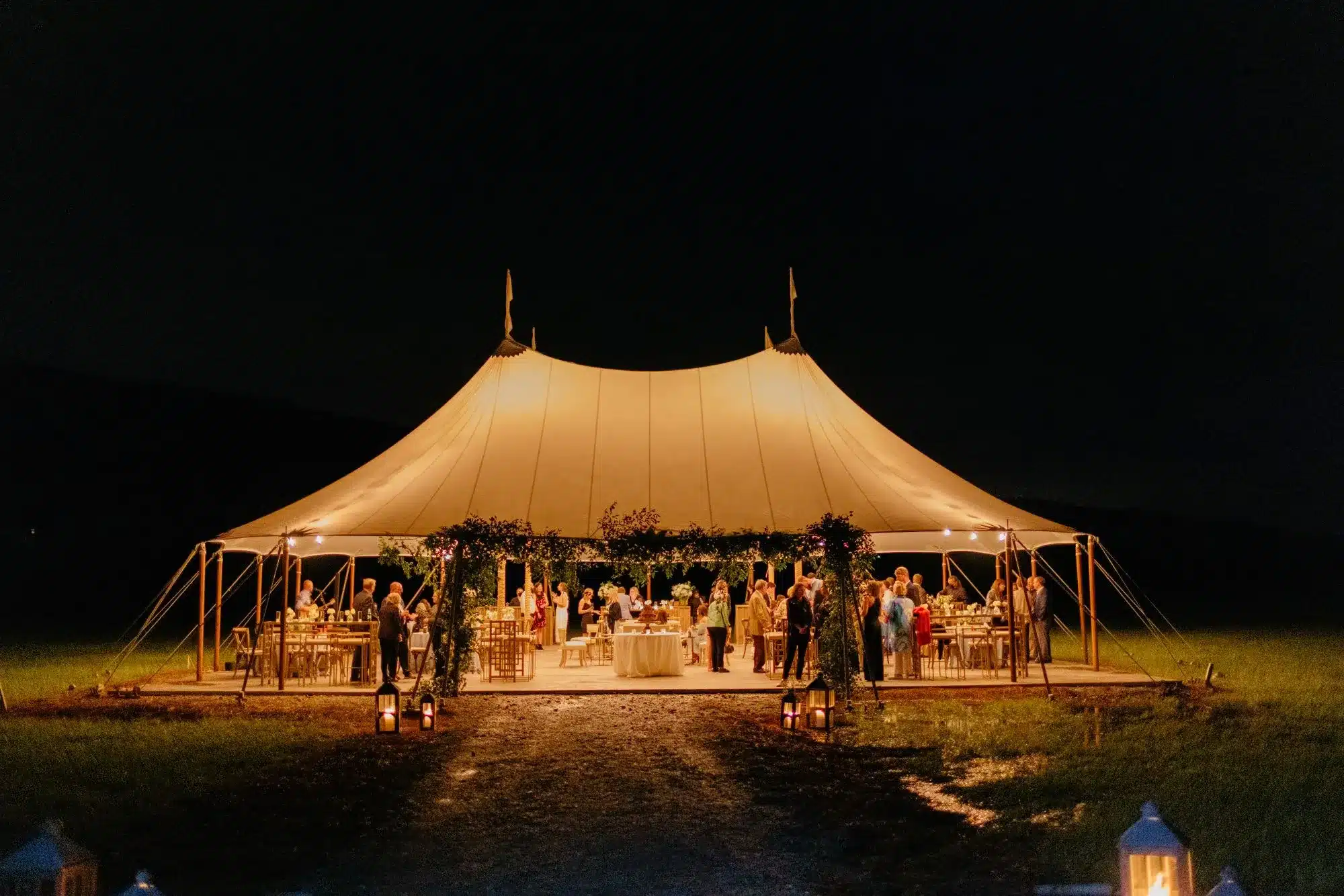
The correct dance floor dimensions directly impact your guests’ comfort and the overall energy of your party by striking the perfect balance between personal space and crowd dynamics. A dance floor that’s appropriately sized encourages fluid movement, inspires participation, and maintains a lively atmosphere throughout your entire event. Understanding this fundamental principle will help you sidestep common planning mistakes and maximize everyone’s enjoyment.
What Happens If Your Dance Floor Is Either Too Small or Too Large?
A dance floor that’s too small will inevitably lead to guests feeling cramped, which can hinder their ability to move freely and discourage them from dancing altogether. Conversely, an oversized dance floor can create empty, uninviting spaces that diminish the party’s energy and make dancing feel less intimate. Finding that sweet spot prevents awkward bottlenecks or vast, unused areas, ensuring every single guest feels welcomed and encouraged to join the fun.
How Does Dance Floor Size Influence the Guest Experience and Event Atmosphere?
The amount of floor space available significantly shapes the event’s overall mood and how your guests interact with each other. Ample space invites confident dancing and fosters natural social connections, whereas a cramped environment restricts fluid movement and can dampen enthusiasm. By optimizing the square footage, you can cultivate a vibrant ambiance that seamlessly transitions between dining, mingling, and entertainment segments of your event.
What Percentage of Guests Typically Hit the Dance Floor at Events?
As a general rule of thumb, you can expect around 30–40 percent of your attendees to be dancing at any given time, though this can fluctuate based on the event’s style and the music’s energy. This participation rate is a crucial guide for your square footage calculations, helping you translate overall guest numbers into realistic dance floor dimensions that sustain the party’s momentum from the opening track to the very last song.
What Happens If the Dance Floor Size Is Wrong?
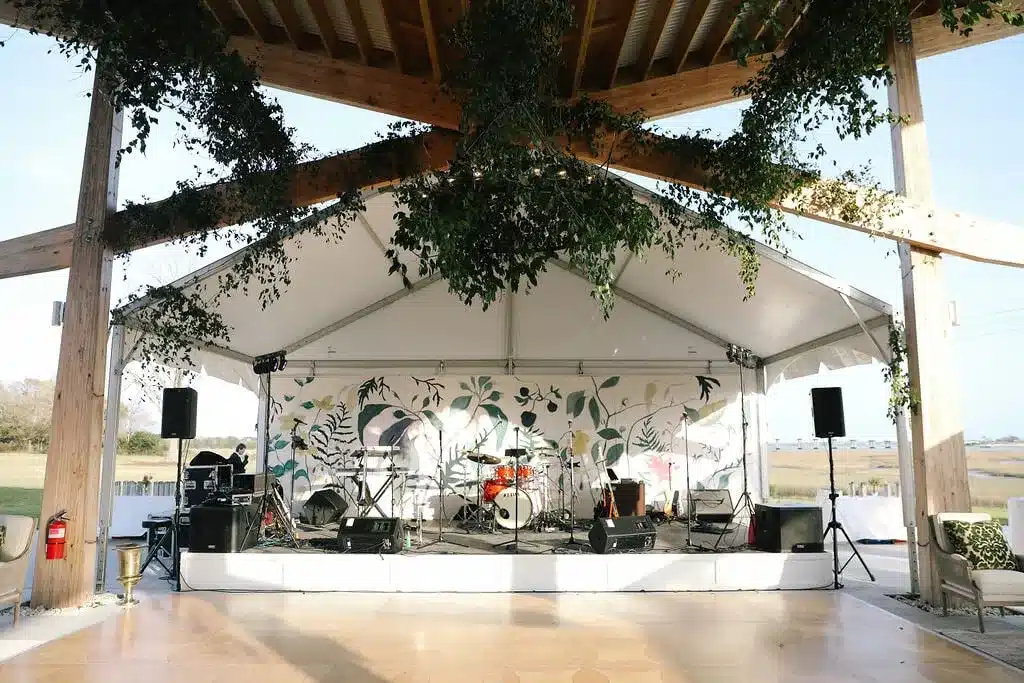
Choosing the wrong dance floor size can directly affect the energy and flow of your event. A floor that doesn’t match your guest count leads to either overcrowding or empty space, both of which can discourage participation. Striking the right balance is key to creating a lively, welcoming atmosphere.
Too Small: Crowded and Discouraging Movement
A dance floor that’s undersized can quickly become packed, making it uncomfortable for guests to move freely. When dancers feel restricted, they’re less likely to stay on the floor, and others may avoid joining altogether. Overcrowding also creates bottlenecks that disrupt the natural flow of the event, leaving some guests sidelined instead of part of the celebration.
Too Large: Empty Feel and Lowered Energy
An oversized dance floor can have the opposite problem—it feels vacant and uninviting. When guests are spread too far apart, the energy of the group is diluted, and the floor may appear underused even if people are dancing. This sense of emptiness can make it harder to sustain excitement, leaving the party atmosphere feeling flat instead of vibrant.
How Many Guests Usually Dance?
Not every guest will spend the entire evening on the dance floor, but understanding typical participation helps you size it correctly. Knowing how many people are likely to be dancing at the same time ensures that the floor feels lively without becoming overcrowded.
The General Rule: 30–40% of Guests
At most events, around 30–40% of attendees can be expected to dance at any given time. For example, at a wedding with 150 guests, you can anticipate about 45–60 dancers on the floor during peak moments. This percentage serves as a reliable baseline when calculating your dance floor size.
How Music and Event Style Influence Participation
While 30–40% is the average, the actual number can vary depending on the event and entertainment. A high-energy wedding reception or a party with a popular live band may see closer to 50% of guests dancing. More formal gatherings, such as corporate events or galas, may have fewer people on the floor at once. Adjusting your calculations for the type of event will help ensure the right fit.
The Standard Formula for Dance Floor Size
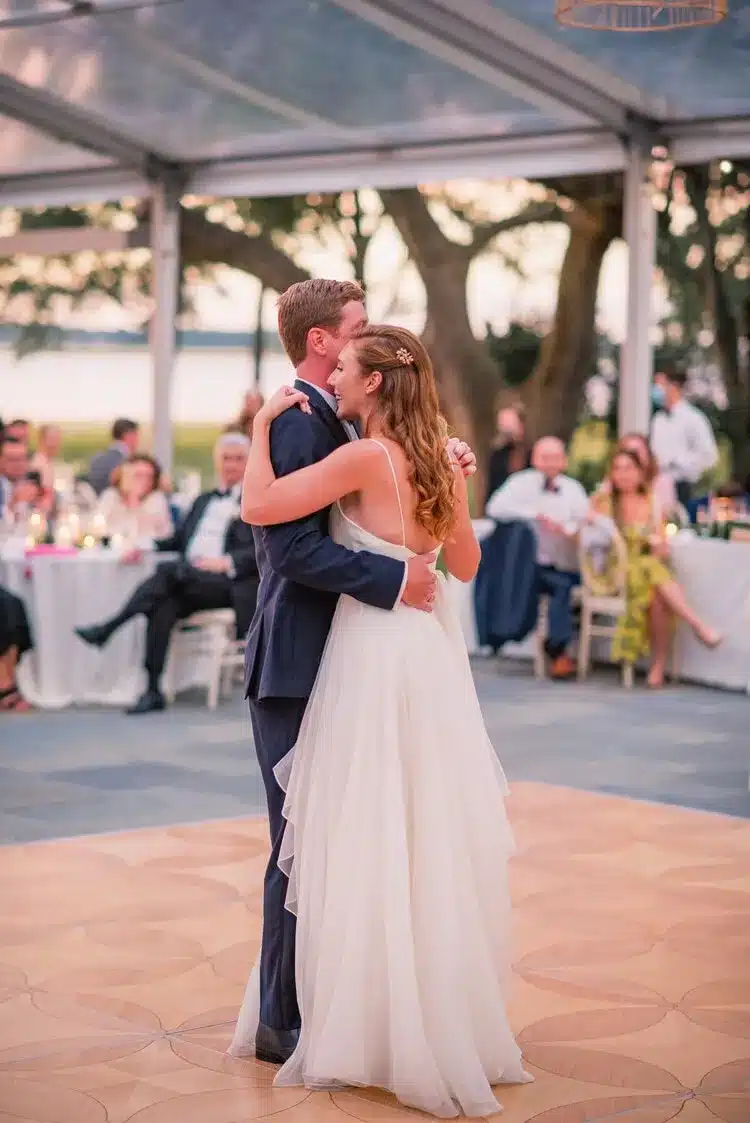
Calculating the right size doesn’t have to be complicated. By applying an industry-tested formula, you can quickly determine the square footage needed to keep guests comfortable and the dance floor inviting.
The Industry Guideline: 4–5 Square Feet Per Dancer
The standard recommendation is to allow 4–5 square feet per person on the dance floor. This gives each guest enough room to move freely without creating unnecessary empty space.
Step-by-Step Calculation
To calculate the ideal size:
- Estimate the number of guests likely to dance (usually 30–40% of total attendance).
- Multiply that number by 4–5 square feet.
- The result is the recommended total dance floor area.
Example: For an event with 200 guests:
- Estimate 30% will dance at once → 60 dancers.
- Multiply 60 × 4–5 sq. ft. = 240–300 sq. ft. dance floor needed.
This simple formula ensures that your space feels vibrant and balanced, no matter the guest count.
Dance Floor Size by Guest Count
Using the standard formula makes it easier to translate guest numbers into practical dance floor dimensions. Below are recommended sizes for different event sizes, with calculations based on the assumption that 30–40% of guests will be dancing at the same time.
*Dimensions are approximate and may vary depending on floor configuration.
50 Guests
For smaller gatherings, such as intimate weddings or private parties, a compact dance floor around 10′ × 10′ to 12′ × 12′ provides just enough space for 15–20 guests to dance comfortably without overwhelming the venue.
100 Guests
At mid-sized events, expect 30–40 dancers at once. A floor around 12′ × 15′ to 15′ × 15′ ensures the space feels energetic while keeping dancers close enough to feed off the crowd’s energy.
150 Guests
Larger weddings or parties typically need a floor in the 15′ × 20′ to 18′ × 18′ range, accommodating up to 60 dancers at peak times. This balance maintains flow without crowding.
200 Guests
For 200 attendees, the ideal dance floor is around 20′ × 20′ or 20′ × 22′, giving 60–80 guests enough space to move freely while keeping the atmosphere lively.
250+ Guests
Big celebrations with 250+ people require a more expansive floor, such as 22′ × 22′ or larger, to support up to 100 dancers comfortably. For events of this scale, professional guidance is often helpful to match the dance floor size with venue layout.
Other Factors That Influence Dance Floor Size
While guest count is the most important factor, it’s not the only one. The type of event, the style of music, and the venue layout can all influence how much dance floor space you need. Considering these elements will help fine-tune your calculations and create the best experience for your guests.
Type of Event
Different types of events encourage different levels of participation. Weddings and milestone celebrations typically see higher dance floor activity, often closer to 40–50% of guests at once. More formal events, such as corporate dinners or fundraising galas, may have fewer dancers, meaning you can plan for the lower end of the formula.
Style of Music and Entertainment
The entertainment you choose has a big impact on how many people dance. A live band or energetic DJ often draws more guests to the floor, while background music or softer styles may keep participation lower. If you’re planning a high-energy playlist, consider sizing the floor slightly larger to accommodate more dancers.
Venue Layout and Seating Arrangements
The position of the dance floor within your venue affects how inviting it feels. A centrally located floor draws more guests, while one placed off to the side may see less activity. Seating arrangements also matter — placing tables too close can restrict movement, while giving clear access encourages participation.
Placement Tips for the Dance Floor
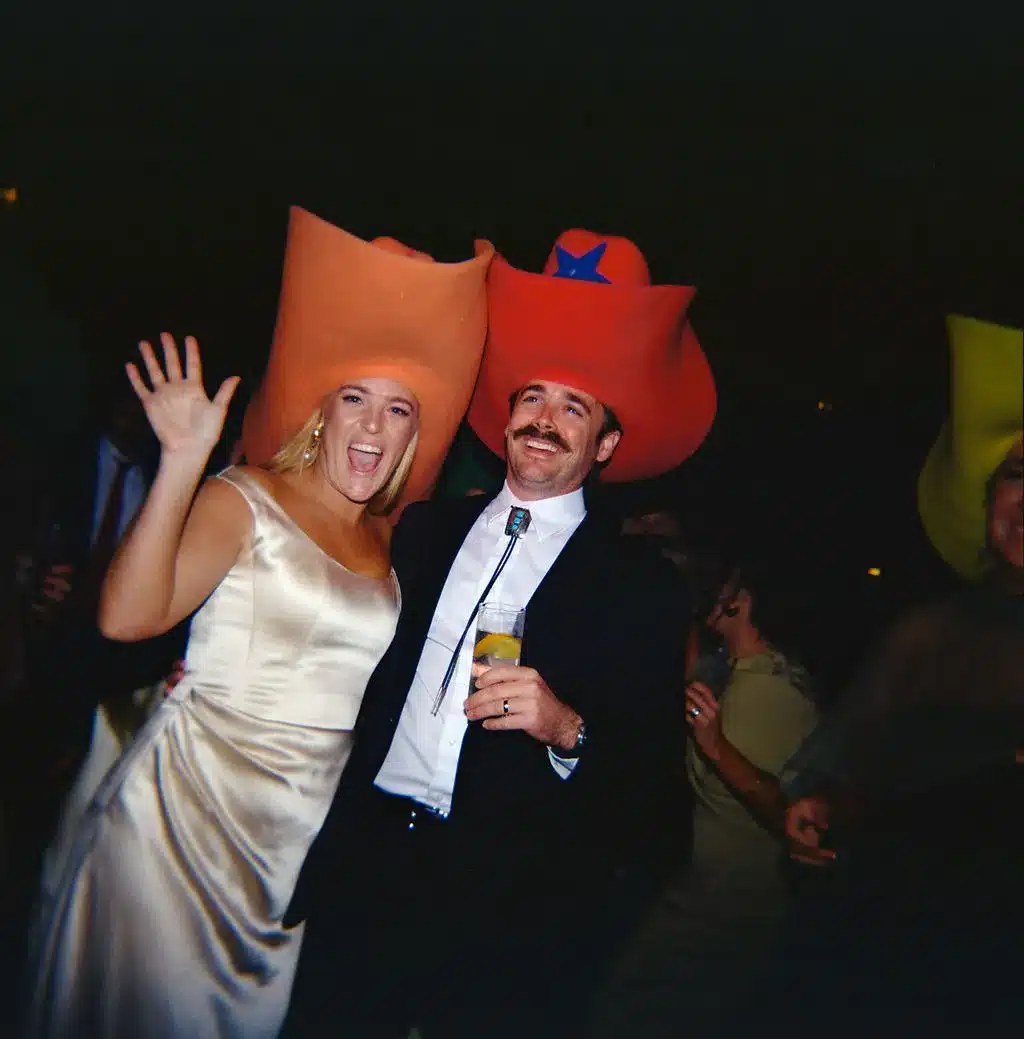
Even with the right size, the placement of your dance floor can make or break guest participation. A well-placed floor feels natural and inviting, while a poorly positioned one can go unnoticed or feel disconnected from the event.
Central Location Works Best
Positioning the dance floor at the heart of your event space makes it a focal point. Guests are more likely to join in when the floor is highly visible and connected to the main activity areas, such as the dining space and stage.
Ensure Visibility and Accessibility
Keep sightlines clear so guests can see the dance floor from their tables. Easy access is equally important — pathways should be open and free of obstructions, so moving between dining, mingling, and dancing feels seamless.
Balance With Seating and Other Features
The dance floor should complement, not compete with, the rest of your layout. Avoid pushing it too far to the side, and be mindful of proximity to bars, stages, or lounges. A balanced setup encourages a steady flow of energy and ensures the floor is consistently used.
Conclusion
Sizing your dance floor correctly is one of the most important details for creating a lively, successful event. By applying the standard formula, adjusting for event style, and positioning the floor in the right location, you can ensure that guests feel comfortable and inspired to join in. Whether your celebration is intimate or grand, the right dance floor keeps the energy flowing and the memories lasting. For expert guidance and tailored rental options, Curated Events offers dance floor solutions designed to match your guest count and venue perfectly.
Frequently Asked Questions
How do I calculate the right dance floor size?
Start by estimating that 30–40% of your guests will be dancing at once. Multiply that number by 4–5 square feet per person to get the total square footage needed.
What size dance floor is best for 100 guests?
For 100 guests, plan for 30–40 dancers at once. A floor around 120–200 square feet works well, which translates to about 12′ × 15′ to 15′ × 15′ in dimensions.
Can the dance floor be too big?
Yes. A floor that’s oversized can feel empty and discourage participation. It’s better to size it accurately so the energy stays high and the space feels inviting.
Do weddings need larger dance floors than other events?
Weddings often see more participation than formal dinners or galas, so you may want to plan on the higher end of the formula — closer to 40–50% of guests dancing at once.
Where should I place the dance floor?
The dance floor should be centrally located, highly visible, and easy to access. This encourages more guests to join in and keeps the flow of the event balanced.