
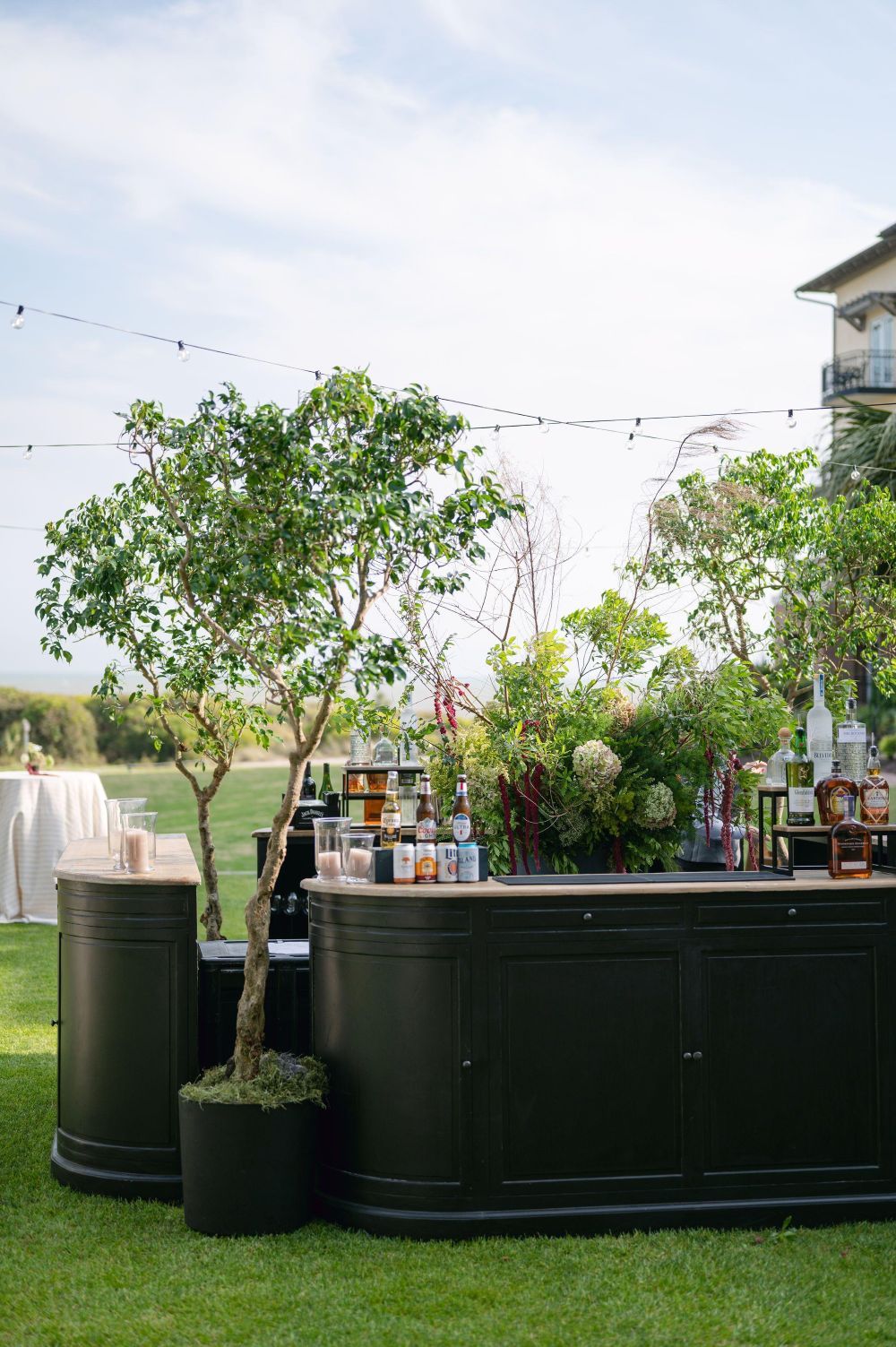
A branded corporate event should feel intentional from the moment guests arrive. Every detail, from the furniture and lighting to the tabletop rentals, tenting, décor, and staging, should work together to communicate the company’s identity and support the purpose of the gathering.
For Charlotte businesses, branded and themed event rentals offer a practical way to transform a venue into a polished, memorable environment. Whether the event is a product launch, client reception, leadership dinner, employee celebration, conference, or brand activation, the right rentals help shape the atmosphere, guide guest flow, and create a cohesive experience that reflects the organization hosting it.
In this guide, we’ll explore branded and themed corporate event rentals in Charlotte, including essential rental categories, tenting, lighting, staging, décor, planning best practices, and how a full-service rental partner like Curated Events can help bring the event vision to life.
Why Branded Event Rentals Matter for Corporate Events
Branded event rentals do more than fill a space. They help create an environment that reflects the company’s message, values, and event goals. When rentals are selected with intention, the event feels cohesive rather than generic, giving guests a clearer sense of who the company is and why the gathering matters.
For corporate events, branding should not depend only on logos or printed signage. It can be expressed through color, layout, furniture style, lighting, tablescapes, stage design, lounge areas, and décor. These details work together to create an experience that feels polished, professional, and aligned with the company’s identity.
Creating a Strong First Impression
The first few moments of a corporate event set expectations for the rest of the experience. A thoughtfully designed entrance, branded registration area, coordinated lounge setup, or well-lit reception space can immediately signal that the event has been planned with care.
Rental selections play a major role in that impression. Statement furniture, clean tabletop details, intentional lighting, and cohesive décor can make a venue feel transformed rather than simply occupied. For client-facing events, product launches, conferences, and executive gatherings, this level of polish helps reinforce professionalism and credibility from the start.
Reinforcing Corporate Identity Through Design
A strong event design should connect naturally to the company’s brand. That may mean incorporating brand colors into linens, lighting, florals, lounge furniture, or tabletop accents. It may also involve using staging, backdrops, custom signage areas, or décor pieces to support the event’s theme.
The goal is to make branding feel integrated instead of forced. A company does not need to place a logo on every surface to create a branded environment. Subtle, consistent design choices often feel more elevated and more effective, especially for corporate events where the atmosphere should remain professional and guest-focused.
Supporting the Event’s Purpose and Guest Experience
Every corporate event has a purpose, and the rentals should support that purpose. A networking reception may need lounge furniture, cocktail tables, and soft lighting that encourage conversation. A product launch may require staging, accent lighting, branded displays, and clear focal points. A leadership dinner may call for refined tables, chairs, linens, and tabletop rentals that create a more formal setting. When rentals are matched to the event’s goals, they improve both function and atmosphere. Guests can move through the space more easily, key moments are easier to see, and the overall environment feels connected to the message of the event.
Start With Clear Event Goals
Before selecting rentals, define what the corporate event needs to accomplish. Branded and themed event rentals are most effective when they are tied to a clear purpose, whether the goal is to introduce a product, host clients, celebrate employees, strengthen team culture, support a conference, or create a memorable brand activation. Clear goals help determine the right venue layout, rental categories, design style, and guest experience. Without that direction, the event can feel visually disconnected or overdesigned. With it, every rental choice has a role, from the seating arrangement to the lighting plan.
Define the Purpose of the Event
The purpose of the event should guide the entire rental plan. A product launch may need staging, branded displays, lighting, and presentation areas that build focus around the reveal. A client reception may need lounge furniture, cocktail tables, bars, and décor that support conversation and hospitality. A conference may require seating, stage elements, registration areas, and functional lighting that keep the agenda organized. When the purpose is clear, it becomes easier to decide which rentals are essential and which details are secondary. This helps keep the event focused, polished, and aligned with the company’s message.
Understand Your Audience
The guest list should influence how the space is designed. An executive dinner, employee appreciation event, investor reception, and customer-facing activation may all require different rental choices. For a leadership dinner, refined tables, chairs, linens, and tabletop rentals may be the priority. For an employee celebration, comfortable lounge areas, food stations, entertainment zones, and flexible seating may matter more. For a client-facing event, the environment should feel professional, welcoming, and clearly connected to the brand. Understanding the audience helps planners choose rentals that support guest comfort, interaction, and expectations.
Match Rental Choices to the Event Format
The event format determines how guests will use the space. A seated dinner requires a different layout than a cocktail reception, breakout session, trade show-style activation, or outdoor celebration.
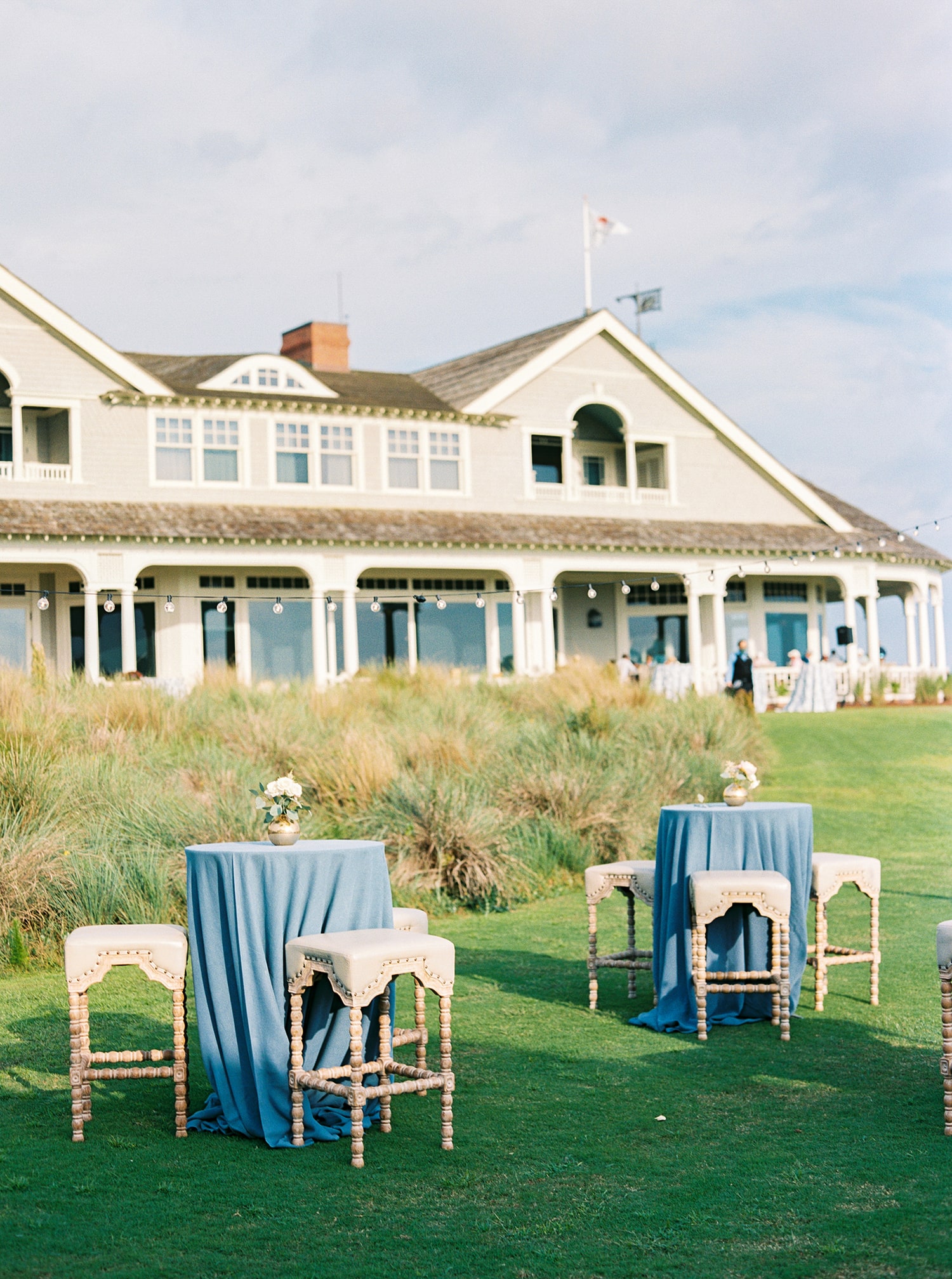
For seated events, planners should focus on dining tables, chairs, linens, tabletop rentals, lighting, and clear sightlines to speakers or presentations. For cocktail-style events, high-top tables, lounge furniture, bars, accent lighting, and open circulation paths may be more effective. For outdoor events, tents, flooring, climate control, lighting, and catering support become more important.
Matching rentals to the format ensures the space works practically while still supporting the theme and brand identity.
Essential Rentals for Branded Corporate Events
Branded corporate events require rentals that support both design and function. The goal is to create a setting that looks cohesive, feels comfortable, and helps the company communicate its message clearly. From furniture and lounge pieces to linens, décor, and catering equipment, each rental category contributes to the overall experience.
The right combination of rentals can make a standard venue feel custom to the brand. For Charlotte companies planning corporate events, these selections can help transform ballrooms, rooftops, outdoor spaces, offices, and conference venues into environments that feel intentional and event-ready.
Furniture Rentals for Seating, Dining, and Guest Flow
Furniture is one of the most important rental categories because it shapes how guests move, sit, gather, and interact. Tables, chairs, benches, bars, and specialty pieces should be selected based on the event format and the desired guest experience.
A formal dinner may need coordinated dining tables and chairs that support a refined atmosphere. A networking event may benefit from a mix of cocktail tables, lounge furniture, and smaller seating clusters. A conference or presentation may need rows of chairs, registration tables, speaker areas, and sponsor display spaces.
Furniture also helps define zones within the venue. A thoughtful layout can separate registration, dining, networking, presentation, and entertainment areas while keeping the overall flow comfortable and intuitive.
Lounge Rentals for Networking and Conversation Areas
Lounge rentals help make corporate events feel more welcoming and less transactional. Sofas, lounge chairs, coffee tables, side tables, ottomans, and rugs can create comfortable areas where guests can connect before, during, or after the main program.
These areas are especially useful for client receptions, employee celebrations, conferences, and brand activations. A well-designed lounge setup can encourage conversation, create a natural gathering point, and add a hospitality-focused layer to the event.
Lounge furniture can also support the event theme through color, texture, shape, and placement. Modern seating may suit a tech launch or contemporary brand event, while softer, more classic pieces may work better for an executive dinner or formal reception.
Linens, Tabletop Rentals, and Dining Details
Linens and tabletop rentals add refinement to dining and hospitality moments. Tablecloths, napkins, chargers, plates, flatware, glassware, serving pieces, and display items should coordinate with the event’s visual direction and level of formality.
For branded events, these details can reflect company colors or complement the broader design palette. A subtle linen color, distinctive charger, or polished glassware selection can make the event feel more elevated without overwhelming the brand message.
Dining details matter because they are among the closest design elements guests interact with. When they are cohesive, they help reinforce the quality and professionalism of the event.
Décor Rentals That Support the Event Theme
Décor rentals help translate the event theme into the physical environment. This may include display tables, backdrops, signage areas, floral vessels, decorative accents, room dividers, entry moments, and branded focal points.
The strongest décor choices support the theme without cluttering the space. For a corporate event, the design should feel polished, intentional, and aligned with the company’s identity. Décor can highlight key areas such as registration, product displays, stages, photo moments, bars, and lounge spaces.
By coordinating décor with furniture, lighting, linens, and staging, planners can create a more immersive branded experience.
Catering Equipment for Smooth Food and Beverage Service
Catering equipment supports the operational side of the event. Even when guests do not notice these items directly, they affect the quality and flow of food and beverage service.
Common catering rentals include serving trays, chafing dishes, beverage dispensers, bars, glassware, plates, flatware, buffet equipment, prep tables, refrigeration units, and back-of-house support pieces. The right equipment helps caterers serve efficiently and maintain a polished presentation.
For branded corporate events, food and beverage areas should also feel connected to the overall design. Bars, buffet stations, and service tables can be styled with linens, florals, signage, and lighting so they contribute to the event environment rather than functioning as separate service points.
Tent Rentals for Outdoor Corporate Events
Tent rentals can turn an outdoor area into a structured, event-ready environment. For branded corporate events in Charlotte, tents are especially useful for company celebrations, product launches, client receptions, employee events, and activations hosted on lawns, rooftops, corporate campuses, or open-air venues.
A tent does more than provide coverage. It defines the event footprint, supports the overall design, and creates a flexible setting that can be customized with lighting, flooring, furniture, staging, bars, and décor. When planned well, a tented event can feel just as polished and intentional as an indoor venue.
Creating a Defined Event Space
Outdoor venues often need structure. A tent helps establish where the event begins, where guests should gather, and how different areas should function. It can create a clear setting for dining, networking, presentations, entertainment, or hospitality.
For branded events, this structure is important because it gives planners more control over the guest experience. Entry points, registration tables, lounge areas, bars, dining sections, and presentation spaces can all be arranged within or around the tent to support the event flow. The result is an outdoor environment that feels purposeful rather than improvised.
Supporting Weather Protection and Guest Comfort
Weather is one of the biggest considerations for outdoor corporate events. Tent rentals help protect guests, rentals, food service areas, and presentation equipment from sun, rain, and changing conditions.
Depending on the season and venue, tents can also be paired with flooring, sidewalls, fans, heaters, or climate-control solutions to improve comfort. These additions are especially important for events with longer timelines, formal dining, presentations, or high-value guests. A comfortable guest experience helps keep the focus on the company’s message rather than the conditions of the setting.
Customizing Tent Design With Lighting, Flooring, and Décor
A tent can be customized to match the event’s theme and brand identity. Lighting can add warmth, color, and dimension. Flooring can make the space feel more finished and easier to navigate. Draping, chandeliers, lounge furniture, tabletop rentals, bars, florals, and branded décor can all help transform the tent into a cohesive event environment.
For corporate events, customization should support the brand without overwhelming the space. Subtle design choices, such as brand-inspired lighting colors, coordinated linens, a polished bar setup, or a branded stage backdrop, can make the tent feel connected to the company while still maintaining a refined atmosphere.
Lighting and Staging for Themed Corporate Events
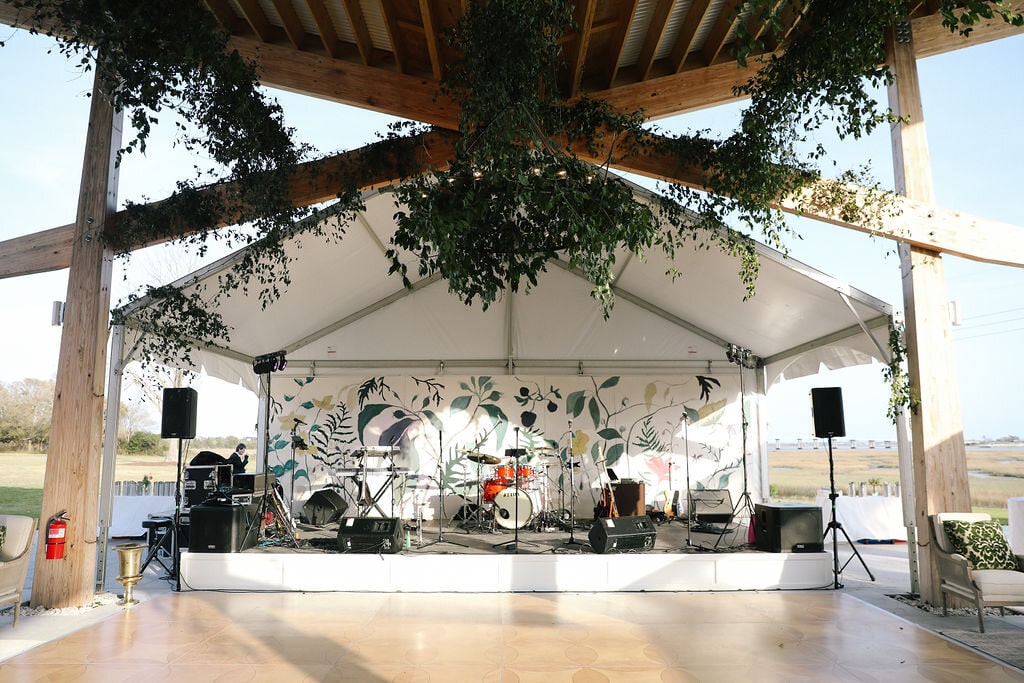
Lighting and staging help bring a corporate theme into focus. These rentals support both the visual design and the practical needs of the event, making speakers easier to see, highlighting branded displays, defining focal points, and shaping the mood of the room.
For themed corporate events in Charlotte, lighting and staging can help transform a hotel ballroom, tented space, rooftop venue, conference room, or corporate campus into a setting that feels custom to the occasion. Whether the event is formal, modern, celebratory, or experiential, these details help make the brand experience more memorable.
Uplighting for Color, Depth, and Atmosphere
Uplighting is a versatile way to add dimension to a corporate event space. Fixtures are typically placed around the room and directed upward to illuminate walls, columns, draping, or architectural features.
For branded events, uplighting can be used to introduce company colors, soften a venue, or create a more dramatic environment. A subtle color wash can make a ballroom feel more refined, while bolder lighting can support a product launch, brand activation, or themed celebration. Uplighting is especially effective in spaces that need visual warmth or stronger connection to the event palette. Read more in Creative Rentals Idea for Memorable Themed Celebrations.
Spotlights and Pin Spots for Key Event Areas
Spotlights and pin spots help direct attention to important areas of the event. They can be used to highlight a stage, podium, product display, award table, centerpiece, signage, branded backdrop, or speaker area.
This type of lighting is useful for corporate events because it supports clarity and focus. Guests should immediately understand where to look during presentations, reveals, recognition moments, or entertainment. Pin spots can also make tabletop details and décor feel more elevated, especially during dinners, galas, and client-facing receptions.
String Lights and Decorative Lighting for Warmth
String lights and decorative lighting can add warmth and atmosphere, particularly for outdoor events, tented spaces, rooftop receptions, and more relaxed corporate gatherings. These options help soften the environment and make the event feel more welcoming.
Decorative lighting can also support the theme of the event. String lights may work well for a hospitality-focused reception, while chandeliers, lanterns, or specialty fixtures can create a more formal or design-forward atmosphere. The right decorative lighting helps the space feel finished without distracting from the brand or program.
Staging for Presentations, Panels, and Entertainment
Staging creates a clear focal point for the event program. It is especially important for presentations, executive remarks, panel discussions, awards, entertainment, product reveals, and brand storytelling moments. For more detail, see our article The Wedding Decoration Rental Guide.
The stage should be sized and positioned based on the event format, room layout, and expected audience. A smaller platform may be suitable for a brief welcome or toast, while a larger stage may be needed for panels, performances, or keynote presentations. Staging can also support podiums, branded backdrops, floral arrangements, screens, and lighting equipment.
Branded Backdrops, Displays, and Focal Points
Branded backdrops and displays help reinforce the event theme while creating strong visual anchors throughout the space. These elements may be used behind a stage, near registration, beside a product display, at a photo moment, or around a sponsor area.
When paired with lighting, furniture, and décor, branded focal points can make the event feel more cohesive and professionally produced. The key is to integrate branding into the design rather than relying on isolated signage. A well-placed backdrop, custom display, or illuminated brand moment can help guests connect the environment to the company’s message.
How to Create a Cohesive Corporate Event Theme
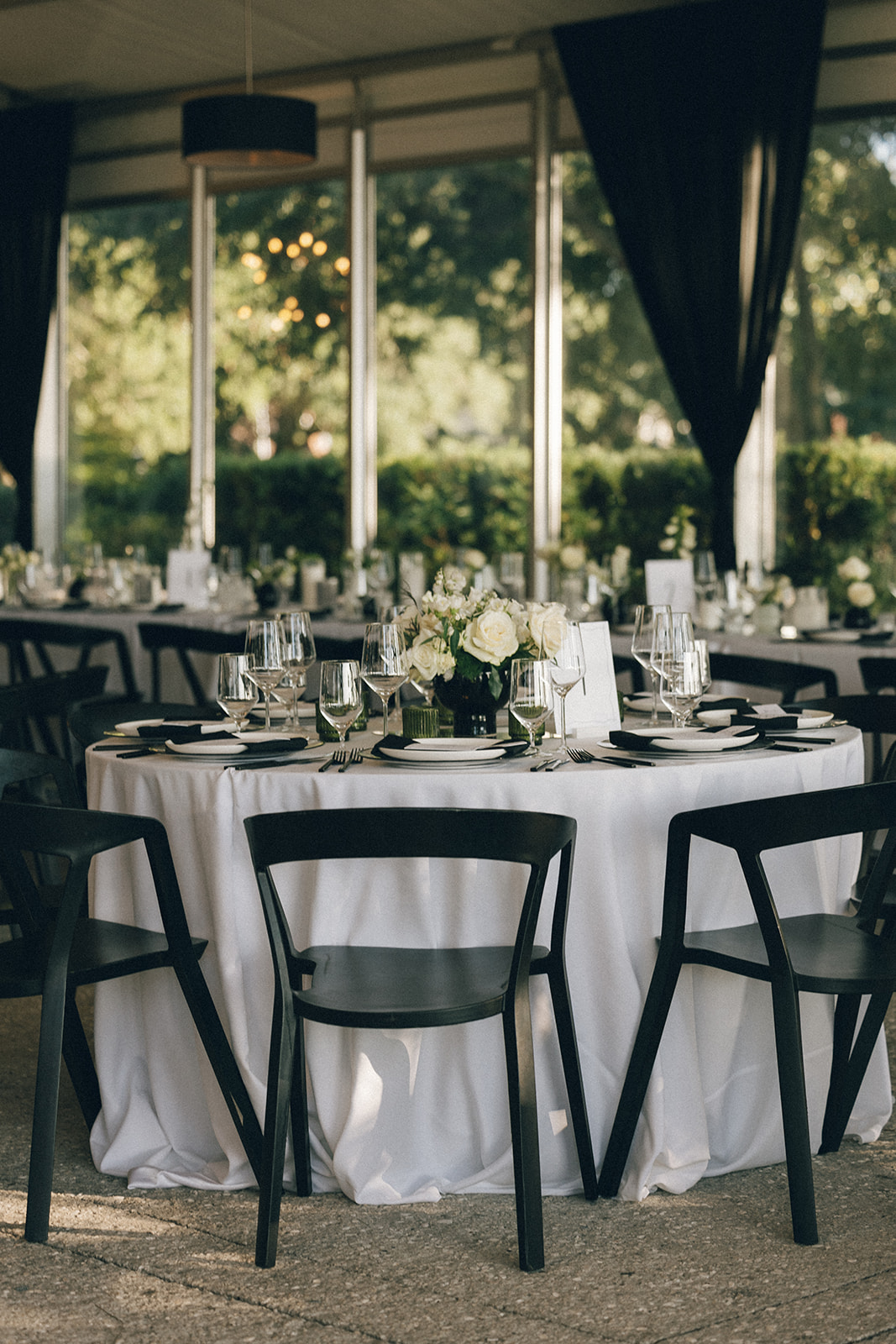
A cohesive corporate event theme is built through consistency. The rentals, lighting, furniture, décor, tabletop details, signage, and layout should all feel connected to the same visual direction. When those elements work together, the event feels more polished and easier for guests to understand.
For branded and themed corporate events, the goal is not to decorate every surface. The strongest designs usually come from intentional choices that reinforce the company’s identity while still creating a comfortable, elevated guest experience. Read more in Boots & Bowties: Curating Luxury Country-Themed Social Events in the Heart of Tennessee.
Choose a Clear Visual Direction
Before selecting rentals, establish the overall look and feel of the event. The theme may be modern and minimal, warm and hospitality-focused, bold and energetic, formal and refined, or immersive and experiential. This direction should connect to the company’s brand, the event’s purpose, and the audience.
A product launch may call for a sleek, high-impact design with clean furniture, focused lighting, branded displays, and a strong stage moment. A client appreciation dinner may need a softer and more refined atmosphere with elevated linens, tabletop rentals, lounge furniture, and warm lighting. A team celebration may benefit from more relaxed seating, interactive areas, and flexible layouts.
Once the visual direction is clear, rental decisions become more focused. Each piece can be selected because it supports the theme, not simply because it looks attractive on its own.
Use Brand Colors With Intention
Brand colors can be effective, but they should be used with restraint. Instead of applying the company palette everywhere, planners can incorporate color through selected details such as linens, napkins, floral accents, uplighting, lounge pillows, signage, bars, or tabletop pieces.
Lighting is especially useful for introducing brand colors without making the space feel too literal. A soft color wash, custom gobo, or accent lighting around a stage or display can reinforce the brand while preserving a polished event atmosphere.
For more formal events, brand colors may work best as accents. For product launches, activations, or high-energy celebrations, bolder color choices may be more appropriate. The key is to match the intensity of the branding to the tone of the event.
Coordinate Furniture, Décor, Lighting, and Tabletop Details
A cohesive theme depends on how the event elements work together. Furniture should match the formality and function of the event. Décor should support the message without crowding the space. Lighting should enhance the atmosphere and draw attention to important areas. Tabletop details should feel connected to the overall palette and style.
For example, a modern corporate reception might use streamlined lounge furniture, neutral linens, simple floral arrangements, branded uplighting, and clean bar setups. A formal anniversary dinner might use elegant chairs, textured linens, refined place settings, chandeliers, and soft pin-spot lighting on centerpieces.
When these details are coordinated, the room feels intentional. Guests may not notice every individual selection, but they will recognize that the event environment feels complete.
Balance Branding With a Polished Guest Experience
A branded event should still feel guest-centered. The design should support comfort, movement, conversation, dining, presentations, and visibility. Too much branding can make the event feel like a trade show, while too little may cause the theme to feel disconnected from the company.
The best approach is to place branded elements where they have the most impact. Entrances, registration areas, stages, backdrops, product displays, photo moments, bars, and presentation areas are strong locations for brand expression. Seating, dining, and lounge spaces can carry the theme more subtly through color, texture, lighting, and rental style.
This balance helps the event feel professional and memorable without overwhelming the people attending it.
Choosing the Right Rental Partner in Charlotte
The rental partner has a major impact on how successfully a branded corporate event comes together. Beyond providing individual rental items, the right company should understand the event goals, recommend appropriate products, support the design direction, and help manage practical details such as delivery, setup, and breakdown.
For Charlotte businesses planning branded or themed corporate events, working with an experienced rental partner can help simplify the process and create a more cohesive result. This is especially important for events with multiple zones, outdoor components, formal programs, custom branding, or tight venue timelines. You may also find Branding & Themed Rentals for Corporate Events: Beyond Logo Placement helpful.
Look for a Broad and Refined Rental Inventory
A strong rental inventory gives planners more flexibility when building a branded event environment. Tables, chairs, lounge furniture, bars, linens, tabletop pieces, lighting, staging, tents, décor, and catering equipment should be available in styles that can support different types of corporate events.
A broad inventory also makes it easier to keep the design consistent. Instead of sourcing furniture from one vendor, lighting from another, and tabletop rentals from a third, planners can coordinate multiple event elements through one rental partner. This can help reduce visual inconsistencies and streamline planning. For branded events, inventory quality matters. The rentals should look polished, photograph well, and match the level of professionalism the company wants to communicate.
Prioritize Consultative Planning Support
Corporate events often require more than a basic rental order. A consultative rental partner can help planners think through the event format, venue layout, guest flow, visual direction, and logistical requirements. This guidance is useful when deciding how many seating areas are needed, where bars should be placed, how to define a stage area, whether a tent requires flooring, or which lighting options will best support the theme. It can also help identify potential issues early, such as limited power access, difficult load-in routes, tight setup windows, or insufficient space for catering operations.
Consultative support helps ensure that the rental plan is practical as well as visually aligned with the brand.
Confirm Delivery, Setup, and Breakdown Capabilities
Delivery, setup, and breakdown are critical parts of the rental experience. A branded corporate event may include many moving pieces, and each one needs to arrive on time, be placed correctly, and be removed according to the venue’s requirements.
Before confirming a rental partner, planners should discuss load-in access, installation timelines, setup responsibilities, breakdown windows, and any venue restrictions. This is especially important for outdoor events, corporate campuses, rooftops, hotels, convention spaces, and venues with strict vendor schedules. Reliable execution helps protect the event timeline and reduces stress for the internal planning team.
Ask About Customization and Brand Alignment
Branded corporate events often require a more customized approach. The rental partner should be able to recommend pieces that support the company’s colors, theme, audience, and event goals.
Customization may include branded backdrops, coordinated lounge settings, custom lighting colors, tent design elements, specialty linens, staging details, or furniture layouts tailored to the event flow. Even when rentals are not custom-made, they can be selected and arranged to feel specific to the company. A rental partner that understands brand alignment can help create an event environment that feels intentional, polished, and aligned with the gathering’s purpose.
Best Practices for a Seamless Rental Experience
A seamless rental experience starts with clear planning and early coordination. Branded and themed corporate events often involve multiple rental categories, venue requirements, vendors, and internal stakeholders, so each detail should be confirmed before event day.
The goal is to create an event environment that looks cohesive, functions well, and supports the guest experience without unnecessary last-minute adjustments. From booking timelines to layout planning and vendor coordination, a strong process helps keep the event organized from start to finish.
Book Rentals Early
Booking rentals early gives planners better access to preferred inventory and more time to refine the design. This is especially important for corporate events that require specialty furniture, tents, staging, lighting, lounge pieces, or large quantities of matching tables, chairs, linens, and tabletop items.
Early booking also allows time for site visits, layout revisions, quote adjustments, and logistical planning. If the event has a fixed date, seasonal demand, or a highly specific theme, securing rentals in advance can help prevent limited availability and rushed decisions.
Share Venue Details and Guest Count Upfront
Accurate venue details and guest count estimates help rental teams make better recommendations. The size of the space, floor plan, ceiling height, power availability, access points, loading areas, and venue restrictions can all affect which rentals are appropriate.
Guest count also affects rental quantities and layout decisions. It determines how many tables and chairs are needed, how much lounge seating is practical, how many bars or service stations may be required, and whether the space can comfortably support dining, networking, presentations, or entertainment. Sharing this information early helps avoid under-ordering, overcrowding, or layout issues.
Build a Layout Around Guest Flow
A strong layout should make it easy for guests to move through the event naturally. Registration, bars, dining areas, lounge spaces, stages, sponsor displays, photo moments, and catering stations should be placed with circulation in mind.
For branded events, guest flow also affects how people experience the theme. The entrance may introduce the brand story, the lounge area may support connection, the stage may anchor the main message, and the dining or reception areas may carry the visual design through the rest of the evening. When the layout is planned intentionally, the event feels organized and engaging rather than crowded or disjointed.
Coordinate Logistics With Vendors and Venue Teams
Rental logistics should be coordinated with the venue, caterer, florist, audiovisual team, planner, and any internal company contacts involved in the event. Delivery timing, setup order, access windows, loading dock use, elevator availability, power needs, and breakdown requirements should all be reviewed in advance.
This coordination is especially important for events with tents, staging, lighting, catering equipment, or multiple event zones. A clear logistics plan helps each vendor understand when and where their work needs to happen, reducing delays and improving event-day execution.
Frequently Asked Questions
What rentals are essential for a branded corporate event?
Essential rentals often include tables, chairs, lounge furniture, linens, tabletop pieces, lighting, staging, décor, bars, and catering equipment. For outdoor events, tents, flooring, sidewalls, climate-control options, and additional lighting may also be needed.
The right rental list depends on the event format. A seated dinner may require formal dining tables, chairs, linens, and place settings, while a product launch may need staging, branded displays, accent lighting, lounge furniture, and cocktail tables. The goal is to choose rentals that support the event’s purpose, guest flow, and brand identity.
How can rentals reflect our company branding?
Rentals can reflect company branding through color, style, layout, lighting, signage areas, and décor. Brand colors may be incorporated through linens, napkins, lounge accents, uplighting, floral details, tabletop selections, or custom backdrops.
Branding does not need to be overly literal. A polished corporate event may use subtle design cues, such as coordinated furniture, refined tabletop details, branded lighting, or a well-placed logo projection, to create a cohesive environment that feels connected to the company without overwhelming guests.
Do outdoor corporate events need tent rentals?
Many outdoor corporate events benefit from tent rentals because they provide structure, shade, and weather protection. A tent also helps define the event space, making outdoor areas feel more organized and intentional.
Tent rentals are especially useful for events held on corporate campuses, lawns, rooftops, open-air venues, or outdoor reception spaces. Depending on the event, tents can be paired with flooring, lighting, bars, lounge furniture, staging, décor, sidewalls, fans, heaters, or climate-control options to create a comfortable guest experience.
What lighting options work best for themed corporate events?
The best lighting options depend on the theme, venue, and event format. Uplighting can add color, depth, and atmosphere. Pin spots and spotlights can highlight stages, displays, signage, centerpieces, and branded focal points. String lights and decorative fixtures can add warmth to outdoor events, tented spaces, and receptions.
For more branded events, lighting can also reinforce company colors or create a custom visual moment. A gobo projection, color wash, or illuminated backdrop can help connect the room to the event theme while keeping the overall design polished.
What information is needed for an accurate rental quote?
To receive an accurate rental quote, prepare the event date, venue location, estimated guest count, event format, rental needs, design direction, and any known venue restrictions. It is also helpful to share whether the event will include a seated meal, cocktail reception, stage program, outdoor component, product display, entertainment, or brand activation.
Venue logistics should also be discussed early. Details such as load-in access, elevators, loading docks, power availability, setup windows, pickup timing, and weather plans can affect the rental recommendations and final quote.
Conclusion
Branded and themed corporate event rentals help turn a venue into an environment that reflects the company’s identity, supports the event’s purpose, and creates a stronger guest experience. From furniture and lounge rentals to tents, lighting, staging, linens, décor, and catering equipment, each element should work together to create a cohesive and professional setting.
For Charlotte businesses, thoughtful rental planning can make a product launch, client reception, conference, employee celebration, brand activation, or leadership dinner feel more polished and memorable. The strongest events balance branding with comfort, functionality, and flow, ensuring that guests understand the message while still enjoying the experience.
Curated Events offers corporate event rentals in Charlotte for branded and themed gatherings of all sizes. With full-service support, refined rental options, and guidance from planning through execution, Curated Events can help companies create an event environment that feels intentional, elevated, and aligned with their brand. To check availability for your date, contact our Charlotte team.