
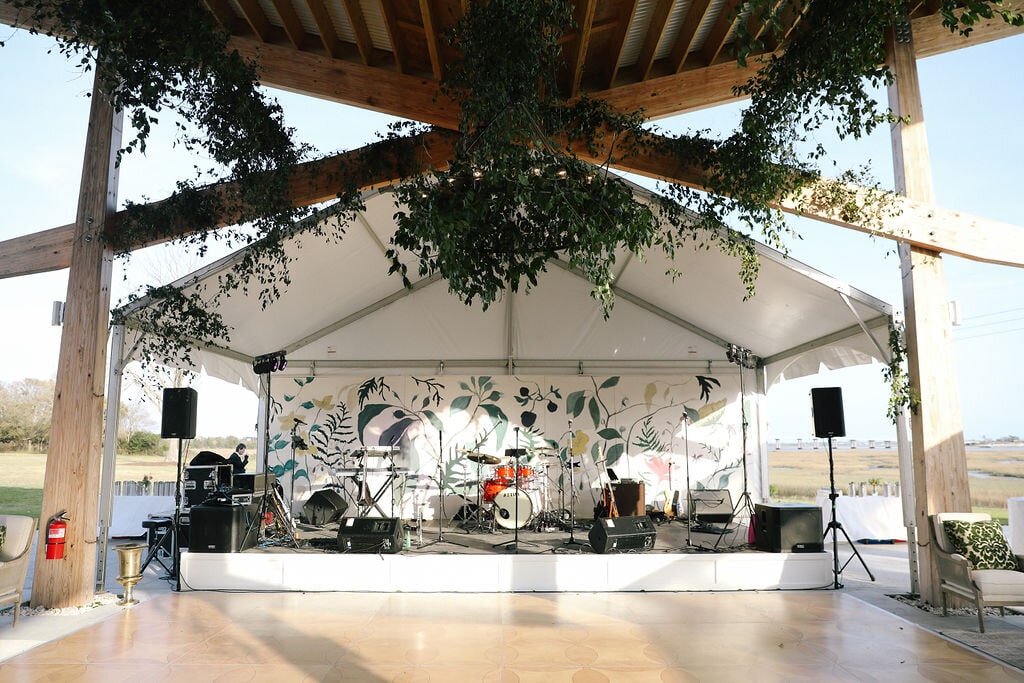
Selecting the right dance floor can have a significant impact on the atmosphere, flow, and guest experience at a corporate event. Whether the event is a formal awards dinner, product launch, networking reception, company celebration, or branded activation, the dance floor should support both the design of the space and the way guests will use it.
With several styles, materials, and rental options available, event planners should consider more than appearance alone. The best dance floor for a corporate event will align with the venue, guest count, event format, theme, installation requirements, and budget. From classic wood floors to modern LED designs and custom-branded options, each choice creates a different effect.
In this guide, we’ll explore popular corporate event dance floor styles, material comparisons, sizing considerations, installation best practices, rental logistics, and current trends to help you choose a floor that feels polished, functional, and aligned with your event goals.
Comprehensive Guide to Corporate Event Dance Floor Styles
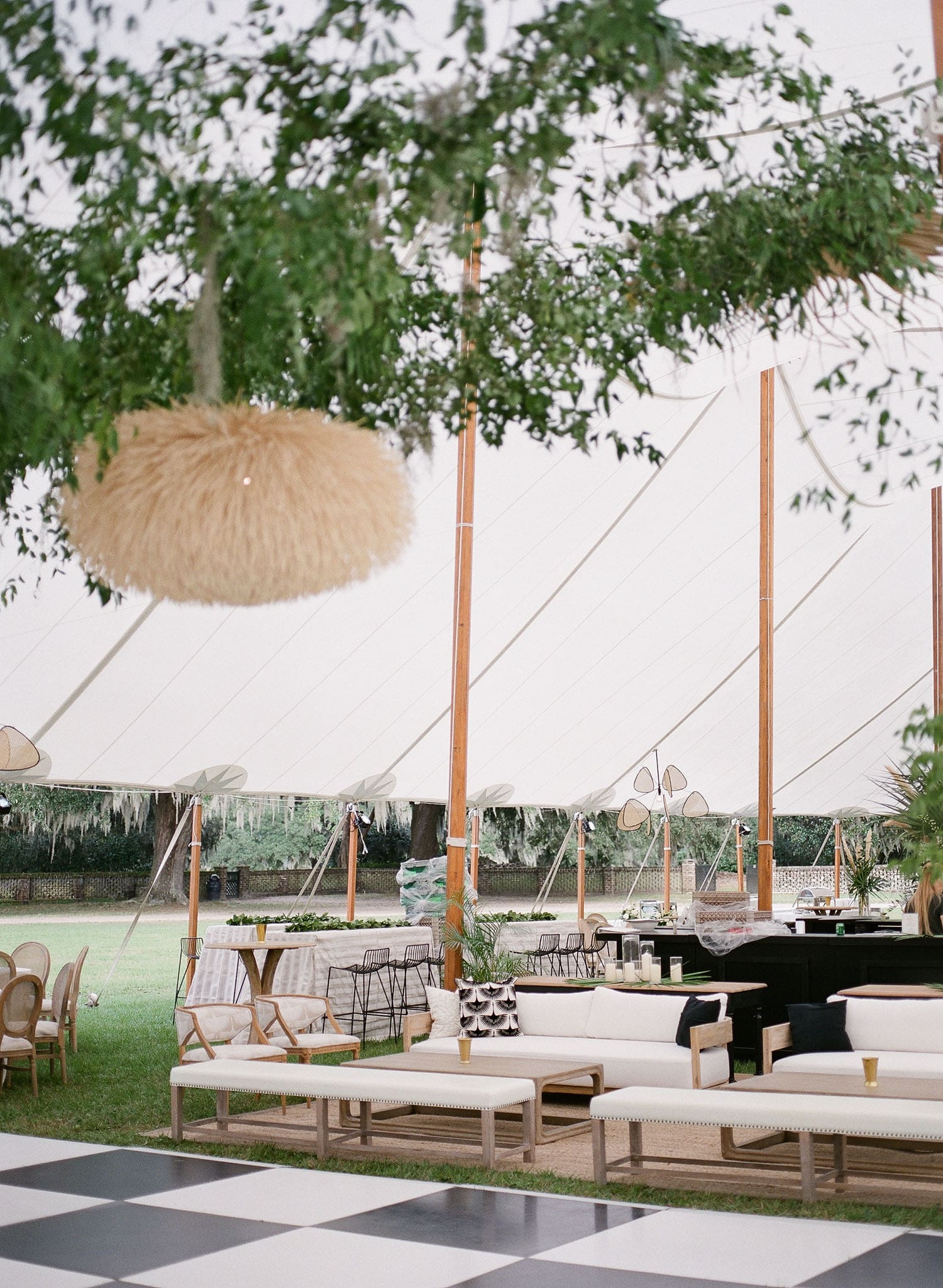
Dance floors help define the energy and purpose of a corporate event. They can serve as a formal feature for a seated dinner, a high-impact visual element for a brand launch, or a social focal point for a company celebration. The right style depends on the atmosphere you want to create and the role the floor will play during the event.
Before selecting a floor, consider the event format. A networking reception may need a compact, flexible floor that supports casual movement. A gala or awards dinner may call for a classic style that blends with elegant décor. A product launch or experiential event may benefit from LED or custom flooring that reinforces the brand and creates a more memorable visual moment.
What Are the Most Popular Dance Floor Types for Corporate Events?
Corporate events commonly use three main types of dance floors: classic, LED, and custom designs. Each option supports a different type of experience.
- Classic dance floors are a strong choice for formal events, corporate dinners, galas, and traditional celebrations. Their timeless look pairs well with elevated décor, refined tablescapes, and more formal venue settings.
- LED dance floors create a modern, high-energy effect. They can be customized with colors, lighting patterns, and programmed effects, making them especially useful for product launches, brand activations, holiday parties, and entertainment-focused events.
- Custom dance floors can be designed to support a specific theme, color palette, logo, or brand identity. These are useful when the floor is meant to be more than a functional surface and should contribute directly to the event design.
When comparing options, consider whether the dance floor is meant to blend into the event environment or stand out as a focal point. Classic floors often work best when elegance and versatility are priorities, while LED and custom floors are better suited for events where visual impact is central to the experience.
How Wood, Vinyl, and LED Dance Floors Compare
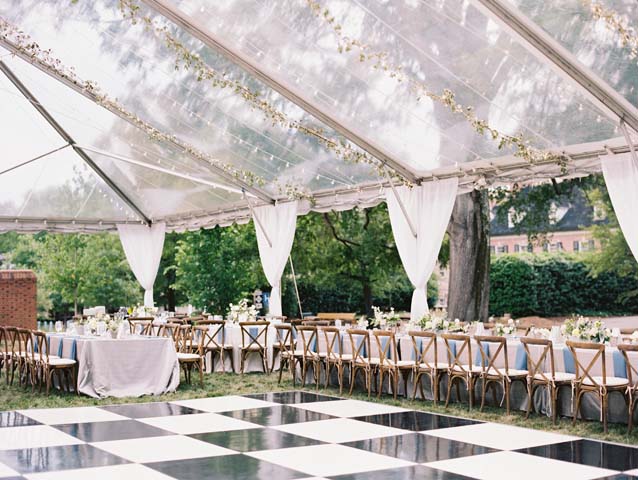
Dance floor materials influence the appearance, durability, maintenance needs, and installation process. The most common options for corporate events include wood, vinyl, and LED flooring. You may also find Your Guide to Selecting Event Flooring Options Effectively helpful.
Wood Dance Floors
Wood dance floors provide a classic, polished appearance that works well for formal corporate events. They are durable, photograph well, and can support heavy guest traffic when installed correctly.
Wood is often a good fit for:
- Awards dinners
- Corporate galas
- Anniversary celebrations
- Executive receptions
- Traditional indoor venues
Wood floors can feel warmer and more refined than some synthetic options, but they may require more careful handling, especially in outdoor or spill-prone environments.
Vinyl Dance Floors
Vinyl dance floors offer versatility and flexibility. They can come in a variety of colors, finishes, and patterns, making them useful for themed events, modern receptions, and branded environments.
Vinyl is often a good fit for:
- Networking events
- Branded receptions
- Corporate parties
- Temporary event installations
- Events requiring quick cleaning or turnover
Vinyl can be easier to maintain than some other surfaces, but planners should confirm slip resistance, durability, and installation requirements based on the venue and expected foot traffic.
LED Dance Floors
LED dance floors bring a high-impact visual element to an event. They can display colors, patterns, and lighting effects that shift throughout the program, helping create a more dynamic guest experience.
LED floors are often a good fit for:
- Product launches
- Brand activations
- Holiday parties
- Entertainment-heavy events
- Experiential corporate gatherings
Because LED floors involve electrical components, they require more technical planning. Power access, cabling, programming, weather protection, and technician support should all be discussed before booking.
How Event Flooring Materials Affect Durability and Appearance
The material you choose affects how the dance floor looks, performs, and holds up during the event. A floor that works well for a formal dinner may not be the best choice for a high-energy launch event or outdoor reception.
Wood offers a refined and timeless appearance, but it may require more maintenance and careful placement. Vinyl provides flexibility and easier cleaning, while LED systems offer visual impact but need technical oversight. The right material should balance appearance, safety, durability, and operational practicality.
Material Properties to Consider
When evaluating dance floor materials, confirm the following details with your rental provider:
- Durability: The surface should be able to handle the expected guest count, footwear, dancing, and movement throughout the event.
- Slip resistance: The floor should be appropriate for the venue, event format, and expected conditions, especially if food, drinks, or outdoor elements are involved.
- Weight capacity: If the floor will be used near staging, equipment, or heavy décor, confirm the load capacity.
- Maintenance needs: Consider how easily the floor can be cleaned during and after the event.
- Repairability: Modular panels or interlocking tiles may allow damaged sections to be replaced more easily than continuous surfaces.
- Setup time: Some floors can be installed quickly, while custom, LED, or precision-laid floors may require more time and specialized labor.
Best Practices for Dance Floor Installation and Setup
Professional installation is essential for safety, appearance, and guest comfort. A dance floor should be level, secure, properly placed, and fully inspected before guests arrive.
Site Assessment
Before installation, the venue should be evaluated for available space, surface condition, access points, power availability, ceiling height, and proximity to other event areas. The floor should not interfere with dining, service stations, entrances, emergency routes, or presentation zones.
Leveling and Surface Preparation
The dance floor must be placed on a stable, level surface. Uneven ground, soft outdoor surfaces, carpet transitions, or temporary flooring may require additional preparation. For outdoor events, planners may need subflooring, protective layers, or weather-related precautions.
Safety Checks
Before the event begins, the installed floor should be inspected for loose panels, uneven seams, trip hazards, surface damage, exposed cables, or slippery areas. Staff should also walk the floor in representative footwear to test comfort and stability.
Setup Checklist
Use this checklist before guest arrival:
- Confirm delivery timing and installation window
- Inspect panels, tiles, or flooring materials on arrival
- Prepare protective layers if required by the venue
- Confirm seams are flush and secure
- Check for trip hazards around edges and transitions
- Test the floor with staff before doors open
- Confirm lighting, electrical, or LED systems are functioning
- Document final approval before the event begins
Indoor vs. Outdoor Dance Floor Installation
Indoor and outdoor dance floor installations require different planning considerations.
Indoor Installations
Indoor setups usually involve placing the floor over a stable venue surface such as ballroom flooring, carpet, tile, or an existing event floor. The main concerns are level transitions, venue protection, guest flow, and compatibility with furniture, staging, and lighting.
Outdoor Installations
Outdoor installations require additional planning for weather, ground stability, drainage, wind, and surface protection. If the floor is being installed under a tent, planners should also consider flooring support, moisture control, and how guests will move between outdoor and covered areas.
For LED floors outdoors, electrical safety is especially important. Weatherproof connections, protected cabling, power access, and technician oversight should be confirmed in advance.
Dance Floor Rental Logistics and Setup Services
Clear logistics planning helps prevent delays and protects the event timeline. Dance floor rentals should be coordinated with the venue, planner, audiovisual team, lighting provider, caterer, rental company, and entertainment team.
Delivery and Pickup
Delivery should be scheduled early enough to allow for installation, inspection, and adjustments. Pickup timing should be confirmed with the venue to avoid overtime charges or conflicts with another event.
Professional Installation
Confirm whether the rental company provides professional installation. For most corporate events, installation should not be left to the client or venue staff. Proper setup helps ensure the floor is stable, aligned, and safe for guests.
Post-Event Removal
Removal should be planned around venue requirements, vendor breakdown schedules, and any access limitations. If the event ends late, confirm whether overnight pickup, next-day pickup, or immediate removal is required.
How to Determine the Right Dance Floor Size and Layout
The right dance floor size depends on guest count, event format, venue dimensions, and how many people are expected to use the floor at one time. The dance floor should feel inviting, but it should not overwhelm the space or disrupt guest flow. You may also find Discover Exciting Dance Floor Styles for Events in 2025 helpful.
Guest Count and Expected Participation
Not every guest will dance at the same time. For many corporate events, planners can estimate that a portion of the guest count will use the floor during peak moments. Social events may have higher participation, while formal dinners or networking events may need a smaller floor. Read more in 2025’s Hottest Luxury Event Dance Floor Styles Revealed.
Event Format
A seated dinner with a brief dance segment may only need a compact floor placed near the entertainment area. A corporate party or holiday celebration may need a larger floor that can accommodate more guests. A product launch or activation may use a dance floor as a visual or interactive feature rather than a traditional dancing area. Read more in Top Dance Floor Rental Styles for Country-Chic Weddings in Nashville.
Venue Layout
The floor should be positioned where it supports the event flow. It should be close enough to music, staging, lighting, or entertainment to feel connected, but not so central that it blocks dining service, registration, bars, or circulation paths.
Practical Sizing Method
A useful starting point is to estimate the number of peak dancers, then apply a square-footage guideline based on comfort and density. After that, adjust for furniture, AV, stage placement, service paths, and décor.
Integrating Dance Floors With Décor and Lighting
A dance floor should feel connected to the overall event design. Flooring, décor, lighting, furniture, and audiovisual elements should be planned together so the space feels cohesive.
Color Coordination
The dance floor should complement the event palette. For a formal event, a neutral or classic finish may work best. For a branded activation, a custom color, pattern, or logo treatment may be more appropriate.
Lighting Strategy
Lighting can define the dance floor and make it more inviting. Uplighting, perimeter lighting, overhead fixtures, spotlights, or LED effects can help draw attention to the area while maintaining the event’s overall mood.
Guest Flow
The floor should be easy to access from dining, lounge, bar, and entertainment areas. Avoid placing it in a location that forces guests to cross service paths or creates congestion near high-traffic zones.
AV Coordination
Share the floor dimensions and placement with the AV and lighting teams. Cable runs, speaker placement, lighting cues, and power needs should be planned early to avoid trip hazards or late-stage layout changes.
Why Choose Expert Consultation for Corporate Event Flooring?
Expert consultation can help planners make informed choices that balance appearance, cost, safety, and practicality. A professional rental partner can evaluate the venue, recommend materials, confirm installation needs, and help identify potential issues before event day.
During a consultation, planners can expect guidance on:
- Site conditions
- Load-in routes
- Venue restrictions
- Floor size and layout
- Material selection
- Branding opportunities
- Setup and breakdown timelines
- Weather or outdoor installation concerns
- Safety and maintenance procedures
This support is especially valuable for large corporate events, custom floors, LED installations, outdoor venues, and events with complex production needs.
How Curated Events Supports Corporate Clients With Flooring Solutions
Curated Events provides dance floor and event rental solutions for corporate clients who need a polished, functional, and cohesive event environment. From classic wooden floors to modern LED systems and custom options, the right flooring can be selected to match the event’s format, venue, and design goals.
With consultative support, Curated Events can help planners evaluate guest count, layout, material options, setup logistics, and complementary rentals such as lighting, staging, furniture, linens, décor, and tabletop items. This full-service approach helps ensure the dance floor feels integrated into the overall event rather than added as a separate feature.
Current Trends in Corporate Event Dance Floor Styles
Corporate event dance floors are becoming more customized, interactive, and design-driven. Planners are increasingly using flooring as part of the event experience rather than treating it as a purely functional rental.
Interactive LED Floors
Interactive LED floors can respond to movement, music, or programmed cues. They are especially effective for product launches, brand activations, and entertainment-focused events where energy and visual impact matter.
Custom-Branded Designs
Custom floors can incorporate logos, patterns, colors, or event-specific graphics. These designs are useful for photo moments, product reveals, sponsor activations, and branded receptions.
Can Dance Floors Be Safely Installed Outdoors?
Yes, dance floors can be safely installed outdoors when the correct materials, installation methods, and site protections are used. Outdoor installations should account for ground stability, weather, drainage, wind, anchoring, electrical safety, and guest movement.
For events involving alcohol, heavy traffic, or outdoor conditions, staff should inspect the floor periodically during the event. Spills should be cleaned quickly, and any loose edges, uneven panels, or wet areas should be addressed immediately.
Frequently Asked Questions
What are the key factors to consider when choosing a dance floor for a corporate event?
Consider the event format, guest count, venue conditions, design goals, material type, installation requirements, and budget. The dance floor should support the event’s atmosphere while remaining safe, functional, and appropriate for the venue.
How can I ensure the dance floor is safe for guests?
Work with a professional rental provider, confirm the floor is properly installed, inspect the surface before guests arrive, and check for loose seams, uneven edges, slippery areas, or exposed cables. For outdoor or high-traffic events, continue monitoring the floor during the event.
How do I manage dance floor rental logistics?
Confirm delivery, installation, pickup, venue access, setup windows, and breakdown requirements early. Provide one point of contact for the rental provider and coordinate with AV, lighting, catering, entertainment, and venue teams.
What are the latest trends in corporate dance floor design?
Current trends include interactive LED floors, sustainable materials, and custom-branded flooring. These options can help create a more memorable and immersive corporate event experience.
How can I integrate the dance floor with the rest of the event décor?
Coordinate the floor with the event color palette, lighting plan, furniture, stage placement, and guest flow. The floor should feel like part of the overall design rather than a separate element.
What should I do if I need a custom dance floor?
Share design requirements with your rental provider early. Custom colors, logos, patterns, decals, or LED programming may require extra production time, technical planning, and design approval.
Conclusion
The right dance floor can strengthen the atmosphere, support guest interaction, and make a corporate event feel more polished and complete. Whether you choose a classic wood floor, versatile vinyl surface, LED installation, or custom-branded design, the selection should be guided by the event format, venue conditions, guest count, budget, and overall design goals.
A successful rental plan also depends on proper sizing, professional installation, safety checks, layout planning, and coordination with lighting, staging, AV, furniture, and décor. When these details are addressed early, the dance floor becomes an intentional part of the event experience rather than a last-minute rental item. Curated Events has eight showrooms; find your nearest location.
Curated Events can help corporate clients select dance floor rentals that balance visual impact, safety, and function. With expert guidance and full-service event rental support, planners can create a refined event environment that encourages guest engagement and leaves a professional impression. Fresh additions to the collection are in New Arrivals.