
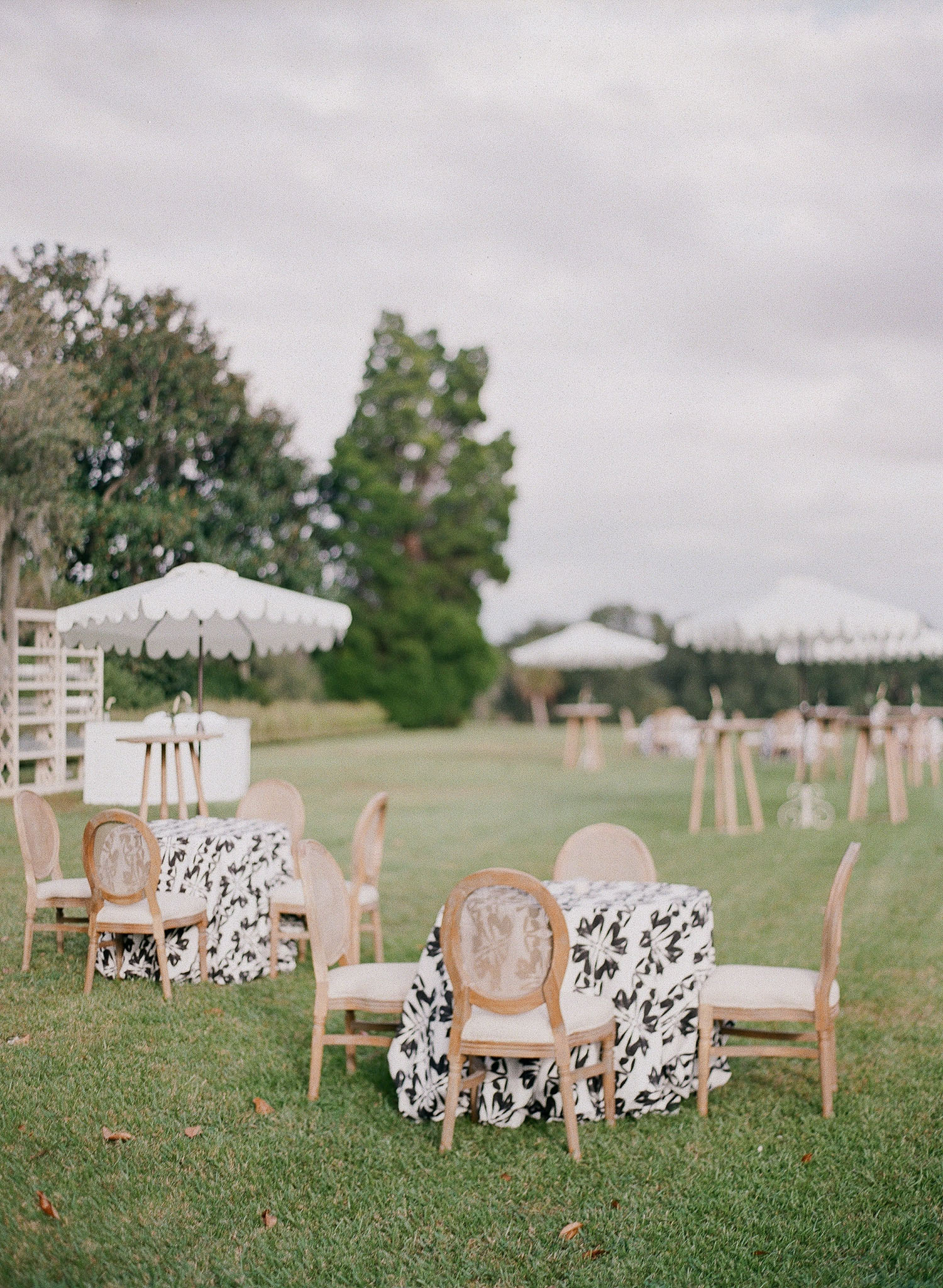
Planning a corporate event in Charlotte requires more than choosing a venue and placing a rental order. Every rental decision should support the purpose of the event, the guest experience, the brand presentation, and the logistical needs of the space. Tents, furniture, linens, tabletop items, staging, flooring, lighting, and décor all work together to create an event environment that feels polished, functional, and intentional.
Whether you are hosting a conference, client reception, employee celebration, product launch, networking event, or outdoor corporate gathering, the right rental plan can help define the atmosphere and improve the flow of the event. Early planning is especially important for events with outdoor spaces, technical requirements, large guest counts, or multiple vendors. By aligning rental choices with the event’s objectives from the beginning, planners can reduce last-minute changes and create a smoother experience for attendees.
In this guide, we’ll explore essential corporate event rentals in Charlotte, including tent selection, furniture planning, tabletop details, lighting strategies, staging, flooring, décor, and the value of working with an experienced local rental partner like Curated Events.
Comprehensive Guide to Corporate Event Rentals in Charlotte

Corporate events require rentals that support both design and operations. A beautiful space is important, but the event also needs to function well for guests, speakers, vendors, and internal teams. The best rental plans account for guest flow, seating needs, presentation areas, food and beverage service, branding, accessibility, power access, and setup logistics.
Before selecting rentals, clarify the event’s purpose. A networking reception will need a different layout than a seated leadership dinner, product launch, annual meeting, or company celebration. Once the objective is clear, each rental choice can be made with intention, from tent size and seating arrangements to lighting cues and tabletop details.
A strong rental plan should consider:
- Event goals and audience expectations
- Guest count and room layout
- Venue conditions and access points
- Power, lighting, and audiovisual needs
- Food and beverage service requirements
- Brand presentation and visual consistency
- Accessibility, safety, and vendor logistics
Thinking through these details early helps prevent overcrowded layouts, unclear traffic flow, insufficient lighting, or rentals that do not match the event’s tone.
Selecting Tents for Corporate Events

Tent rentals are essential for many outdoor corporate events in Charlotte. A tent provides shelter, defines the event space, and gives planners more control over the guest experience. It can also create a professional setting for dining, networking, presentations, receptions, and branded activations.
Before choosing a tent, conduct a site assessment. Review the available space, ground surface, slope, access points, nearby landscaping, vehicle access, power sources, and any venue or municipal requirements. Outdoor events may also require planning for weather, emergency access, ADA accessibility, lighting, climate control, and permits.
Frame Tents
Frame tents are versatile and can be installed on a range of surfaces, including pavement, patios, grass, and other event sites. Because they do not require center poles, they provide open interior space that works well for flexible layouts.
Frame tents are useful for events that need:
- Open layouts
- Flexible furniture placement
- Interior draping or lighting
- Installation on hard surfaces
- Clear guest circulation paths
They are a practical choice for corporate campuses, courtyards, parking areas, and venues where staking may be limited or restricted.
Pole Tents
Pole tents create a classic outdoor event look with distinctive peaks and a more traditional silhouette. They work well for upscale receptions, company celebrations, outdoor dinners, and branded gatherings where the tent itself contributes to the atmosphere.
Because pole tents typically require staking, they are best suited for grassy, open areas where proper anchoring is permitted. Planners should account for interior poles when arranging tables, bars, stages, dance floors, and guest pathways.
Clear-Span Tents
Clear-span tents provide large, open interiors without interior support poles. They are ideal for larger corporate events, exhibitions, awards ceremonies, conferences, and events requiring flexible layouts or significant production elements.
Clear-span tents can often support flooring, climate control, lighting, staging, and hard-sided options, making them a strong choice for more complex or year-round event needs. Because of their scale and installation requirements, they should be planned early with an experienced rental provider.
How to Choose the Right Tent Size and Style

Tent size should be based on guest count, event format, layout, and the additional elements that need to fit inside the structure. Basic square footage estimates can be helpful, but they should not be the only planning tool.
For seated events, planners often need more room for tables, chairs, service aisles, and place settings. Standing receptions may require less space per guest, but bars, lounge furniture, buffet stations, registration tables, and entertainment areas still need to be included.
When sizing a tent, consider space for:
- Guest seating or standing areas
- Dining tables and service aisles
- Bars and beverage stations
- Buffet or catering stations
- Staging and audiovisual equipment
- Dance floors or entertainment areas
- Lounge furniture
- Registration or check-in
- Back-of-house storage and staff movement
Choosing a slightly larger footprint can preserve flexibility and improve guest comfort, especially for events with multiple zones or uncertain final details.
Benefits of Tents for Outdoor Corporate Events
Tents allow businesses to host professional events in outdoor spaces while maintaining structure, comfort, and visual consistency. They can transform a lawn, courtyard, rooftop-adjacent space, or corporate campus into an event-ready environment.
Key benefits include:
Weather Protection
Tents help shield guests from sun, light rain, wind, and changing outdoor conditions. Depending on the season, planners may also add sidewalls, fans, heaters, flooring, or climate-control solutions.
Venue Flexibility
Tents allow companies to use outdoor spaces that may otherwise be difficult to activate. They can be installed in a variety of locations and adapted to the event’s purpose, layout, and guest count.
Design Control
A tent gives planners a defined space that can be customized with lighting, draping, flooring, furniture, signage, staging, and décor. This helps create a cohesive branded environment rather than a simple outdoor setup.
Operational Support
Tents also make it easier to plan catering, staging, lighting, sound, and guest movement. Compared with an open-air layout, a tented environment provides more structure for vendors and attendees.
Choosing Furniture for Corporate Events

Furniture affects how guests move, interact, sit, dine, and experience the event. The right furniture selections should support the event format while reinforcing the desired tone, whether the event is formal, modern, relaxed, hospitality-focused, or brand-forward.
Start by mapping event zones. Common zones include registration, networking, dining, presentations, breakout areas, lounge spaces, bars, sponsor displays, and entertainment areas. Each zone may require different furniture types.
Chairs
Chair selection should reflect both comfort and event style. For presentations or longer sessions, prioritize seating that supports guest comfort. For short receptions or casual gatherings, stylish stacking chairs, folding chairs, or accent seating may be appropriate.
Formal events may call for refined chair styles, while conferences and working sessions may require practical seating that supports note-taking and visibility.
Tables
Table selection influences dining, networking, service flow, and room layout. Round tables encourage conversation and are useful for seated dinners. Rectangular tables work well for formal dining, registration, displays, presentations, or buffet setups. Cocktail tables are effective for receptions and networking events.
When planning tables, account for guest movement, service routes, and spacing around food and beverage stations to prevent bottlenecks.
Lounge Furniture
Lounge furniture creates a more relaxed and welcoming environment. Sofas, lounge chairs, coffee tables, side tables, and ottomans can be used to create conversation areas, VIP sections, breakout spaces, or informal networking zones.
Lounge areas work especially well near bars, beverage stations, sponsor displays, or quieter corners where guests may want to have longer conversations.
Coordinating Furniture With Event Themes and Layouts
Furniture should support the event’s visual direction and practical layout. A cohesive furniture plan can make a venue feel more polished and connected to the company’s brand.
Consider the following:
Color Palette
Select furniture and accents that complement the event palette. Neutral pieces can create a refined foundation, while brand-inspired colors can be introduced through pillows, linens, florals, signage, or lighting.
Style Consistency
Furniture should match the tone of the event. A modern product launch may call for sleek lounge pieces and clean-lined tables, while an executive dinner may need more formal seating and refined finishes.
Layout Planning
Furniture placement should support guest flow. Leave clear routes between registration, bars, dining areas, stages, restrooms, and exits. Avoid placing furniture where it blocks service paths or creates congestion.
Linens and Tabletop Rentals

Linens and tabletop items add texture, color, and polish to a corporate event. These details are especially important for seated meals, client-facing gatherings, leadership dinners, galas, and events where hospitality is a key part of the experience. Read more in Corporate Event Photography and Videography_ Capturing Moments That Matter.
Linens
Tablecloths, runners, napkins, and specialty fabrics can help define the mood of the event. Neutral tones such as white, ivory, gray, and black are reliable for corporate settings, while bolder colors can be used as intentional accents. We cover this further in The Ultimate Guide To Corporate Event Planning.
For brand-led events, consider using company colors subtly through napkins, runners, or accent linens rather than overwhelming the space.
Tabletop Items
Plates, chargers, flatware, glassware, serving pieces, and table accessories should coordinate with the event’s level of formality. High-quality tabletop rentals can make the dining experience feel more polished and professional.
Centerpieces and Branded Details
Centerpieces, place cards, branded napkins, table numbers, and signage can reinforce the event theme. The strongest designs feel integrated, not excessive. For corporate events, subtle branding is often more effective than placing logos on every surface. For more detail, see our article Complete Guide to Corporate Event Rentals in Charlotte, NC.
Décor Elements That Create Memorable Corporate Events
Décor helps shape the guest experience and gives the event a more distinctive identity. For corporate events, décor should support the brand and purpose of the gathering without distracting from the program. For more detail, see our article Corporate Anniversary & Milestone Event Rentals in Charlotte.
Effective décor may include:
- Branded signage
- Floral arrangements
- Custom backdrops
- Product displays
- Entry moments
- Lounge accents
- Stage décor
- Tabletop details
- Interactive installations
- Color-coordinated design elements
The goal is to create a space that feels intentional, visually engaging, and aligned with the company’s message.
Staging and Flooring Solutions
Staging and flooring help organize the event space and support presentations, performances, dining, dancing, and guest movement.
Staging
Staging is important for events with speakers, panels, awards, product reveals, entertainment, or leadership remarks. It gives the program a clear focal point and improves visibility for attendees.
When selecting staging, consider:
- Audience size
- Room layout
- Sightlines
- Speaker access
- Podium or screen placement
- Lighting and AV requirements
- Accessibility needs
- Load-bearing requirements
Stage placement should work with the seating plan and should not block exits, service paths, or major circulation areas.
Flooring
Flooring can improve safety, comfort, and aesthetics, especially for outdoor events or temporary installations. Options may include carpet, hardwood, laminate, dance floors, or raised flooring systems.
For outdoor events, flooring can create a level, stable surface and help protect guests from mud, uneven ground, or soft terrain. For indoor events, flooring can define event zones and enhance the overall design.
Lighting Ideas for Corporate Events in Charlotte

Lighting is one of the most effective ways to transform a corporate event. It shapes atmosphere, highlights key areas, supports branding, and improves visibility for guests, speakers, and vendors.
A layered lighting plan typically includes ambient, accent, and task lighting.
Ambient Lighting
Ambient lighting provides the overall illumination for the room or tent. It ensures guests can move comfortably and helps establish the event’s mood.
Accent Lighting
Accent lighting highlights specific features such as stages, signage, branded displays, floral arrangements, bars, lounge areas, or architectural details. Uplighting, pin spots, and logo projections can help create a more branded environment.
Task Lighting
Task lighting supports functional areas such as registration tables, buffet stations, bars, presentation areas, and back-of-house spaces. These areas need clear visibility to operate smoothly.
Using Lighting to Highlight Branding
Lighting can reinforce brand identity without overwhelming the event design. Brand colors can be introduced through uplighting, color washes, gobos, stage lighting, or accent lighting around displays.
Logo projections can work well on walls, floors, backdrops, or stage areas, but they should be tested for legibility and scale before the event. Subtle, consistent use of brand colors often feels more elevated than heavy-handed branding.
Why Expert Event Consultation Matters
Corporate events involve multiple moving parts, and expert consultation can help align design, logistics, safety, and budget. A rental consultant can evaluate the event objectives, site conditions, guest count, venue rules, delivery access, and technical needs before recommending rental items.
Consultants can help with:
- Rental selection
- Tent sizing and placement
- Furniture layouts
- Lighting recommendations
- Staging and flooring needs
- Power and access considerations
- Vendor coordination
- Delivery and setup timelines
- Budget prioritization
- Contingency planning
This guidance can reduce risk and make the planning process more efficient.
How Personalized Consultation Supports Rental Planning
A personalized rental consultation helps ensure that every selected item supports the event’s purpose. Instead of ordering rentals category by category, planners can build a cohesive plan based on layout, guest experience, brand identity, and operational needs.
A strong consultation may include:
- A needs assessment
- Site visit or venue review
- Recommended rental list
- Layout guidance
- Timeline planning
- Delivery and setup coordination
- Review of venue restrictions
- Contingency recommendations
This process helps planning teams visualize the event before final commitments are made.
Benefits of Working With Local Charlotte Event Experts
Working with local Charlotte rental professionals can simplify planning and improve execution. Local teams understand regional venues, seasonal considerations, permitting requirements, vendor networks, and common logistical challenges.
Benefits include:
Local Venue Knowledge
A Charlotte-based team may already understand the load-in process, access limitations, preferred layouts, and restrictions at many local venues.
Established Vendor Relationships
Local rental companies often have working relationships with caterers, planners, florists, AV providers, venues, and production teams. These relationships can make coordination smoother.
Faster Response and Support
Local teams may be better positioned to address last-minute needs, make adjustments, or provide on-site support when required.
Regional Planning Insight
Charlotte events may involve outdoor weather planning, venue-specific tenting rules, municipal requirements, and seasonal demand. Local expertise can help planners avoid preventable issues.
Frequently Asked Questions
How far in advance should I book corporate event rentals?
Corporate event rentals should be booked as early as possible, especially for large events, peak seasons, outdoor events, or gatherings that require tents, staging, specialty furniture, lighting, or custom items. A planning window of several months is often helpful because it allows time for site visits, layout planning, inventory selection, and vendor coordination.
Can I customize rental items to match my brand?
Yes. Many rental elements can support branding through color, style, signage, linens, lighting, tabletop details, furniture selections, and décor. Custom-printed items, branded backdrops, logo projections, and brand-color accents can also help reinforce corporate identity.
For custom pieces, request samples, mockups, or previous installation photos when possible. Confirm production timelines and proofing requirements early to avoid last-minute issues.
What should I consider when planning for weather at outdoor events?
Outdoor events should include a weather plan that accounts for rain, wind, sun, heat, cold, and ground conditions. Tents, sidewalls, flooring, fans, heaters, and climate-control equipment may be needed depending on the season and venue.
Planners should also confirm communication protocols with vendors so weather-related decisions can be made quickly if conditions change.
Are there restrictions on tent placement in Charlotte?
Tent placement may be subject to venue rules, local regulations, permitting requirements, size limits, setback distances, anchoring rules, and safety standards. Confirm these requirements early with the venue, rental company, and any relevant local authorities.
Some venues may also require engineered drawings, inspections, specific ballast methods, or approval for generators and electrical systems.
What are the benefits of using local rental companies for corporate events?
Local rental companies bring knowledge of Charlotte venues, regional event logistics, vendor relationships, and local requirements. They may also provide more responsive support for site visits, last-minute adjustments, delivery coordination, and event-day needs.
Conclusion
The right corporate event rentals can improve both the atmosphere and functionality of an event. Tents, furniture, linens, tabletop rentals, staging, flooring, lighting, and décor all contribute to how guests experience the space and how smoothly the event operates.
For Charlotte corporate events, successful rental planning starts with clear objectives, an accurate guest count, a thoughtful layout, and early coordination with vendors. Outdoor events may also require additional attention to tents, weather planning, power, access, flooring, and safety requirements. Ready to plan? Request a quote from Curated Events Charlotte.
Curated Events can help companies plan corporate event rentals in Charlotte with a full-service approach that supports design, logistics, and execution. With thoughtful rental selections and experienced local guidance, businesses can create events that feel polished, professional, and aligned with their goals.