
Outdoor event planners and hosts often face a central tradeoff: maximize natural light and views or prioritize warmth, privacy, and thermal control. This guide explains clear roof tents and partial roof tents, compares their operational strengths, and offers practical winter-focused strategies so you can choose the right structure for weddings, corporate gatherings, and seasonal celebrations. You will learn how transparent materials transmit daylight and starry-night ambience, why opaque panels retain heat more efficiently, and when hybrid approaches best reconcile aesthetic goals with comfort requirements.
The article maps key topics: clear-top tent benefits and challenges, partial-roof thermal advantages and design flexibility, winter heating and insulation tactics, lighting and décor strategies tailored to each roof type, and cost/setup/maintenance comparisons. Throughout, semantic concepts like NaturalLight, HeatRetention, EventHeating, and Insulation are used to connect technical guidance with creative styling so your decision balances ambience and guest comfort.
What Are Clear Roof Tents and Their Key Benefits for Outdoor Events?

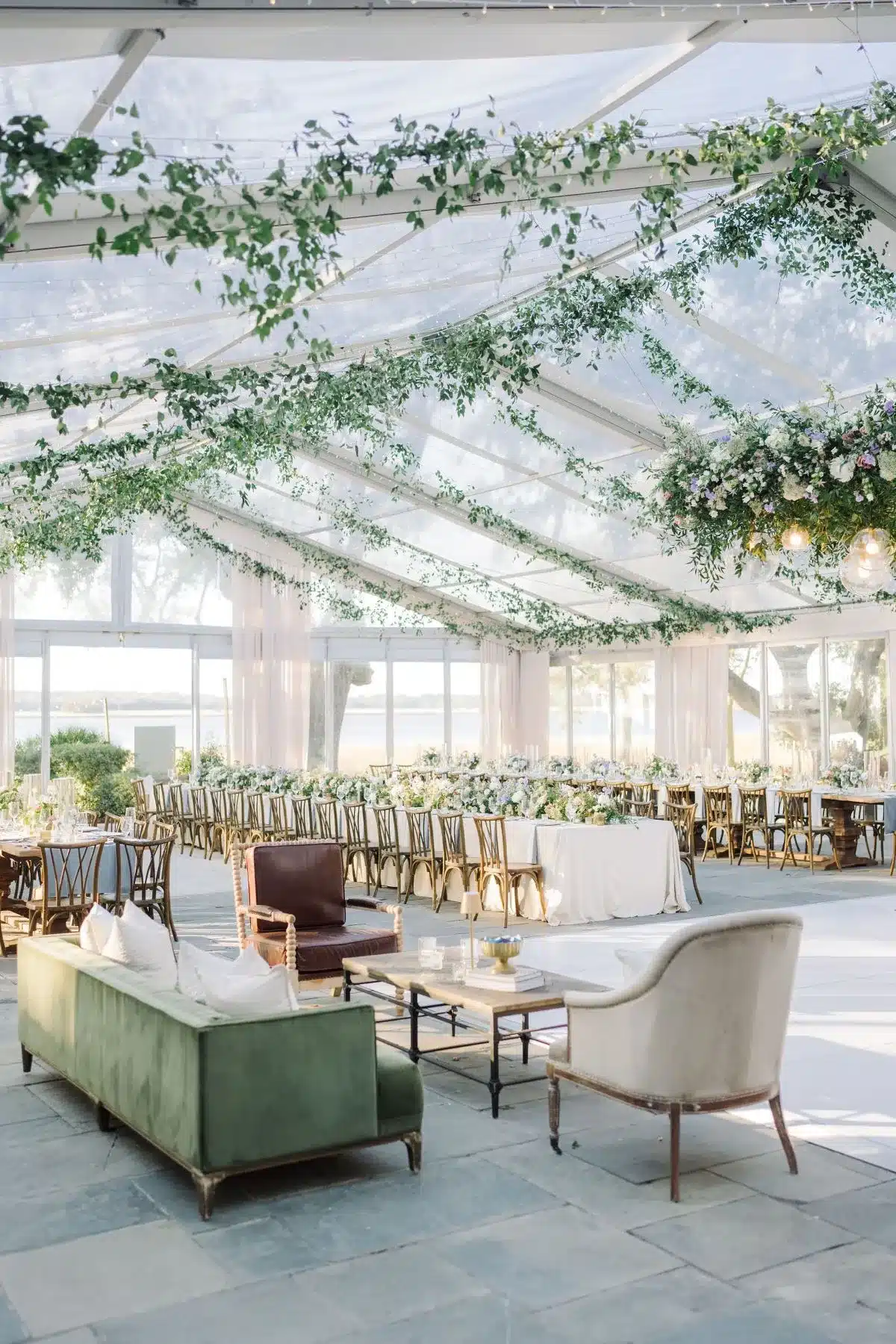
Clear roof tents are temporary event structures whose roofs use transparent vinyl or clear span panels to transmit daylight and preserve sightlines, creating an immersive connection between venue and sky. This mechanism increases natural light levels and supports photography by providing even soft illumination during daytime, while at night the transparent roof reveals stars and installed canopy lighting. The primary benefit is aesthetic: unobstructed views and a design-forward canvas that showcases greenery ceilings, suspended florals, and landscape backdrops. Clear roof tents also support sustainability goals by reducing daytime artificial lighting needs through passive daylighting.
Clear roofs offer distinct use cases for weddings and upscale receptions where ambiance and imagery matter, though they require operational planning for glare and heat. Below are the core benefits to consider when comparing clear roof tents vs partial roof tents.
These notable advantages make clear tops an attractive choice for day-to-night events and photographic priorities, which leads into how transparency specifically affects lighting and visual design.
Clear roof tents enhance natural light and event aesthetics in several measurable ways:
- Unobstructed Views: Transparent roofs preserve sightlines to trees, architecture, or the night sky, improving guest experience and photography.
- Daytime Light Quality: Natural daylight diffusion through clear panels produces softer colors and reduces the need for heavy overhead fixtures.
- Design Integration: Clear spans create a neutral canvas for suspended greenery, floral ceilings, and illuminated focal points that read well in photos.
These benefits translate into memorable visual experiences, though they also introduce the need for careful glare and temperature management.
How Do Clear Roof Tents Enhance Natural Light and Event Aesthetics?
Transparent roofing functions by allowing a high percentage of visible light to pass through, so NaturalLight reaches the interior and enhances color fidelity and mood. This light transmission supports photography by reducing harsh artificial shadows and enabling a more natural, flattering look on subjects across the event timeline. Designers exploit this by suspending greenery ceilings and delicate fixtures that read against the sky, converting the roof into an active design element rather than a barrier. For dusk transitions, dimmable layered lighting and strategic uplighting preserve silhouette and star effects while keeping visual warmth for guests. Understanding these mechanisms helps planners orchestrate a seamless day-to-night ambience that leverages the clear roof for both functional illumination and striking visuals.
What Are the Common Challenges of Using Clear Roof Tents?
The most common operational challenge is heat retention: solar gain in clear materials creates a greenhouse effect that raises interior temperature, so HeatRetention must be managed with ventilation, shading, or active climate control. Clear roofs can also produce reflections and glare that complicate lighting placement and photography if fixtures or hanging décor are not carefully oriented. Maintenance demands include frequent cleaning of transparent vinyl to avoid haze and attention to snow-shedding in cold climates; transparent surfaces reveal streaks more readily than opaque canopies. Mitigation strategies—vent placement, solar shades, partial liners, and scheduled cleaning—address these issues while preserving the design advantages that make clear tents desirable.
These operational considerations naturally lead to comparing the more thermally efficient alternative: partial roof tents and their practical benefits.
Why Choose Partial Roof Tents? Practical Benefits and Design Flexibility Explained

Partial roof tents use a mix of opaque roofing materials and clear or open sections to combine shade, insulation, and designable surfaces, delivering practical thermal performance and privacy. Opaque panels block direct solar gain and improve HeatRetention management in cooler weather, while the hybrid layout leaves room for visual accents and controlled natural light where desired. The design flexibility allows branding, projection, and large-format drapery that become functional surfaces, making partial roof tents useful for corporate events and cold-weather weddings. Because opaque materials hide mechanical installations, partial roof tents easily incorporate heating systems, liners, and acoustic treatments without exposing the equipment to guests.
Partial roofs are ideal when warmth, wind protection, and guest privacy are priorities, and when event budgets must control heating loads. Below is a concise view of why many planners prefer partial roof tents for winter-focused events.
Partial roof tents provide these practical benefits in clear contrast to fully transparent canopies:
- Improved Thermal Performance: Opaque roofing reduces direct heat loss and limits solar heat gain when needed.
- Privacy and Branding: Solid panels create surfaces for signage, projections, and controlled sightlines.
- Integration with Climate Control: Concealed spaces make heater placement and ducting simpler and more visually discreet.
These advantages make partial roof tents a durable and versatile choice for colder seasons, which frames the next discussion on the specific mechanisms that deliver shade and warmth.
How Do Partial Roof Tents Provide Shade, Warmth, and Privacy?
Opaque roofing materials and insulated liners act as barriers to radiant heat loss and direct sunlight, so partial roof tents maintain a more stable interior temperature than clear structures. Sidewalls—especially closed or lined walls—reduce convective heat loss and block wind, which increases perceived warmth and reduces needed heating capacity. The solid surfaces also offer privacy and acoustical dampening, improving conversation comfort in corporate or intimate events. For operational efficiency, place heaters centrally and use reflective liners to direct heat; combine with strategic ventilation to avoid pooling of combustion-generated gases in fuel-fired systems. These material and placement strategies optimize warmth without sacrificing design intent.
While partial roof tents offer significant thermal advantages, maintaining comfortable temperatures in any tent during winter requires careful consideration of heating and insulation, as highlighted by studies on temporary shelters.
What Design and Climate Control Options Make Partial Roof Tents Versatile?
Partial roof tents pair well with forced-air heating, electric radiant panels, and insulated liner systems to create a layered thermal envelope appropriate for winter events. Drapery and liners add both visual warmth and insulation value, while integrated flooring reduces ground chill and improves guest comfort. Sound-dampening fabrics and soft textiles also improve acoustics for speeches and music, enabling a more refined ambience. HVAC compatibility—particularly for tent-ready electric or radiant systems—makes partial roofs a superior platform for heavier climate control when required.
How to Balance Light and Warmth When Selecting Tents for Winter Events?

Selecting the right tent for winter events requires weighing NaturalLight benefits against HeatRetention demands, and often leads to hybrid solutions that combine clear and opaque elements. Decision criteria include event time-of-day, photographic priorities, expected temperature range, snow and wind loads, and heating budget; these factors determine whether a clear roof, a partial roof, or a hybrid layout will produce the desired ambience without compromising safety.
Hybrid tents—partial clear spans paired with opaque roofing over service or heating zones—allow guests to enjoy sky views while concentrating heating where it’s most needed. Operational steps such as confirming heating capacity, ensuring proper ventilation, and selecting closed sidewalls and insulation liners are essential to a winter-ready design.
The table compares tent roof type, insulation needs, and typical heating compatibility so planners can match choices to winter conditions.
This comparison clarifies that tent selection should reflect both aesthetic priorities and realistic heating constraints, which brings us to specific heating and insulation solutions.
What Are the Best Heating and Insulation Solutions for Winter Event Tents?
Effective winter setups typically combine insulation liners, closed sidewalls, and appropriately sized heating systems to create a comfortable envelope; forced-air heaters move large volumes of air while radiant heaters provide targeted warmth for seated guests. Forced-air systems are efficient for quickly changing temperatures and large open plans, whereas radiant heaters deliver localized comfort without excessively warming the entire air volume—beneficial under clear roofs where overheating and ventilation must be balanced. Insulation liners and floor systems reduce heat loss through ceilings and ground contact, improving overall efficiency. Safety considerations—clearances, ventilation for combustion-based heaters, and certified installation—must be prioritized in every plan.
When Should You Choose Clear Roof vs. Partial Roof Tents for Cold Weather?
Choose a clear roof tent when daytime natural light and photographic priorities outweigh increased heating demands and when heating capacity is sufficient to maintain guest comfort; clear roofs are also suitable when a short nighttime window of stargazing is crucial and budget allows for robust climate control. Select partial roof tents when evening warmth, privacy, or budget constraints make reduced heating loads and concealed HVAC preferable; partial roofs are the pragmatic choice for long-duration winter receptions. For many events, a hybrid tent balances these tradeoffs by allocating clear spans for visual impact and opaque sections where heating and service infrastructure are concentrated. Use this decision flow: prioritize vision and imagery for daytime events with robust heating; prioritize thermal control and privacy for evening or budget-limited events.
These guidelines prepare planners to design lighting and décor that reinforce warmth and atmosphere, which is explored next.
How Can Lighting and Decor Enhance Ambience in Clear and Partial Roof Tents?
Lighting and décor choices transform functional tents into memorable environments by addressing glare, color temperature, and tactile warmth—especially important in winter. In clear roof tents, lighting must be layered and low-glare to preserve views through the roof while enhancing focal areas like the head table and dance floor. In partial roof tents, warmer color temperatures and layered textiles create coziness while concealing mechanical elements. Decorative choices—rugs, textured linens, greenery, and suspended installations—add perceived warmth and visual interest, while strategic placement of heaters within décor maintains safety and aesthetics. Applying lighting design principles supports both photography and guest comfort across roof types.
Below is a table mapping tent types to recommended lighting and décor options to help with practical planning.
This mapping highlights lighting and decor pairings that balance ambience and functionality for each tent roof type.
This table shows how lighting and décor choices can compensate for each roof type’s strengths and limitations, informing the more detailed tactics that follow.
What Lighting Strategies Work Best for Clear Roof Tents?
To maintain views and minimize reflections in clear roofs, use low-profile string lights and remote uplighting pointed at suspended greenery rather than the transparent plane, which reduces glare and preserves star visibility. Dimmable layers allow a smooth transition from daylight to evening without creating strong reflections on the clear surface; place primary fixtures below eye line and use narrow-beam pin spots for focal elements. Color temperature between 2700K and 3000K provides visual warmth without shifting photographic color balance too far toward amber. Alt-text for images should describe both the lighting technique and the preserved sky view for accessibility and semantic clarity.
How to Create a Cozy Winter Ambience with Partial Roof Tent Decor?
Create warmth through textiles—wool rugs, velvet drapery, and insulated liners—that add both insulation value and tactile comfort, while pairing them with warm LED uplighting and candlelike centerpieces to create intimacy. Conceal heaters with decorative housings or integrate radiant panels above seating zones to provide warmth without exposing mechanical hardware visually. Use layered seating and clustered lounge areas to increase perceived warmth and encourage guest interaction, and choose rich, warm color palettes for linens and florals to reinforce seasonal ambience. These design tactics increase guest comfort while maintaining the practical benefits of opaque roofing.
What Are the Key Differences in Cost, Setup, and Maintenance Between Clear and Partial Roof Tents?
The differences between clear roof and partial roof tents come down to materials, installation demands, and upkeep. Clear roof tents use premium vinyl and specialized framing that create stunning transparency but increase rental costs and heating requirements. Partial roof tents, while typically more budget-friendly, may involve added labor for liner installation or HVAC concealment.
Setup complexity also varies. Clear roof structures require precise tensioning and experienced crews to achieve a flawless, crystal-clear appearance without visible seams. Partial roof tents are often quicker to assemble but call for careful integration of liners and drapery to maintain a refined interior aesthetic.
Maintenance needs differ as well. Transparent materials require regular cleaning and inspection to prevent clouding or scratches, while all tent types in winter climates must follow snow and ice removal protocols to ensure structural safety.
To help planners compare at a glance, the table below outlines key distinctions in cost, setup, and maintenance:
This comparison helps planners balance design goals, budget priorities, and maintenance expectations when selecting a tent style.
How Do Rental Costs Vary Between Clear Roof and Partial Roof Tents?
Rental pricing depends on size, material specifications, and accessory requirements. Clear-top tents command a premium for their striking aesthetic but may also increase heating and cleaning costs, especially for winter installations. Add-ons such as flooring, sidewalls, insulation liners, and professional lighting or heating systems can substantially affect the total rental investment for any roof type.
Seasonal timing and site conditions also play a role. Winter events, limited crew availability, and venues requiring snow-load accommodations typically drive costs higher. To manage expenses while maintaining comfort, prioritize essential upgrades like enclosed sidewalls, insulation, and safety-rated heating systems.
What Are the Maintenance and Setup Considerations for Each Tent Type?
Before setup, conduct thorough inspections of frames, seams, and heating clearances to ensure safety and stability. For clear roof tents, schedule professional cleaning before the event to eliminate haze or fingerprints that can appear in photos, and confirm that tensioning crews follow snow-shedding best practices.
Partial roof tents require extra attention to liner attachments and drapery anchoring to prevent movement or heat loss in windy or cold conditions. After the event, inspect all vinyl and fabric components for wear, clean liners to preserve insulation performance, and document heater maintenance following heavy use.
By addressing these operational details early, planners and rental professionals can ensure every tent—whether clear, partial, or hybrid—performs flawlessly and maintains its visual appeal throughout the season.
How Does Curated Events Support Your Tent Selection for Sophisticated Winter and Year-Round Events?
Curated Events offers consultative rental services that pair design-forward tent options—such as clear-top tent with greenery ceiling décor—with practical winterization capabilities to help clients achieve both ambience and comfort. Their approach is focused on elevating gatherings by providing high-quality event rentals and exceptional service, combining visual strategy with operational planning. Curated Events supplies tents, accessories, and practical guidance so planners can select clear, partial, or hybrid tent systems that meet photographic goals, thermal requirements, and safety constraints. As a service partner, they can advise on liner selection, heater compatibility, sidewall strategies, and décor pairings to realize a cohesive event plan.
Curated Events’ consultative process emphasizes site assessment, equipment coordination, and design alignment to reduce risk while preserving the intended ambience for winter occasions. Their team evaluates the event timeline, expected weather, and image priorities to recommend tent types and accessory packages that balance heat load and natural light. This combination of design sensibility and technical planning supports clients in achieving memorable, comfortable events.
What Expert Guidance Does Curated Events Offer for Tent Rentals?
Curated Events provides site and climate assessment, heating and load analysis, and tailored design recommendations to match tent selection with event objectives while ensuring operational safety. They help clients weigh clear-top tent aesthetics against heating capacity, propose hybrid arrangements for zoned comfort, and suggest sidewall and flooring packages that improve insulation. Their guidance includes coordination of installation crews and scheduling to ensure peak conditions—like daylight transitions or evening stargazing—are optimized within thermal constraints. This consultative support streamlines decision-making and integrates technical considerations into a cohesive design plan.
How Have Clients Benefited from Clear and Partial Roof Tent Solutions?
Clients working with Curated Events have experienced elevated ambience and effective winter comfort through thoughtful combinations of tent type, heating systems, and décor strategies that prioritize both image and guest experience. By aligning tent choice with heating capacity and décor plans, clients achieve visually striking events while avoiding common pitfalls like overheating, glare, or excessive energy use. The consultative process also reduces operational risk through pre-event assessments and careful coordination of installation, heating, and maintenance tasks. These outcomes reflect the company’s mission to elevate gatherings by providing high-quality event rentals and exceptional service and translate design aspirations into reliable event execution.
- Key Takeaway: Match visual goals to heating budget and site constraints to choose the most appropriate tent type.
- Actionable Step: Use hybrid layouts when you need both sky views and controlled warmth to optimize guest comfort.
- Planning Reminder: Always specify closed sidewalls, liners, and certified heating when operating in winter conditions to ensure safety and comfort.
These practical takeaways connect the technical guidance in this article to implementable steps for planners and hosts.
Frequently Asked Questions
What are the main considerations when choosing between clear roof and partial roof tents for winter events?
When selecting between clear roof and partial roof tents for winter events, consider factors such as natural light needs, heating capacity, and guest comfort. Clear roof tents excel in providing stunning views and daylight, but they require robust heating solutions to manage heat loss. In contrast, partial roof tents offer better thermal performance and privacy, making them ideal for colder conditions. Assess the event’s timing, expected temperatures, and budget constraints to determine the best fit for your specific needs.
How can I effectively manage temperature in clear roof tents during winter?
To manage temperature in clear roof tents during winter, implement strategies such as using high-capacity heating systems, installing insulation liners, and ensuring proper ventilation. Consider adding reflective materials to direct heat towards guests and minimize heat loss. Additionally, using sidewalls can help block wind and retain warmth. Regular maintenance, including cleaning the tent to prevent haze, is also crucial to ensure optimal performance and comfort for your guests.
What types of heating systems are compatible with partial roof tents?
Partial roof tents are compatible with various heating systems, including forced-air heaters and electric radiant panels. These systems can be easily integrated into the tent’s design, allowing for effective climate control without compromising aesthetics. Forced-air heaters are ideal for quickly warming larger spaces, while radiant panels provide localized warmth for seated areas. Ensure that the heating system is appropriately sized for the tent’s dimensions and insulation levels to maintain a comfortable environment.
How do I enhance the ambiance of a clear roof tent during evening events?
To enhance the ambiance of a clear roof tent during evening events, focus on layered lighting strategies that minimize glare while highlighting key areas. Use low-profile string lights, uplighting, and dimmable fixtures to create a warm, inviting atmosphere. Incorporate decorative elements like suspended greenery and soft textiles to add visual interest. Additionally, consider the color temperature of your lighting, aiming for warmer tones to complement the natural beauty of the night sky and create a cozy environment for guests.
What are the maintenance requirements for clear roof tents compared to partial roof tents?
Clear roof tents require more frequent maintenance than partial roof tents due to their transparent materials, which can show dirt and streaks more readily. Regular cleaning is essential to maintain visibility and aesthetics. In contrast, partial roof tents may require less frequent cleaning but still need routine inspections of liners and heating systems. Both types should have snow and ice removal protocols in place to ensure safety and structural integrity during winter events.
Can I use hybrid tents for winter events, and what are their advantages?
Yes, hybrid tents can be an excellent choice for winter events as they combine the benefits of both clear and partial roof designs. Hybrid tents allow for natural light and stunning views while providing thermal control and privacy where needed. This flexibility enables event planners to create visually appealing spaces that also meet heating requirements. By zoning the tent with clear spans for ambiance and opaque sections for heating, you can optimize guest comfort and experience.
What are some creative décor ideas for enhancing warmth in partial roof tents?
To enhance warmth in partial roof tents, consider using rich textiles such as velvet drapery, wool rugs, and insulated liners that add both comfort and visual appeal. Layered seating arrangements and clustered lounge areas can create intimate spaces that encourage guest interaction. Incorporate warm LED uplighting and candle-like centerpieces to foster a cozy atmosphere. Additionally, using warm color palettes for linens and floral arrangements can reinforce the seasonal ambiance and enhance the overall guest experience.
Conclusion
Choosing the right tent for your outdoor event can significantly enhance both the aesthetic and comfort levels, balancing natural light with warmth and privacy. Clear roof tents offer stunning views and daylight benefits, while partial roof tents provide superior thermal performance and design flexibility. By understanding the unique advantages of each option, you can create a memorable experience tailored to your specific needs. Explore our expert tent rental services today to find the perfect solution for your next event.