
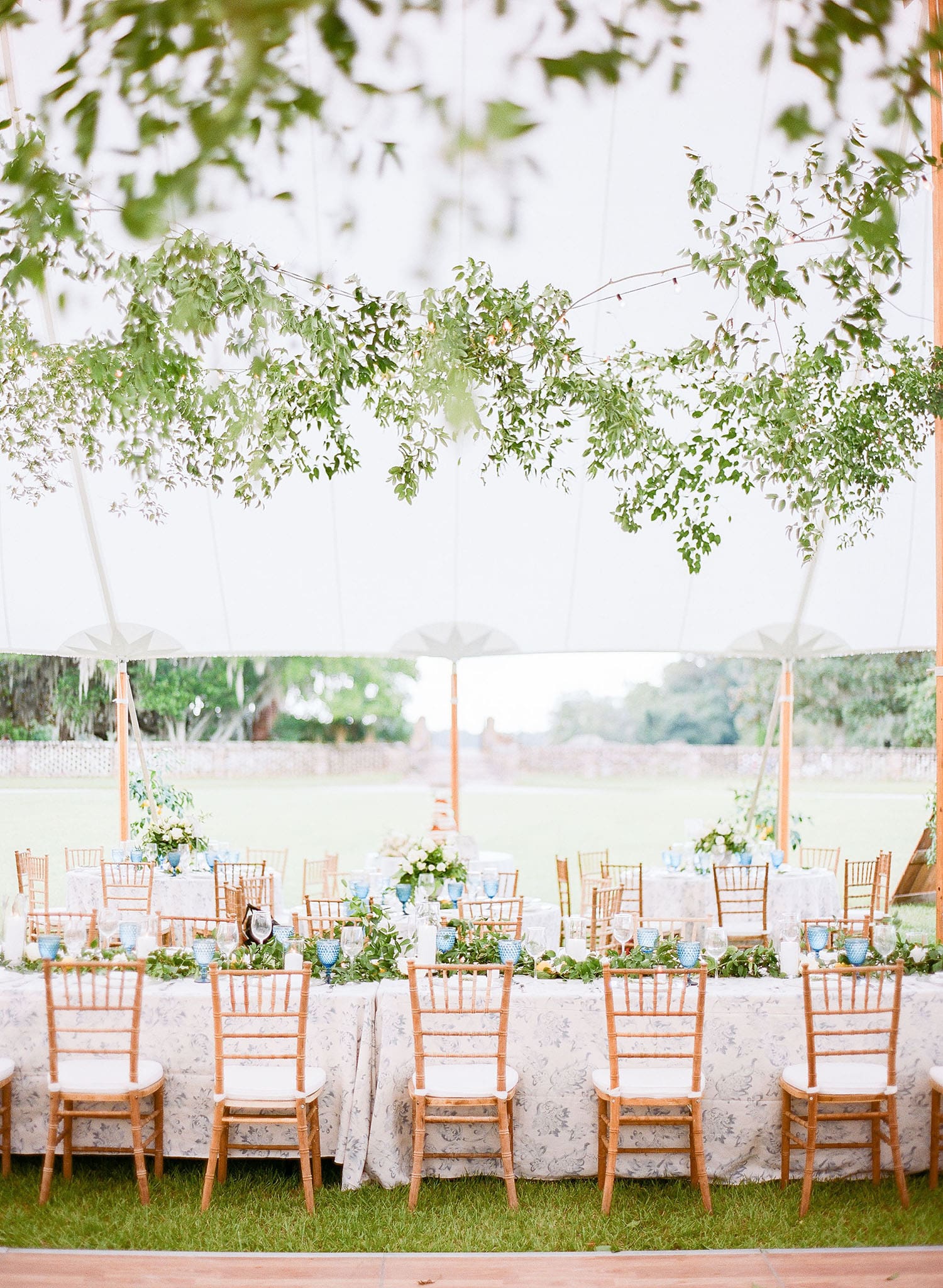
Outdoor events in Charlotte, NC combine beautiful settings with a need for careful planning to ensure comfort, style, and reliability. Tent rentals provide a structured and visually refined environment that allows events to take place with confidence, regardless of weather conditions. From weddings and corporate functions to private celebrations, a well-selected tent helps establish the tone of the event while supporting a smooth guest experience.
This guide outlines the essential considerations for renting a tent in Charlotte, including available tent styles, sizing guidelines, pricing factors, and booking timelines. It also covers practical planning insights such as layout coordination and complementary rentals, helping you create a cohesive event setup that feels intentional and professionally executed.
Why Tent Rentals Are Essential for Outdoor Events in Charlotte
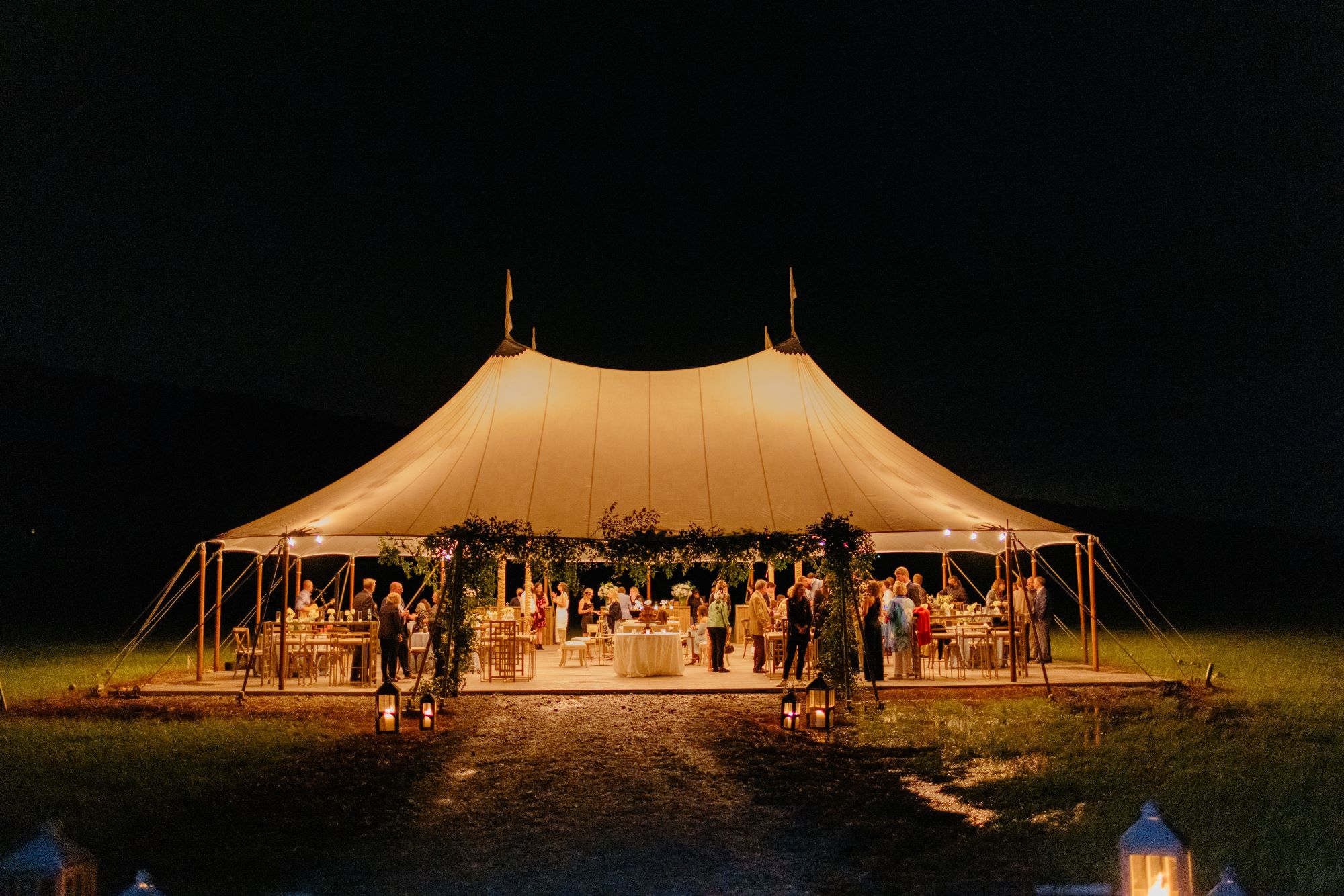
Charlotte’s outdoor event scene includes everything from garden weddings to corporate functions hosted on private properties and curated venues. A tent provides the structure needed to manage environmental conditions while supporting a polished and organized setup. It allows hosts and planners to maintain control over layout, flow, and guest experience in settings that would otherwise be unpredictable.
Reliable weather protection is a primary benefit, especially in a region where heat, humidity, and sudden rain can affect event conditions. Tents create a shaded and sheltered environment that keeps guests comfortable throughout the event. Beyond function, tents also serve as a design foundation. With the right configuration, they establish a cohesive atmosphere that aligns with the event’s aesthetic goals, whether formal, modern, or relaxed. Their adaptability makes them suitable across a wide range of venues, including private estates, dedicated event spaces, and open outdoor locations.
Types of Tents Available for Rent in Charlotte, NC
Charlotte offers a diverse selection of tent styles to suit different event sizes, layouts, and design preferences. Each type provides distinct structural and visual advantages, allowing planners to select an option that aligns with both the venue conditions and the overall event vision.
Frame Tents
Frame tents use a self-supporting structure that eliminates the need for interior center poles, which creates an open and flexible layout. This design works well on surfaces such as concrete, asphalt, or patios where staking may not be possible. The unobstructed interior allows for efficient placement of tables, staging, and décor elements.
Their streamlined appearance complements modern event designs and supports a wide range of customizations, including lighting installations, draping, and sidewalls. This versatility makes frame tents a practical choice for both corporate gatherings and private events where layout flexibility is a priority.
Pole Tents
Pole tents feature a central pole structure that creates high peaks and a sweeping canopy silhouette. This style introduces a traditional and visually striking profile that is often associated with weddings and large outdoor celebrations. The elevated peaks add dimension and enhance the overall ambiance of the event space.
They perform best on grass or soft surfaces where staking is feasible, and they require additional surrounding space for proper setup. Their visual appeal and scale make them well suited for open landscapes and venues that can accommodate their footprint.
Clear-Span Tents
Clear-span tents provide a fully open interior supported by a robust frame system, allowing for expansive layouts without interior obstructions. This structure supports large-scale events that require significant space for dining, staging, entertainment, and guest movement.
Their capacity and structural stability make them a preferred option for high-end events, corporate functions, and multi-day installations. Clear-span tents also accommodate advanced design elements, including suspended lighting, large-scale décor, and integrated flooring systems.
Specialty & Designer Tents
Specialty tents introduce distinctive design elements that elevate the visual experience of an event. Sailcloth tents, for example, use translucent fabric and sculpted peaks to create a soft, natural glow during daytime events and a warm ambiance in the evening. Clear-top tents offer unobstructed views of the sky, making them particularly appealing for evening events or scenic locations.
Custom configurations allow planners to tailor tent layouts to unique site conditions or creative concepts. These options support a more personalized approach, helping events stand out while maintaining a cohesive and refined presentation.
How to Choose the Right Tent Size for Your Event
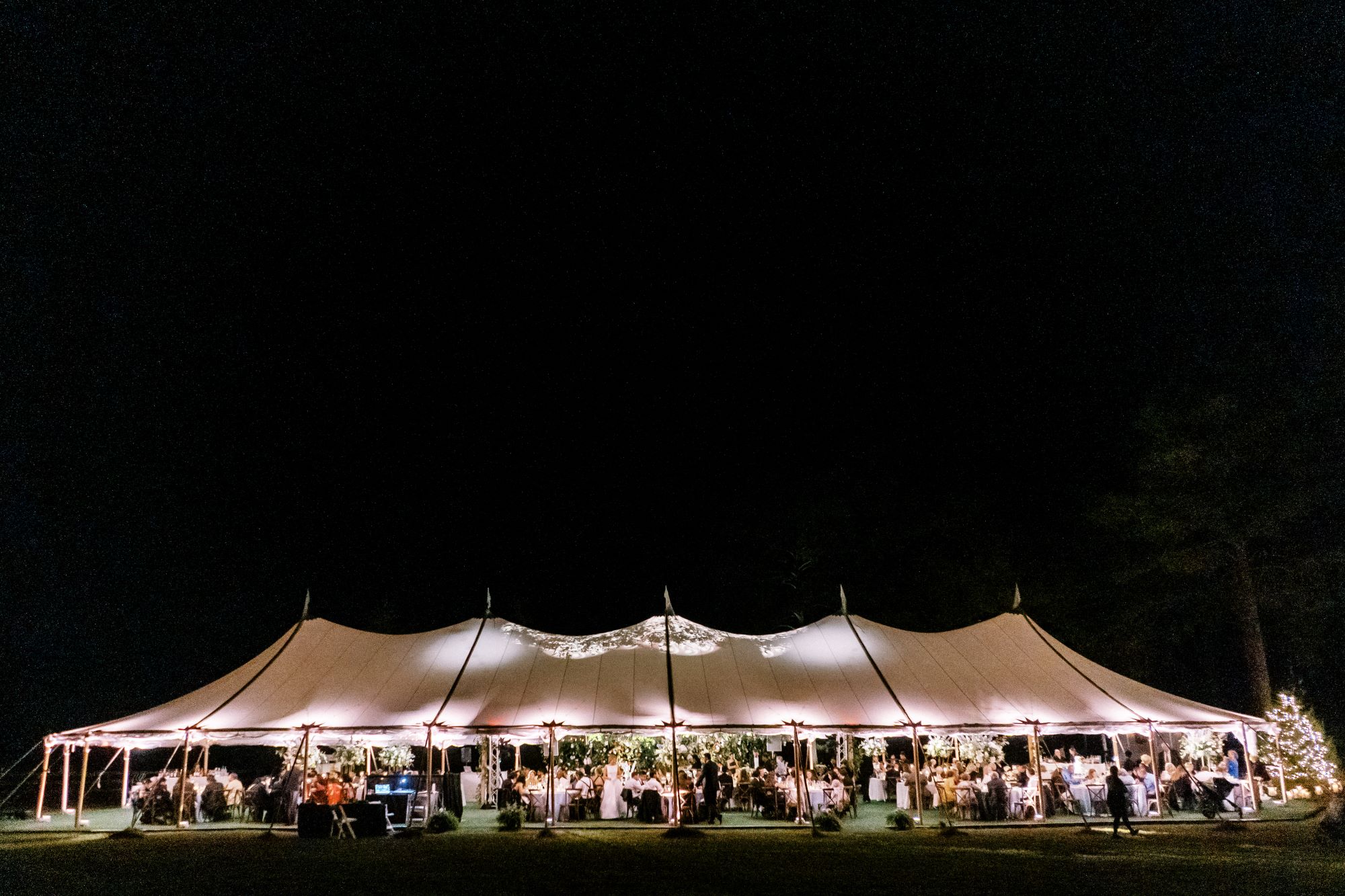
Selecting the correct tent size requires a clear understanding of guest count, event format, and how the space will be used throughout the event. A well-planned layout supports comfortable movement, efficient service, and a balanced visual presentation. Careful sizing prevents overcrowding while ensuring the tent does not feel underutilized.
Guest Count and Layout Planning
Guest count serves as the starting point, but layout decisions determine how much space is actually required. A standing reception allows for a more compact footprint, while seated events require additional room for tables, chairs, and circulation. Events that include features such as dance floors, stages, bars, or catering stations need further space allocation to maintain flow and functionality.
A thoughtful layout accounts for how guests move through the space during key moments, including arrivals, dining, and transitions between activities. Allocating defined areas for each function helps maintain organization and supports a smooth experience for both guests and vendors.
General Space Guidelines
Industry guidelines provide a reliable baseline for estimating tent size. Cocktail-style events typically require around 10 square feet per guest, while seated events require closer to 15 square feet per guest. These estimates help establish a starting point, which can then be adjusted based on specific layout elements and design priorities.
Additional features such as lounge areas, buffet lines, or entertainment setups will increase overall space requirements. Working with a rental provider to develop a scaled layout ensures that all elements fit comfortably within the tent footprint.
Site Considerations
The physical characteristics of the venue play a critical role in determining tent size and configuration. Available space, surface type, and surrounding features influence how the tent can be positioned and installed. Some sites may have limitations related to terrain, landscaping, or existing structures that affect usable area.
Access is equally important, as installation teams require sufficient space for delivery vehicles and equipment. Clear entry points and setup zones support efficient installation and reduce the risk of delays. Evaluating these factors early allows for a tent solution that aligns with both the event plan and the site conditions.
Key Differences Between Frame and Pole Tents
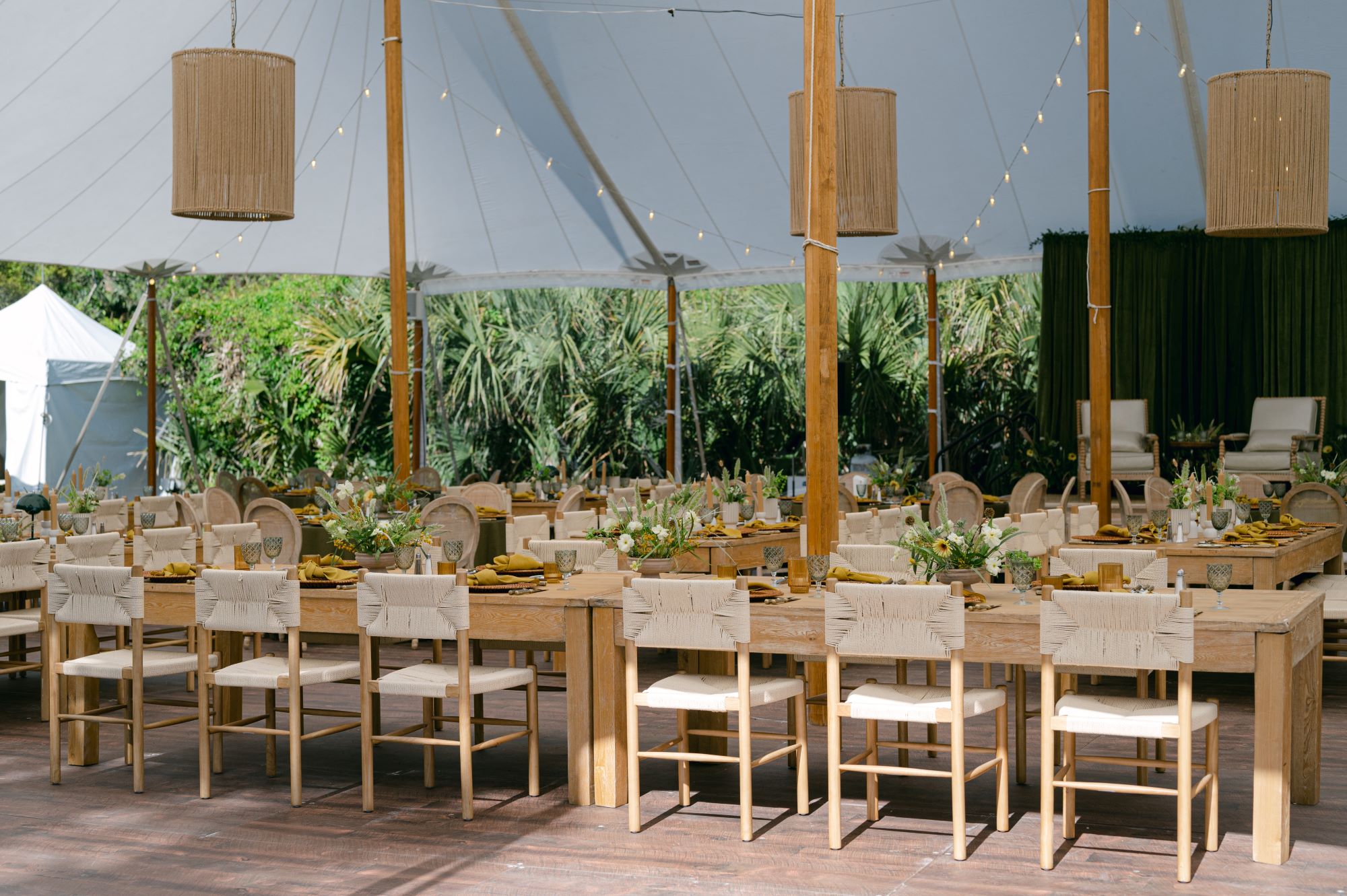
Frame tents and pole tents each offer distinct advantages, and the choice between them depends on venue conditions, design preferences, and installation requirements. Understanding these differences helps ensure the selected tent aligns with both functional needs and the desired visual outcome.
Frame Tents
Frame tents rely on a self-supporting structure, which allows them to be installed on a variety of surfaces, including concrete and other hardscapes. Their setup does not require extensive staking, which makes them suitable for venues with limited ground access. The interior remains open, supporting flexible layouts and modern design applications.
Pole Tents
Pole tents require staking into the ground and use center poles to support the structure. This setup works best on grass or similar surfaces where anchoring is feasible. The central peaks create a more traditional silhouette, which adds visual character and works well for weddings and large outdoor gatherings.
From a visual standpoint, frame tents present a clean and contemporary look, while pole tents introduce height and architectural interest through their peaks. The decision often comes down to the event style and the conditions of the venue. Frame tents suit structured layouts and constrained spaces, while pole tents complement open environments where their full form can be appreciated.
What Factors Affect Tent Rental Pricing in Charlotte
Tent rental pricing in Charlotte varies based on several practical and event-specific considerations. Understanding these factors allows for more accurate budgeting and helps align expectations with the overall scope of the event. A detailed quote from a rental provider typically reflects both the equipment selected and the complexity of the setup.
Tent Size and Style
Larger tents require more materials, labor, and transportation, which increases overall cost. Specialty tents or high-end configurations such as clear-span or sailcloth structures also carry higher pricing due to their design and installation requirements.
Event Location and Delivery Logistics
Distance from the rental provider, site accessibility, and installation conditions influence delivery and labor costs. Locations with limited access, uneven terrain, or restricted setup windows may require additional crew time or equipment.
Seasonal Demand
Peak event seasons in Charlotte, particularly spring and fall, often lead to higher demand and reduced availability. Booking during these periods may result in premium pricing, while off-season events can offer more flexibility.
Add-Ons and Customizations
Additional elements such as flooring, lighting, climate control, and draping contribute to the final cost. These enhancements play a significant role in both functionality and design, and they are often tailored to the specific needs of the event.
Understanding the Tent Rental Process
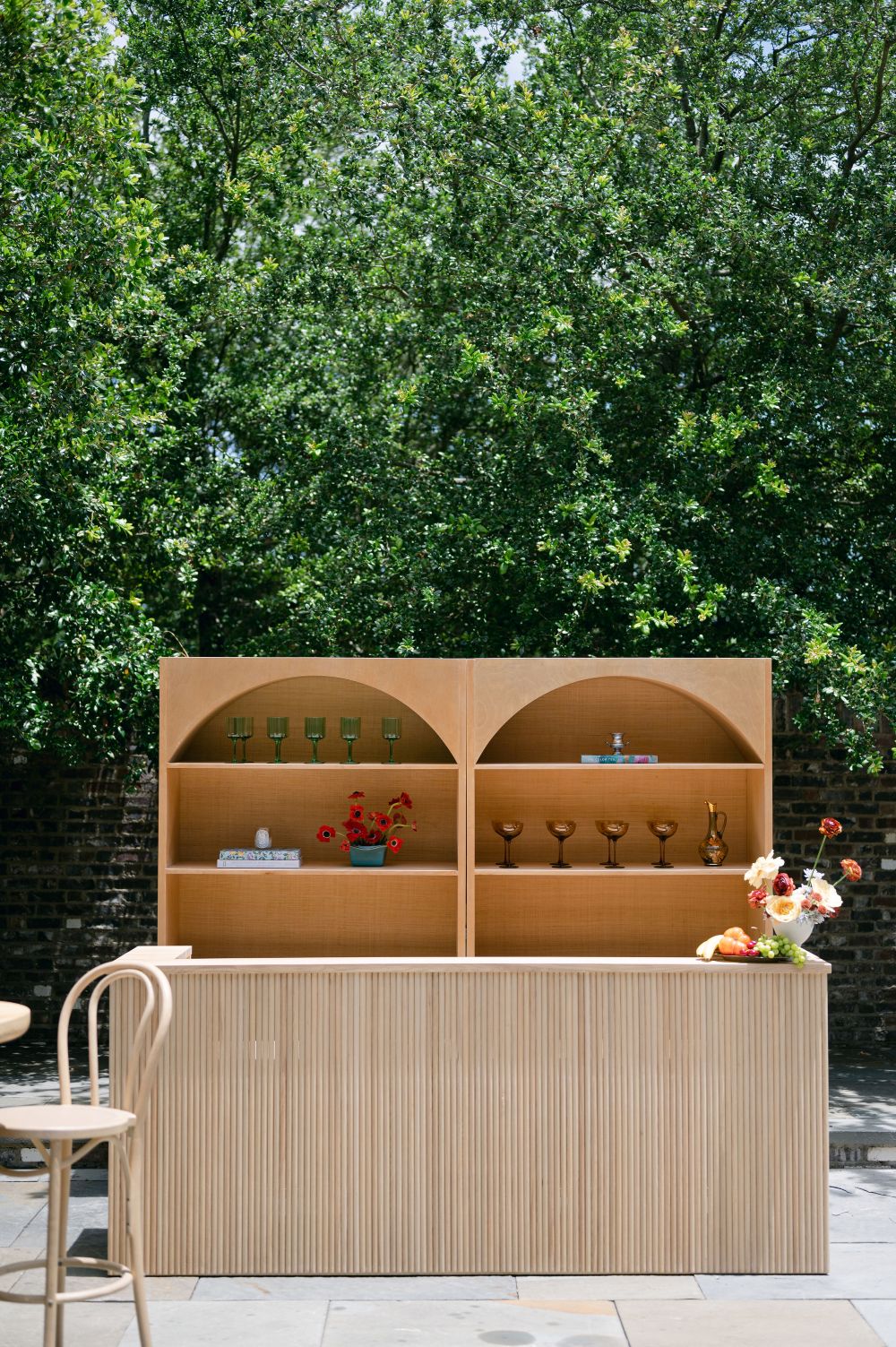
A structured rental process ensures clarity from initial planning through event execution. Working with an experienced provider helps streamline each step and reduces the likelihood of last-minute adjustments.
Initial Consultation and Planning
The process begins with a discussion of event details, including guest count, venue, layout preferences, and overall vision. This stage helps define the scope and identify suitable tent options.
Quote and Custom Proposal
Based on the consultation, the rental provider prepares a detailed quote outlining tent specifications, pricing, and optional enhancements. This proposal often includes layout recommendations or adjustments based on site conditions.
Booking and Deposit
Once the proposal is approved, a contract is finalized and a deposit secures the reservation. This step confirms availability and allows the provider to allocate inventory and schedule installation.
Delivery, Setup, and Takedown
On the event timeline, the rental team manages delivery, installation, and eventual removal of the tent and associated equipment. Coordinated scheduling ensures that setup aligns with other vendors and that the space is ready as planned.
When to Book a Tent Rental in Charlotte, NC
Securing a tent rental at the right time supports better availability, smoother planning, and more flexibility in design choices. Charlotte’s event calendar includes busy seasonal periods, which makes early booking an important step for larger or more complex events. Planning ahead allows for a wider selection of tent styles, sizes, and complementary rentals.
For weddings, corporate events, and large gatherings, booking three to six months in advance provides sufficient time for site evaluations, layout planning, and coordination with other vendors. Smaller events or those scheduled during off-peak periods can often be arranged within one to two months. Early engagement with a rental provider also creates opportunities to refine details, confirm logistics, and avoid last-minute constraints.
Essential Add-Ons to Elevate Your Tent Setup
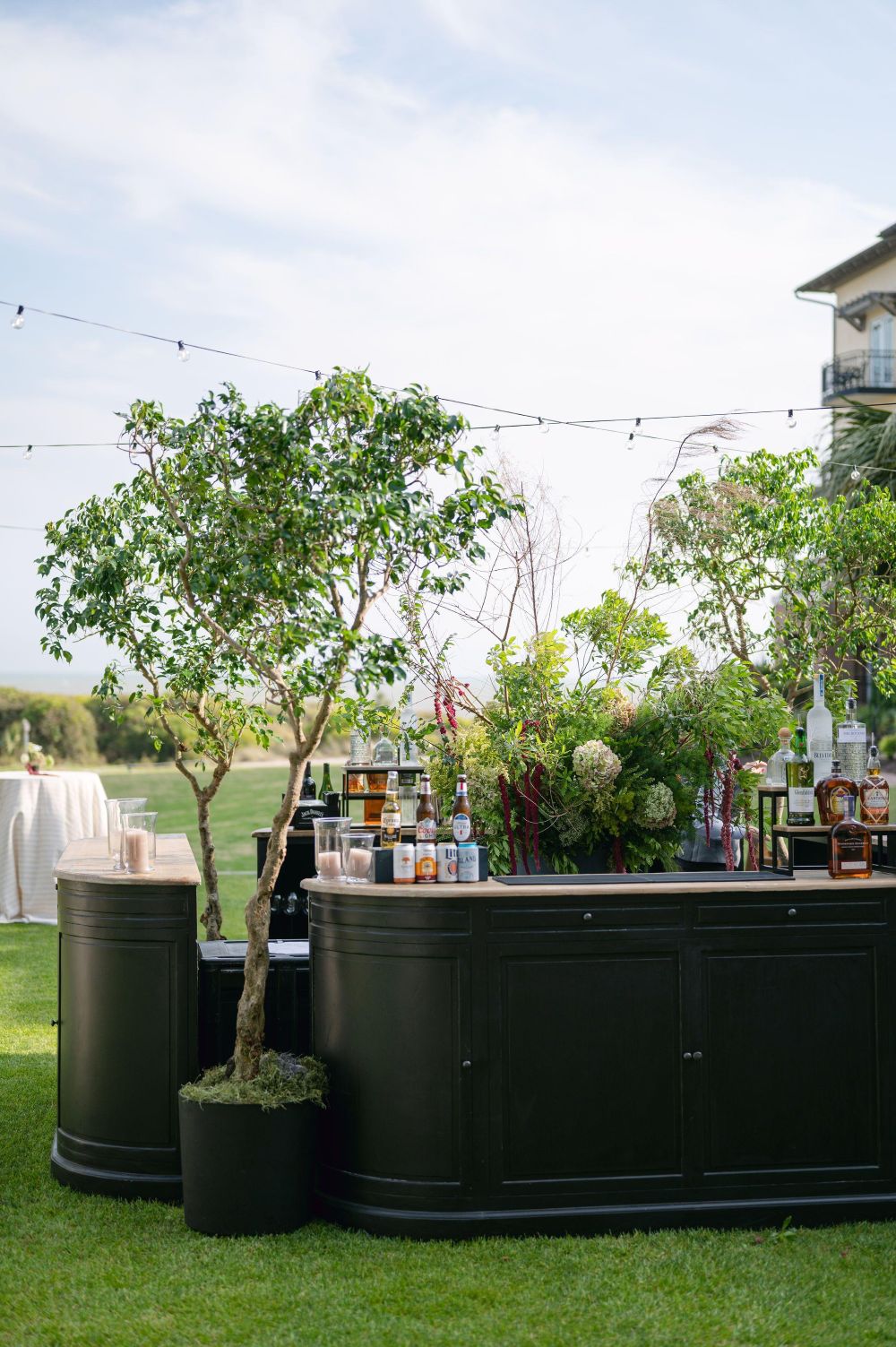
A tent establishes the foundation of the event space, while complementary rentals shape the overall experience and visual impact. Thoughtful additions enhance comfort, improve functionality, and create a cohesive environment that aligns with the event’s design direction.
Flooring Options
Flooring provides a stable and polished surface that improves both appearance and usability. Options such as subflooring, carpet, or modular dance floors support guest comfort and allow for a more refined setup, especially on uneven or soft ground.
Lighting Design
Lighting defines the atmosphere within the tent and supports transitions from daytime to evening events. String lighting, chandeliers, and uplighting introduce depth and warmth while highlighting key areas such as dining spaces or focal points.
Climate Control
Temperature management plays a significant role in guest comfort. Heaters, fans, or air conditioning units can be integrated into the tent setup based on seasonal conditions, ensuring a consistent environment throughout the event.
Sidewalls and Draping
Sidewalls provide protection from wind and rain while offering options for enclosure or openness depending on the setting. Draping adds a layer of visual refinement, helping to soften the structure and create a more tailored, cohesive interior.
Tables, Chairs, and Linens for a Cohesive Look
Furniture and linens play a central role in defining the overall aesthetic and functionality of a tented event. Coordinated selections help create a consistent visual experience while supporting guest comfort throughout the event. Aligning these elements with the tent style and event design ensures that the space feels intentional and well-composed.
The choice of tables and chairs should reflect both the event format and the desired atmosphere. Round tables encourage conversation and are often used for weddings and formal dinners, while long banquet tables create a more contemporary or communal setting. Chair styles, from classic folding chairs to upholstered seating, contribute to both comfort and visual impact.
Linens introduce texture, color, and cohesion across the event space. High-quality fabrics and well-fitted table coverings elevate the presentation and tie together design elements such as florals, lighting, and décor. Thoughtful coordination of furniture and linens helps unify the tent interior and enhances the overall guest experience.
Event Planning Tips for Outdoor Events in Charlotte
Planning an outdoor event in Charlotte requires attention to location, timing, and coordination across multiple vendors. A structured approach helps ensure that each element works together seamlessly while supporting a comfortable and well-organized guest experience. Early planning and clear communication allow for better decision-making and fewer adjustments closer to the event date.
Choosing the Right Venue
Venue selection influences nearly every aspect of the event, from tent size and layout to logistics and design possibilities. Evaluate the available space, surface type, and overall setting to ensure it aligns with your event goals. Private estates, dedicated venues, and open outdoor spaces each offer different advantages, and the chosen location should support both the functional and visual requirements of the event.
Planning for Weather
Charlotte’s climate includes heat, humidity, and the possibility of sudden rain, which makes weather planning essential. Tents provide a reliable solution, but additional considerations such as sidewalls, climate control, and flooring help maintain comfort in changing conditions. Reviewing seasonal patterns and preparing for contingencies ensures that the event remains consistent regardless of weather shifts.
Coordinating Vendors and Timeline
Effective coordination across vendors supports a smooth setup and execution. Establish a clear timeline that outlines delivery windows, installation schedules, and key event milestones. Aligning tent installation with catering, décor, and production teams helps avoid overlap and ensures that each vendor can complete their work efficiently.
Why Choose Curated Events for Tent Rentals in Charlotte, NC
Selecting the right rental partner has a direct impact on the quality and efficiency of the event. Curated Events provides a comprehensive approach that combines design expertise, reliable service, and local experience to support a seamless planning process.
Designer-Curated Inventory
Curated Events offers a refined selection of tents and event rentals that align with a wide range of styles and event formats. Each option is chosen to support both functionality and visual appeal, allowing clients to create cohesive and well-designed environments.
Full-Service Event Support
From initial consultation through installation, the team provides guidance and coordination across all stages of the rental process. This approach helps simplify planning and ensures that each element is aligned with the overall event vision.
Experience with Weddings and Corporate Events
With experience across weddings, corporate functions, and private events, Curated Events understands the specific requirements of different event types. This experience supports efficient planning and reliable execution at various scales.
Local Expertise in Charlotte Venues
Familiarity with Charlotte venues allows for informed recommendations based on site conditions, access requirements, and layout possibilities. This local knowledge helps streamline logistics and supports better decision-making during the planning process.
Frequently Asked Questions
What size tent do I need?
Tent size depends on guest count, event format, and layout requirements. Standing events require less space per guest, while seated events and additional features such as dance floors or staging increase overall space needs. A rental provider can assist with layout planning to determine the appropriate size.
What is included in a tent rental?
Standard tent rentals typically include delivery, installation, and removal of the structure. Additional elements such as lighting, flooring, and sidewalls are often available as optional enhancements based on event needs.
How far in advance should I book?
For larger events or peak seasons, booking three to six months in advance provides the best availability. Smaller events may allow for shorter timelines, though early planning offers greater flexibility in selection and design.
Can tents be customized for my event?
Tents can be tailored through size selection, layout configuration, and add-ons such as lighting, draping, flooring, and climate control. Customization allows the tent to align with both functional requirements and design preferences.
What happens in bad weather?
Tents are designed to provide protection from rain and sun, and additional features such as sidewalls and climate control help maintain comfort. Rental providers also implement proper anchoring and setup practices to support stability during changing weather conditions.
Conclusion
A successful tented event in Charlotte depends on thoughtful planning, appropriate sizing, and careful coordination of design and logistics. Selecting the right tent type, preparing for site conditions, and incorporating complementary elements all contribute to a cohesive and well-executed experience. Early planning allows for better availability, more design flexibility, and smoother coordination across vendors.
Working with an experienced provider such as Curated Events supports a streamlined process from concept through completion. With a focus on quality, design, and reliable service, the right partner helps bring each element together into an event that feels polished, comfortable, and professionally managed.