
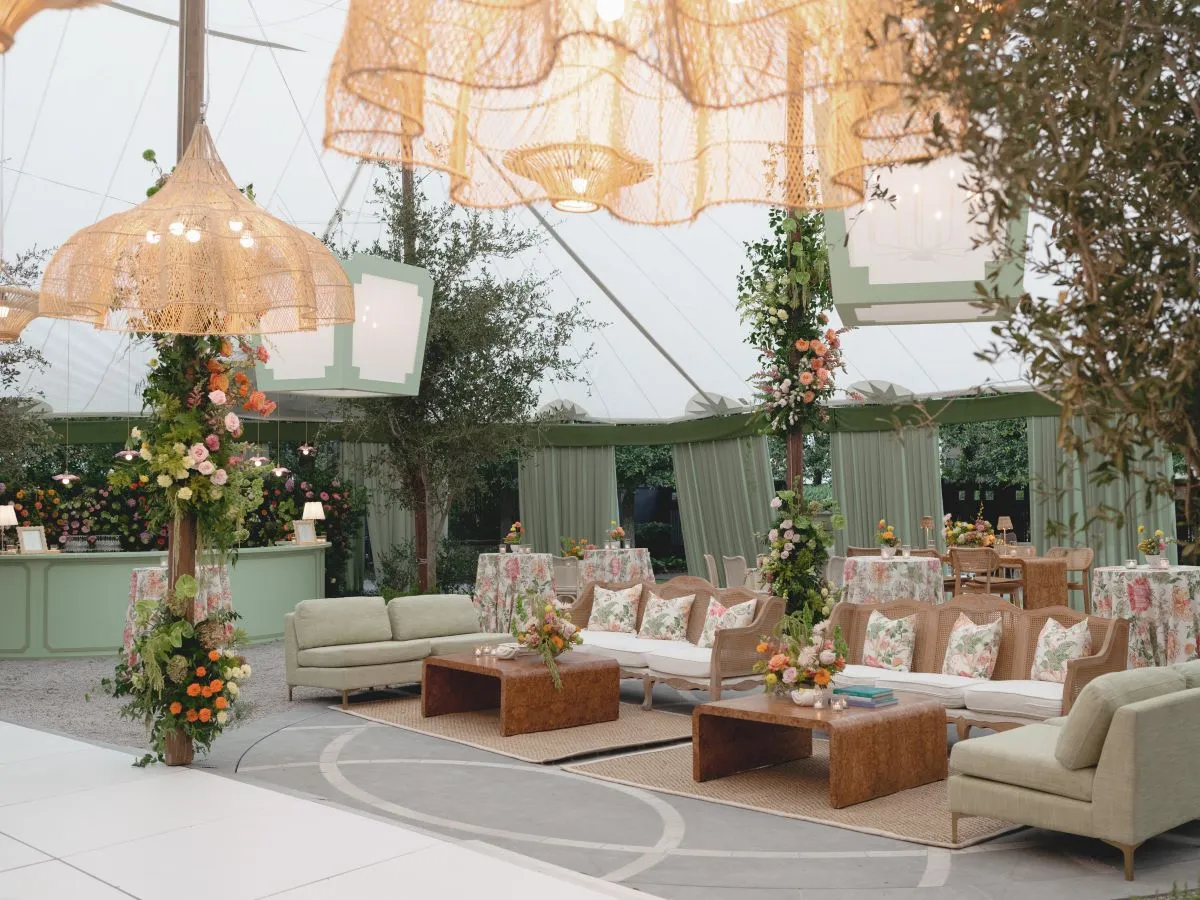
An outdoor lounge vignette can add comfort and structure to a wedding, corporate gathering, or social celebration. The strongest arrangements feel collected rather than matched, combining furniture with different influences in a way that still looks deliberate. A vintage-inspired sofa and contemporary chair do not need to share the same silhouette, but they should have a recognizable connection through color, material, scale, shape, or finish. You may also find The Wedding Lounge And Furniture Rental Guide helpful.
This balance begins with a simple principle: contrast gives a lounge character, while repetition makes the combination feel intentional. Start with one anchor piece, introduce a contrasting form, and repeat one or two visual details across the grouping. From there, consider visual weight, table height, conversation distance, and the outdoor setting. The result is a lounge that feels layered and distinctive while remaining comfortable and easy for guests to use.
Give the Vignette One Clear Anchor
Every successful lounge needs a starting point. The anchor establishes the visual direction and gives the surrounding pieces something to support. Without that hierarchy, a mixed arrangement can feel like a collection of unrelated rentals.
Choose the Piece That Should Lead
The anchor is often the largest or most distinctive item in the grouping. It could be a tufted vintage-inspired sofa, a clean-lined contemporary sofa, a sculptural banquette, a pair of expressive lounge chairs, or an unusual coffee table. The right choice depends on the intended use of the lounge and the character of the wider event.
A sofa usually provides a natural anchor because its size gives the vignette a clear center. However, a grouping does not need a sofa to feel complete. Two statement chairs arranged around a well-proportioned table can create a more intimate setting, while a curved banquette can define a larger social area.
Once the anchor is selected, resist the urge to give every supporting piece the same level of emphasis. The remaining furniture should introduce contrast while allowing the anchor to lead.
Identify the Anchor’s Defining Features
Look closely at what gives the anchor its personality. A traditional sofa may have a high back, deep tufting, rolled arms, dark wood, or turned legs. A modern piece may be defined by a low profile, clean upholstery, exposed metal, or a curved silhouette.
Evaluate its:
-
Overall shape
-
Upholstery color
-
Fabric texture
-
Wood or metal finish
-
Leg style
-
Level of ornamentation
-
Height and visual weight
Overall shape
Upholstery color
Fabric texture
Wood or metal finish
Leg style
Level of ornamentation
Height and visual weight
These characteristics will guide the next selection. A deeply tufted sofa with dark wood may benefit from lighter, simpler chairs. A minimal sofa can support a more decorative table or a pair of vintage-inspired accent chairs.
Avoid Competing Focal Points
Contrast is useful, but several statement pieces can compete when they all have bold colors, ornate forms, or substantial visual weight. A decorative sofa, highly patterned chairs, elaborate coffee table, and several strong accessories may make it difficult to understand which element should lead.
Give the anchor room to register. If the sofa is expressive, choose restrained supporting chairs. If the chairs provide the personality, keep the central table quiet. This hierarchy allows the mixed styles to feel intentional rather than crowded.
Create Contrast Through Silhouette
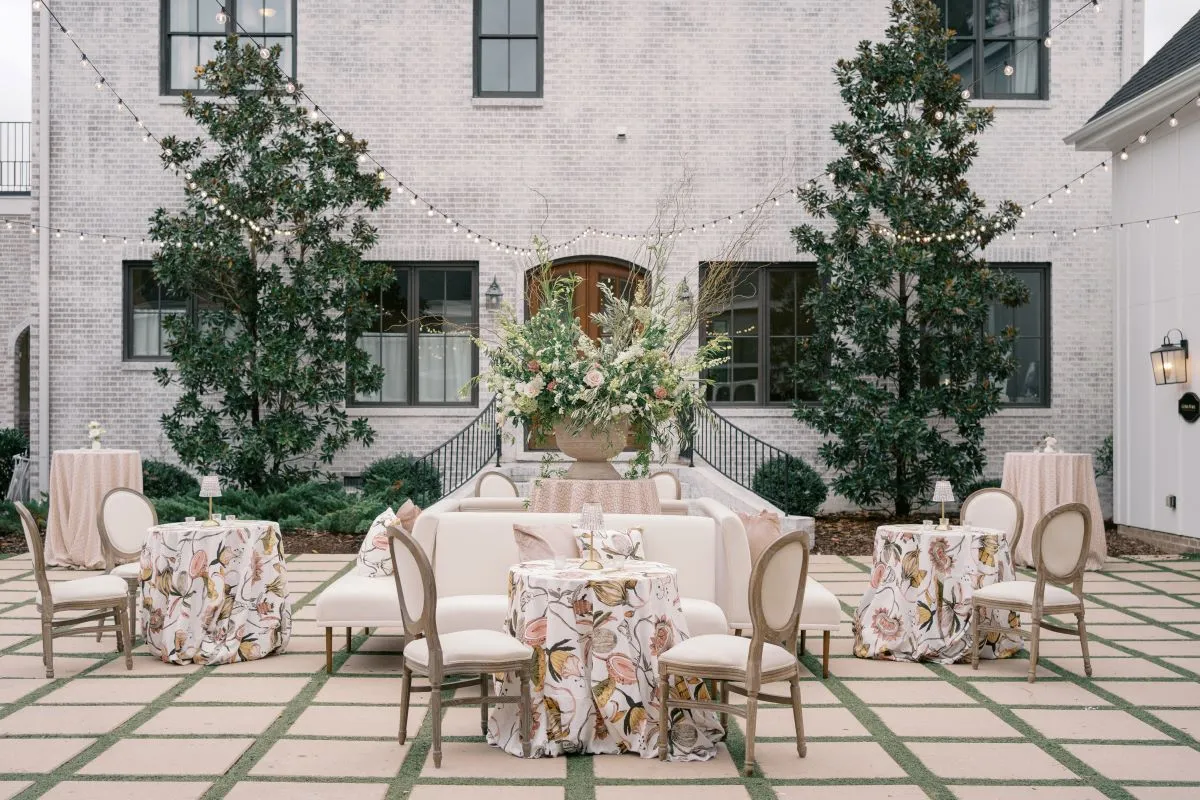
Vintage-inspired and contemporary pieces become most interesting when their shapes are visibly different but still compatible. The goal is controlled contrast, not opposition for its own sake.
Pair Detailed Forms With Clean Lines
A tufted sofa can look fresh beside streamlined lounge chairs. A settee with a carved or shaped frame may work with a simple metal-and-glass table. A curved modern sofa can be balanced by traditional side chairs, while a rectangular contemporary sofa can support a more decorative vintage-inspired coffee table.
In each case, one style adds detail and history-inspired character while the other provides visual clarity. The cleaner piece prevents the vignette from feeling overly formal or themed. The more detailed piece keeps the modern furniture from looking anonymous.
Avoid selecting pieces that sit at opposite extremes without any shared quality. A highly ornate sofa and an aggressively minimal chair may feel disconnected if their colors, proportions, materials, and finishes also conflict.
Vary Shapes Without Losing Structure
Curved and angular forms can work especially well together. A rounded sofa can soften square or rectangular tables. An angular sofa may benefit from a round coffee table or chairs with gently curved backs. This variation creates movement within the grouping.
Limit the number of strong shapes in a small vignette. A curved sofa, hexagonal table, square chairs, and sculptural side tables may introduce too many competing ideas. Select one dominant shape and one contrasting shape, then repeat them where useful.
For example, a curved sofa and round coffee table can establish a soft foundation, while two clean-lined chairs introduce enough structure to keep the arrangement balanced.
Let Empty Space Separate Strong Forms
Distinctive silhouettes need enough space to be seen. When an ornate sofa sits too close to a contemporary chair, the outlines can merge and make both pieces look heavier. A modest gap gives each form definition while keeping the seats close enough for conversation.
Empty space also allows guests to enter, sit, and move around the furniture comfortably. Treat that space as part of the composition rather than an area that must be filled with another table, plant, or decorative object.
Repeat One Detail Across the Mix
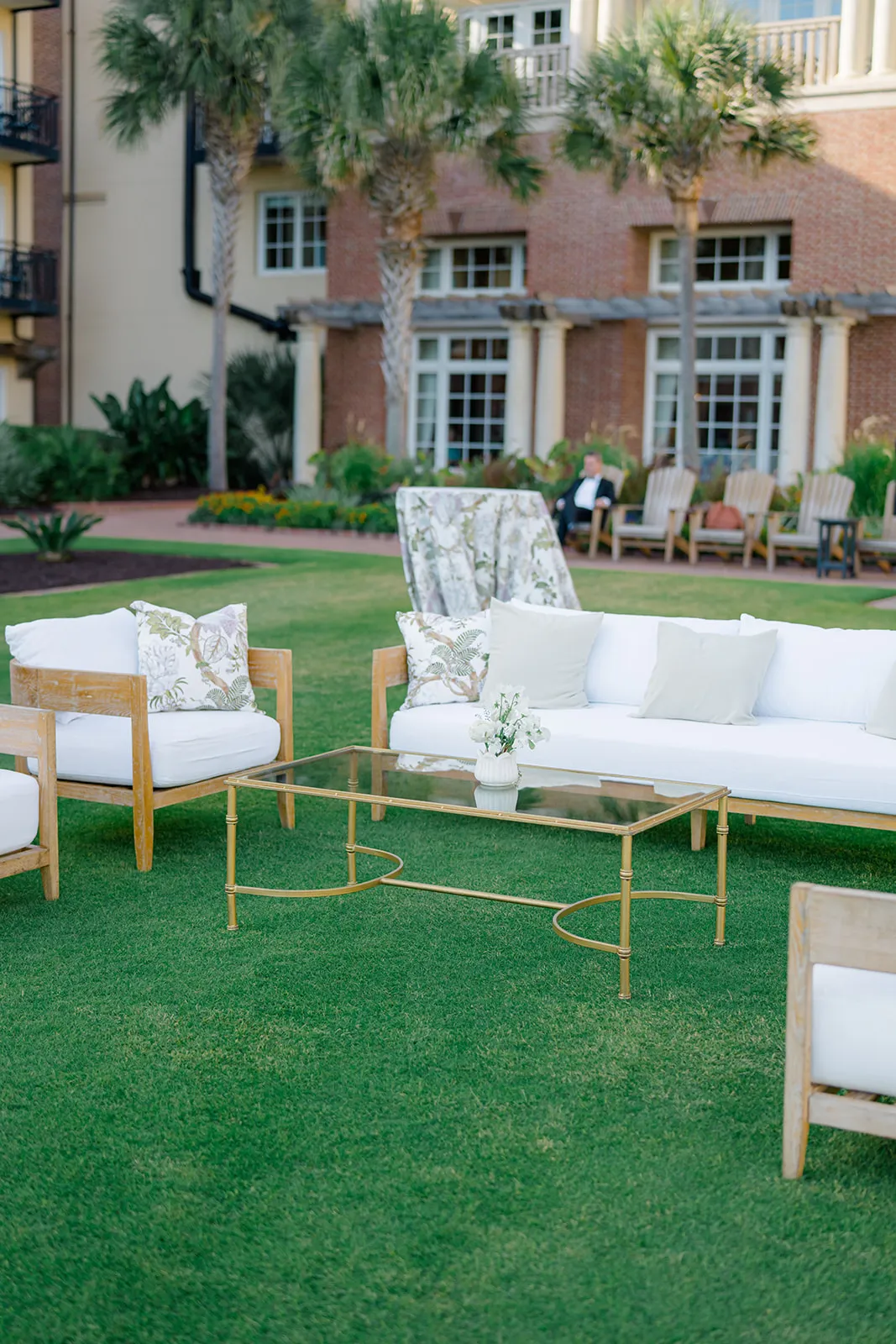
Repetition is what turns contrasting furniture into a coherent vignette. The pieces do not need to match, but a color, material, finish, or shape should appear more than once.
Carry a Color Through the Grouping
Color can connect furniture from different design periods without making the arrangement look overly coordinated. An olive sofa might relate to a muted green detail in a chair or pillow. Ivory chairs can pick up a cream tone in patterned upholstery. Burgundy seating may feel connected to a quieter warm red elsewhere in the grouping.
The repeated colors do not need to be identical. They should share compatible undertones and levels of intensity. A soft sage and deep olive can belong together, while a cool mint may feel disconnected from a yellow-toned green.
Choose one main color and one supporting neutral or accent. Too many unrelated colors can obscure the vintage-modern relationship and make the grouping feel driven by accessories rather than furniture.
Connect the Wood or Metal Finishes
Frames, legs, and tables provide another opportunity for connection. Warm wood on a vintage-inspired sofa can relate to a simpler wooden side table. Brass details may bridge a traditional chair and contemporary glass table. Black metal can appear in both modern furniture legs and a nearby lighting element.
The finishes can vary slightly. A softly aged brass does not need to match a polished gold tone exactly, but they should feel compatible in warmth and sheen. Similarly, two woods can work together when their undertones relate, even if their grain and depth differ.
When several finishes are present, identify which one should repeat. One repeated wood or metal creates continuity, while every additional finish should have a clear reason for being included.
Use Texture as a Bridge
Texture can connect pieces that differ in both silhouette and era. Velvet upholstery may relate to the softness of another fabric even when the colors differ. Woven details can create a bridge between natural wood and a clean contemporary frame. Leather, glass, linen-like upholstery, and visible wood grain can all contribute to the mix.
One dominant texture and one contrasting texture are usually enough for a single lounge. If the anchor is a plush velvet sofa, smoother chairs and a glass table can provide relief. If woven seating leads, a simple upholstered piece may introduce softness without adding another strong pattern.
Balance the Visual Weight
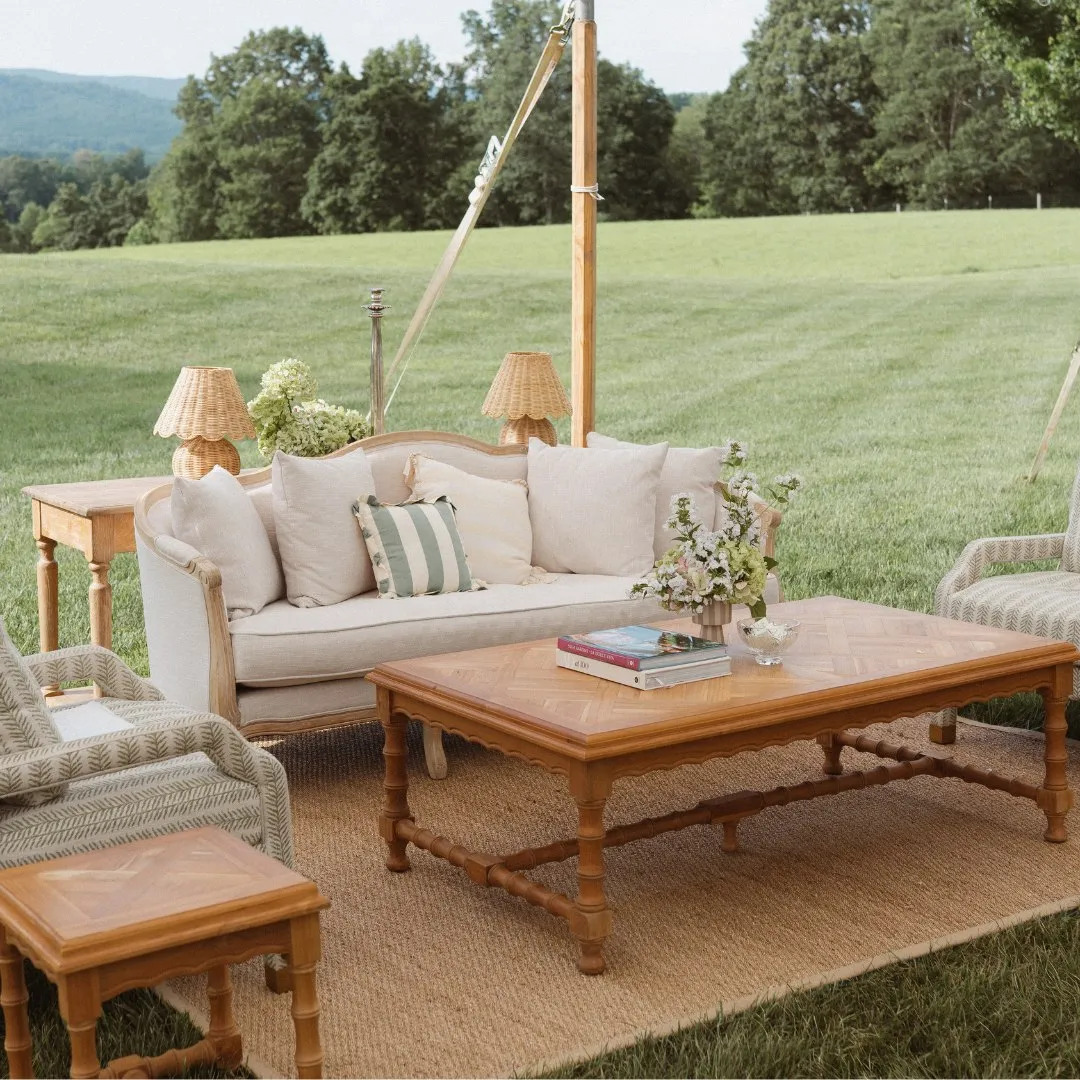
Furniture occupies visual space as well as physical space. Dark colors, dense upholstery, high backs, deep tufting, and solid bases generally appear heavier. Pale colors, exposed legs, open frames, and glass surfaces appear lighter. A balanced vignette distributes these qualities across the arrangement.
Distribute Dark and Light Pieces
A dark sofa placed beside several light chairs may feel grounded and intentional when the deeper tone appears again in a table base, chair frame, or restrained accessory. Without that repetition, the sofa may look isolated.
Avoid placing every dark or solid piece on the same side of the grouping. The arrangement does not need perfect symmetry, but the visual weight should feel stable from its main approach. A dark anchor can be balanced with medium-toned chairs and a visually light table rather than another large dark object.
Account for Furniture Height
Some vintage-inspired seating has upright backs and higher arms, while modern pieces often sit lower. Moderate height variation gives a grouping dimension, but significant differences can make conversation uncomfortable and cause the furniture to look unrelated.
Compare seat height as well as overall height. Guests seated together should not feel as though they occupy different levels. Tables must also relate to the seats around them. A low coffee table may suit a modern sofa but be difficult to reach from upright chairs.
Compare Open and Solid Forms
A fully upholstered sofa with a skirted or solid base carries more weight than a chair with exposed legs or an open frame. Pairing one substantial anchor with lighter supporting furniture can keep the lounge from feeling bulky. You may also find Luxury Lounge Designs for Savannah Outdoor Weddings helpful.
Glass tables, slim metal frames, caned details, and open chair backs can all introduce visual breathing room. Use them selectively, especially when the anchor is dark, deeply upholstered, or highly detailed.
Choose Tables That Unite the Seating
Tables often become the bridge between vintage-inspired and contemporary seating. Their shape, height, and finish can repeat details from both styles while serving the practical needs of guests.
Select the Coffee Table by Function
The central table should be reachable from the main seats and large enough for the way guests will use the lounge. A cocktail-style event may require room for drinks and small plates. A corporate gathering may also need space for event materials or personal belongings. For more detail, see our article Creating a Stylish Wedding Lounge With Perfect Rentals.
Consider the table in relation to the full seating arrangement rather than one sofa. A beautiful table that sits too low, too far away, or too close to guests will not support the lounge effectively. You may also find Executive Lounge Ideas for D.C. Corporate Events helpful.
Its design can connect the furniture without matching either style exactly. A simple glass table may lighten a traditional sofa and relate to modern chairs. A warm wood table can soften contemporary seating and repeat the frame of a vintage-inspired piece.
Use Side Tables to Fill Practical Gaps
Seats at the ends of a sofa or outside the central table’s reach may need side tables. These smaller pieces can repeat a material, finish, or shape and make the mixed grouping feel more complete.
Do not add a side table beside every seat automatically. Place them where they serve a clear function and maintain adequate room for guests to enter and leave.
Avoid a Complete Matching Table Set
Matching coffee and side tables can work, but they may make a layered vignette feel more like a furniture suite. Related tables often create a more collected result.
A glass coffee table and brass side tables can share light visual weight and warm metal details. A round wooden coffee table may work with simpler square side tables when their finish connects them. The tables should belong to the same composition without looking identical.
Arrange the Vignette for Conversation
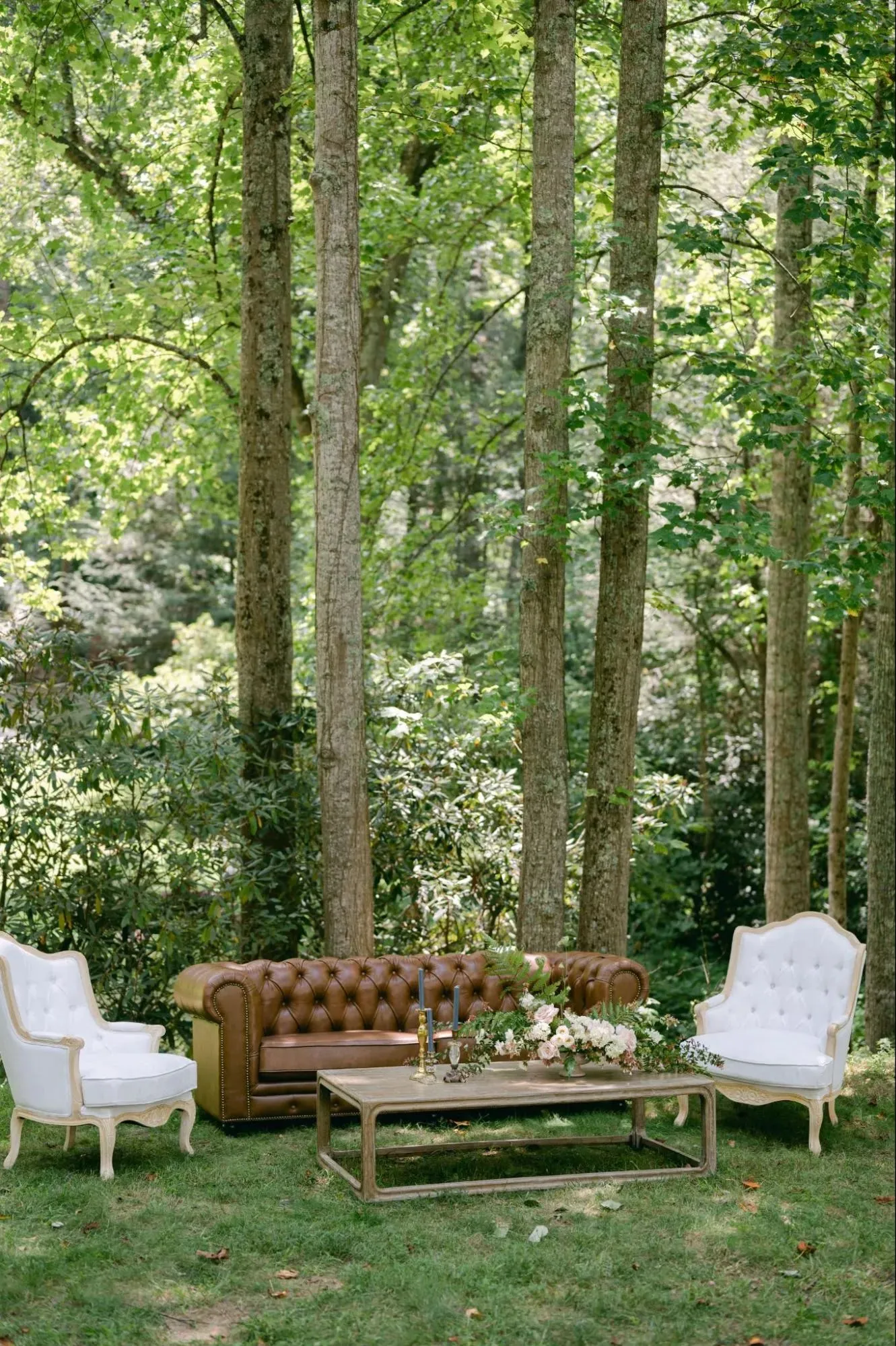
A lounge should make social interaction feel natural. The placement of sofas, chairs, and tables matters as much as the individual selections.
Keep Seats Within a Comfortable Conversation Distance
Position seats so guests can speak without turning sharply or leaning across a large open space. Sofas and chairs can face one another directly or sit at slight angles that create a softer, more open arrangement.
Avoid lining every piece along the perimeter. That approach may leave a large empty center and make conversation difficult. Bringing seating inward creates a defined social area while leaving room around the outside for circulation.
Leave a Clear Point of Entry
Guests should be able to understand how to enter the lounge. Keep at least one side open and avoid closing every approach with chair backs, tables, or decorative elements.
An open corner often works well because it preserves the conversational relationship among the seats while giving guests an intuitive path into the grouping.
Preserve Space Around the Furniture
Leave room around chair arms, sofa ends, and table corners. Guests should be able to sit down without squeezing between pieces, and people passing nearby should not have to move through the center of a conversation.
The lounge can still feel defined without being enclosed. A rug, furniture orientation, or repeated finish may establish the boundary more effectively than adding another object.
Consider How Guests Will Approach
Review the vignette from the direction guests are most likely to arrive. This may be from a bar, dining area, venue entrance, or nearby event feature. An arrangement that looks balanced from the front may present a wall of sofa backs from its primary approach.
If a sofa back must face an arrival path, select a piece with a finished silhouette or place it with enough intention that it appears to define the lounge. The approach should feel welcoming without requiring every seat to face outward.
Adapt the Pairing Method to the Event
The same anchor-and-bridge method can support corporate gatherings, weddings, social celebrations, and hosted events. The amount of contrast and decorative detail can shift while the underlying design principles remain consistent.
Corporate Gatherings
Corporate lounges often benefit from a controlled mix. Clean-lined seating can form the foundation, while one vintage-inspired sofa, chair, or table gives the grouping character. Restrained color variation and adequate table surfaces support networking and informal meetings.
Keep entry points open so guests can join or leave conversations easily. If the event has an established visual identity, repeat one related color or material without making every furniture choice feel branded.
Weddings and Social Celebrations
Weddings and private events can support greater variation in color, pattern, and texture. A vintage-inspired sofa may anchor the grouping, while contemporary chairs and simple tables prevent the setting from feeling too formal or nostalgic.
Use the wider event palette as a guide, but avoid reproducing every color in the lounge. One primary tone and a quieter connection to the surrounding design are enough to make the vignette feel integrated.
Brand Activations and Hosted Events
A lounge at a brand activation, product launch, or hosted gathering can express the event’s visual identity through shape, color, or material. A sculptural modern sofa may lead, while a vintage-inspired table adds warmth and contrast.
Exact brand-color matching is not always necessary. A related shade or finish can feel more refined and allow the furniture to remain suitable for conversation rather than appearing like a display.
Prepare the Lounge for Its Outdoor Setting
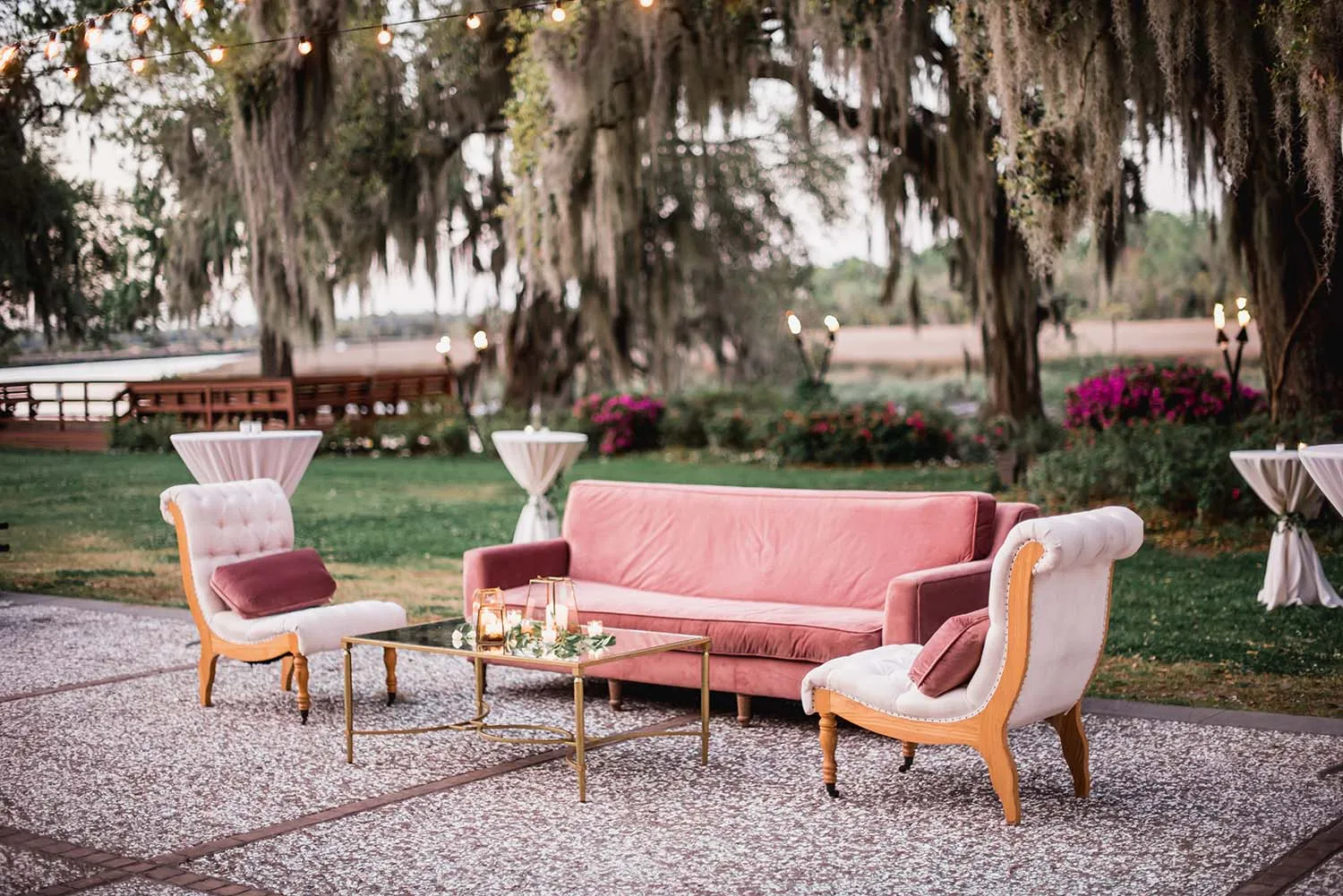
Outdoor placement introduces practical considerations that affect furniture selection and arrangement. The plan should respond to the specific venue, surface, and weather alternative.
Confirm Which Pieces Are Appropriate Outdoors
Not every upholstered rental is suitable for every outdoor condition. Confirm which sofas, chairs, tables, and supporting pieces are appropriate for the setting with the local Curated Events team. Placement, exposure, and the event’s weather plan may influence what can be used.
Avoid selecting the full vignette solely from photographs before its suitability is confirmed. An approved alternative may offer a similar color or silhouette while working more appropriately in the space.
Review the Ground Surface
Grass, brick, stone, decking, and temporary flooring can affect furniture alignment and stability. Uneven ground may cause tables to sit incorrectly or make a precisely balanced grouping difficult to install.
The venue and rental teams should review the intended placement, particularly when upholstered pieces, glass tables, or furniture with narrow legs are involved.
Establish a Weather Alternative
Determine whether the vignette can move under a tent, onto a covered terrace, or into an indoor space if conditions change. The alternative location should accommodate the furniture footprint without blocking doors, exits, or circulation.
If the entire arrangement cannot transfer, decide which anchor and supporting pieces should move so the vintage-modern relationship remains visible in a simplified grouping.
Protect Important Views and Event Features
Outdoor lounges should support the setting rather than block it. Review whether tall furniture or a solid sofa back interrupts an architectural feature, waterfront view, stage, bar, or other important element.
Low-profile seating can preserve distant views, while an open-frame chair may feel lighter against a garden or terrace. The best choice depends on what guests should see from and beyond the lounge.
Frequently Asked Questions
Does every lounge vignette need a sofa?
No. A pair or group of lounge chairs, a banquette, or several smaller seating pieces can form a complete vignette when arranged around an appropriately scaled table. The grouping still needs one clear anchor, even when that anchor is not a sofa.
Can two different sofa styles work in the same grouping?
Yes. They should share at least one visual connection, such as upholstery color, scale, wood tone, leg finish, or fabric texture. Their seat heights and overall proportions should also support comfortable conversation.
How many furniture styles should appear in one lounge?
Two clear style directions are usually enough. Additional pieces should support those directions instead of introducing a third or fourth unrelated aesthetic. This restraint helps the grouping feel layered without becoming visually scattered.
Should coffee and side tables match?
They do not need to come from the same collection. Their materials, finishes, proportions, or shapes should create a visible relationship. Related tables often make a mixed-style vignette feel more collected than a completely matching set.
Can upholstered lounge furniture be used outdoors?
Suitability depends on the individual piece, placement, exposure, weather conditions, and local rental guidance. Confirm outdoor use with the Curated Events team before finalizing the selection.
How can several lounge vignettes feel connected?
Repeat one or two elements across the groupings, such as a metal finish, upholstery color, wood tone, table shape, or furniture silhouette. Each vignette can have a different anchor while still belonging to the same event design.
Create a Lounge That Feels Collected and Cohesive
Mixing vintage-inspired and modern lounge rentals works best when contrast is supported by repetition. One anchor piece gives the vignette direction, while shared colors, materials, shapes, and finishes help the supporting furniture belong around it. Scale, visual weight, table height, and conversation distance then turn that design relationship into a space guests can use comfortably. Find the showroom nearest you on our store locations page.
Thoughtful editing is equally important. A successful lounge does not need every available texture, color, or decorative accent. It needs a clear hierarchy, a practical arrangement, and enough open space for each piece to register. See the latest pieces in our new arrivals.
Curated Events offers lounge seating, coffee tables, side tables, and coordinating event rentals across its local collections. Explore the inventory available in your market and connect with the local team to discuss furniture suitability, quantities, placement, and a weather alternative for your outdoor event. We cover this further in Lounge Furniture Rentals for Outdoor Events in Raleigh.