
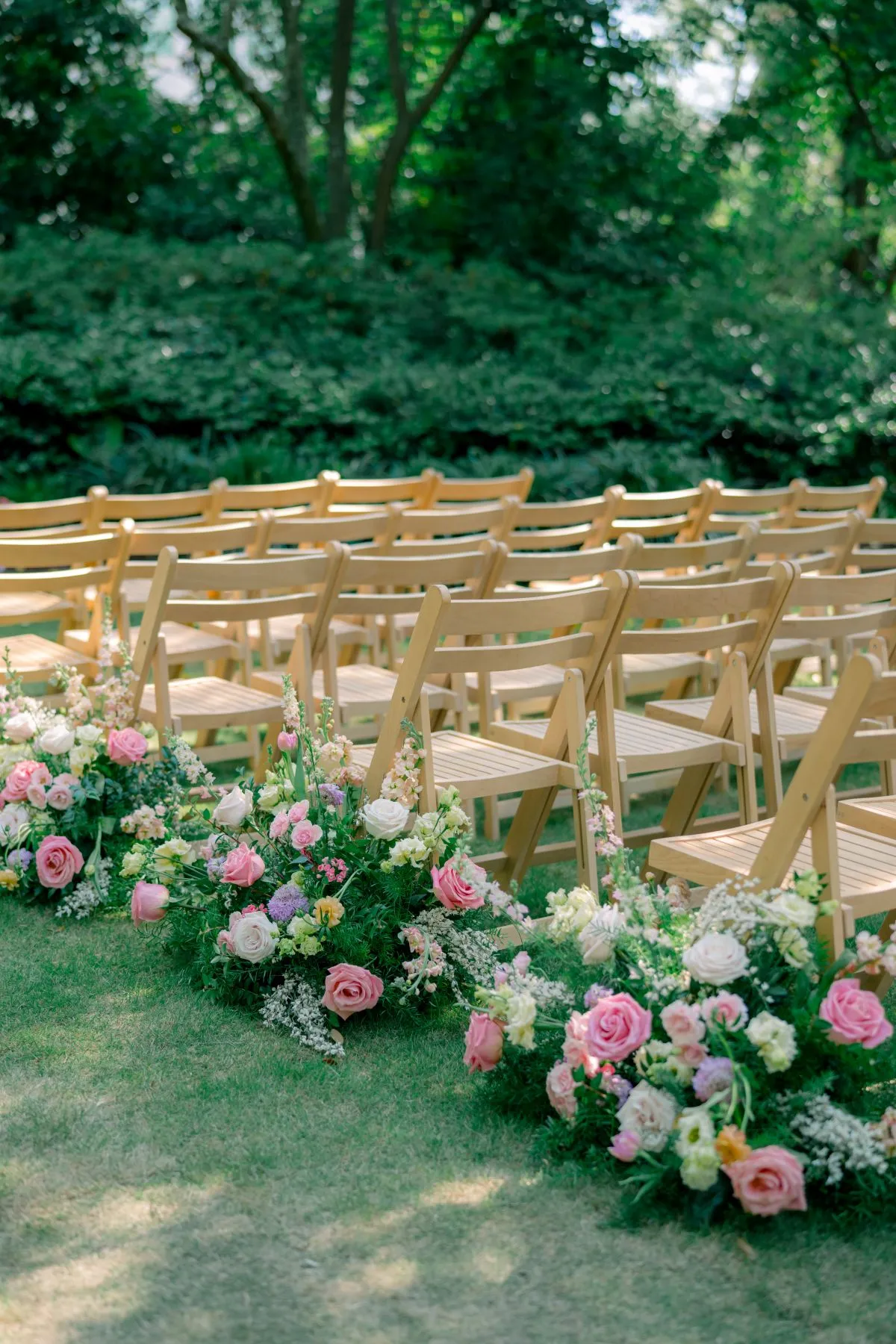
Wedding chairs influence far more than where guests sit. Because they are repeated throughout the ceremony and reception, their shape, finish, material, and scale become a visible part of the overall event design. The right seating can complement the architecture of a Charleston venue, reinforce the selected color palette, support guest comfort, and help the floor plan function efficiently.
Charleston weddings take place across historic homes, formal gardens, waterfront properties, tented lawns, island venues, and contemporary event spaces. Each setting introduces different design and logistical considerations, which means chair selection should begin with the venue and complete event plan rather than with appearance alone.
Curated Events Charleston offers an extensive chair inventory that includes Chiavari chairs, natural wood seating, cane-back designs, cross-back chairs, acrylic options, specialty dining chairs, barstools, children’s seating, and coordinating lounge furniture. By reviewing these options alongside tables, linens, tabletop rentals, lighting, tenting, and other event elements, couples and planners can create a cohesive seating plan suited to the celebration.
Start With the Venue and Wedding Layout
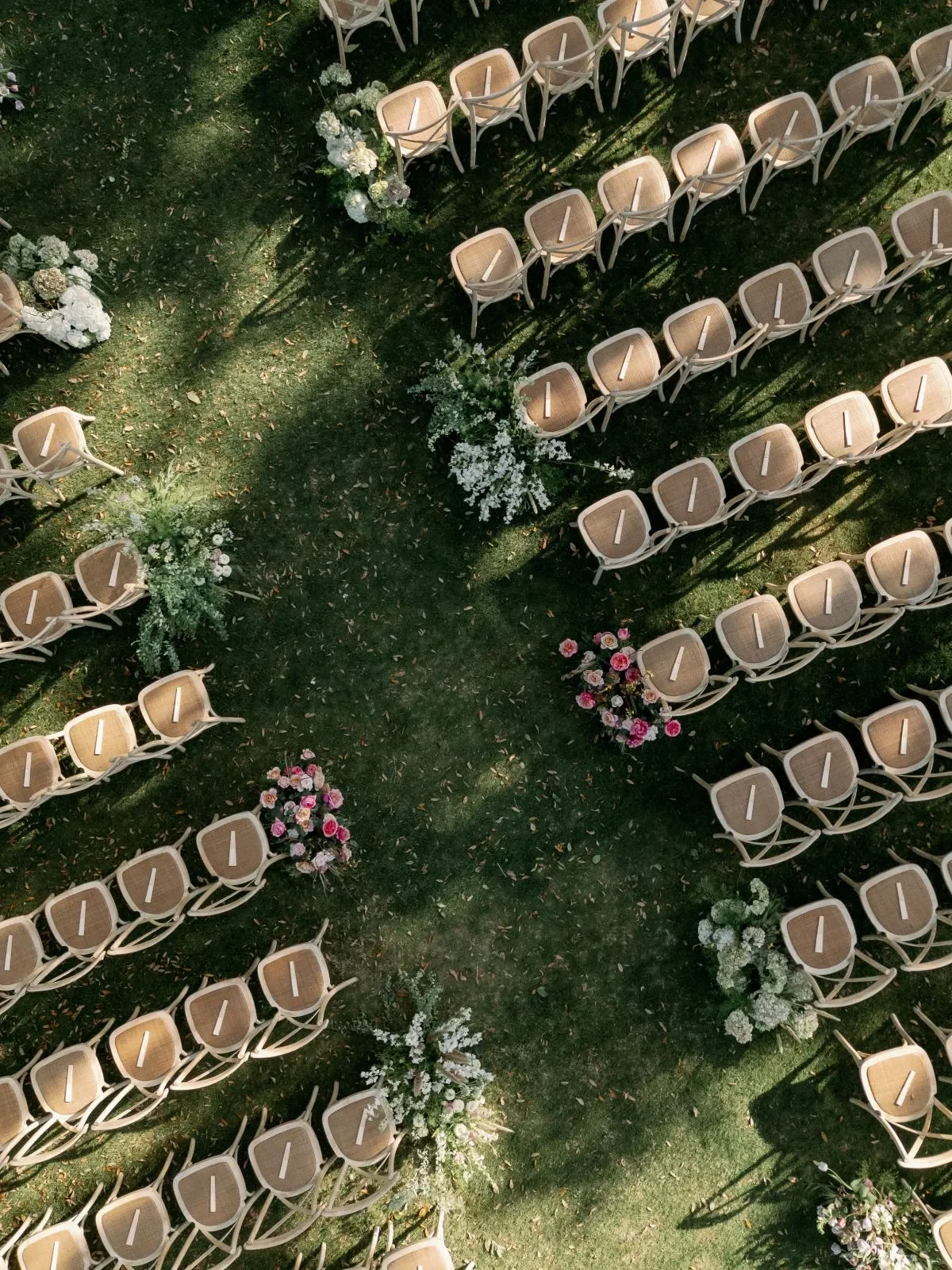
The venue establishes the visual and practical framework for the chair selection. A chair that looks appropriate in a historic interior may create a different effect beneath a sailcloth tent, while a broad upholstered chair may require more floor space than a narrow dining chair. Reviewing the setting and layout first helps ensure the seating works with the property as well as the design.
Consider the Venue’s Architecture and Setting
Charleston venues often contain distinctive architectural or landscape features that should influence the rental plan. Historic interiors may include ornate moldings, wood floors, fireplaces, formal staircases, or decorative walls. In these spaces, chairs should complement the existing details without making the room feel overly busy.
Chiavari, cane-back, velvet, metallic, and refined wood chairs can work well in formal interiors, depending on the table design and surrounding finishes. For garden, estate, and tented settings, natural wood, cross-back, Tuscan, or bistro-inspired chairs may create a strong connection with the surrounding landscape.
Waterfront and island properties may support lighter finishes, acrylic seating, natural textures, or contemporary silhouettes. However, the chair does not need to follow an obvious coastal theme. The best choice should reflect the venue, wedding palette, and overall design direction rather than rely on predictable location-based décor.
Review the Available Floor Space
Chair dimensions have a direct effect on the floor plan. A wider chair may provide a substantial visual presence, but it can also reduce the number of seats that fit comfortably around a table. Chair depth, back height, and arm placement can influence aisle clearance, guest movement, and the space available for catering staff.
The planning team should consider:
- Space between occupied chairs
- Distance between dining tables
- Ceremony aisle width
- Service routes
- Access to bars and lounge areas
- Movement toward the dance floor
- Clearance around sweetheart and head tables
A chair should be evaluated as part of the complete layout rather than as an individual product. Seeing one sample chair can be helpful, but the repeated effect across an entire room or tent is equally important.
Confirm Venue Access and Installation Requirements
Delivery and setup conditions can affect which chairs are practical for a specific venue. Historic buildings may have narrow doors, staircases, or limited elevator access, while outdoor properties may restrict vehicle movement across lawns or require protective measures for sensitive surfaces.
Before finalizing the order, the planner and rental team should confirm:
- Loading and unloading access
- Doorway, elevator, and staircase dimensions
- Approved setup windows
- Lawn, patio, or floor-protection requirements
- Ceremony-to-reception transfer rules
- Breakdown and pickup schedules
These details are especially important when selecting heavier specialty chairs or large quantities for multiple event spaces.
Explore Luxury Wedding Chair Styles Available in Charleston
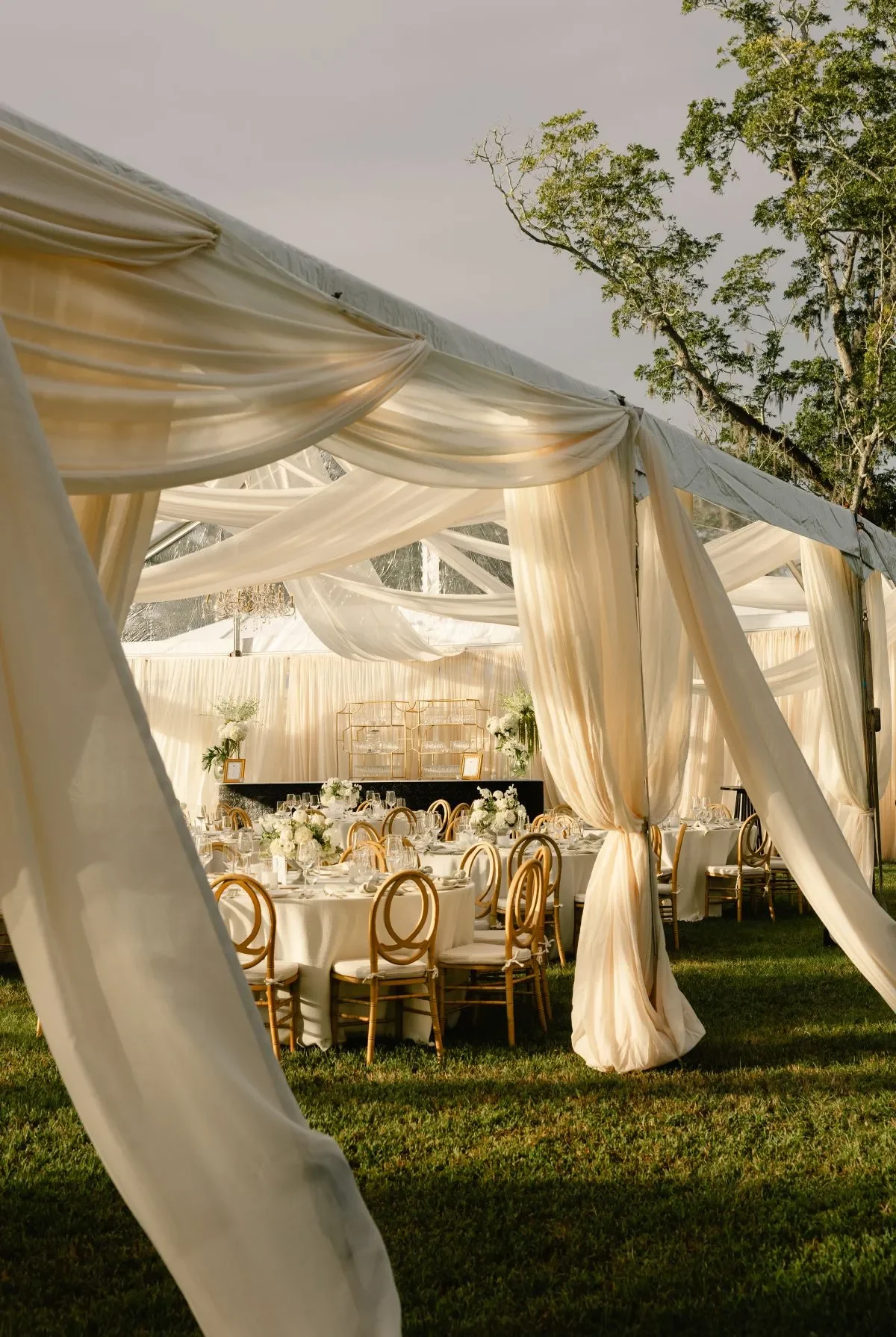
Curated Events Charleston offers a broad selection of chair styles that can support traditional, modern, garden-inspired, coastal, and design-forward celebrations. Rather than limiting the search to a few broad categories, couples and planners can compare silhouettes, materials, finishes, and intended uses to identify the best fit.
Chiavari Chairs for Formal and Traditional Settings
Chiavari chairs are recognized for their narrow frame, open back, and formal silhouette. They can work well in historic interiors, ballrooms, tented receptions, and traditional ceremony settings.
Available finishes can influence the overall effect. Metallic tones may connect with flatware, chargers, or lighting details, while black, white, or natural finishes can support more restrained palettes.
Because Chiavari chairs have a distinct and repeated shape, they can create a polished visual rhythm across the reception. They are particularly effective when paired with round tables, full linens, and formal place settings, although they can also be used in more contemporary combinations.
Cross-Back, Tuscan, and Natural Wood Chairs
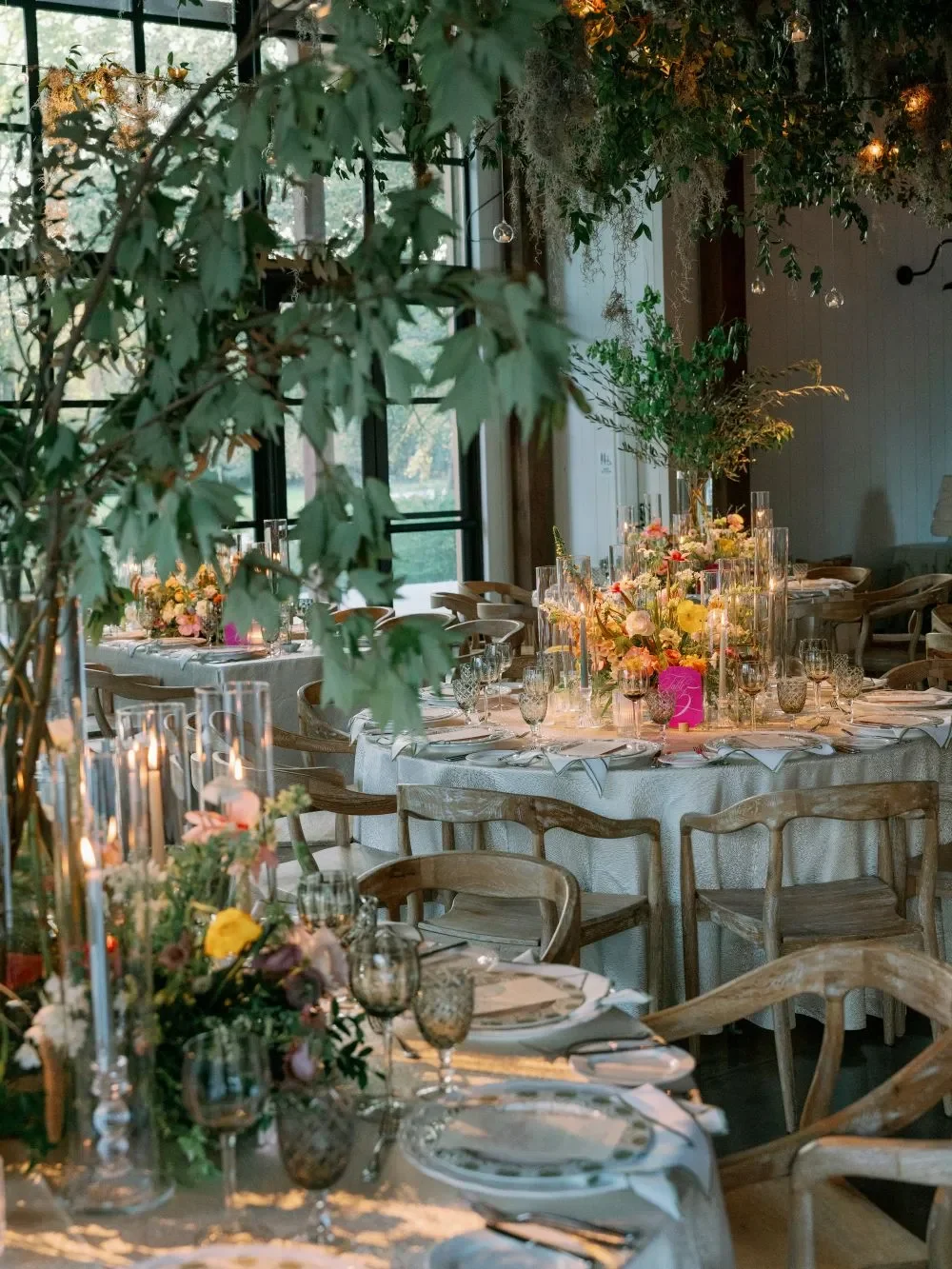
Cross-back, Tuscan, and other natural wood chairs introduce warmth and structure without limiting the wedding to a rustic theme. These styles can complement garden settings, historic estates, tented receptions, long community tables, and designs that incorporate natural materials.
Warm or weathered wood tones may pair well with:
- Farm and specialty tables
- Neutral linens
- Ceramic or textured tabletop pieces
- Green, ivory, ochre, or muted seasonal palettes
- Garden-inspired floral designs
- Wood dance floors and bars
The surrounding rentals determine whether the overall effect feels relaxed, formal, transitional, or contemporary. A natural wood chair can appear refined when paired with carefully selected linens, glassware, and lighting.
Cane-Back, Wishbone, and Bistro-Inspired Chairs
Cane-back, wishbone, Thonet-inspired, and bistro-style chairs provide distinctive furniture details that can elevate the dining area without relying on heavy ornamentation.
Cane and woven textures can work well in garden, coastal, historic, and tented settings. Wishbone and curved wood silhouettes may suit contemporary receptions or events that draw inspiration from interior design. Bistro-style chairs can create a polished but approachable atmosphere for courtyards, terraces, cocktail spaces, and dining areas.
These chairs often become more visible when used around uncovered or specialty tables. Their shape and material should therefore be reviewed alongside the tabletop design and surrounding furniture.
Acrylic and Contemporary Chairs
Acrylic ghost chairs and other transparent designs can provide a lighter visual footprint within a detailed venue or reception setting. Because the chair allows more of the surrounding table, flooring, and architecture to remain visible, it can help prevent the space from feeling visually crowded.
Acrylic seating may work particularly well with:
- Modern or architectural venues
- Patterned linens
- Detailed floral installations
- Sculptural tables
- Strong metallic accents
- Contemporary lighting
- Clear or open tent designs
The transparency creates contrast when paired with more substantial tables or decorative elements. It can also support a reception design that combines traditional Charleston surroundings with modern furnishings.
Upholstered and Velvet Specialty Chairs
Upholstered and velvet chairs introduce color, texture, and a more substantial furniture profile. These pieces may be used as full dining seating when dimensions and quantities allow, or they may be placed selectively at sweetheart tables, head tables, table ends, or other focal areas.
It is important to distinguish among:
- Upholstered dining chairs
- Accent chairs
- Sweetheart-table seating
- Lounge chairs
- Chairs intended for portrait or welcome areas
Lounge furniture should generally be planned with sofas, banquettes, coffee tables, side tables, and rugs rather than treated as a substitute for standard dining seating. Each product should be used according to its dimensions and intended purpose.
Match Chair Materials and Finishes to the Wedding Design
The chair material contributes to the overall visual language of the wedding. Wood, metal, acrylic, cane, and upholstery each create a different relationship with the venue, tables, flooring, and décor. The goal is not necessarily to match every finish, but to ensure the combinations feel intentional.
Coordinate Wood Tones With Tables and Flooring
When the chairs and tables both feature visible wood, their tones should be reviewed together. They do not need to match exactly, but the combination should create a deliberate contrast or a compatible family of finishes.
A light natural chair may complement a darker table by creating definition, while a weathered chair may work with neutral linens and garden surroundings. Darker wood chairs can add formality to historic interiors or tented receptions with rich lighting and layered tabletop details.
Flooring should also be considered. Chairs, tables, and dance floors occupy large visual areas, so similar but slightly conflicting tones can become more noticeable when repeated throughout the room.
Use Metallic Finishes Selectively
Gold, silver, bronze, black, and other metallic chair finishes can connect the seating with smaller design details across the reception.
A metallic chair may relate to:
- Flatware
- Charger plates
- Table bases
- Lighting fixtures
- Bar hardware
- Shelving
- Frames and signage
- Decorative accessories
Metallic finishes are most effective when they support a broader material palette rather than appearing as an isolated accent. Repeating the finish in a few controlled places can create continuity without making the design feel overly coordinated.
Balance Upholstery With Linens and Tabletop Rentals
Upholstered seating already introduces fabric, color, and texture, so the surrounding linens and tabletop pieces should be selected with care. A richly colored or patterned chair may be most effective beside a restrained tablecloth, while a neutral upholstered chair can provide balance for patterned linens or detailed china.
The complete arrangement should be reviewed together, including:
- Chair fabric
- Table linen
- Napkin color
- Charger and china
- Flatware finish
- Glassware
- Floral design
- Stationery details
This process helps prevent individual elements from competing for attention.
Consider How the Chair Appears Throughout the Room
One chair may appear subtle when viewed alone, but dozens or hundreds of the same chair will have a major visual impact. The back design, finish, color, and width will repeat across the ceremony or reception.
Planners should consider what guests will see from different angles, including:
- Rows of ceremony chairs
- The backs of chairs around dining tables
- Chairs beneath the tent lighting
- Seating shown in wide venue photographs
- Chair finishes against flooring or grass
- The transition from dining seating to lounge furniture
This room-wide perspective is essential when selecting a statement chair.
Coordinate Chairs With Tables, Linens, and Tabletop Rentals
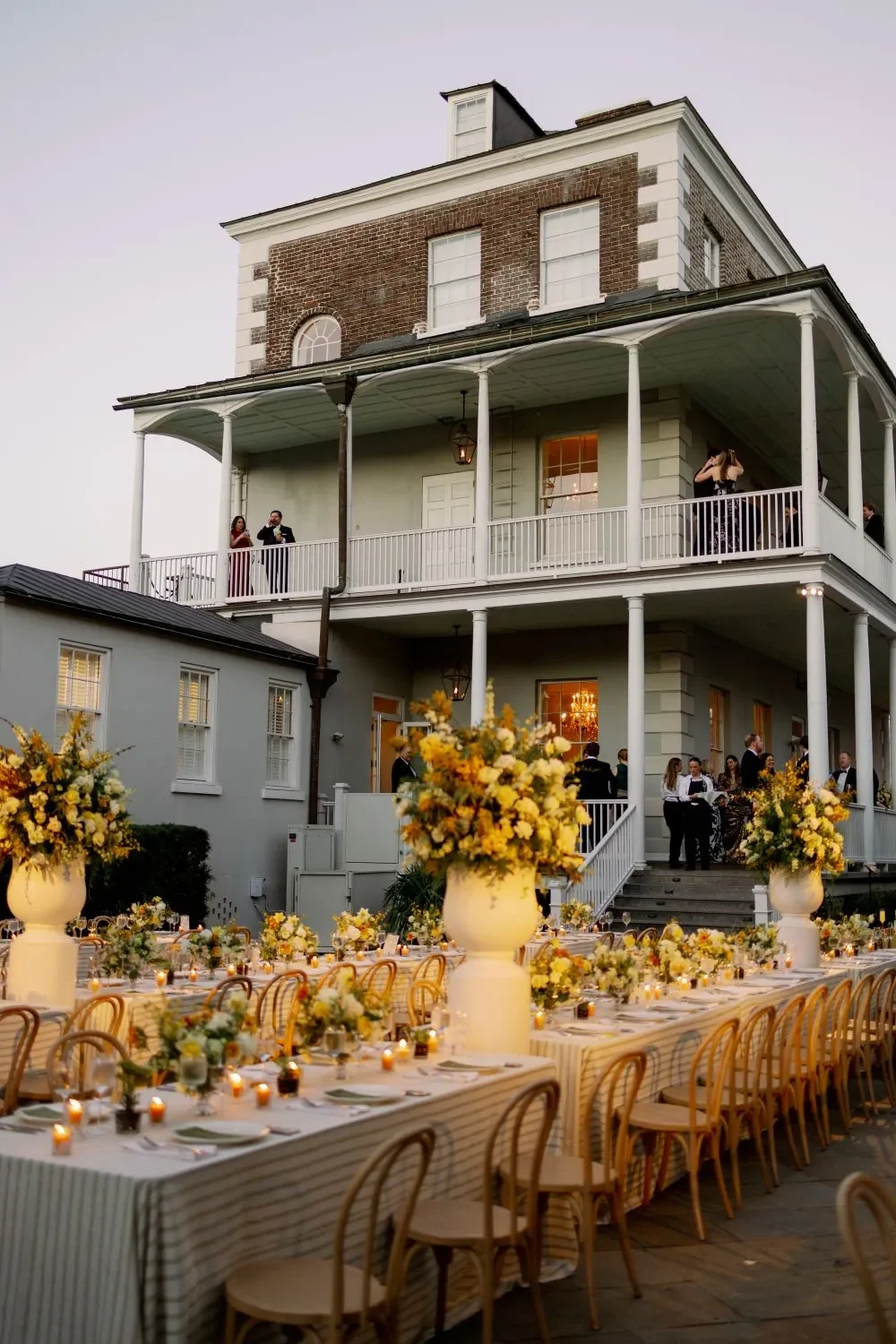
Wedding chairs should be reviewed as one part of the dining composition. Table shape, linen length, place settings, centerpieces, and chair dimensions all contribute to the appearance and functionality of the reception. We cover this further in Stunning Decor Ideas Using Elegant Wedding Chair Rentals.
Pair Chair Styles With Table Shapes
Round tables create a continuous seating arrangement in which the chairs become visible from every direction. Narrow or open-backed chairs can help maintain a balanced proportion, particularly when the table includes a full linen and substantial centerpiece.
Rectangular banquet tables create more linear arrangements and may support a combination of side seating and distinctive table-end chairs. Farm and community tables often leave the table material visible, making the relationship between the wood finish and chair style more important.
Pedestal and cocktail tables require seating at the correct height. Barstools should be selected according to the table dimensions and should maintain sufficient space for guests to sit and move comfortably.
Sweetheart and head tables can also provide opportunities to introduce a specialty chair that differs from the main dining selection while remaining connected to the overall design.
Review Chairs Alongside the Linen Palette
Linens can create either contrast or continuity with the seating. A natural wood chair may stand out against an ivory or patterned tablecloth, while a metallic chair can add structure to a softer color palette.
Possible combinations include:
- Neutral chairs with patterned linens
- Wood chairs with warm solid colors
- Metallic chairs with restrained tablecloths
- Acrylic chairs with layered or detailed tabletops
- Upholstered chairs with simple linen textures
- Black chairs with ivory, green, or muted floral designs
The chair and linen should be considered together because both elements are repeated throughout the room.
Coordinate With Chargers, China, Flatware, and Glassware
Tabletop rentals provide smaller opportunities to repeat or balance chair finishes. Gold flatware may connect with metallic seating, while clear glassware and neutral china may provide contrast to a strongly patterned chair or linen.
Natural wood seating can complement ceramic plates, textured chargers, or colored glassware. Acrylic chairs may allow detailed tabletop pieces to remain the visual focus.
The goal is not to make the chair match every place-setting element. Instead, the combination should share a clear material or color direction.
Keep the Full Reception Design Cohesive
The chair choice should also be reviewed alongside the rest of the reception environment, including:
- Bars
- Lounge furniture
- Lighting
- Dance floor
- Tent design
- Flooring
- Decorative shelving
- Catering and service tables
For example, cane-back dining chairs may connect naturally with woven lounge furniture, while black chairs may relate to a black bar, stage, or dance floor. These visual links help the reception feel complete without requiring identical furniture throughout every area.
Plan Seating for Each Part of the Wedding
A wedding often requires several types of seating. Ceremony chairs, dining chairs, barstools, cocktail seating, and lounge furniture serve different purposes and may need separate styles or quantities. For more detail, see our article The Wedding Lounge And Furniture Rental Guide.
Select Ceremony Seating
Ceremony seating should be chosen according to the location, ground conditions, guest count, aisle layout, and weather plan.
For an indoor ceremony, the chair should fit the architecture and available floor space. Outdoor ceremonies may require attention to grass, gravel, patios, or uneven surfaces. The planner should also review how the chairs will be aligned and whether the selected legs or frame are appropriate for the installation area.
Other considerations include:
- Number and width of seating rows
- Aisle dimensions
- Sightlines
- Space for floral or architectural elements
- Accessible seating locations
- Covered ceremony alternatives
- Timing for installation and removal
The ceremony chair can match the reception seating, but it does not need to.
Determine Whether Ceremony Chairs Will Be Reused
Moving the same chairs from the ceremony to the reception may appear efficient, but the plan depends on the event schedule, venue rules, distance between spaces, and assigned labor.
The vendor team should confirm:
- Whether the chairs can be moved
- Who is responsible for moving them
- How much time is available
- Whether guests will see the transition
- Whether weather conditions affect the move
- Whether separate quantities are more practical
No movement should be assumed unless the responsibility is clearly assigned and approved.
Choose Reception Dining Chairs
Dining chairs should be selected after the table shapes and floor plan have been established. Guests may remain seated through dinner, speeches, and other formalities, so comfort and clearance become important.
The team should evaluate:
- Seat width
- Chair depth
- Cushioning
- Back support
- Table clearance
- Space behind occupied chairs
- Service access
A large specialty chair may be appropriate for a spacious layout but difficult to use around tightly arranged tables. The most successful selection balances the visual concept with the available room.
Add Barstools and Cocktail Seating Where Appropriate
Barstools and cocktail chairs can provide additional seating around bars, terraces, cocktail tables, and transitional areas. These pieces do not need to match the dining chairs exactly, but they should relate through material, color, or silhouette.
Bar-height seating is particularly useful where guests may gather briefly rather than sit through a full meal. It can also help define beverage and social areas without requiring full lounge groupings.
The table and stool heights must be compatible, and sufficient space should remain around each grouping for comfortable movement.
Distinguish Dining Chairs From Lounge Seating
Dining chairs are designed to work around tables, while lounge seating supports more relaxed conversation. A lounge arrangement may include:
- Sofas
- Banquettes
- Armchairs
- Ottomans
- Coffee tables
- Side tables
- Rugs
- Decorative pillows
- Accent lighting
The lounge furniture can coordinate with the dining chairs without duplicating them. A shared wood tone, upholstery color, metal finish, or design detail can connect the spaces.
Balance Chair Design With Guest Comfort and Function
A well-designed chair plan considers how long guests will be seated, how much room is available, and whether individual guests have specific needs. Upholstery can improve comfort, but dimensions, stability, placement, and access are equally important.
Consider the Length of Each Seated Portion
Ceremony seating may be used for a shorter period than reception dining chairs. Cocktail seating may be occupied intermittently, while lounge furniture may be used throughout the evening.
The chair choice should reflect the duration and purpose of each area. A formal ceremony chair may be suitable for a brief service, while dining chairs should support guests through the meal and scheduled reception activities.
Review Chair Dimensions and Table Clearance
Chair width and depth affect both guest comfort and room capacity. Broad chairs placed too closely together may make seating difficult, while high chair backs can change sightlines or compete with the table design.
Measurements should account for:
- Seat width
- Overall depth
- Arm height
- Back height
- Table apron clearance
- Distance between chairs
- Service aisles
- Guest movement
These details are especially important when using upholstered, arm, or specialty seating.
Confirm Appropriate Quantities
Chair counts should be based on the complete event plan rather than the guest total alone.
The order may need to include:
- Ceremony seating
- Reception dining chairs
- Sweetheart or head-table chairs
- Vendor seating
- Cocktail chairs
- Barstools
- Children’s chairs
- Seating for separate indoor and outdoor areas
Quantities should be updated as the guest count and seating chart develop. Changes to the table plan may also affect the number or type of chairs required.
Review Accessibility and Guest Needs
The seating plan should consider guests who may require additional room, chairs with arms, easier access, or placement near entrances and key facilities.
Table-end positions can sometimes provide more space, while stable seating and accessible pathways are especially important in outdoor settings. These needs should be discussed with the planner and venue so appropriate seating locations can be incorporated into the floor plan.
Plan Chair Rental Logistics With the Venue and Vendor Team
Chair rentals require coordination across selection, quantities, delivery, setup, movement, and pickup. A clear process helps the chairs arrive in the correct numbers and reach the intended spaces within the venue’s approved schedule.
Begin Selection After Confirming Core Event Details
Chair planning can begin once the wedding date, venue, approximate guest count, ceremony location, reception location, and general design direction are known. We cover this further in 3 Top Tips for Luxurious Wedding Chair Rentals.
The table plan does not need to be final at the beginning, but the planning team should understand whether the event will use round tables, long tables, specialty tables, or a combination. This information helps narrow the chair selection and identify potential floor-plan concerns.
Verify Inventory Availability and Quantities
The preferred chair must be available in the quantity required for each space. Some specialty styles may be used throughout the reception, while others may be better suited to focal areas such as a sweetheart table, head table, or lounge.
The team should confirm the chair name, finish, dimensions, intended use, and required quantity before finalizing the rental order.
Coordinate Delivery and Setup Windows
The venue and rental team should agree on:
- Delivery access
- Setup start time
- Installation responsibilities
- Ceremony and reception deadlines
- Chair-transfer responsibilities
- Breakdown timing
- Pickup access
When several vendors are installing within the same area, the sequence may matter. Tables may need to be placed before chairs, while linens and tabletop rentals require the furniture layout to be complete.
Communicate Floor-Plan Changes
Changes to the guest count, table shapes, ceremony plan, or reception location can affect chair quantities and spacing. Updated plans should be shared with Curated Events, the wedding planner, venue, caterer, florist, and other affected vendors.
Working from the same current floor plan helps prevent conflicts between seating, service routes, floral installations, and entertainment equipment.
How Charleston Venue Types Influence Chair Selection
Charleston’s range of venues allows for many different seating directions. The right chair depends on the property’s architecture, surface conditions, available space, and complete event design rather than on a fixed rule for each venue type.
Historic Homes and Formal Interiors
Historic interiors often contain strong architectural details, so the seating should complement the space without overwhelming it. Chiavari, cane-back, metallic, velvet, or refined wood chairs may work well depending on the room and table design.
Planners should also account for:
- Door and hallway dimensions
- Floor-protection requirements
- Existing furniture
- Fireplace and staircase placement
- Limited service routes
- Room transitions
A narrow chair may be more practical in a compact room, while specialty seating may be introduced at selected tables or focal points.
Gardens and Historic Estates
Garden and estate settings can support natural wood, cross-back, Tuscan, cane-back, or bistro-inspired seating. These styles can relate to surrounding greenery, stonework, pathways, and tented reception spaces without making the design feel informal.
The chair finish should be reviewed against the ground surface, tables, tent, and floral palette. Light wood may create an airy appearance, while deeper tones can provide definition against pale linens and open landscapes.
Waterfront and Island Properties
Waterfront and island venues often include open views, terraces, lawns, and tented reception areas. Acrylic chairs, natural wood, cane, and light-finish seating may work well, but the choice should be guided by the wedding design rather than by an expected coastal theme.
The planning team should also consider wind, ground conditions, covered alternatives, and the distance between event spaces.
Tented Outdoor Receptions
Within a tent, chairs become a significant part of the interior design. Their finish will repeat beneath the lighting and around every dining table, making them one of the most visible furniture elements.
For tented autumn receptions, chair selection should be reviewed alongside the fall wedding tent rentals, since tent material, flooring, sidewall clearance, lighting, and available floor area all affect how the seating will look and how densely it can be arranged. This becomes especially important when broader specialty chairs require more room than a standard dining profile.
The chair should coordinate with:
- Tent material
- Flooring
- Table shape
- Linen palette
- Lighting fixtures
- Bars
- Lounge furniture
- Dance floor
A clear tent may support a different visual approach than a white frame or sailcloth tent, particularly when the surrounding landscape remains visible.
Contemporary and Architectural Venues
Modern venues may pair well with acrylic, structured wood, metallic, wishbone, or other specialty chairs. Clean silhouettes can reinforce architectural lines, while a contrasting chair can add warmth or texture to a minimal interior.
The choice should still reflect the table design and guest needs. A modern silhouette is most successful when it remains practical within the floor plan.
Why Work With Curated Events Charleston for Wedding Chair Rentals?
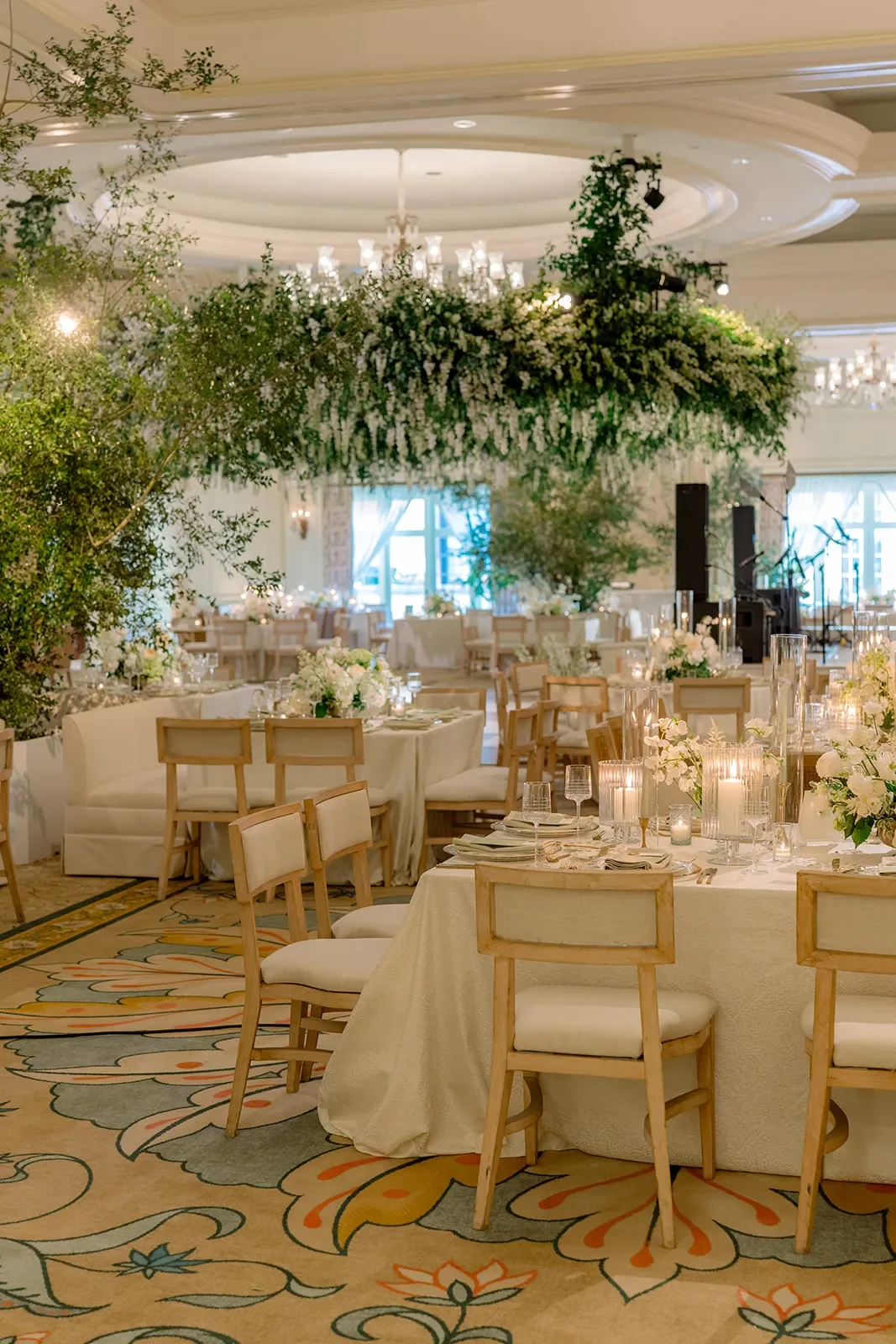
Selecting chairs through Curated Events Charleston allows the seating to be considered alongside the complete event environment. Couples and planners can compare styles, dimensions, finishes, quantities, and surrounding rentals before finalizing the plan.
Explore an Extensive Selection of Chair Styles
The Charleston chair inventory includes options such as:
- Chiavari chairs
- Cross-back chairs
- Cane-back chairs
- Tuscan chairs
- Wishbone and Thonet-inspired chairs
- Bistro and café chairs
- Acrylic ghost chairs
- Velvet and upholstered specialty seating
- Folding chairs
- Children’s chairs
- Barstools
This range allows the chair selection to respond to the venue, wedding style, and functional needs of each event area.
Coordinate Seating Across the Complete Wedding Design
Chair selections can be reviewed with:
- Tables
- Linens
- Chargers and china
- Flatware and glassware
- Lounge furniture
- Bars and shelving
- Lighting
- Tent rentals
- Dance floors and stages
- Catering and service equipment
Considering these elements together helps maintain consistent proportions, materials, and colors throughout the celebration.
Receive Support With Design and Logistics
The Curated Events Charleston team can assist with comparing available styles, reviewing quantities, evaluating compatibility with the layout, and coordinating delivery and installation requirements.
Collaboration with the planner and venue is especially important when the wedding includes multiple seating areas, chair transfers, historic access conditions, or outdoor installations.
Frequently Asked Questions
How Early Should Wedding Chairs Be Reserved?
The appropriate timing depends on the wedding date, venue, required quantity, preferred chair style, and overall rental plan. The selection process can begin once the venue and approximate guest count are established.
Beginning early provides more time to compare available inventory, coordinate chairs with tables and linens, and review the floor plan.
Can the Same Chairs Be Used for the Ceremony and Reception?
The same chairs may be used in both spaces when the venue permits the transfer and sufficient time and labor are available. The planner should confirm who will move the chairs and how the transition will fit the event schedule.
Separate chair quantities may be more practical when the ceremony and reception are far apart or occur with little time between them.
How Many Wedding Chairs Should Be Rented?
The required quantity depends on the final guest count and the number of event spaces. Separate seating may be needed for the ceremony, reception, cocktail areas, vendors, sweetheart table, or other locations.
The order should be reviewed whenever the guest count or floor plan changes.
Should Wedding Chairs Match the Tables?
Chairs and tables do not need to match exactly. Their materials, finishes, scale, and visual style should complement each other.
A contrasting chair can add definition to a table, while a similar material can create a more unified appearance.
Are Upholstered Chairs Appropriate for Every Guest Table?
Upholstered chairs may be used throughout the reception when the required quantities, dimensions, and floor-plan space are available. They can also be used selectively at sweetheart tables, head tables, table ends, or other focal areas.
The chair width and depth should be reviewed carefully before placing upholstered seating around every table.
What Chair Styles Work Well for Outdoor Charleston Weddings?
Natural wood, cross-back, cane-back, acrylic, bistro-inspired, and other chair styles may work well outdoors depending on the venue surface, tent, architecture, weather plan, and overall design.
There is no single chair style that suits every outdoor wedding. The complete setting should guide the selection.
Can Different Chair Styles Be Used During One Wedding?
Different chair styles can be used for the ceremony, reception, lounge, bar, and sweetheart-table areas. The selections should share a consistent design direction through color, material, finish, or silhouette.
Using several styles can help distinguish event spaces while keeping the overall celebration cohesive.
Can Curated Events Coordinate Chairs With Other Wedding Rentals?
Curated Events Charleston can help coordinate chairs with tables, linens, tabletop pieces, lounge furniture, bars, lighting, tenting, dance floors, staging, and other event rentals.
Reviewing these categories together helps ensure the seating works with both the design and the practical floor plan.
Complete the Charleston Wedding Design With the Right Chairs
Wedding chairs should be selected according to the venue, guest experience, floor plan, and complete event design. The strongest choice is not simply the most decorative chair, but the one that complements the setting, works with the tables and linens, provides appropriate comfort, and fits comfortably within the available space. You may also find Charlotte Wedding Chair Rentals: Elegance Meets Comfort helpful.
Curated Events Charleston offers a varied collection of dining chairs, ceremony seating, specialty chairs, barstools, children’s seating, and lounge furniture for weddings across the Charleston area. By comparing these options alongside tables, linens, tabletop rentals, tenting, lighting, bars, and other event elements, couples and planners can develop a seating plan that feels intentional from the ceremony through the reception. Our Charleston team stocks lounge furniture rentals for Charleston events.
Explore the Curated Events Charleston chair collection and begin coordinating seating that supports the venue, wedding style, and complete guest experience. Get in touch with our Charleston showroom to start your rental order.