
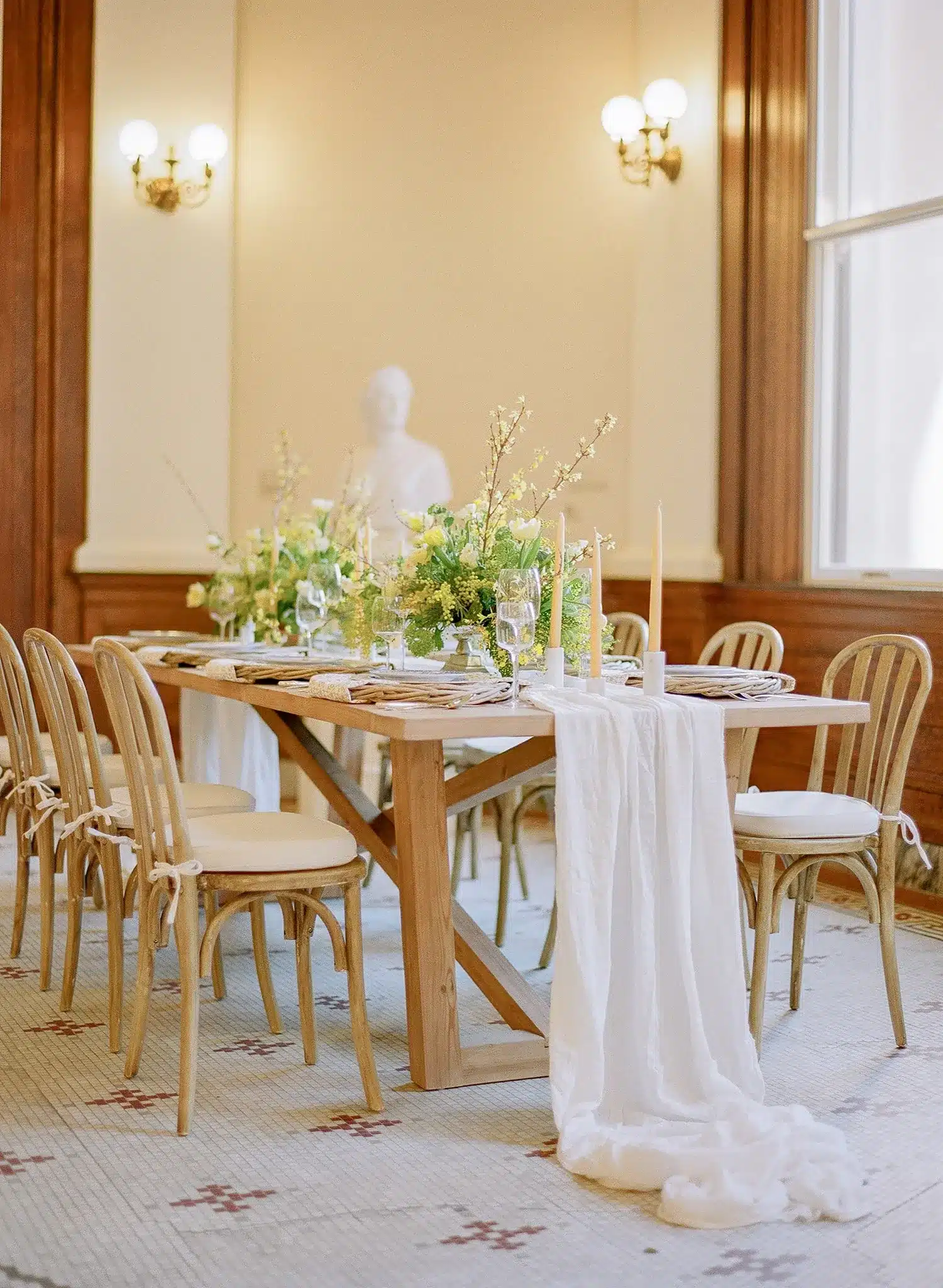
Lighting has the power to transform a Charleston evening reception, shaping the mood, highlighting historic architecture, and creating an atmosphere that feels both intimate and intentional. From first impressions to the final dance, thoughtful lighting enhances every moment while allowing the venue’s character to shine.
This guide explores how layered lighting, timeless fixture choices, and Charleston-specific considerations come together to create a reception that feels seamless and refined. Designed with both beauty and function in mind, these insights help ensure your lighting supports the experience and elevates the setting.
Why Is Lighting Essential For Charleston Evening Receptions?

Lighting does more than brighten a room, it sets the tone. In Charleston, careful lighting can highlight historic architecture, create intimate moments in a garden courtyard, and ensure photos look as timeless as the setting. A smart lighting plan turns a venue’s best features into focal points and keeps guests comfortable from cocktail hour through the last dance.
Beyond aesthetics, lighting is a coordination tool: it helps define zones, prioritize safety, and manage the flow of attention. When done well, lighting supports the logistical rhythm of an event, guiding guests between spaces, focusing attention on important moments, and minimizing visual clutter that can make a historic space feel busy rather than elegant.
How Does Lighting Enhance Ambiance And Guest Experience?
Different techniques steer how guests feel and interact. Warm, soft light reads as intimate and relaxed; cooler, brighter light energizes communal spaces. The magic comes from layering ambient, task, and accent lighting so the room feels inviting, every table is readable, and key moments, like speeches or first dances, stand out. Dimmable fixtures and layered control give you flexibility as the night shifts.
Practically speaking, think of lighting as a set of cues: arrival lighting should welcome and flatter, dinner lighting should be comfortable and readable, and celebration lighting should heighten energy without creating visual fatigue. Guests rarely notice great lighting directly, but they notice how a room makes them feel, and that memory stays with them longer than a single decorative detail.
Lighting is storytelling; it guides attention, shapes mood, and helps guests remember the night.
What Role Does Lighting Play In Event Photography And Venue Highlighting?
Great lighting makes great photos. Uplighting reveals architectural texture, spotlights capture moments, and balanced ambient light avoids harsh shadows on faces. Thoughtfully placed fixtures create photographic depth so the venue becomes a backdrop that supports, not competes with, the people and moments you want to remember.
To collaborate effectively with your photographer, plan a quick pre-event walk-through to test white balance and sightlines. Ask the photographer where they typically shoot from and whether they prefer stronger key light on the couple or softer, even lighting across the room. Small adjustments, moving a floor light a few feet, swapping a bulb to a slightly warmer temperature, or softening an overhead, pay off in images that look intentional and natural.
What Are The Core Layers Of Lighting Design For Charleston Events?
Designing with layers gives you control and visual richness. Each layer has a clear purpose and, when combined, they make the space feel complete.
- Ambient Lighting: The base layer that fills the space, enough light to move around comfortably and set the overall mood.
- Accent Lighting: Used to draw the eye to architectural details, trees, centerpieces, or the head table, this is what creates depth and drama.
- Task Lighting: Focused light for specific activities, dining, signing a registry, or the dance floor, so guests can see what they need to do without sacrificing ambiance.
Think of these layers as a toolbox: ambient light creates the canvas, accent lights add brushstrokes, and task lights sharpen the details. When you plan, allocate fixtures per layer and test how they mix. Using controls that let you adjust levels independently keeps scenes dynamic without needing to swap equipment mid-event.
How To Use Ambient Lighting To Set The Mood?
Ambient options include chandeliers, recessed fixtures, and soft LED washes. Pick fixtures that feel native to the venue, and use dimmers so the light evolves with the evening. A good ambient plan keeps the room comfortable during dinner and allows more dynamic effects later, without ever feeling sterile.
When choosing color temperature, favor warmer tones for historic interiors and outdoor evening events, warm-white light complements wood finishes, plaster, and older paint tones. For modern venues or spaces that want a clearer, crisper look, a slightly cooler ambient temperature can provide that energy without feeling clinical if paired with warm accents.
Practical tips: position ambient fixtures to minimize direct glare on guests’ faces, and use soft diffusion where possible. If a venue has multiple ceiling heights or obstructions, plan separate ambient zones so one area doesn’t overpower another. Finally, make sure ambient lighting supports reading menus and seeing table settings comfortably, if guests must squint, they’ll remember the discomfort more than the design.
Which Accent Lighting Techniques Highlight Historic Venue Features?
Wall washing, targeted uplights, and narrow-beam spotlights work especially well on textured walls, moldings, and columns. Keep intensity tasteful, accenting features without flattening them, and consider warm color temperatures to preserve the venue’s historic warmth. For themed events, subtle color washes can amplify mood without obscuring architectural detail.
Placement matters: aim uplights close enough to the surface to model texture without creating hard rings of light, and choose beam angles that flatter rather than compress details. For columns and pilasters, short, low-angle uplights emphasize vertical lines; for ornate moldings, small spotlights with precise shutters offer more control. If you plan color washes, test them against the actual finish, some paints and materials shift color in unexpected ways under saturated light.
Which Popular Lighting Styles And Rentals Elevate Charleston Evening Receptions?
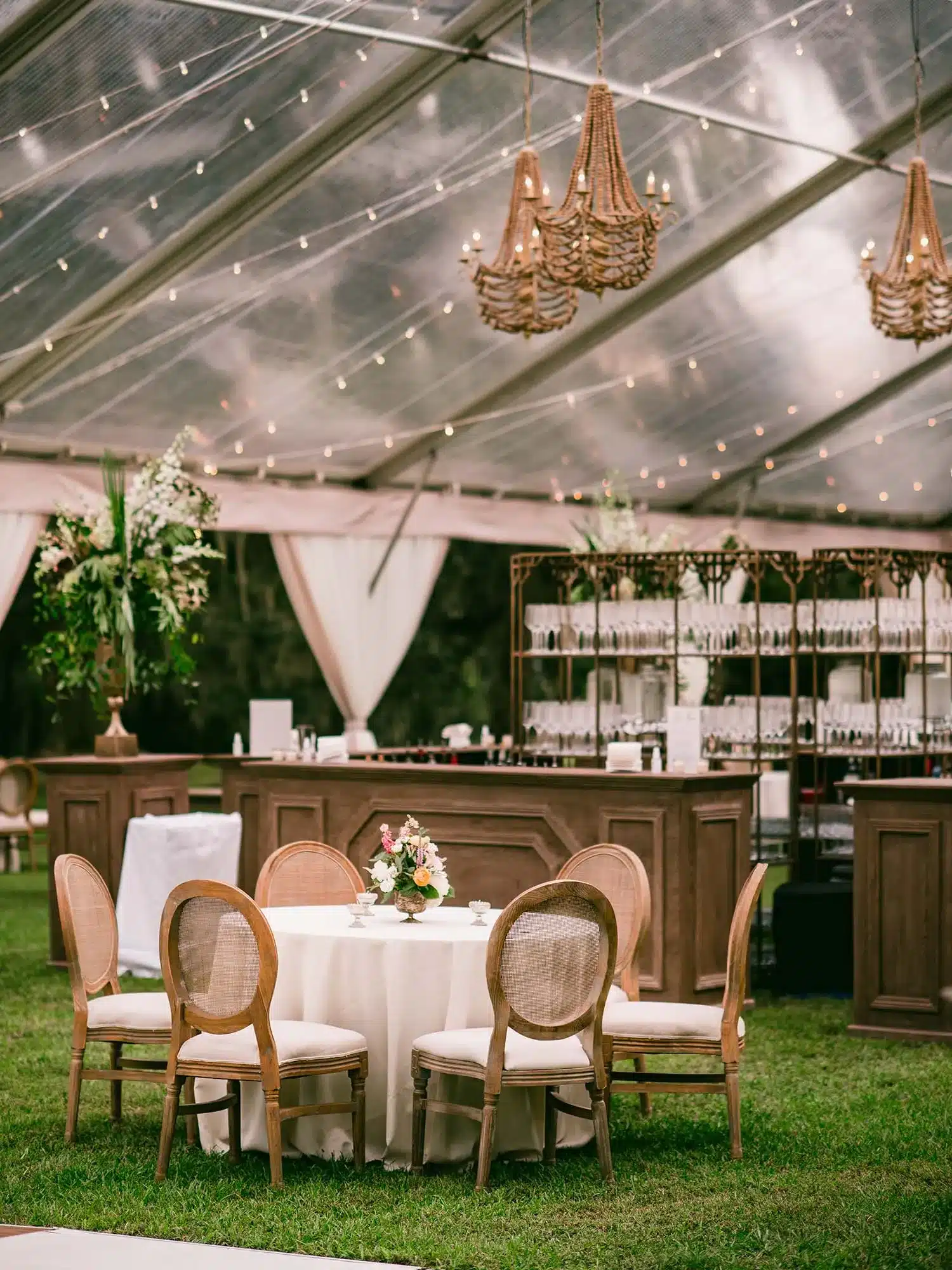
Charleston’s venues favor timeless, romantic fixtures, but the right mix depends on your vision. Below are styles that frequently succeed here.
- Elegant Uplighting: Accent walls, columns, and trees, uplighting adds dimension and can be color-coded to your palette for a cohesive look.
- String Lights and Café Lighting: Perfect for courtyards and outdoor dining, they read warm and intimate and work beautifully against Charleston’s open skies.
- Chandeliers and Pendants: Use them as focal anchors over dining areas or the dance floor; they bring instant elegance and scale to a space.
- Specialty Lighting Effects: Gobos, moving heads, and programmed dance-floor lighting add energy and can be timed with music to create a memorable crescendo.
When renting, ask your provider about fixture examples on-site or in similar venues. A lighting rehearsal is especially helpful for specialty effects: colors and motion that look lively from a dimly lit tech table can be overwhelming when seen by guests at eye level.
What Are The Benefits Of Elegant Uplighting For Charleston Weddings?
Uplighting lifts architectural features and creates beautiful backdrops for photos. It’s flexible, color and intensity can be tailored to your palette and adjusted through the night, making it a versatile choice for couples who want romance without fuss.
Uplights can also be used strategically to balance visual weight across a room; a strong accent on one wall can make a space feel lopsided unless counterbalanced. Consider symmetrical placement in formal rooms and asymmetrical focal points in more relaxed environments.
How Do String Lights And Café Lighting Create Romantic Outdoor Ambiance?
String and café lighting layer a soft, approachable glow across outdoor dining and lounge areas. Install them with even spacing, use warm-white bulbs, and combine with uplighting for trees and pathways to build depth. The result feels both intimate and effortlessly festive.
When planning an overhead grid of string lights, account for anchor points and sightlines. Zig-zag patterns feel casual and dynamic; parallel runs emphasize formal alignment. Also plan for the practical: secure bulb sockets from weather exposure, and route suspension lines so they’re out of guest sightlines while remaining serviceable for rigging crews.
Why Choose Chandeliers And Pendants For Statement Lighting?
Chandeliers and pendants create instant scale and elegance. Match the fixture style to the venue, antique finishes for historic halls, simple metalwork for modern spaces, and mind clearance and sightlines so they feel deliberate, not obstructive.
Check attachment points and load limits with the venue early. If a permanent ceiling anchor is unavailable, plan for temporary truss, low-profile motors, or discreet scaffolding. When chandeliers are used over dining tables, center them so they frame the setting without obstructing sightlines or interfering with floral centerpieces.
How Can Specialty Lighting Enhance Your Event?
Specialty lighting adds depth and energy to the celebration, helping the dance floor feel vibrant while maintaining a polished, cohesive look. Thoughtful use of pattern projection, subtle color shifts, and dynamic accents can draw guests in and signal the transition from dinner to dancing, without overwhelming the space.
Rather than abrupt changes, these lighting moments are planned to unfold naturally throughout the evening. Softer, neutral tones complement early moments like entrances and first dances, while richer color and movement can be introduced later to elevate the atmosphere. When timed intentionally, specialty lighting enhances the rhythm of the event and supports the music, creating a dance floor that feels lively, immersive, and effortlessly elegant.
What Charleston-Specific Considerations Affect Your Lighting Plan?
Charleston’s beauty brings unique considerations, historic architecture, outdoor settings, and coastal conditions all influence how lighting should be designed. With the right approach, these factors become opportunities to create a setting that feels authentic, elegant, and effortless.
- Historic Venue Challenges: Many Charleston venues prioritize preservation and limit permanent alterations. Lighting plans should rely on non-invasive mounting methods and thoughtfully selected fixtures that respect original surfaces. Early coordination with venue teams ensures the design complements the space while staying within guidelines.
- Outdoor & Coastal Environment: Charleston’s warm evenings and garden settings invite outdoor celebrations, but coastal humidity and the possibility of sudden weather changes require lighting solutions designed for reliability. Weather-appropriate fixtures and flexible planning help maintain ambiance regardless of conditions.
- Local Regulations and Permits: Outdoor and historic venues often have specific requirements that affect lighting placement and setup. Working with a team familiar with Charleston venues helps streamline approvals and avoids last-minute adjustments, keeping the focus on the design rather than the details.
How to Light Historic Charleston Courtyards and Gardens Effectively
Courtyards and gardens shine best when lighting feels organic and understated. Low-level path lighting improves visibility while guiding guests naturally through the space. Soft uplighting on trees, garden walls, and architectural details adds depth and warmth without overpowering the setting.
Layering is key: subtle backlighting can define gathering areas, while lanterns and candle-inspired fixtures bring intimacy to seating nooks. The goal is to enhance Charleston’s natural charm, allowing the architecture and landscape to glow after sunset.
How Are Power and Weather Considerations Managed for Outdoor Lighting?
Outdoor lighting in Charleston calls for thoughtful planning behind the scenes. Reliable power access, discreet cable routing, and weather-ready fixtures ensure the design performs as beautifully as it looks. With proper preparation, lighting remains seamless throughout the evening, even as conditions change. We cover this further in The Wedding Lighting Rental Guide.
An experienced lighting partner anticipates these needs in advance, coordinating logistics so guests experience only the atmosphere, not the infrastructure supporting it.
Are There Permits or Regulations to Know for Charleston Event Lighting?
Some Charleston venues and outdoor spaces require advance coordination or approvals for lighting installations. Rather than navigating this alone, working with a team familiar with local venues and guidelines simplifies the process.
By partnering closely with venue managers and handling requirements early, lighting plans can move forward confidently, allowing the focus to remain on creating a memorable and beautifully lit celebration. For more detail, see our article Creating Your Dream Decor With Premium Wedding Rental Chandeliers.
How Do You Create a Functional and Beautiful Lighting Layout for Your Reception?

A successful lighting layout balances beauty with purpose, highlighting the moments that matter most while keeping the space comfortable and intuitive for guests. The goal is to create distinct zones that feel cohesive, ensuring every area is thoughtfully lit without visual clutter.
Rather than treating lighting as an afterthought, an intentional plan considers how guests arrive, gather, dine, and celebrate. When lighting is layered and well-placed, movement through the space feels natural and each moment unfolds with ease.
How Are Key Moments and Focal Areas Defined?
Ceremony locations, dining tables, the head table, and the dance floor deserve focused attention. These areas benefit from tailored lighting that enhances visibility and atmosphere while remaining flattering and understated.
By understanding the layout and sightlines of the venue, lighting can be positioned to support each focal point without distraction. This approach ensures transitions, such as moving from ceremony to reception or dinner to dancing, feel seamless and well-paced.
How Can Lighting Guide Guest Flow and Define Event Zones?
Lighting naturally directs attention and movement. Brighter, warmer light encourages gathering and conversation in dining and bar areas, while softer, layered lighting signals spaces meant for lounging or quieter moments.
Subtle transitions between zones, such as illuminated walkways or softly lit architectural features, help guests intuitively navigate the event without signage or instruction. A mix of overhead fixtures, accent lighting, and low-level glow creates visual cues that feel effortless and refined.
How Do You Transition the Mood from Dinner to Dancing?
As the evening progresses, lighting can evolve to reflect the changing energy of the celebration. During dinner, warm and even lighting keeps the atmosphere relaxed and inviting. As dancing begins, contrast and depth can be introduced to create a more dynamic feel.
Gradual shifts, rather than abrupt changes, keep the experience polished. Lighting transitions that unfold smoothly help guests settle into the next phase of the evening, allowing the celebration to build naturally while maintaining an elegant aesthetic.
How Can Curated Events Support Your Charleston Evening Reception Lighting Needs?
Curated Events brings together thoughtfully curated lighting and design expertise to create receptions that feel cohesive, elegant, and effortless. Our approach balances beauty with function, ensuring lighting enhances the atmosphere while supporting the flow of the evening from arrival to last dance. Read more in Lighting Design for DC Fundraisers: Arrival to the Giving Moment.
With deep experience across Charleston’s venues, we understand how to design lighting that works within historic guidelines, outdoor environments, and unique architectural settings. Our team manages the details behind the scenes so the final result feels seamless and intentional.
What Expertise and Inventory Does Curated Events Offer?
Our lighting collection includes uplighting, chandeliers, string and café lighting, and specialty fixtures designed to complement a wide range of venues and styles. We guide fixture selection and placement to ensure each space is beautifully lit and aligned with the overall design vision.
Beyond rentals, our team collaborates closely with planners and venues to develop a lighting approach that feels integrated, not added on. From layout recommendations to on-site coordination, we ensure the lighting supports both the aesthetic and the experience.
How to Request a Lighting Consultation and Rental Services
To begin, connect with Curated Events to schedule a lighting consultation. We’ll review your venue, discuss your vision and timeline, and create a tailored proposal that reflects both your style and the setting.
Sharing floor plans, inspiration imagery, and any venue guidelines helps us develop a thoughtful, realistic plan from the start. Whether through a site visit or detailed venue imagery, our collaborative process ensures your lighting design feels refined, well-considered, and perfectly suited to your Charleston celebration.
Frequently Asked Questions
What Are the Best Lighting Options for Outdoor Receptions in Charleston?
String and café lighting are timeless choices for Charleston outdoor receptions, offering a warm, inviting glow that feels both romantic and effortless. Pair them with soft uplighting on trees or architectural elements to add depth, and incorporate lanterns to create intimate pockets of light throughout the space.
For outdoor settings, it’s important to select fixtures designed for evening conditions and plan lighting early so the layout feels seamless and well integrated with the overall design.
What Are Some Common Mistakes to Avoid When Planning Event Lighting?
One of the most common missteps is relying on a single type of lighting rather than layering different sources. Under-lighting guest areas or using harsh overhead lighting can make spaces feel uncomfortable rather than inviting.
Consistency also matters, mixing light tones or styles across the room can disrupt the overall aesthetic. Thoughtful planning ensures lighting feels balanced, flattering, and cohesive from start to finish.
How Can I Incorporate Color Into My Lighting Design?
Color can be a beautiful way to set the mood when used intentionally. Soft, muted tones work well for dinner and early evening moments, while richer color can be introduced later to elevate the energy on the dance floor.
Testing color choices against the venue’s surfaces helps ensure tones remain flattering and enhance the space without overpowering it, especially in historic or outdoor settings.
What Should I Consider When Choosing Lighting for a Historic Venue?
Historic venues benefit from lighting that respects their character. Warm tones, subtle placement, and non-invasive fixture options help preserve architectural details while enhancing the atmosphere.
Working with a team familiar with Charleston’s historic properties ensures lighting designs achieve impact while remaining aligned with venue guidelines.
How Can I Create a Cohesive Lighting Design That Matches My Event Theme?
Start with the overall mood you want to create, romantic, modern, or celebratory, and choose lighting styles and finishes that support that vision. A consistent palette, coordinated fixture styles, and layered lighting help tie the design together across different areas of the event.
When lighting feels intentional and unified, each space flows naturally into the next.
What Are the Benefits of Working with a Professional Lighting Partner?
An experienced lighting partner brings both design insight and logistical expertise, ensuring lighting enhances the event without added stress. From selecting the right fixtures to coordinating with the venue, professionals manage the details so the final result feels effortless.
The result is a thoughtfully lit event where every moment feels polished, intentional, and beautifully executed.
Conclusion
Thoughtful lighting turns a Charleston evening reception into an experience ,highlighting architecture, shaping mood, and capturing moments for beautiful photos. By layering ambient, accent, and task lighting and planning for local challenges, you’ll create a reception that feels intentional and timeless. If you’d like help bringing the plan to life, reach out to Curated Events for a consultation and equipment rental tailored to your venue and vision. Get in touch with our Charleston showroom to start your rental order.
Final practical checklist: schedule an early site visit, confirm power and attachment limits, map zones and cue timing, include weatherproofing and backup power for outdoors, and plan a tech rehearsal with your photographer and DJ. These steps make sure your lighting design looks great and functions reliably, so you can focus on the event itself. See the full collection of Charleston lighting and power rentals at Curated Events.