
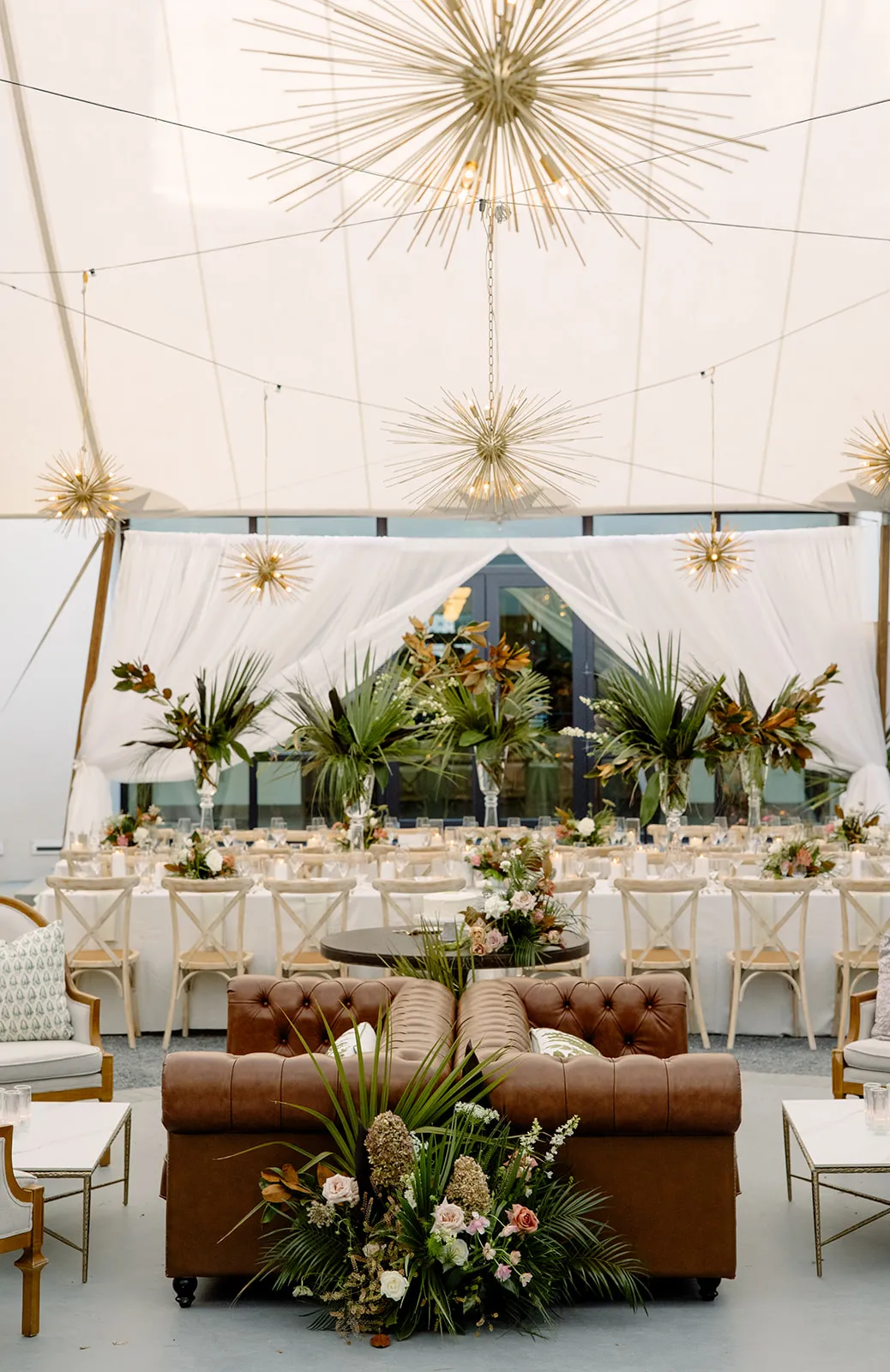
A fundraiser unfolds in stages. Guests arrive, check in, reconnect with supporters, settle into the program, hear the organization’s story, and eventually reach the moment when they are invited to give. Lighting can support each transition by changing what guests notice, how the room feels, and where attention naturally moves.
Effective event lighting design for DC fundraisers starts with that sequence rather than a list of fixtures. A Washington, DC gala in a hotel ballroom, museum setting, tent, conference venue, or other event space may require a different technical approach, but the design principle remains consistent: light should support the purpose of each part of the evening.
For nonprofit development teams, planners, producers, and sponsors, that means planning lighting alongside the program, seating, audiovisual production, décor, and guest circulation. The result is a room that can welcome donors graciously, support conversation, focus attention during storytelling, and give the fundraising appeal the visual clarity it deserves.
Build the Lighting Plan Around the Fundraising Arc
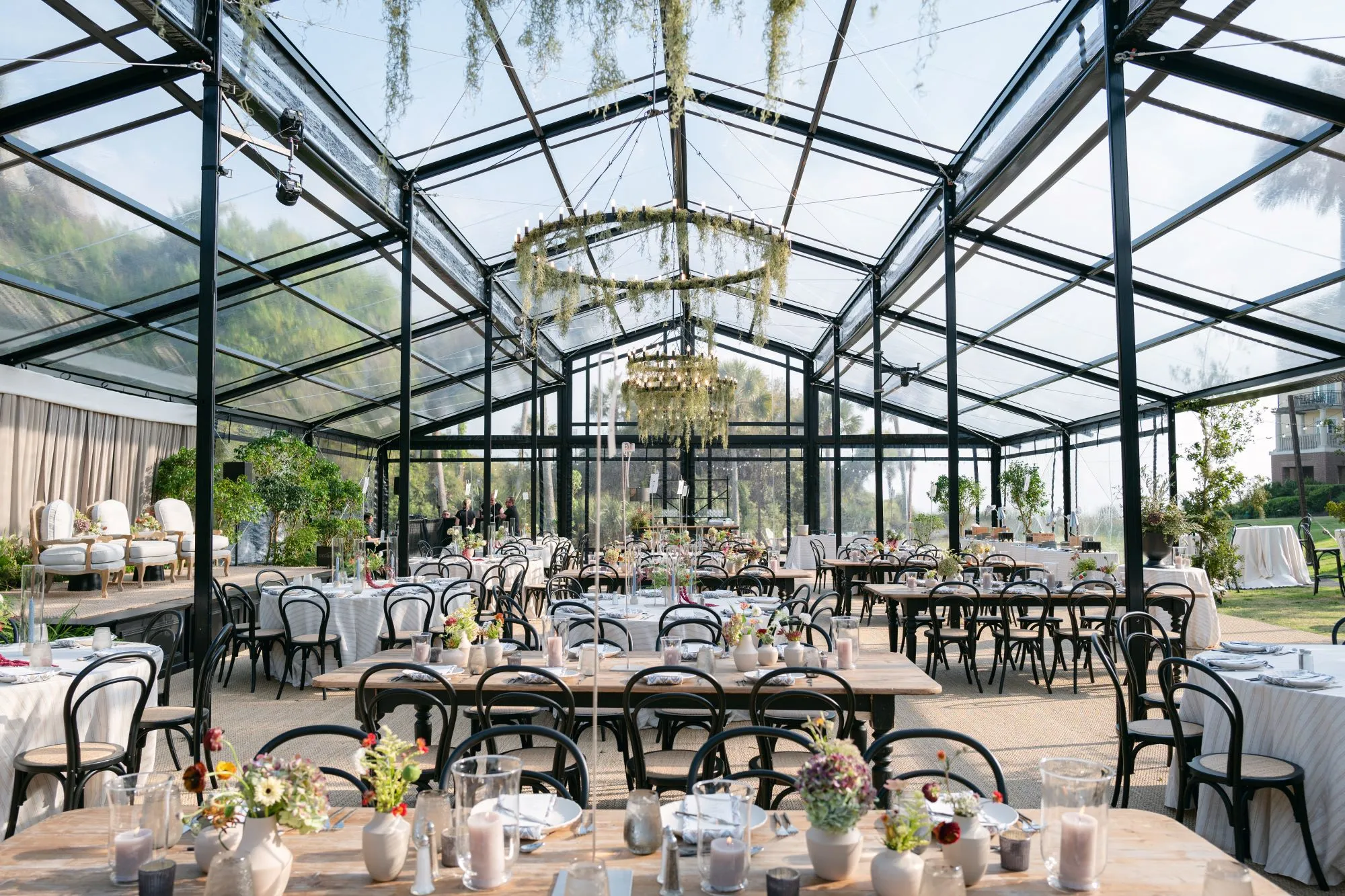
Fundraiser lighting works best when it responds to the event timeline. Instead of creating one attractive scene and leaving it unchanged all evening, establish distinct lighting states for the major phases of the guest experience.
Map the Evening Before Selecting Fixtures
Begin with the run of show. Identify when guests arrive, when registration opens, how long the reception lasts, when seating begins, where dinner or other service fits, and when speeches, videos, awards, performances, and the appeal occur.
This timeline reveals where lighting needs to change. Arrival may call for a clear, inviting entrance. The reception can feel more animated and social. Dinner generally needs comfortable illumination at the tables, while speeches require stronger visual focus on the stage. The giving moment may benefit from another controlled shift that quiets competing areas and concentrates attention.
Fundraising guidance from the Association of Fundraising Professionals emphasizes storytelling and meaningful donor experiences as important elements of fundraising events. Lighting cannot create the story itself, but it can help the room follow the program’s emotional and informational progression.
Think in Layers Instead of a Single Lighting Effect
A useful plan combines ambient, accent, and functional illumination. Ambient light establishes the general character of the room. Accent light directs attention to architecture, floral installations, sponsor elements, bars, stages, or other focal points. Functional illumination supports activities such as registration, dining, reading programs, and moving through the space.
A layered lighting approach provides greater control because each element can perform a specific job. One layer can remain consistent while another changes as the program progresses. Curated Events’ existing lighting guidance similarly distinguishes ambient, accent, and task lighting as complementary elements within a coordinated design.
Create Lighting Zones and Lighting Cues
Zones describe where light is working. Cues describe when it changes. A ballroom might have separate zones for the entrance, registration desk, cocktail area, dining tables, stage, auction display, sponsor wall, bar, and circulation routes.
The cue list connects those zones to the program. For example, the reception lighting may soften when doors open for dinner, stage light can increase when the host begins, and accent lighting elsewhere can become quieter before a mission video or appeal. The changes do not need to be dramatic. Subtle shifts can be more effective because guests experience the transition without feeling that the lighting itself has become the show.
Design the Arrival to Establish Purpose and Direction
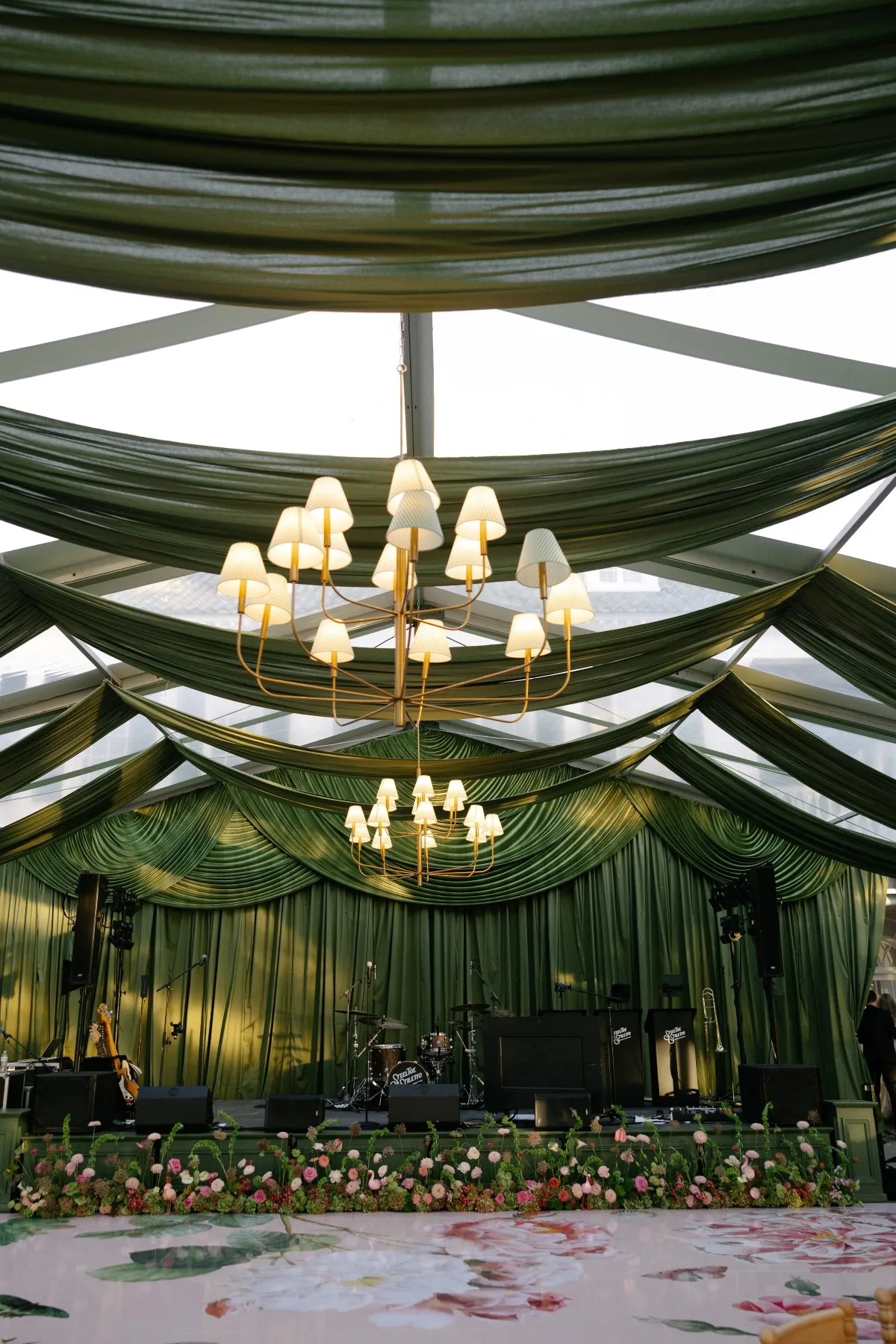
The first lighting decisions guests encounter should make the event feel intentional and easy to navigate. Arrival lighting can establish visual identity while helping people understand where to go next.
Illuminate the Entrance as a Clear Destination
For an evening fundraiser, guests should be able to recognize the event entrance quickly. Architectural lighting, illuminated signage, carriage-style fixtures, or carefully positioned accent lighting can help create that sense of arrival, depending on the venue and the equipment it permits.
Aim for a visual transition between the exterior or lobby and the main event environment. A fundraiser with an elegant, restrained interior does not necessarily need a highly theatrical entrance. The goal is coherence. The entrance should introduce the atmosphere guests will experience inside.
For planners building out these layers, the current event lighting rentals in DC collection provides a useful starting point for reviewing fixture styles and identifying options appropriate to the venue and overall design.
Keep Registration Bright Enough to Function
Registration and check-in are working areas. Staff may need to read guest names, use devices, distribute materials, answer questions, and direct traffic. Dim atmospheric lighting can make that process unnecessarily difficult.
Give these areas sufficient functional light while keeping the source visually integrated with the event. The check-in desk does not need to resemble an office workstation, but staff and guests should be able to complete the process comfortably.
If the fundraiser includes a donor wall, sponsor installation, step-and-repeat, or welcome display near registration, treat it as a separate focal point. Accent lighting can make it legible and photograph well without forcing the entire entrance zone to the same intensity.
Give the Reception Its Own Energy
Cocktail receptions usually need a different visual character from the seated program that follows. Guests are moving, talking, visiting bars, viewing auction items, and reconnecting with one another. Lighting can make that area feel active while preserving the level of refinement expected at a formal fundraiser.
Use accent lighting to define gathering points and prevent the room from becoming visually flat. Bars, lounge groups, florals, architectural features, and selected sponsor moments can each receive enough emphasis to create depth.
The reception is also an opportunity to introduce the organization’s visual identity gradually. Brand colors can appear as controlled accents rather than covering every wall. A more restrained approach leaves room for the lighting design to evolve later in the evening. Read more in How to Design the Perfect Lighting Plan for Savannah Evening Events.
Shape Dinner and the Program Around Comfort and Focus
Once guests move to their seats, lighting has to support several activities at once. Guests need to see one another, interact with the tabletop, follow the stage, and watch screens without competing visual signals.
Balance Table Illumination With Room Ambience
Formal dining areas should feel atmospheric without becoming too dark to use comfortably. Consider how chandeliers, pendants, candles where permitted, existing architectural fixtures, and supplemental sources interact across the room.
Table linens, glassware, metallic surfaces, floral vessels, and glossy furniture can reflect light differently. Review these materials together when possible so the final scene does not create unwanted glare or leave important details visually lost.
Ceiling height matters as well. A fixture that feels appropriately scaled in a low reception space may have little visual presence in a tall ballroom or tent. Lighting should respond to the architecture instead of being selected independently from it.
Give the Stage a Clear Visual Hierarchy
During the formal program, the speaker needs to become the visual priority. Stage lighting should distinguish the podium, panel, honorees, performers, or presenters from the surrounding room without creating a harsh contrast that disconnects the stage from the audience.
Think through every stage configuration before programming the light. A podium speech requires a different focal area from a three-person panel, live interview, awards presentation, or appeal involving multiple people.
Seating matters at this point too. A strong gala layout gives guests practical sightlines toward the stage and presentation screens. Planners coordinating the room as a whole may also find the guide to DC gala seating layouts useful when aligning tables, focal points, lounge areas, and circulation with the program.
Keep Sponsor Recognition Legible but Proportionate
Sponsors often need meaningful visibility during a fundraiser, but lighting should not allow sponsor graphics to compete with speakers or mission storytelling.
Accent sponsor walls and branded displays appropriately during arrival and reception, when guests have time to interact with them. During the main program, visual emphasis can shift toward the stage and screen.
This approach does not reduce sponsor presence. It creates a clearer hierarchy so branding appears intentionally placed rather than visually competing across every phase of the evening.
Design the Giving Moment as a Distinct Lighting Cue
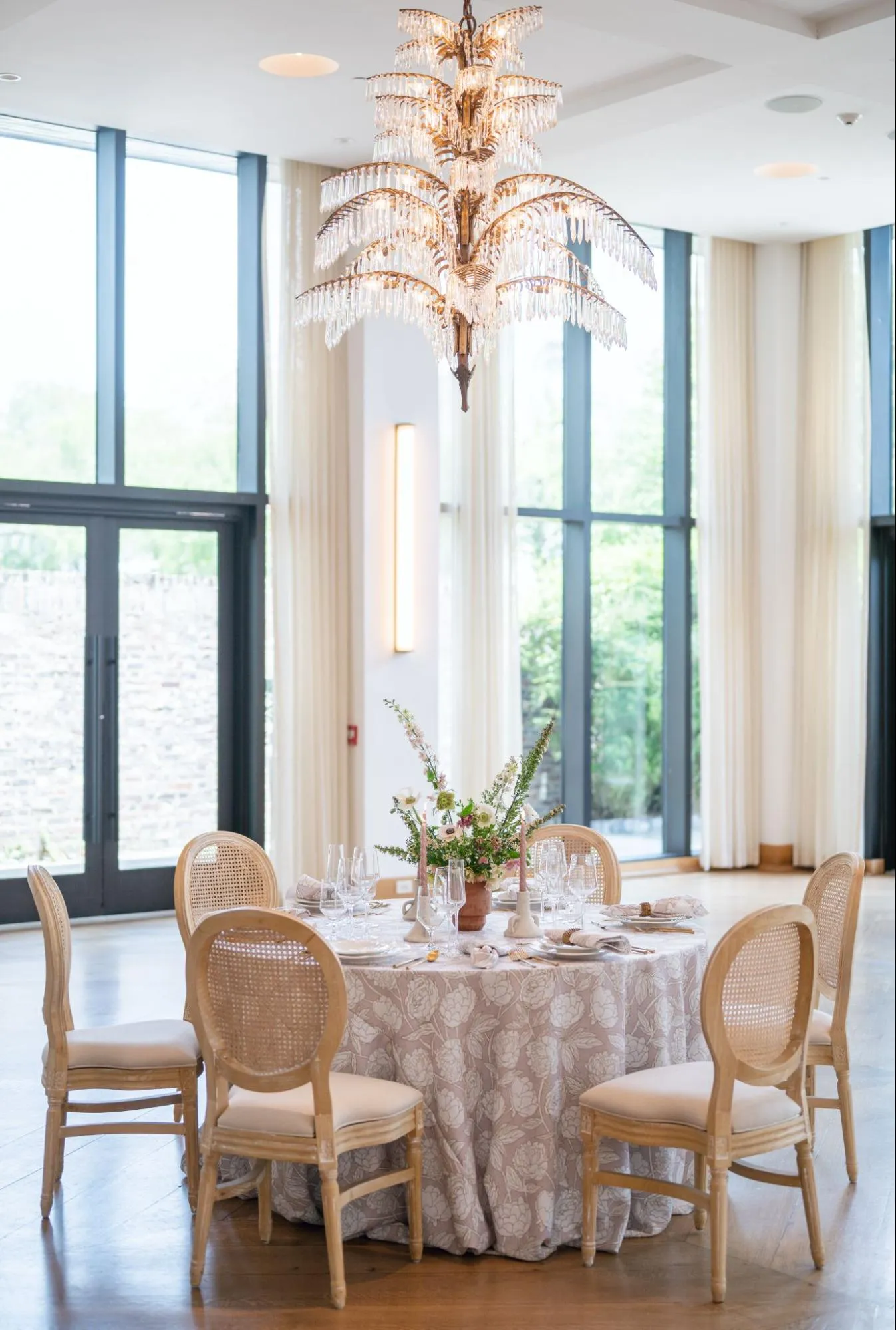
The appeal is often one of the most important parts of a fundraising program. By the time it arrives, guests may have experienced several hours of conversation, dining, presentations, and entertainment. A purposeful lighting transition can signal that the room is entering a different moment.
Reduce Visual Competition Before the Appeal
The strongest giving cue may involve doing less rather than adding another effect. Lowering decorative accents in secondary areas, quieting a brightly illuminated bar, or reducing movement elsewhere in the room can make the stage feel more important.
The transition should support the speaker rather than distract from them. Avoid abrupt effects unless they are intentionally part of the production. A gradual change can prepare the audience for a more focused segment while preserving the formality of the evening.
Coordinate Lighting With Mission Storytelling
Many fundraisers place a beneficiary story, organizational update, short film, or live testimonial close to the appeal. Lighting needs to support each format.
For live speakers, prioritize facial visibility and a flattering, consistent stage look. For video, prevent room lighting from weakening screen contrast. If the program moves directly from a film to a live appeal, plan the cue so attention transfers smoothly from screen to speaker instead of creating a pause while technical elements reset.
Sensitive mission stories also benefit from restraint. Lighting should support the content rather than turn an emotional story into a theatrical effect. AFP’s recent guidance on immersive donor experiences specifically emphasizes context, ethics, and respectful storytelling, principles that are equally relevant when deciding how strongly production elements should shape a fundraising moment.
Make the Ask Visually Easy to Follow
The appeal may involve pledge cards, mobile giving, live bidding, paddle raises, text-to-give instructions, or another method selected by the organization. Lighting should support the actual mechanics of participation. Read more in The Wedding Lighting Rental Guide.
If guests need to read printed materials, keep enough light on the tables. If instructions appear on screen, protect screen visibility. If volunteers or staff move through the room, make sure circulation paths remain usable.
A paddle raise or live appeal may also require the stage team to see the audience clearly. That requirement should be discussed during production planning because a room designed entirely around audience-facing stage light may not provide the visibility the fundraising team needs.
Reopen the Room After the Appeal
The lighting state immediately after the ask matters. Once the primary fundraising moment is complete, the room can shift back toward celebration, conversation, awards, entertainment, or another programmed activity.
Bring secondary zones back gradually. Restore emphasis to bars, lounge areas, a dance floor, or architectural accents as appropriate. This visual release helps the program move forward instead of leaving the room suspended in the intensity of the appeal.
Coordinate Lighting With AV, Photography, Décor, and Furniture
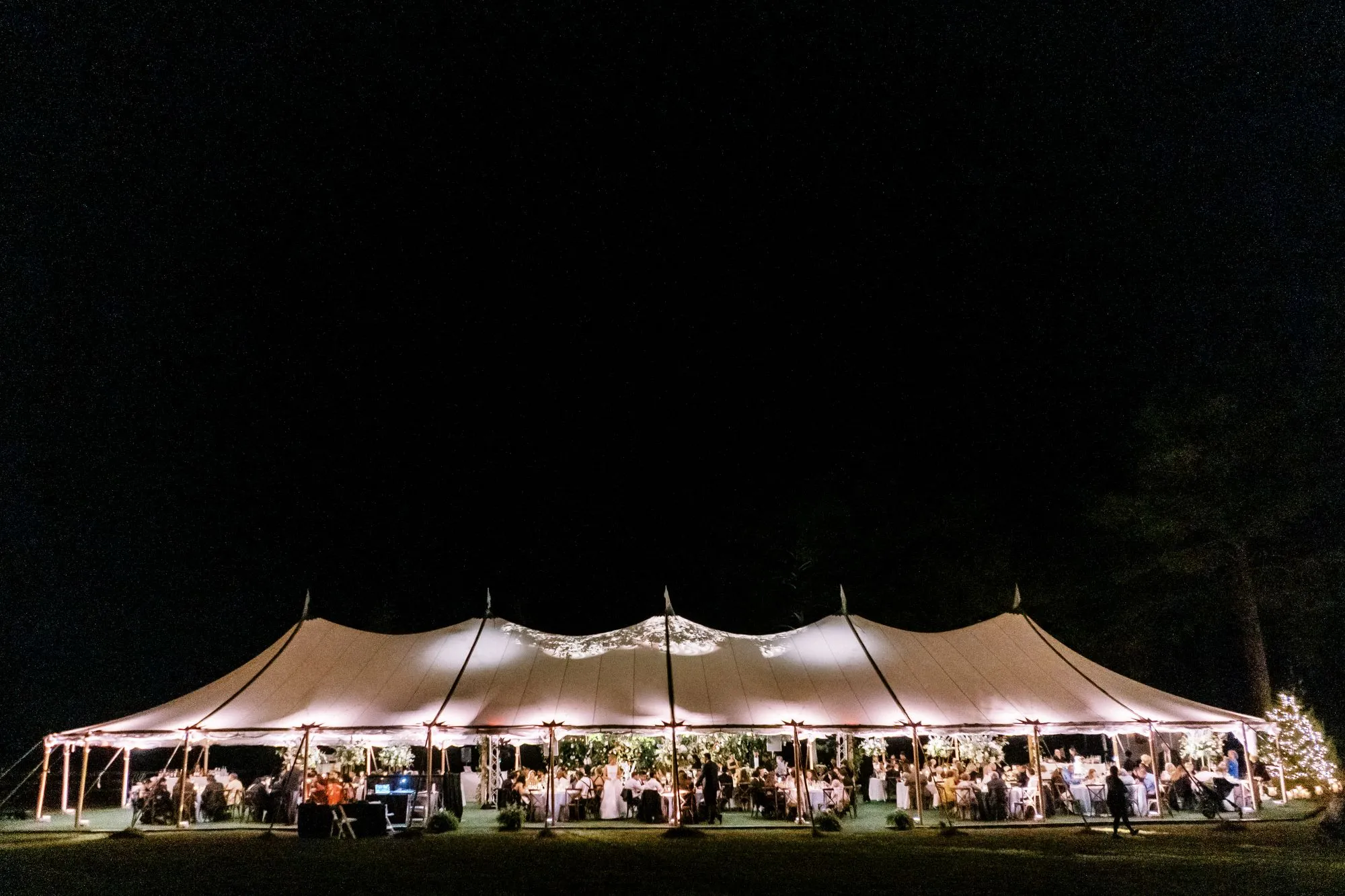
Lighting affects almost every other design and production decision in the room. Planning it separately can create conflicts that only become visible during installation or rehearsal. Read more in Create Your Dream Charleston Wedding Lighting Design Plan.
Test Stage Light for Cameras and Live Video
Fundraisers frequently rely on photography, video recording, projection, or image magnification. The lighting team, photographer, videographer, and audiovisual team should understand one another’s requirements before the event.
Color temperature, fixture placement, intensity, and background lighting can influence how speakers and honorees appear on camera. Reflective backdrops and screens can introduce additional challenges. A rehearsal or technical check gives the production team an opportunity to identify these issues before guests arrive.
Protect Screen Readability
Projection screens and video displays need sufficient contrast. A decorative wash that looks excellent during dinner may interfere with the screen once a mission film or presentation begins.
Program cues can solve that conflict. Accent light near the screen can reduce temporarily during video playback and return afterward. The same principle applies to branded projections, graphics, and other visual content.
Coordinate Lighting With Furniture and Finishes
Furniture creates both visual opportunities and practical constraints. Lounge groupings may benefit from a softer local glow, while a statement bar can become a stronger focal point through controlled accent lighting.
Materials matter as much as layout. Glass, polished metal, mirrored details, dark fabrics, and matte finishes respond differently under the same fixture. Curated Events’ guidance on lighting and statement furniture explores how ambient, task, and accent light can be coordinated with furnishings to create a more cohesive environment.
Confirm Power, Cable Routes, and Rigging
Fixture selection is only one part of the technical plan. The team also needs to account for electrical access, control locations, cable runs, overhead rigging, ceiling conditions, and venue restrictions.
These requirements should be reviewed before décor and furniture layouts are finalized. A cable path that crosses a guest route or a lighting position that conflicts with a scenic installation can require substantial changes if discovered late.
Plan Event Lighting Design for DC Venue Requirements
Washington offers a wide range of formal event environments, and each property can impose its own production rules. Venue requirements should therefore shape the lighting plan from the beginning.
Confirm Rules for Rigging and Existing Architecture
Ask the venue about hanging points, rigging providers, electrical access, approved installation methods, open-flame policies, equipment movement, load-in windows, and restrictions on attaching décor or fixtures to permanent surfaces.
These requirements can be highly specific. Events DC, for example, publishes venue policies covering rigging, suspended lighting equipment, décor attachment, candles, lasers, and other production elements at its facilities. The applicable rules depend on the specific venue and setup.
A site visit can help the lighting and production teams confirm ceiling heights, existing fixtures, power locations, entrances, stage positions, and areas where equipment can be concealed.
Treat Federal and Monument Settings as Site-Specific
Fundraisers held on or near federal parkland require particular care. National Park Service guidance for National Mall and Memorial Parks events addresses temporary lighting, lighting towers, cable runs, and restrictions involving monuments and memorials. For permitted events under that guidance, additional lighting cannot be directed toward monuments or memorials, and lighting towers and cable runs must appear on the site plan.
Those rules should not be assumed to apply to every DC property. They demonstrate why planners need to confirm requirements with the specific venue, property manager, permit authority, and production team before finalizing a design.
Build Rehearsal Into the Lighting Plan
A fundraiser with speeches, videos, awards, entertainment, and a live appeal benefits from a cue-to-cue review. The lighting operator does not necessarily need to run every minute of dinner during rehearsal, but the team should test the important transitions.
Confirm the arrival look, stage state, screen state, storytelling cue, giving cue, and post-appeal transition. This process allows the event producer, development team, AV crew, and lighting team to verify that the room supports the program as intended.
Avoid Lighting Choices That Work Against the Fundraiser
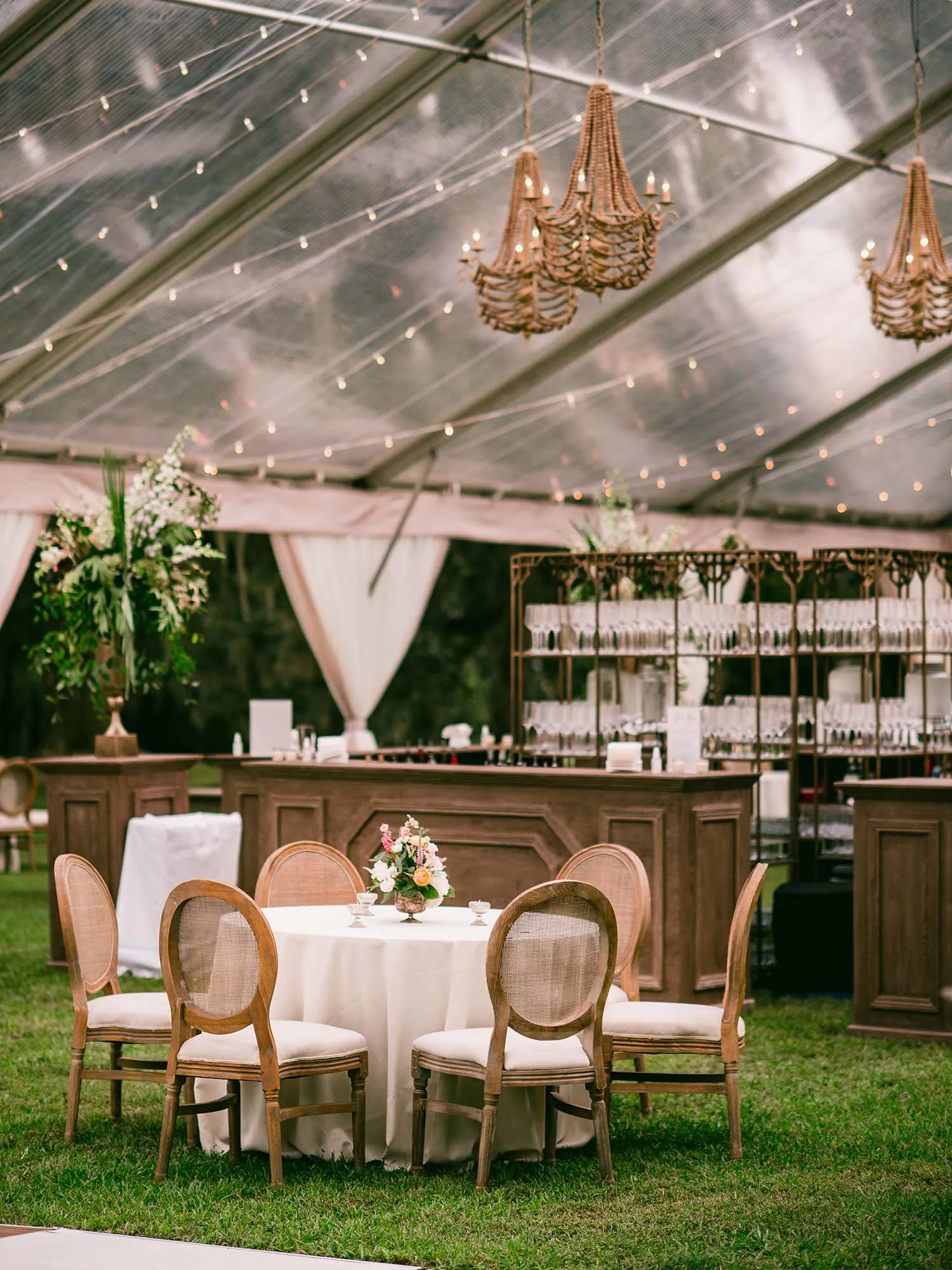
Strong fundraiser lighting is usually the result of disciplined decisions rather than the maximum number of effects. Several common problems can weaken an otherwise carefully planned evening.
Leaving the Lighting Static All Night
One lighting state cannot serve every activity equally well. Registration, networking, dining, storytelling, fundraising, and celebration place different demands on the room.
Even a small number of programmed changes can make transitions clearer and give important moments greater visual distinction.
Using Brand Color Everywhere
Brand colors can be valuable, particularly at entrances, sponsor displays, bars, and selected architectural features. Applying one saturated color across the entire venue can flatten the room and affect how food, décor, clothing, and people appear.
Use brand color as part of a broader palette so the environment remains polished and adaptable throughout the program.
Prioritizing Atmosphere Over Function
Guests still need to see menus, navigate aisles, recognize faces, find exits, and participate in the fundraising activity. Staff need adequate illumination at check-in, service points, and other working areas.
A successful plan protects those functional needs while maintaining the desired atmosphere.
Programming Cues Without the Fundraising Team
The producer or lighting operator should understand why each program transition matters. The development team may know that a particular story leads immediately to an appeal, that a fundraising total will appear on screen, or that a donor recognition moment needs a specific focus.
Sharing those details turns lighting cues into part of the program rather than a sequence based only on timestamps.
Frequently Asked Questions
What Lighting Is Most Important for a Fundraising Gala?
Prioritize functional arrival and registration light, comfortable ambient illumination, clear stage lighting, appropriate table light, and accent lighting for important focal points. The exact combination should reflect the venue and program rather than a standard fixture package.
When Should the Lighting Change During a Fundraiser?
Useful transition points often include guest arrival, the move from reception to dinner, the start of the formal program, video playback, the fundraising appeal, and the return to celebration afterward. The run of show should determine the final cue list.
Should Fundraiser Lighting Use the Organization’s Brand Colors?
Brand colors can work well as accents when they complement the room and event palette. Use them selectively so speakers, décor, food, guests, and mission content remain visually clear.
How Should Lighting Support a Paddle Raise or Live Appeal?
Keep the stage easy to see while maintaining enough visibility in the audience for the fundraising team to follow participation. If guests need to read pledge information or use printed materials, tables also need sufficient illumination.
When Should Lighting Be Planned for a DC Fundraiser?
Lighting should enter the planning process once the venue, preliminary layout, program structure, and major production requirements are established. Early coordination makes it easier to address fixture placement, power, rigging, screens, staging, furniture, venue rules, and cue programming as one system.
Create a Lighting Journey That Supports the Mission
Fundraiser lighting is most effective when every choice reflects what guests are doing and what the organization needs them to notice. An inviting arrival introduces the evening, layered reception lighting supports connection, controlled stage lighting gives the program authority, and a deliberate giving cue focuses the room when the mission and appeal take center stage.
Washington, DC venues add their own architectural and production considerations, so lighting should be planned alongside the venue, AV team, event producer, development team, furniture, and décor rather than treated as a finishing detail. We cover this further in Charlotte’s Premier Lighting Rentals to Beautify Venues.
Curated Events DMV offers lighting within its event rental collection and works with corporate event clients through Event Consultants who help evaluate event goals and rental needs. Explore corporate event rentals in the DMV and submit an inquiry to begin coordinating lighting and other rental elements for an upcoming fundraiser in Washington, DC. Ready to plan? Request a quote from Curated Events Washington, DC.