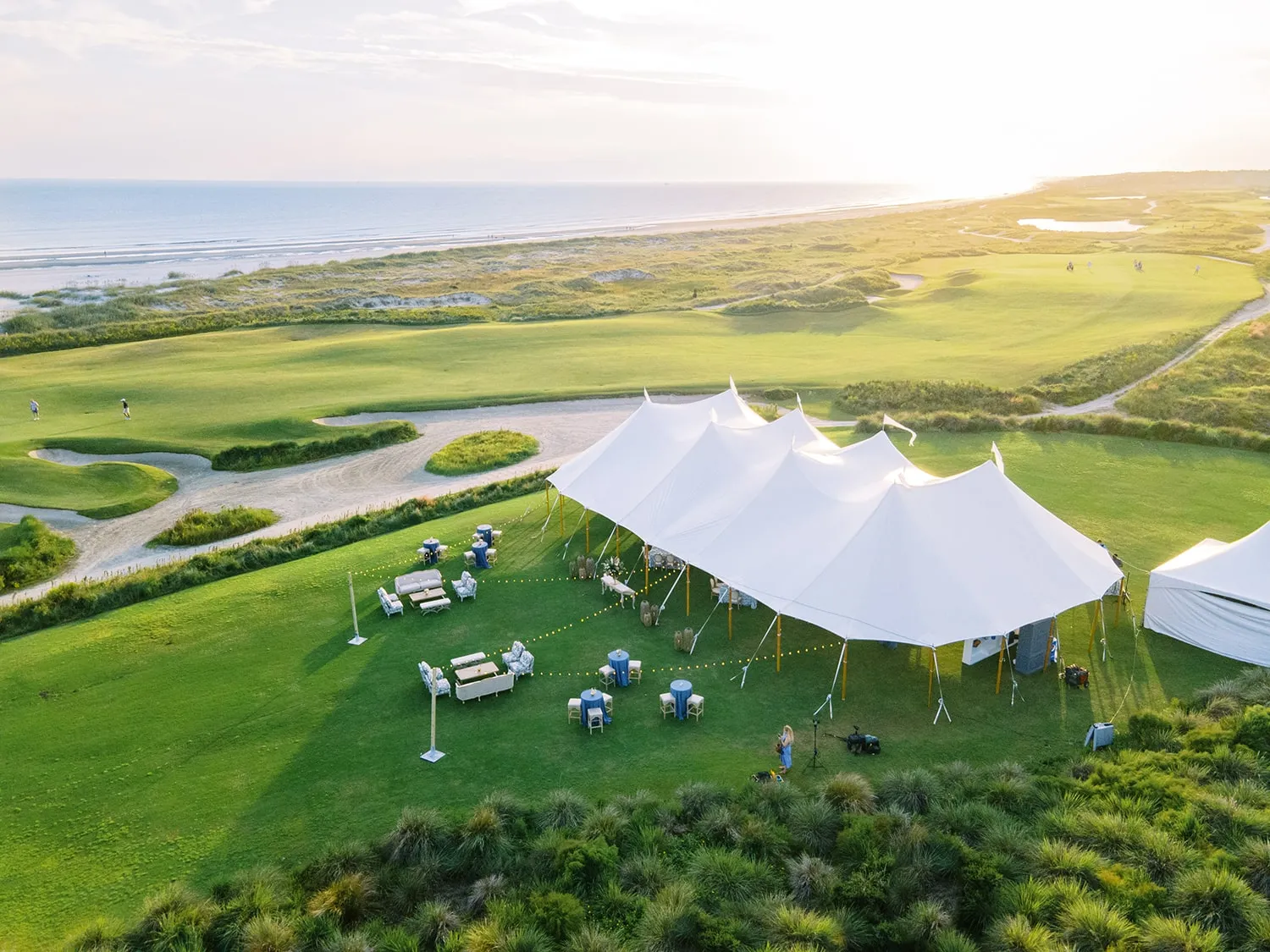
Choosing the right tent size for a summer event in Nashville requires aligning guest count, event layout, and tent style with the conditions of your venue. Tent sizes are not one-size-fits-all. The space needed depends on how your event is structured, including seating arrangements, dining areas, bar setups, and circulation for guests and service staff.
For summer events in Nashville, planning should also account for heat, airflow, and the possibility of sudden weather changes. A well-sized tent provides enough room for comfort and movement while supporting a cohesive layout that integrates dining, social areas, and service zones without crowding.
How to Determine the Right Tent Size for Your Event
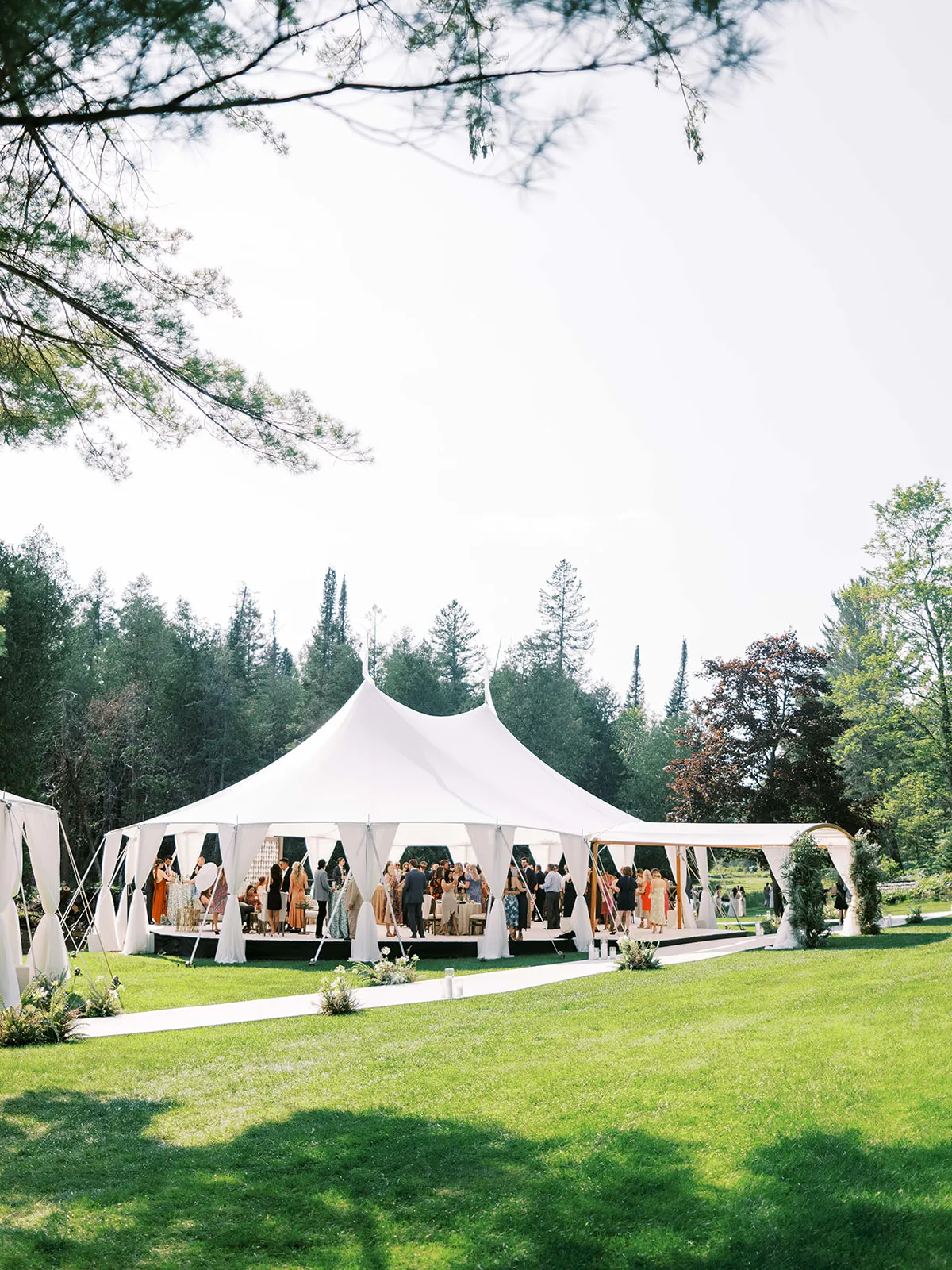
Selecting the correct tent size begins with understanding how your event will function in practice. The goal is to align guest count, layout requirements, and site conditions so the tent supports both comfort and flow throughout the event.
Start With Guest Count and Seating Style
Guest count establishes the foundation for tent sizing, but the seating style determines how much space each guest requires. A seated dinner with round tables requires more space per person than a cocktail-style event with standing room and limited seating. Long banquet tables can accommodate more guests within the same footprint, while spaced layouts increase comfort but require additional square footage.
Define Your Event Layout and Functional Zones
Beyond seating, most events include multiple functional areas that must fit within the tent. Dining sections, bar areas, dance floors, stages, and catering zones all require dedicated space. Mapping these elements early helps you determine how much room is needed and prevents overcrowding. A tent should support clear movement between these zones while maintaining a balanced layout.
Evaluate Your Venue and Available Space
The physical site plays a key role in determining what tent size is feasible. Consider the available footprint, ground conditions, and any restrictions such as access points, trees, or nearby structures. It is also important to maintain clear paths for guest entry, service staff, and emergency access. Reviewing these constraints early ensures the selected tent size fits the space without compromising functionality.
Account for Circulation and Service Needs
Comfort depends on more than fitting guests under a tent. Adequate space for walkways, service routes, and gathering areas allows the event to operate smoothly. Staff need room to move efficiently between kitchen areas and tables, while guests should be able to circulate without congestion. Including this additional space in your planning helps create a more relaxed and functional environment.
Tent Sizes and Guest Capacity Guidelines

Tent sizes provide a starting point for planning, but capacity depends on how the space is used. The same tent can feel spacious or crowded based on layout decisions, furniture selection, and the number of functional areas included inside.
Common Tent Sizes and What They Accommodate
Standard tent sizes help establish an initial framework for planning:
- 20×20 tent accommodates approximately 40–50 guests for seated events
- 20×40 tent accommodates approximately 80–100 guests
- 30×60 tent accommodates approximately 150–180 guests
These ranges assume typical seating layouts and moderate spacing. They should be adjusted based on the specific needs of your event.
How Layout Impacts Capacity
Capacity shifts significantly depending on how the interior is arranged. Round tables create a more open and social environment but require additional clearance around each table. Long banquet tables allow for a more efficient use of space but change the overall feel of the event. Cocktail-style layouts reduce the need for seating and increase capacity, while events with dance floors, stages, or lounge areas reduce the number of guests that can comfortably fit within the same tent size.
Why Capacity Estimates Should Include Buffer Space
Planning should always include additional space beyond the base guest count. Vendors, service staff, and equipment require room to operate without interfering with guest areas. Circulation space between tables, bars, and entry points is equally important for maintaining flow. Allowing for this buffer ensures the tent feels comfortable and supports the event’s layout without crowding or restriction.
Choosing the Right Tent Style for Nashville Summer Events

Tent style plays a key role in both the visual impact and functionality of your event. While size determines capacity, the style influences layout flexibility, airflow, and how the tent integrates with the overall event design.
Frame Tents for Flexible Layouts
Frame tents offer a clean, open interior without center poles, allowing for flexible layouts. This makes them well suited for events that require multiple zones such as dining, bar areas, and dance floors within a single structure. Their versatility allows planners to adapt the space to different configurations while maintaining clear sightlines and efficient circulation.
High Peak Tents for Elevated Visual Presence
High peak tents create a more defined architectural look with their elevated center points and symmetrical structure. The increased height supports better air movement, which can improve comfort during summer events. These tents are often selected when both appearance and airflow are important considerations.
Sailcloth Tents for Light and Atmosphere
Sailcloth tents introduce a softer, more natural aesthetic with translucent fabric that allows light to filter through the space. This creates a warm atmosphere during the day and a subtle glow in the evening. They are commonly used for weddings and outdoor events where the visual environment is a priority.
Matching Tent Style to Event Design
The selected tent style should align with the overall design direction of the event. A structured frame tent supports more complex layouts, while high peak and sailcloth options contribute more strongly to the visual setting. Choosing a style that complements the venue, décor, and layout ensures that the tent feels integrated rather than separate from the event environment. Read more in Choosing the Perfect Tent Size for Your DC Event.
Planning for Nashville Summer Conditions
Summer events in Nashville require careful planning to ensure the tent remains comfortable and functional throughout the event. Temperature, humidity, and the potential for sudden weather changes all influence how the tent should be selected and positioned.
Managing Heat and Airflow Inside the Tent
Maintaining airflow is essential for guest comfort during warm-weather events. Tents with higher ceilings allow heat to rise, which helps reduce temperature at guest level. Strategic use of open sides or windowed panels supports cross-ventilation and keeps air moving through the space. Positioning the tent to take advantage of natural shade or prevailing breezes can also improve conditions inside.
Preparing for Rain and Sudden Weather Changes
Nashville summers often include brief but intense rain. Planning for this in advance helps avoid disruption during the event. Sidewalls can be added to protect against rain while still allowing light into the space. Ensuring proper drainage around the tent and keeping key areas such as catering and equipment protected helps maintain operations if weather conditions shift.
Tent Placement and Site Positioning
The location of the tent within the venue directly affects comfort and usability. Placing the tent on level ground supports stability and simplifies setup. Orientation relative to the sun can reduce heat exposure during peak hours, while avoiding low-lying areas helps prevent water accumulation during rain. Thoughtful placement ensures the tent performs well under varying conditions while maintaining a consistent guest experience.
How Tent Size and Layout Work Together?
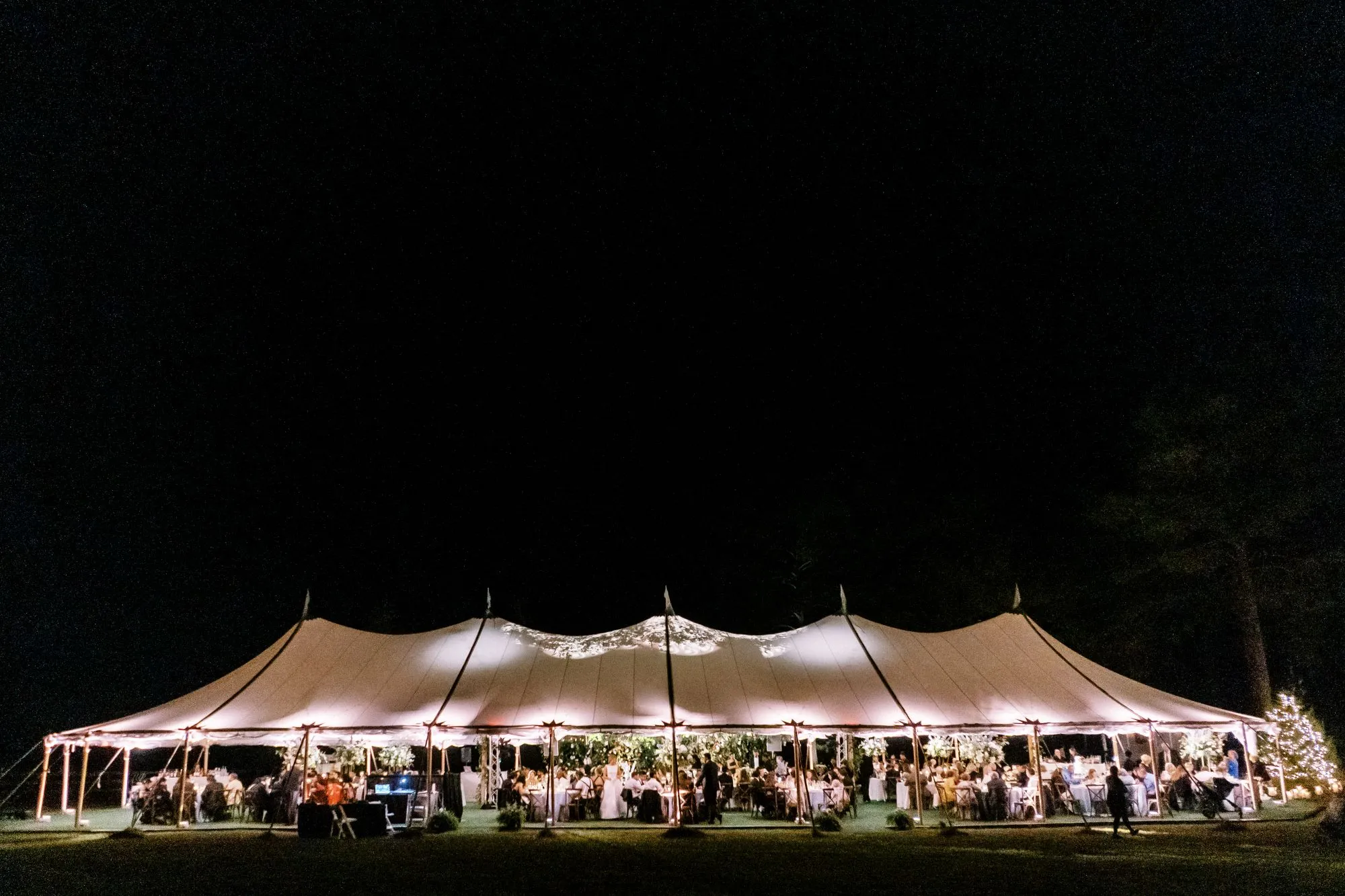
Tent size alone does not determine how well an event functions. The way the interior is planned has a direct impact on guest comfort, movement, and overall flow. A well-designed layout ensures that the available space is used efficiently while supporting both social interaction and service operations. We cover this further in Find the Perfect Tent Size for Raleigh Summer Events Guide.
Creating Space for Dining, Bars, and Guest Flow
Each major element of the event requires dedicated space within the tent. Dining areas, bar setups, and open social zones should be arranged so guests can move easily between them. Clear pathways between tables and gathering areas help prevent congestion and allow the event to feel open rather than crowded. For more detail, see our article The Ultimate Guide to Luxury Tent Rentals for Memorable Outdoor Celebrations.
Allowing Room for Service and Vendor Operations
Service efficiency depends on having adequate space for staff and equipment. Catering teams need access to prep and service areas, while bars require room for setup and guest interaction. Planning for these operational needs ensures that service runs smoothly without interfering with guest areas.
Balancing Density and Comfort
Fitting the maximum number of guests into a tent does not always result in the best experience. Allowing for slightly more space than the minimum requirement creates a more comfortable environment and improves overall flow. A balanced layout supports both functionality and atmosphere, ensuring guests can move freely while still feeling connected to the event.
Tent Rental Options for Corporate and Private Events in Nashville
Tent rentals for summer events in Nashville should be tailored to the structure, scale, and overall experience of the event. Corporate functions and private events often require different approaches to layout, spacing, and design, which influences both tent size and configuration. Read more in What Size Tent Do I Need for My Chesapeake Summer Event.
Corporate Event Tent Layouts and Requirements
Corporate events typically prioritize structure, clear organization, and efficient use of space. Layouts often include designated areas for presentations, dining, and networking, which require careful planning within the tent footprint. Frame tents are commonly used because they allow for flexible layouts and unobstructed interiors that support staging, audiovisual setups, and structured seating arrangements.
Circulation is a key consideration for corporate events, particularly when large groups are moving between sessions or gathering areas. Ensuring clear pathways and evenly distributed space helps maintain flow and supports a more organized environment.
Wedding and Private Event Tent Designs
Private events and weddings often focus more on atmosphere and guest experience. Tent layouts are typically more open, with an emphasis on creating a comfortable and visually cohesive setting. Sailcloth or high peak tents are often selected for their visual qualities, while layouts are designed to encourage movement between dining, social, and entertainment areas.
Spacing tends to be more relaxed to allow for mingling and interaction, with careful placement of elements such as bars, dance floors, and lounge areas. The goal is to create a setting that feels inviting while still maintaining clear structure and flow throughout the event.
Tent Rental Costs and Booking Considerations
Understanding how tent rentals are priced helps you plan more effectively and avoid unexpected adjustments later in the process. Costs are influenced by tent size, style, site conditions, and additional features, all of which should be evaluated together when building your event plan.
What Impacts Tent Rental Pricing
The primary cost driver is the size of the tent, as larger structures require more materials, labor, and setup time. Tent style can also affect pricing, with certain designs requiring more complex installation or specialized materials. Site conditions play a role as well, since difficult access, uneven ground, or additional setup requirements can increase labor and logistics costs.
Additional Features That Affect Cost
Optional features significantly influence the overall investment. Flooring, lighting, sidewalls, and climate control elements such as fans all add to the final cost but also improve comfort and functionality. These elements should be selected based on the needs of the event rather than added by default, ensuring that each component serves a clear purpose within the layout.
When to Book Tent Rentals for Summer Events
Summer is a high-demand season for events in Nashville, which makes early booking important. Securing your tent rental in advance provides access to a wider range of sizes and styles and allows time to coordinate layout details and supporting elements. Early planning also reduces the likelihood of last-minute changes, which can impact both availability and cost.
How to Plan Your Tent Rental With Curated Events
Planning a tent rental for a summer event in Nashville benefits from a structured approach that aligns site conditions, event design, and logistical requirements from the beginning. Working closely with a rental provider helps translate initial ideas into a practical and well-coordinated setup.
Site Evaluation and Layout Planning
The planning process typically begins with a review of the event site. This includes assessing available space, ground conditions, access points, and any constraints that could affect tent placement. A site evaluation helps determine the appropriate tent size and positioning while ensuring there is sufficient room for guest areas, service paths, and supporting elements.
Selecting Tent Size and Design Elements
Once the site and layout are defined, the next step is selecting the tent size and style that best supports the event. This includes aligning the tent with the overall design direction and confirming that it can accommodate all planned elements such as dining areas, bars, and entertainment spaces. Additional features like lighting, flooring, and sidewalls can be incorporated to enhance both function and appearance.
Coordinating Setup and Event Logistics
Final planning focuses on execution. This includes confirming delivery timelines, installation requirements, and coordination with other vendors. Clear communication ensures that the tent is installed efficiently and integrates seamlessly with the rest of the event setup. With a well-defined plan in place, the tent supports both the visual environment and the operational flow of the event from start to finish.
Frequently Asked Questions
What size tent do I need for 100 guests?
The size of tent required for 100 guests depends on the event layout. A seated dinner with round tables typically requires more space than a cocktail-style event with limited seating. In most cases, a tent in the range of 20×40 or larger is appropriate, but the final size should account for additional elements such as bars, dance floors, and service areas.
How much space should I allow per guest?
Space per guest varies based on the event format. Seated events generally require more room to accommodate tables and circulation, while standing receptions allow for a higher guest density. Planning should also include additional space for walkways, service paths, and vendor operations to maintain comfort and flow.
What tent style works best for summer events in Nashville?
Tent style should be selected based on both layout needs and environmental conditions. Frame tents offer flexibility for structured layouts, while high peak and sailcloth tents provide increased height and airflow. The best option depends on the event design, site conditions, and how the space will be used.
How far in advance should I book a tent rental?
Tent rentals for summer events in Nashville should be booked as early as possible due to seasonal demand. Early booking allows for better selection of tent sizes and styles and provides time to coordinate layout, site planning, and additional features needed for the event.
Conclusion
Choosing the right tent size for a summer event in Nashville requires a clear understanding of guest count, event layout, tent style, and seasonal conditions. Each of these factors works together to determine how the space will function and how comfortable it will feel throughout the event. Read more in How to Choose the Right Tent Rental for Summer Events in Nashville.
A well-planned tent setup provides enough room for dining, social areas, and service operations while maintaining a balanced layout that supports movement and flow. Selecting the appropriate style and incorporating features such as ventilation, sidewalls, and lighting ensures the environment remains functional and aligned with the overall event design.
By confirming key details early and coordinating layout, size, and supporting elements in advance, you can create a tented space that supports both the visual experience and the practical needs of your event. Ready to plan? Request a quote from Curated Events Nashville.