
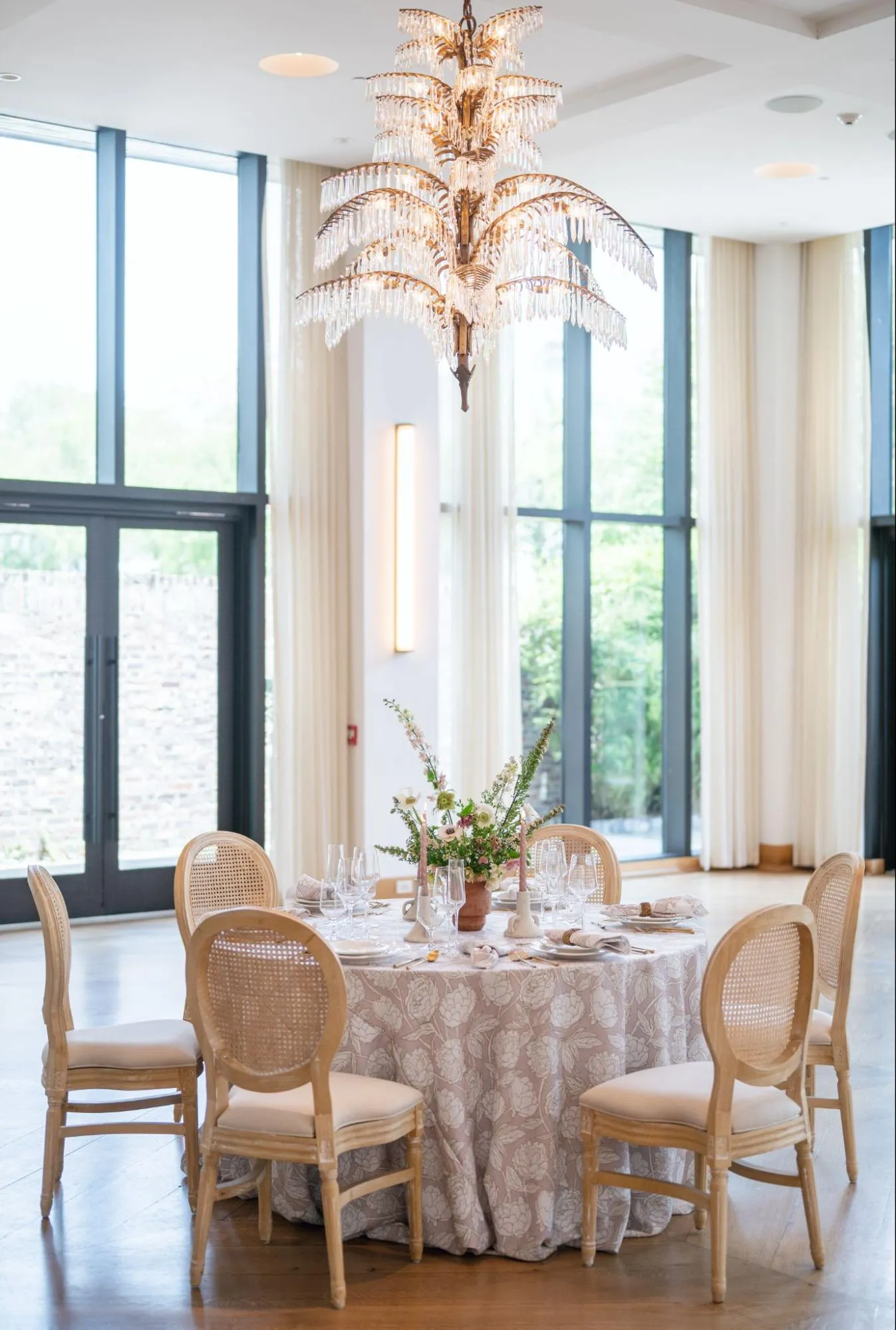
A fall rooftop reception rarely looks the same from beginning to end. Guests may arrive while the city is still washed in afternoon light, gather for cocktails as the skyline changes at sunset, and spend the rest of the evening beneath a darker sky surrounded by illuminated buildings. Each stage gives the setting a different character, which means the event design should be planned for more than one visual moment.
The strongest rooftop receptions allow that transition to become part of the experience. During daylight, the skyline can provide much of the visual impact. As evening approaches, richer upholstery, layered materials, bars, linens, and lighting begin to play a larger role. By night, those elements can create a more intimate atmosphere without losing the connection to the city beyond the rooftop.
For a fall reception in Washington, D.C., the goal is not to fill the rooftop with seasonal decoration. Instead, planners can use furniture, color, texture, lighting, and thoughtful placement to create a setting that becomes progressively richer from sunset through the final hours of the evening.
Start With the Sunset View
A rooftop already has a design element that most indoor venues cannot offer: the surrounding skyline. Before selecting furniture or determining where the bar will sit, planners should understand which direction provides the strongest view and when that view will be at its best.
This creates a visual foundation for the rest of the event. Rather than arranging rentals first and working around the skyline later, the floor plan can be built to preserve the perspective guests came to experience.
Identify the Best Skyline Direction
Begin by considering what makes the rooftop distinctive.
The most compelling view may include recognizable architecture, an open section of sky, contemporary city buildings, distant landmarks, or the direction where sunset will create the strongest backdrop. Some rooftops may offer several good perspectives, but establishing one primary view helps create a clearer design hierarchy.
That direction can influence the orientation of lounge settings, cocktail areas, and other places where guests are likely to spend the most time.
Protect the View From Large Visual Barriers
Major rental pieces can quickly change a rooftop sightline.
Tall shelving, large installations, bars, substantial floral elements, and densely arranged furniture should be placed carefully so they do not interrupt the strongest skyline perspective. These pieces may still serve as important focal points, but they do not need to occupy the most visually valuable edge of the venue.
Leaving the primary view comparatively open gives the entire reception greater breathing room.
Consider the View From Seated Height
The skyline should also be evaluated from the guest’s actual perspective.
A view that appears completely open while standing may be partially hidden once someone sits in a lounge chair or at a dining table. Railings, furniture backs, planters, and other permanent rooftop features can become much more noticeable from a lower position.
Reviewing the view from seated height helps planners position lounge furniture and tables where guests can continue to experience the setting comfortably.
Let the Rooftop Provide the First Visual Moment
The opening portion of the reception does not need to compete with the view.
During daylight and sunset, a restrained rental palette can allow the skyline to become the primary visual feature. Furniture silhouettes, selected materials, and one or two strong design details may provide enough character without surrounding guests with excessive decoration.
The event can then become visually richer as daylight fades.
Design the Arrival for Daylight
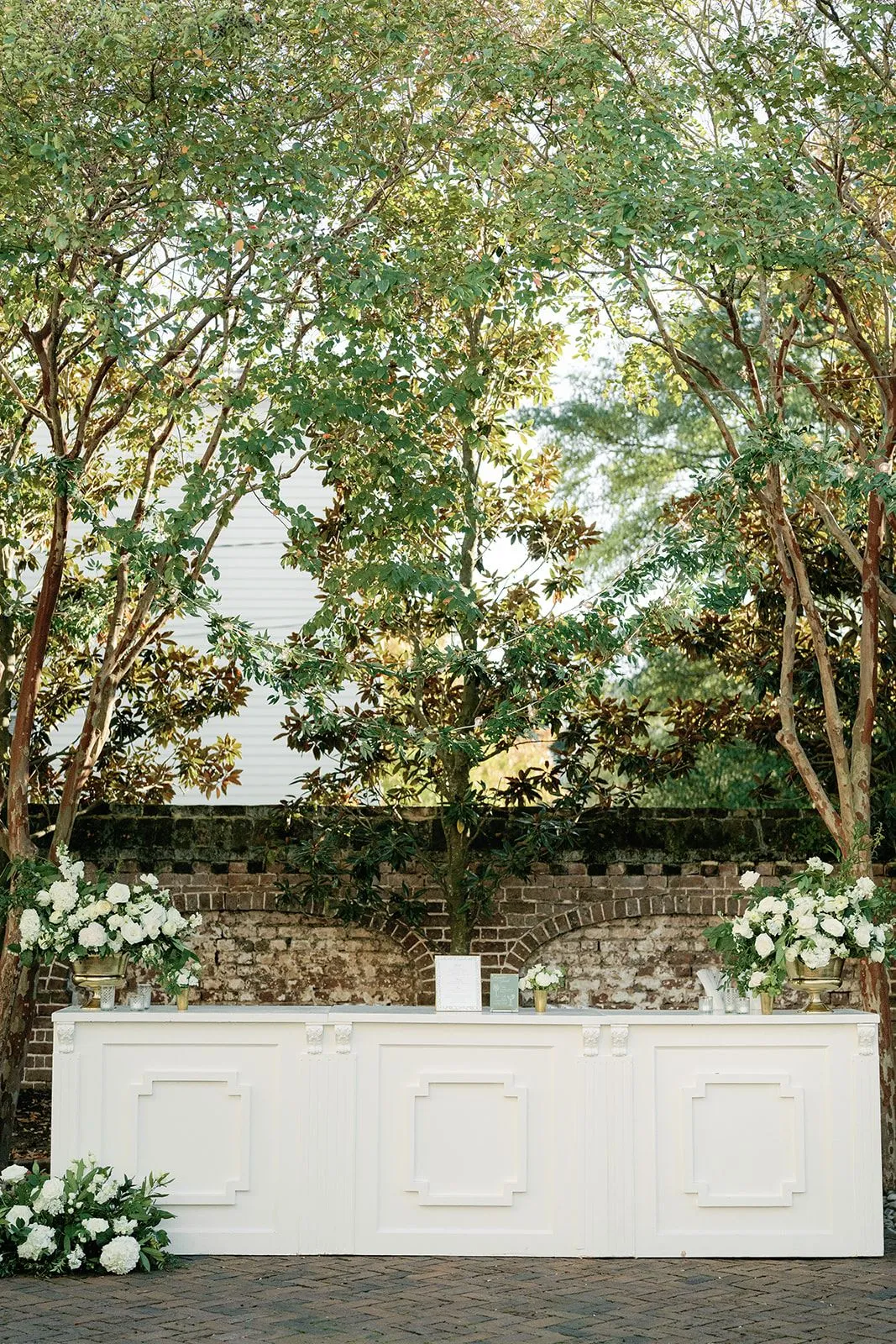
Late-afternoon light reveals color, material, and furniture differently from evening illumination. A palette that appears subtle after dark may feel much stronger in daylight, while darker pieces may carry more visual weight than anticipated against a bright sky.
For this reason, the arrival environment should be evaluated as its own design moment rather than treated only as the unfinished version of the nighttime event.
Keep the Initial Palette Light Enough to Read Clearly
Fall does not require every surface to become dark.
Burgundy, forest green, plum, navy, charcoal, and other deeper tones can introduce seasonal depth, but they often work best when balanced with ivory, champagne, warm stone, clear glass, lighter wood, or other quieter surfaces.
This contrast allows richer colors to register clearly during daylight while keeping the rooftop from feeling visually dense.
Let Furniture Silhouettes Do More of the Work
A well-selected sofa, chair, cocktail table, or bar can establish character through shape and proportion rather than decoration alone.
Clean silhouettes are particularly effective on rooftops because they maintain a clear visual relationship with the surrounding architecture. Instead of layering numerous decorative elements over the furniture, planners can allow the rental pieces themselves to carry more of the design.
This becomes even more important when the skyline is already visually complex.
Introduce Fall Through Material Rather Than Theme
Seasonal design can be expressed through texture and finish without relying on obvious autumn motifs.
Upholstery, wood tones, woven textiles, warm metallic details, deeper linens, and richer furniture finishes can all create a fall character while remaining appropriate for a formal corporate or social reception.
The effect is more refined when guests sense the season through the overall atmosphere rather than through literal seasonal decoration.
Keep the Arrival Area Visually Open
Guests should have an immediate sense of the rooftop when they arrive.
Leaving enough open space around the entrance allows the skyline, architecture, and event environment to register before guests move into more furnished areas. A crowded arrival can make even a large rooftop feel smaller and distract from the venue itself.
Furniture and decorative treatments should guide guests into the event without obscuring the setting that makes the rooftop distinctive.
Create a Stronger Moment Around Sunset
Sunset is often the visual high point of a rooftop reception. It may also be a relatively brief moment, which makes thoughtful positioning especially important.
The design should support that transition without attempting to outshine it. Guests should be able to notice the changing sky naturally while continuing to move, converse, and enjoy the reception.
Position Cocktail Areas Where the View Matters Most
If cocktails coincide with sunset, give guests easy access to the strongest skyline perspectives.
Standing-height tables, selected lounge groupings, and open circulation areas can allow people to gather near the view without creating a rigid seating arrangement. The setting should encourage guests to experience the skyline while still supporting conversation.
This is often a better use of the scenic edge than filling it with large decorative installations.
Use Low-Profile Furniture Near Scenic Edges
Furniture positioned closest to the view should preserve as much visual openness as possible.
Lower sofas, lounge chairs, coffee tables, and occasional pieces can create comfortable seating while reducing visual barriers. Their arrangement can also be angled toward both the conversation group and the skyline rather than facing guests entirely inward.
This keeps the city present within the hospitality environment.
Keep Tall Decorative Elements Away From the Main View
Tall florals and vertical design features can add dimension, but they should be placed carefully around important sightlines.
A dramatic installation may be more effective against an architectural wall, near the bar, or in another part of the rooftop where it can receive attention without fragmenting the skyline.
The view itself may already provide all the height and scale the scenic edge needs.
Allow the Natural Light to Lead
During sunset, artificial lighting can remain comparatively subtle where conditions permit.
The changing sky naturally alters the color and atmosphere of the event, creating a progression that would be difficult to reproduce artificially. Lighting should support circulation and visibility while allowing the sunset to retain its role as the dominant visual feature.
As natural light fades, the balance can gradually shift.
Let the Color Palette Deepen After Dark
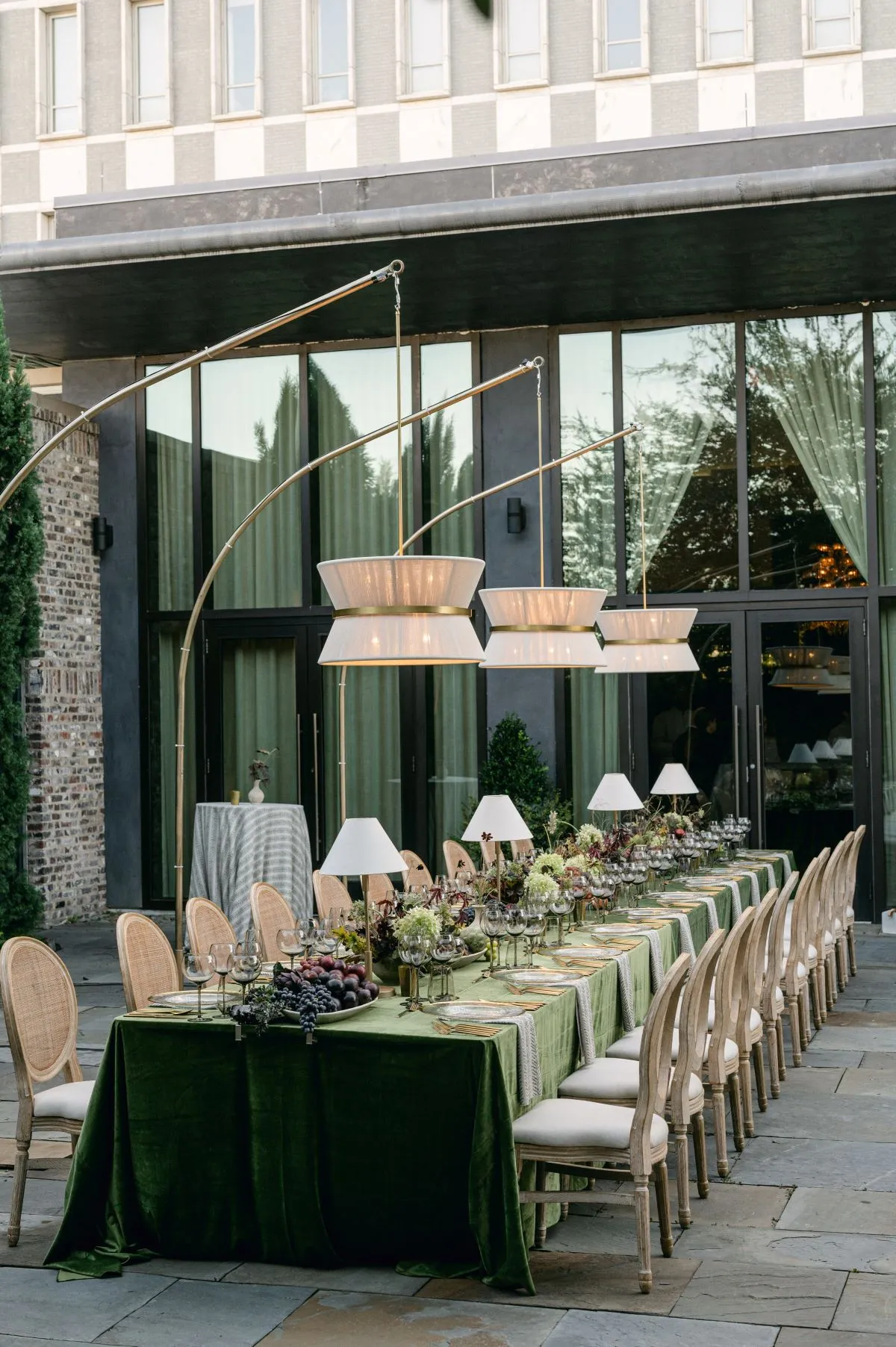
Color behaves differently once the sun disappears. Rich shades can become deeper, metallic details can appear more pronounced, and light surfaces may provide increasingly important contrast.
A rooftop palette should therefore be selected for both the daytime and nighttime versions of the event.
Use Deep Color in Controlled Areas
Saturated fall shades are often most successful when they are concentrated rather than repeated across every rental category. For more detail, see our article How to Style an Outdoor Fall Event in D.C.
A burgundy sofa, deep green linen, navy bar detail, plum napkin, or charcoal lounge piece can create a strong seasonal moment without darkening the entire rooftop.
The goal is to establish visual depth while preserving lighter areas that keep the event clear and open.
Balance Dark Tones With Lighter Surfaces
Lighter neutrals become particularly useful after sunset.
Ivory linens, champagne accents, clear glass, pale table surfaces, or lighter furniture can provide separation between deeper shades. This prevents individual furniture pieces from disappearing into the nighttime environment and keeps the overall composition visually defined.
Contrast becomes more important as the surrounding sky darkens.
Use Metallic Finishes Sparingly
Metallic details can become much more visible under evening lighting.
Gold, bronze, brass, or other warm finishes may appear subtly during daylight but begin catching light once the reception moves into night. A small amount can add warmth and refinement without turning the rooftop into a highly reflective environment.
When metallics appear through several categories, other materials should remain quieter.
Evaluate the Palette for Both Day and Night
A color palette should be reviewed with the entire timeline in mind.
A deep upholstery shade that looks balanced in daylight may become almost black after dark, while a reflective finish may become much more prominent under event lighting. Looking at materials under different conditions allows planners to avoid a design that succeeds at sunset but loses its balance later.
Use Texture to Create Evening Richness
As natural light disappears, material relationships become increasingly important. Upholstery, woven textiles, wood, metal, glass, and other surfaces begin responding differently to artificial light, giving the rooftop more visual depth without requiring additional decoration. We cover this further in The Wedding Decoration Rental Guide.
This allows the event to feel richer as evening progresses even though the physical design remains largely unchanged.
Introduce Softness Through Upholstery
Lounge furniture can add warmth to a rooftop dominated by hard architectural surfaces.
Sofas and lounge chairs soften concrete, metal, glass, stone, and other permanent materials while creating comfortable areas where guests can spend more time later in the evening.
Deeper upholstery can work particularly well in fall, provided it is balanced with enough lighter or harder surfaces nearby. We cover this further in Fall Outdoor Wedding Decor Rentals in Charleston, SC.
Layer Matte and Reflective Materials
Contrast between finishes can create more depth than adding another color.
Matte upholstery or linens can sit comfortably beside clear glass, metallic accents, or polished table surfaces. Reflective elements catch evening light, while quieter materials prevent the design from becoming overly bright.
The combination creates visual movement without requiring every piece to become a focal point.
Use Wood and Warm Finishes to Ground the Space
Warm furniture finishes can create an effective contrast with cooler urban surroundings.
Wood tones, bronze details, or other warm materials can give the event a stronger sense of depth once the surrounding architecture and sky become darker.
They are especially useful when the broader palette includes navy, charcoal, deep green, or other cooler shades.
Allow Texture to Replace Excess Decoration
A rich material palette often needs less additional décor. You may also find Transforming Spaces: Elegant Décor Ideas for Wedding Ceremonies and Receptions helpful.
Textured upholstery, layered linens, distinctive furniture finishes, and reflective tabletop pieces can provide enough visual complexity on their own. This restraint keeps the rooftop feeling polished rather than heavily decorated for the season.
Make Lounge Areas More Important as the Evening Progresses
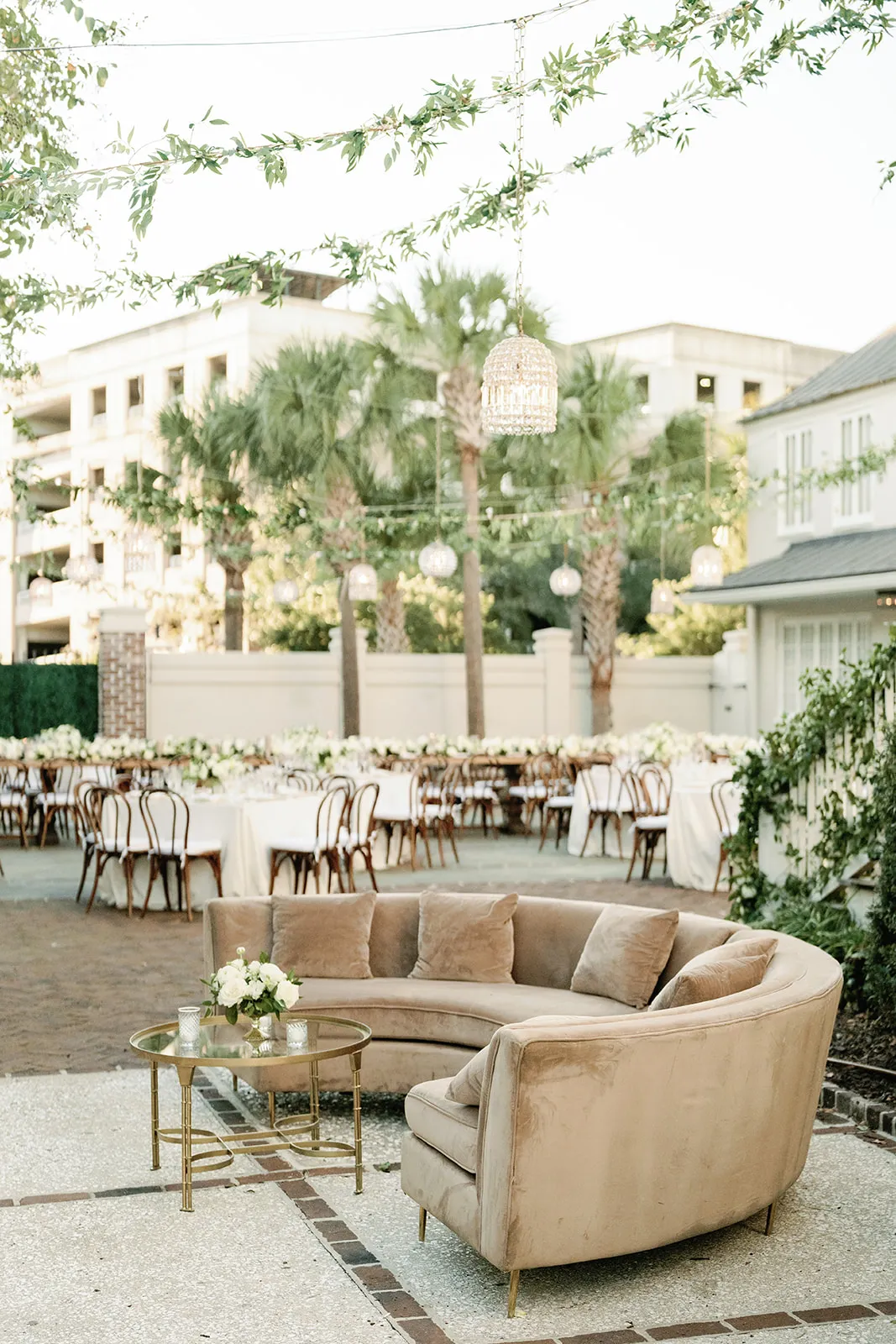
Guests often interact differently with a rooftop as the evening continues. During sunset they may stand near the view or circulate between cocktail areas, while later they are more likely to settle into comfortable seating.
Lounge environments can be designed with that progression in mind, giving the rooftop a more intimate character after dark.
Position Lounges Near the View Without Blocking It
A lounge should allow guests to experience both the conversation and the setting.
Sofas and chairs can be angled so the skyline remains within the surrounding visual field rather than placing every seat with its back to the view. This creates a more natural relationship between furniture and venue.
Enough space between the lounge and the scenic edge also prevents the arrangement from becoming a visual barrier.
Create Smaller Conversation Groupings
Several composed seating groups can often work better than one large concentration of lounge furniture.
Smaller settings provide different options for guests while giving the rooftop a more layered appearance. They can also be positioned to capture different perspectives of the skyline or surrounding architecture.
As the evening becomes quieter and more intimate, these groupings gain greater importance.
Use Side and Coffee Tables to Complete the Setting
Useful surfaces make lounge environments feel considered rather than temporary. For more detail, see our article Say ‘I Do’ in Style: Luxury Elopement Rentals in Charleston.
Coffee tables can anchor larger groupings, while side tables provide convenient surfaces beside individual chairs and sofas. Their finishes can also repeat materials used elsewhere, such as the bar, dining tables, or other furniture.
These subtle connections help different areas of the rooftop feel related.
Keep the Furniture Collection Edited
A rooftop does not need several unrelated lounge collections simply because the space can accommodate them.
A smaller range of coordinated pieces usually creates a more refined impression. Variations in size, shape, and upholstery can still provide interest without making the reception feel visually fragmented.
The skyline already supplies considerable variety in the background.
Let the Bar Become an Evening Anchor
As natural light fades, the bar often becomes increasingly prominent.
Its shape, finish, lighting, and relationship to surrounding furniture can help organize the nighttime environment, making it more than a functional service point.
Give the Bar a Clear Visual Position
The bar should be easy for guests to identify without taking over the most important view.
A position slightly removed from the scenic edge can work well, particularly if it allows the bar to serve as an interior visual anchor while lounges and cocktail areas remain oriented toward the skyline.
The surrounding circulation should also feel natural rather than forcing guests through seating groups.
Choose a Finish That Works After Dark
Consider how the bar will behave under evening lighting.
A dark finish may appear strong and architectural during daylight but require enough contrast to remain distinct after sunset. A lighter or reflective surface may gain considerably more prominence at night.
The finish should support the broader palette rather than becoming an isolated visual statement.
Coordinate the Bar With Nearby Lounge Furniture
The bar and surrounding furniture do not need to match exactly.
Repeating a material, finish, level of formality, or selected color can provide enough connection. A metallic detail on the bar might relate to an occasional table, while a warm wood element could appear again within lounge furniture.
These relationships create cohesion without making the design feel overly coordinated.
Avoid Over-Styling the Bar Area
A distinctive bar already has substantial visual presence.
If its silhouette or finish is strong, additional decoration around it should remain controlled. Too many competing elements can make the bar area feel crowded and reduce the impact of the rental itself.
The nighttime lighting may provide enough additional emphasis.
Use Lighting to Reveal the Rooftop Gradually
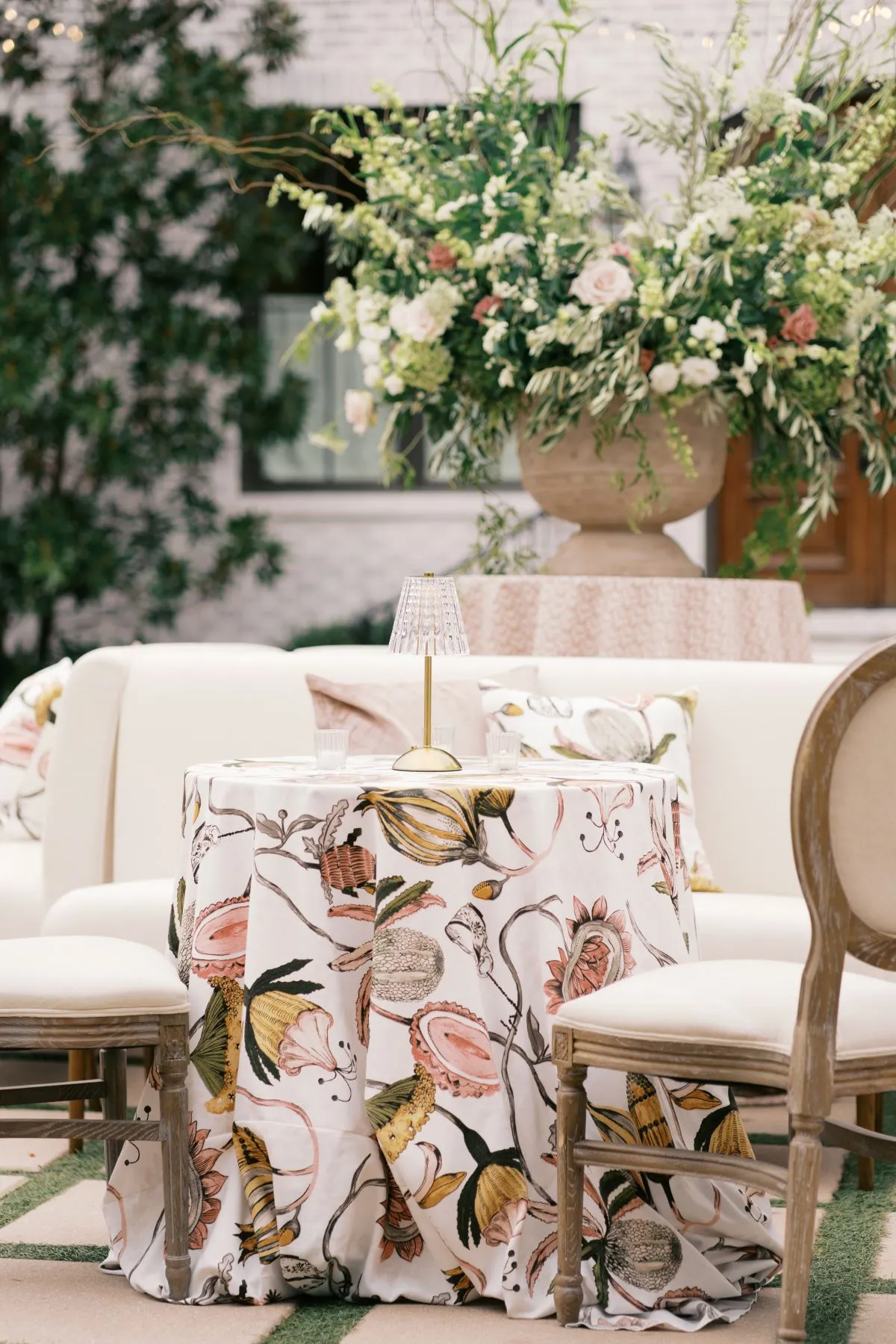
Lighting allows the rooftop to transition from sunset into night without losing its visual hierarchy.
The goal is not to make every surface equally bright. Instead, lighting can gradually reveal furniture, bars, linens, pathways, and architectural features as the natural light disappears.
Begin With a Softer Lighting Presence
During sunset, the skyline should remain visible and visually important.
Artificial lighting can support the event without overwhelming the changing sky. A softer presence allows guests to experience the natural transition rather than moving abruptly from daylight into a fully illuminated reception.
As evening develops, the interior environment can gradually gain more emphasis.
Increase Visual Emphasis as Darkness Arrives
Once the sky becomes darker, the rentals need enough visual definition to keep the rooftop feeling intentional.
Bars, dining settings, lounges, and major furniture pieces can receive greater emphasis while preserving a hierarchy between focal and supporting areas.
This progression allows the event to feel as though it has naturally developed into its nighttime character.
Create Different Lighting Levels Across the Rooftop
Uniform brightness can flatten the event.
Dining, lounges, bars, circulation areas, and architectural features can each carry slightly different levels of visual emphasis. This creates depth and helps guests understand the different areas of the reception without relying on physical dividers.
The result should still feel cohesive when the rooftop is viewed as a whole.
Use Light to Reveal Materials
Lighting can make subtle material differences considerably more noticeable.
Woven linens, upholstered furniture, glassware, metal finishes, and wood surfaces all respond differently after dark. A texture that seemed understated during daylight may become one of the most interesting features of the evening environment.
This allows planners to create richness through materials rather than excessive decoration.
Preserve the Nighttime View
The skyline should not disappear simply because the reception requires more light.
Overly bright foreground areas can make the city beyond them much harder to appreciate. Lighting should allow guests to remain aware of the surrounding architecture and night sky while still providing an appropriately illuminated event environment.
The rooftop setting should remain part of the experience from beginning to end.
Make Guest Comfort Part of the Design
A fall rooftop reception naturally becomes cooler as evening progresses. Comfort should therefore be considered when planning the layout, but it should remain integrated with the overall event environment rather than becoming the dominant visual concern.
The focus should stay on the areas where guests are most likely to spend time after sunset.
Identify Where Guests Will Linger After Sunset
Lounges, dining areas, bars, and other hospitality settings usually deserve the greatest attention because guests may remain there for extended periods.
Understanding those gathering patterns helps planners determine where comfort considerations should be incorporated without treating every part of the rooftop identically.
Transition areas may require a different approach from spaces designed for longer stays.
Keep Comfort Equipment From Dominating the View
Where appropriate heating is part of the approved rooftop plan, it should be coordinated with furniture and sightlines.
Equipment positioned directly within an important skyline view or in the middle of a carefully composed lounge can quickly become visually distracting. Considering these requirements while the floor plan is still being developed allows them to fit more naturally into the event.
Specific placement should always reflect the venue, equipment, and applicable requirements.
Create Visual Warmth Through the Rental Palette
Comfort is not experienced only through temperature.
Rich upholstery, warm wood, deeper textiles, softened lighting, and carefully layered materials can make the rooftop feel visually warmer as darkness arrives.
These design decisions contribute to the overall atmosphere without relying on literal seasonal decoration.
Coordinate the Comfort Plan With the Venue
Every rooftop has its own conditions and restrictions.
Any heating or related comfort requirements should be reviewed with the venue and appropriate rental professionals based on the specific site, equipment, and event plan.
This allows comfort to be addressed without compromising the design or making generalized assumptions about the space.
Refine the Rooftop Reception With Curated Events
Once the rooftop, skyline, event timing, and primary design direction are established, the rental selections can be evaluated as one environment rather than as separate categories.
Curated Events can help planners consider furniture, bars, tables, chairs, linens, tabletop pieces, lighting, heating where appropriate, and other rentals in relation to the rooftop and the progression of the evening.
Share Rooftop Photography and the Event Timeline
Venue photographs provide context for skyline views, permanent finishes, existing furniture, railings, and other architectural conditions.
The event timeline adds another important layer by showing when guests will arrive, when sunset will occur, and which portions of the reception will take place after dark.
Together, these details provide a stronger basis for rental selection.
Establish the Main Furniture and Color Direction
Start with the largest visual elements.
Lounge furniture, bars, tables, chairs, and major linens establish much of the overall character. Once those decisions are clear, smaller tabletop and decorative details can reinforce the palette without introducing unnecessary competing ideas.
The rooftop benefits from a disciplined selection process.
Review Major Rentals in Day and Evening Conditions
Consider how dark upholstery, clear glass, metallic finishes, wood, and textiles may change once natural light fades.
Some pieces will gain prominence after dark, while others may need greater contrast. Evaluating those changes helps create a setting that remains balanced throughout the event.
Coordinate Comfort With the Layout
Where heating is appropriate, it should be considered alongside the furniture and circulation plan rather than added after all primary design decisions have been made.
This helps preserve important views and prevents comfort equipment from disrupting lounge arrangements or other major visual areas.
Edit the Final Rooftop Composition
The final review should focus on what can be removed as much as what can be added.
If a piece blocks an important skyline view, overcrowds a lounge, repeats an unnecessary finish, or competes with another focal point, simplifying the design may create the stronger result.
A rooftop already provides a substantial backdrop, so every rental does not need to make its own statement.
Frequently Asked Questions
What colors work well for a fall rooftop reception?
Deep green, burgundy, plum, navy, charcoal, warm neutrals, and selected metallic accents can work well. Balance darker shades with lighter surfaces so the palette remains defined after sunset. For real event inspiration, browse our past events.
How should rooftop furniture be arranged around a skyline view?
Keep major sightlines open and use lower-profile furniture near scenic edges. Lounge seating can be angled toward both the conversation group and the skyline rather than facing entirely inward.
What furniture works best for a rooftop cocktail reception?
A combination of lounge seating, cocktail tables, bars, and occasional tables can create varied gathering areas. The exact mix should reflect the rooftop layout, guest experience, and level of formality.
How can a rooftop event feel warmer after sunset?
Use rich upholstery, layered textiles, warm materials, controlled lighting, and comfortable lounge arrangements. Where heating is appropriate, incorporate it into the venue and furniture plan rather than treating it as a separate visual element.
How should lighting change as daylight fades?
Lighting can remain comparatively restrained during sunset and gradually provide greater definition to bars, lounges, dining areas, and pathways as darkness arrives.
Should rooftop lounge furniture face the skyline?
Not every seat needs to face outward, but the skyline should remain within the visual field of important lounge areas. Angled seating often creates a good balance between conversation and view.
How can planners keep heaters from disrupting the event design?
When approved heating is needed, consider its placement while developing the furniture plan. Keep important views and circulation areas in mind and coordinate all equipment requirements with the venue and appropriate rental professionals.
What materials look best at an evening rooftop reception?
A mix of soft upholstery, matte textiles, glass, warm wood, and restrained metallic finishes can create depth. Combining reflective and non-reflective surfaces helps the setting remain balanced under evening lighting.
How can a rooftop event feel seasonal without using fall-themed décor?
Use deeper color, warm materials, textured fabrics, rich upholstery, and evening lighting to suggest the season. The atmosphere can feel distinctly autumnal without relying on literal fall motifs.
Does Curated Events provide rentals for D.C. rooftop receptions?
Yes. Curated Events can provide furniture, bars, tables, chairs, linens, tabletop pieces, lighting, heating where appropriate, and related rentals for corporate and social events in the Washington, D.C. market.
Conclusion
A fall rooftop reception is most successful when it is designed as an evening in transition. During arrival, the skyline and natural light can provide much of the atmosphere. Around sunset, open sightlines and carefully positioned furniture allow the city to become the focal point. Once darkness arrives, lounge seating, bars, richer materials, deeper color, and lighting can gradually take on greater visual importance.
That progression allows the event to become more intimate without losing the character of the rooftop itself. Rather than overwhelming the cityscape with decoration, planners can use an edited rental palette to frame the view and give each stage of the evening its own character.
Curated Events can help planners coordinate furniture, bars, linens, tabletop pieces, lighting, comfort considerations, and other rentals around the rooftop setting, creating a reception that remains polished from the first daylight views through the final nighttime atmosphere. Curated Events has eight showrooms; find your nearest location.