
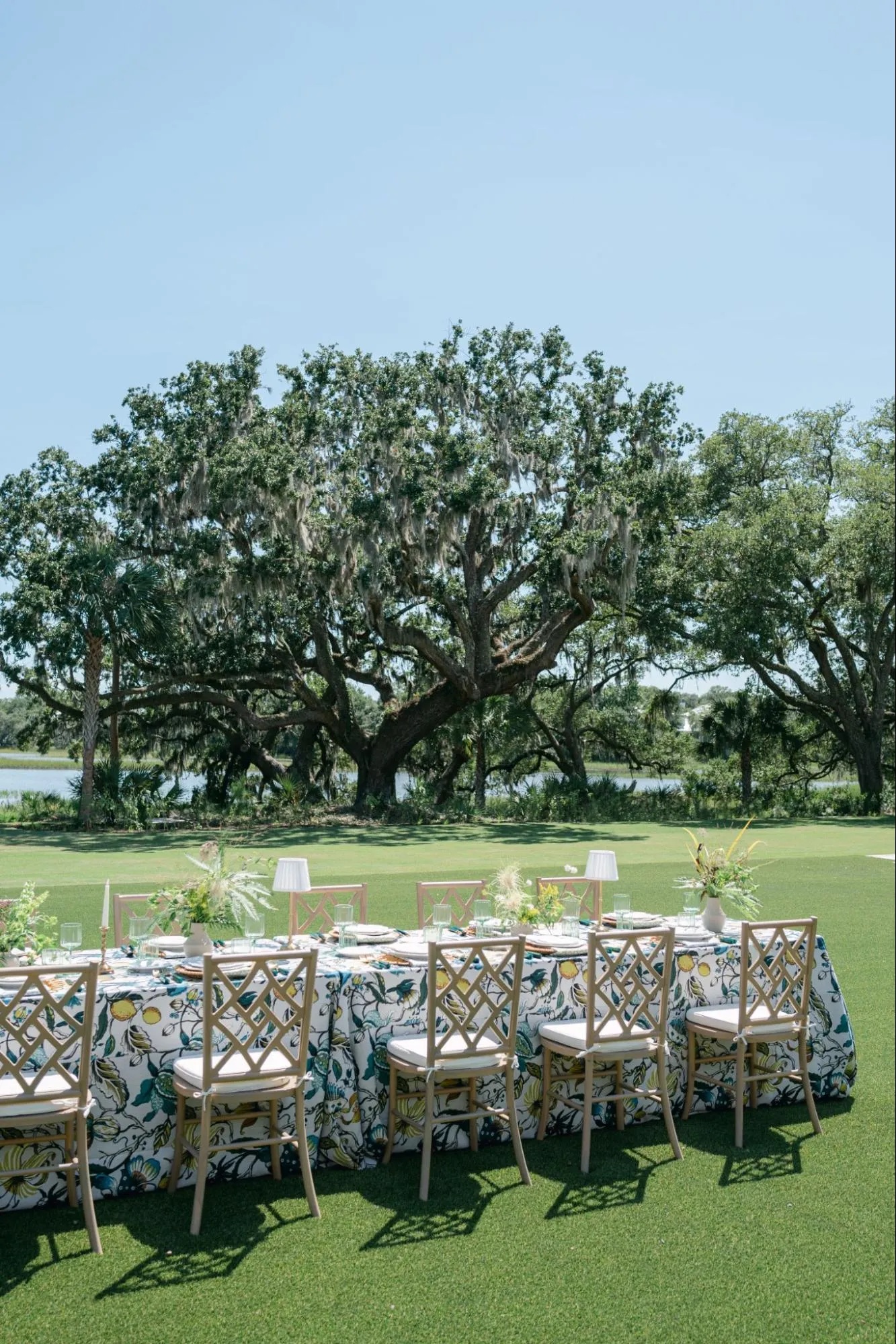
Fall creates a distinctive setting for outdoor events in Washington, D.C. Cooler evenings, changing foliage, softer daylight, and richly textured landscapes can all contribute to the atmosphere before a single rental is selected. For planners, the opportunity lies in building on those seasonal qualities without turning the event into an obvious autumn theme.
A polished fall event may draw from deeper color, layered textiles, warm materials, thoughtful lighting, and carefully defined gathering areas while still allowing the surrounding landscape to remain visible. Tents, flooring, furniture, linens, tabletop pieces, bars, and lounge seating can help shape the experience, but they should support the setting rather than overwhelm it.
The strongest approach treats the property itself as part of the design. Once the most important views, event zones, and natural features are understood, planners can create an outdoor setting that feels refined from afternoon arrival through the final moments of the evening.
Let the Outdoor Setting Shape the Design Direction
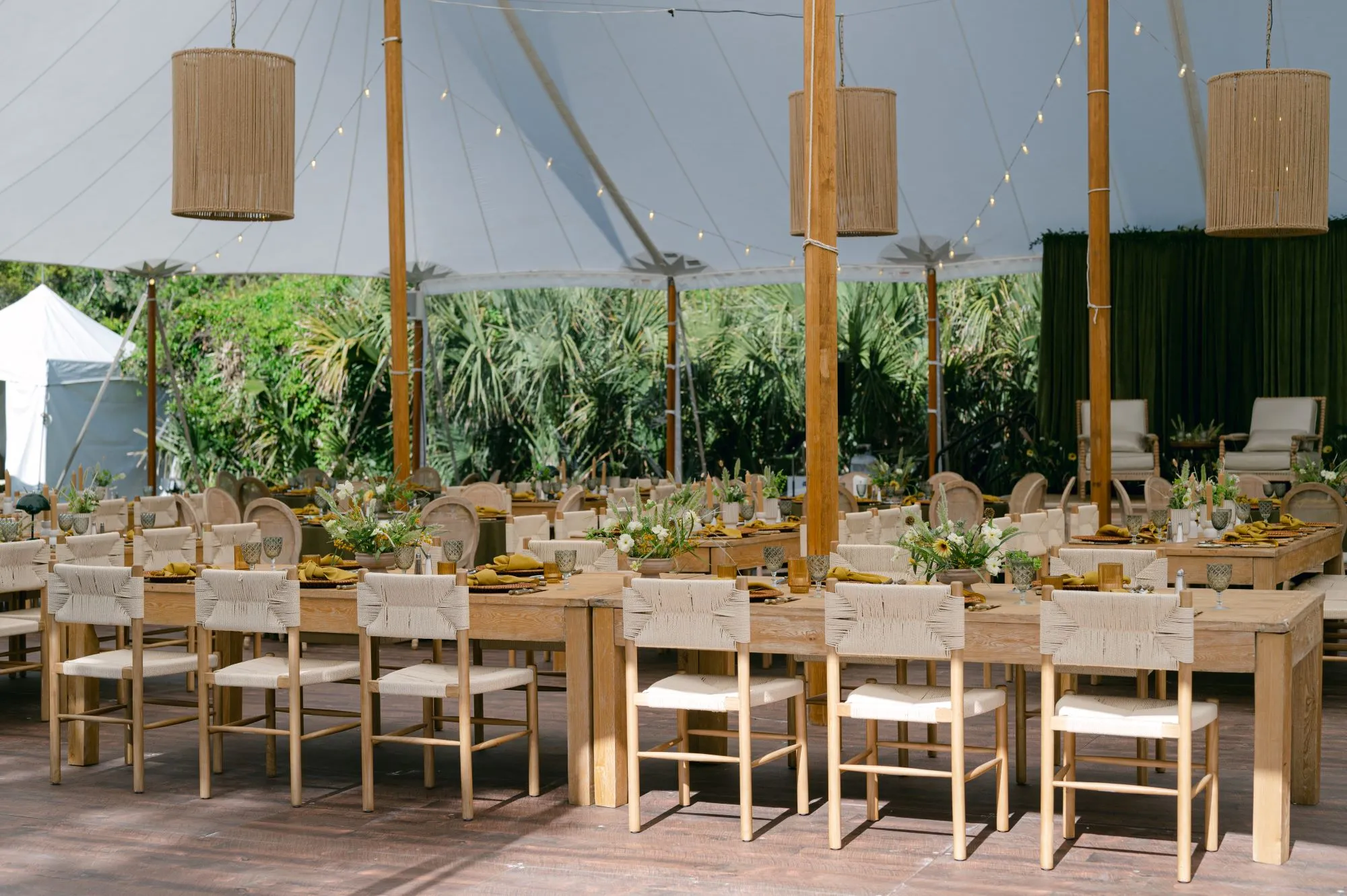
An outdoor venue already provides a visual foundation through its architecture, landscaping, views, and natural materials. Rather than approaching the property as an empty space, planners can use those existing elements to guide the color palette, furniture selections, and overall level of formality.
This allows the finished event to feel connected to its setting instead of appearing temporarily placed on top of it.
Identify the Strongest Existing View
Begin by determining which part of the property deserves the greatest visual attention. A historic façade, mature tree line, formal garden, terrace, waterfront view, or expansive lawn may already provide the strongest backdrop for the event.
Major event areas can then be positioned with those views in mind. A dining tent might frame a landscape beyond its open side, while cocktail seating could be arranged to face an architectural feature rather than block it.
The objective is not to make every seat point toward the same view, but to understand which aspects of the property should remain part of the guest experience.
Work With the Existing Fall Color
Autumn landscapes often introduce natural greens, golds, browns, rust tones, and deeper shadows. A sophisticated rental palette can respond to those colors without copying all of them.
A restrained combination of warm neutrals, dark green, charcoal, navy, burgundy, or muted metallics can complement the landscape while maintaining a more formal visual direction.
When the setting already provides abundant seasonal color, quieter rental selections may create better balance. At a more minimal property, stronger textiles or furniture finishes can carry more of the seasonal character.
Decide Where the Landscape Should Remain Visible
Outdoor design benefits from contrast between highly styled areas and open natural space.
Not every part of a lawn needs flooring, furniture, drapery, or decorative treatment. Leaving selected areas visually open can make the dining, lounge, or reception spaces feel more intentionally defined.
This also preserves the reason the event was held outdoors in the first place. Guests should continue to experience the landscape rather than feeling as though an indoor ballroom has simply been recreated outside.
Build a Refined Fall Palette Without Relying on Seasonal Themes
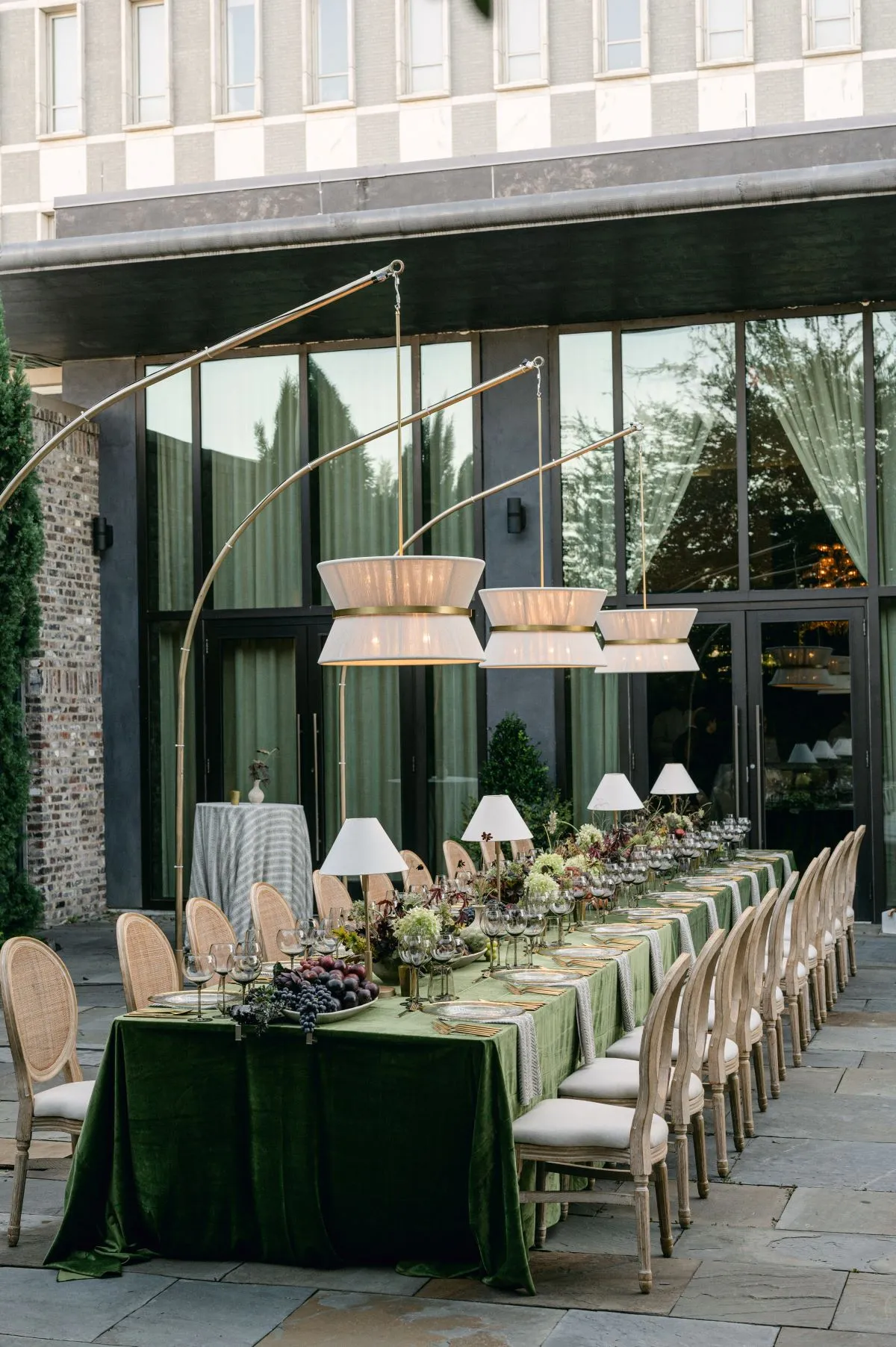
Fall styling does not require literal references such as pumpkins, leaves, or an entire palette of orange and brown. A more editorial approach uses nuanced color relationships, rich materials, and controlled contrast to suggest the season.
The appropriate palette should also reflect the event itself. A nonprofit gala, corporate dinner, private celebration, and formal reception may all take place outdoors in October while calling for very different visual treatments.
Start With a Controlled Base Palette
A sophisticated fall environment often begins with a restrained foundation.
Ivory, taupe, camel, chocolate, warm stone, charcoal, deep green, and navy can provide enough depth to feel seasonal while remaining versatile across furniture, linens, flooring, and tabletop selections.
A quieter base also gives planners more freedom to introduce stronger accents selectively without making the room visually heavy.
Introduce Autumn Color Selectively
Burgundy, amber, rust, ochre, plum, or forest tones can be beautiful additions when they appear in deliberate places.
A deeper-colored napkin might provide contrast against a neutral tablecloth. Amber glassware could introduce warmth across repeated place settings. A richly upholstered lounge chair might become the strongest seasonal color within a reception area.
Using these shades selectively allows the event to reference fall while maintaining a polished overall composition.
Mix Warm and Cool Tones for More Depth
An entirely warm palette can sometimes feel overly literal.
Introducing cooler notes such as slate, charcoal, soft gray, smoky blue, or clear glass can make autumn colors feel more contemporary. Deep green may also serve as a bridge between warm natural materials and cooler architectural surroundings.
The resulting palette feels layered rather than themed, which is particularly effective for formal D.C. events.
Use Texture to Give the Event Seasonal Depth
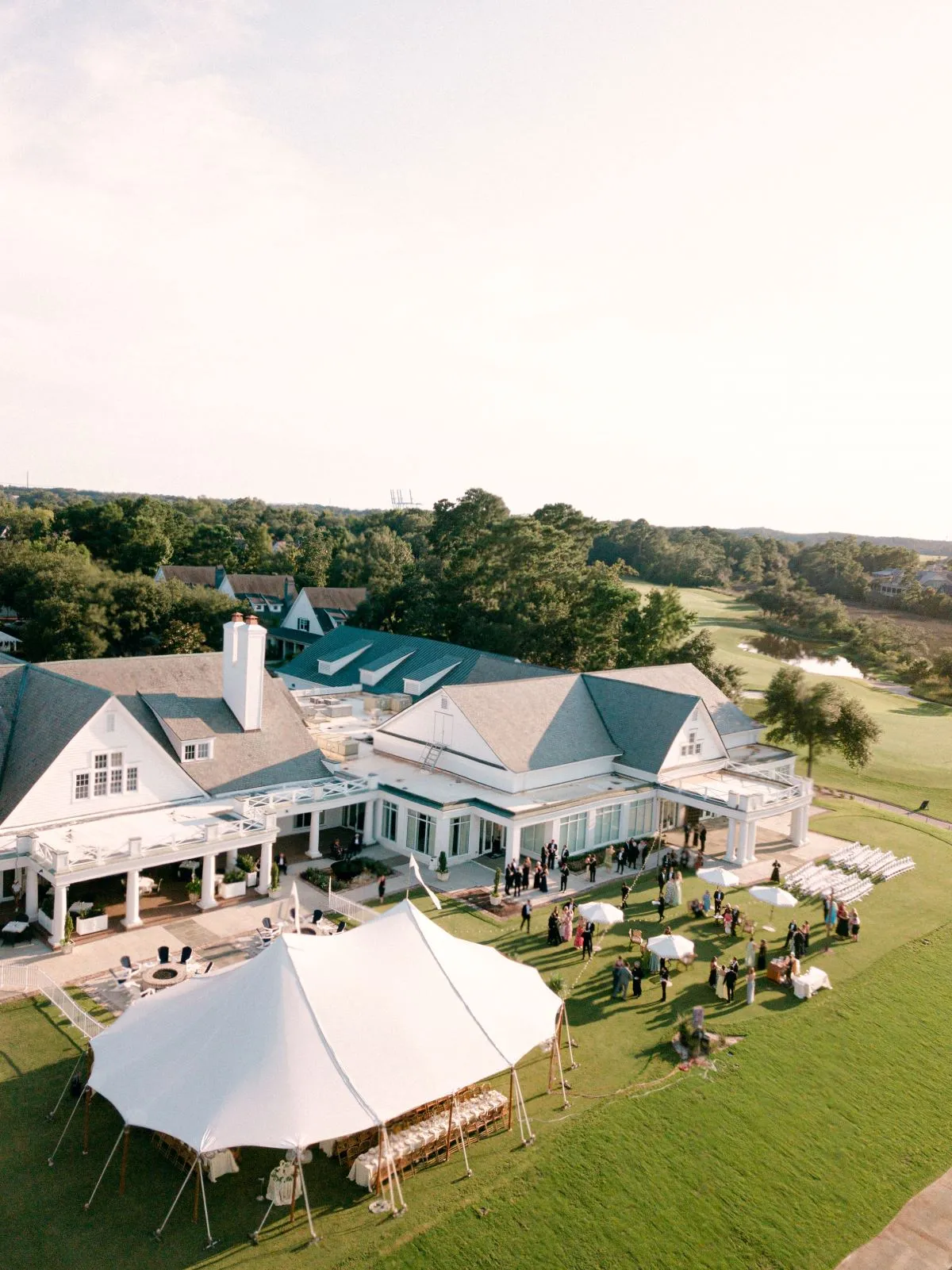
Texture can communicate fall as effectively as color. Woven linens, upholstered seating, wood finishes, polished metal, glass, and subtle sheen all contribute to a richer visual environment without requiring additional decorative motifs.
For outdoor events, these material contrasts also help the temporary event setting feel more substantial against open lawns and expansive surroundings.
Layer Textiles With Different Surface Qualities
Linens and napkins offer an opportunity to introduce depth through fabric rather than relying solely on pattern.
A matte tablecloth can be paired with a napkin that has gentle texture or subtle sheen. A woven surface may bring more character to a neutral palette, while a restrained patterned linen can provide a focal point when the surrounding tabletop remains quieter.
The goal is to create variation that becomes more noticeable as guests approach the table, rather than making every textile demand attention from across the room.
Introduce Warm Materials Through Furniture
Wood, darker furniture finishes, upholstered seating, and warm metal details can give outdoor fall events greater visual weight.
These materials are particularly effective against pale tent interiors, green lawns, or open terraces where lighter furniture may otherwise appear visually disconnected.
Warmth does not require rusticity. Clean silhouettes and refined finishes can preserve a formal character while still responding to the season.
Balance Natural Materials With Polished Finishes
Too many natural or rough-textured elements can quickly shift the event toward a casual aesthetic.
Glass, metallic accents, refined tabletop pieces, polished bars, and more tailored furniture silhouettes can balance wood and woven surfaces. This contrast is often what keeps a fall setting feeling luxurious rather than themed.
Use the Tent as Part of the Event Architecture
For tented fall events, the tent becomes one of the largest visual elements on the property. Its interior should feel designed as part of the event rather than treated simply as coverage placed above the rentals.
Furniture, flooring, lighting, linens, drapery, and sightlines can all help shape the temporary structure into a more complete environment.
Preserve Views Where They Matter
The relationship between the tent interior and the surrounding property deserves careful consideration.
Open sides or clear sections may allow important views to remain visible, while furniture placement can help direct attention toward gardens, architecture, or other landscape features.
When the venue itself is part of the appeal, the tent should frame that setting rather than visually separate guests from it.
Create a Clear Interior Design Language
Although the event is outdoors, the tent interior should still have a recognizable design direction.
Furniture silhouettes, table shapes, chair finishes, linens, bars, and lighting should relate to one another so the temporary environment feels composed.
A controlled palette becomes especially valuable inside a tent because nearly every visible interior element has been intentionally introduced for the event.
Use Drapery Selectively
Drapery can soften the structure, create a more formal backdrop, or give specific areas greater presence.
It does not need to cover every available surface. Selective use can create greater impact while preserving views and maintaining a connection to the outdoor environment.
A restrained treatment may work particularly well when the furniture, linens, and lighting already provide substantial visual interest.
Create Cocktail and Lounge Areas With a Softer Mood
Cocktail and lounge areas can offer a slightly more relaxed expression of the event design while maintaining the same overall visual language.
The goal is not to introduce another theme, but to vary the furniture scale, materials, and level of structure as guests move through the property.
Use Lounge Furniture to Add Warmth
Upholstered sofas and chairs can soften open outdoor environments and provide contrast against harder surfaces such as bars, flooring, cocktail tables, and architectural features.
For fall, richer upholstery, warm neutrals, deeper tones, or substantial furniture silhouettes can give the lounge greater seasonal presence without relying on obvious décor. Read more in How to Style Jewel Tones for a D.C. Fall Gala.
Carry One Detail From the Dining Design
A repeated finish, color, textile quality, or material can create continuity between cocktail and dining areas.
If amber glassware appears at dinner, a related warm tone might reappear in lounge upholstery. A wood finish used in dining chairs could return through side tables or a bar.
These small connections are often enough to make different event zones feel intentionally related.
Keep the Furniture Palette Edited
Outdoor lawns can accommodate a considerable amount of furniture, but that does not mean every available collection should be used.
A smaller group of well-coordinated sofas, chairs, coffee tables, and side tables usually creates a stronger visual impression than multiple unrelated styles.
This restraint also gives individual furniture silhouettes enough space to be appreciated.
Allow Open Space Between Groupings
Outdoor lounges benefit from breathing room. For more detail, see our article The Wedding Decoration Rental Guide.
Spacing between furniture groupings can preserve views, make the landscape feel present, and keep the lounge from becoming visually dense. It also creates a more refined composition when the area is viewed from elsewhere on the property. For more detail, see our article Charlotte Lifestyle Event Rentals: The Complete Guide.
Let Fall Lighting Change the Event After Sunset
Fall events often begin in one visual environment and end in another. As daylight fades earlier in the season, lighting becomes increasingly important in defining dining, lounge, bar, and tented areas.
The most effective lighting plan does not simply make the event brighter. It reveals materials, creates hierarchy, and changes how guests experience the space after sunset.
Create Layers of Light
Different event areas can carry different levels of illumination.
Dining may feel warmer and more intimate, while bars and transition spaces can receive clearer visual definition. Lounge environments may use softer lighting to distinguish them from more active areas.
Layering these treatments helps the event maintain depth rather than appearing uniformly lit.
Highlight Texture and Materials
Evening lighting can reveal qualities that may be subtle during the day.
Woven linens, drapery folds, upholstery, wood grain, metallic finishes, and glassware can all gain greater dimension once artificial light becomes the primary source.
For this reason, rentals should be considered not only in daylight but also in relation to how they will appear later in the evening.
Preserve a Sense of Intimacy
Outdoor spaces can lose much of their atmosphere when every surface is illuminated at the same intensity.
Allowing selected areas to remain softer can preserve the sense of depth created by the landscape at night. Primary guest areas should remain appropriately illuminated, but the entire property does not need to appear equally bright.
Coordinate Candlelight With the Broader Lighting Plan
Where appropriate for the venue and event, candlelight can bring warmth to table level while larger lighting treatments establish the overall environment.
Its effect is particularly strong against glassware, metallic tabletop details, and textured linens, where small reflections create another layer of visual movement.
Create a Natural Progression Through the Event
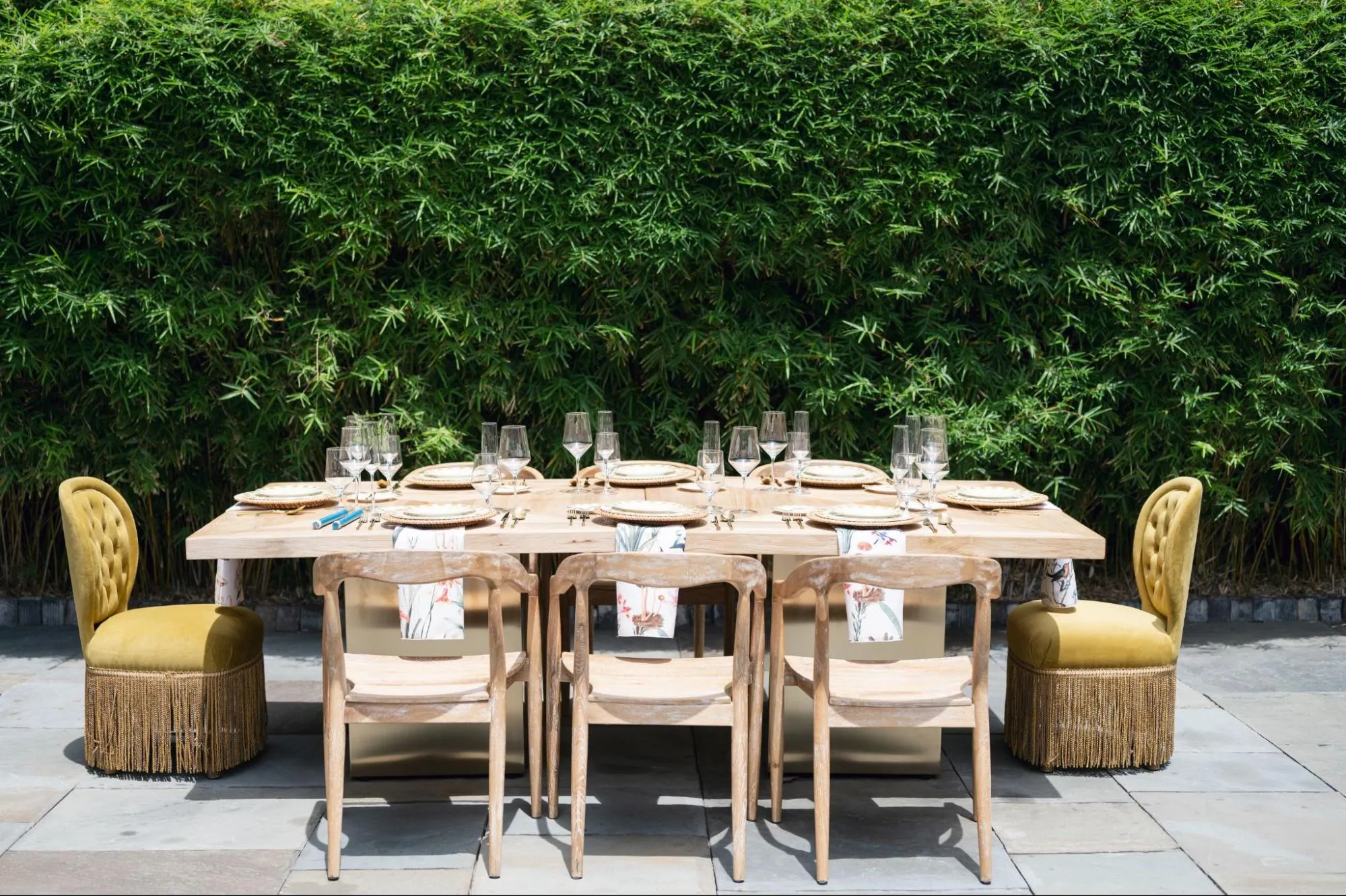
Outdoor events often unfold across several spaces, and those transitions can become part of the design experience.
Rather than making every area identical, planners can allow the visual treatment to become progressively richer as guests move from arrival to cocktails, dining, and evening hospitality.
Begin With a Lighter Arrival Experience
The entry or cocktail area can introduce the palette without presenting every major design idea immediately.
A few key colors, materials, or furniture selections can establish the event’s character while leaving the strongest visual moment for later.
Increase the Visual Detail in the Main Event Area
Dining, awards, or another central program area can carry the most complete expression of the design.
This is where linens, tabletop pieces, chairs, lighting, florals, and flooring may come together with greater precision.
The shift creates a sense of progression as guests move deeper into the event.
Carry Materials Between Spaces
Continuity can be established through repeated finishes rather than identical furnishings.
A metallic detail from the cocktail area may reappear in flatware. A lounge upholstery color may return through napkins. Wood used in a bar may connect subtly with dining chairs.
These repeated details help the event feel cohesive even when each zone has a different function.
Give Evening Spaces a Richer Character
As daylight fades, deeper colors and layered lighting can allow lounges and dining areas to feel warmer and more intimate.
The design does not need to be physically changed throughout the evening. Materials selected at the planning stage can simply reveal different qualities as the surrounding light changes.
Style D.C. Outdoor Events With the Venue in Mind
Outdoor venues across Washington, D.C. and the surrounding DMV vary considerably in character. Historic properties, formal gardens, contemporary venues, large lawns, terraces, and tented environments each provide a different backdrop for fall design. We cover this further in Fall Outdoor Wedding Decor Rentals in Charleston, SC.
Rather than applying a single seasonal formula, planners can adapt the rental palette to the architecture, landscape, and level of formality already present.
Keep Historic Settings Refined
Historic or architecturally detailed properties often benefit from restraint.
Classic furniture silhouettes, controlled color, refined linens, and understated tabletop details can complement the setting without creating too many competing visual layers.
The venue itself can remain one of the strongest decorative elements.
Bring More Character to Contemporary Venues
Cleaner, more minimal outdoor environments can support a stronger rental palette.
Rich upholstery, bolder linens, sculptural bars, patterned tabletop pieces, or distinctive lighting can create the depth that a simpler architectural setting may not provide on its own.
Use Formality to Guide the Design
A corporate reception, nonprofit gala, private dinner, and formal celebration should not all use the same version of fall styling. Read more in How to Style a Fall Rooftop Reception From Sunset to Night.
The event’s purpose should determine how expressive the palette becomes, how much furniture is introduced, and how formal the tabletop and textile selections feel.
Season should inform the design, but the occasion should ultimately lead it.
Consider the Full Day-to-Evening View
A fall event may begin in bright afternoon light and conclude several hours after sunset.
Colors that appear subtle during the day may deepen significantly at night. Reflective finishes may become more prominent, while darker furniture can appear heavier once natural light disappears.
Reviewing both conditions helps create a setting that remains balanced throughout the event.
Refine the Outdoor Fall Design With Curated Events
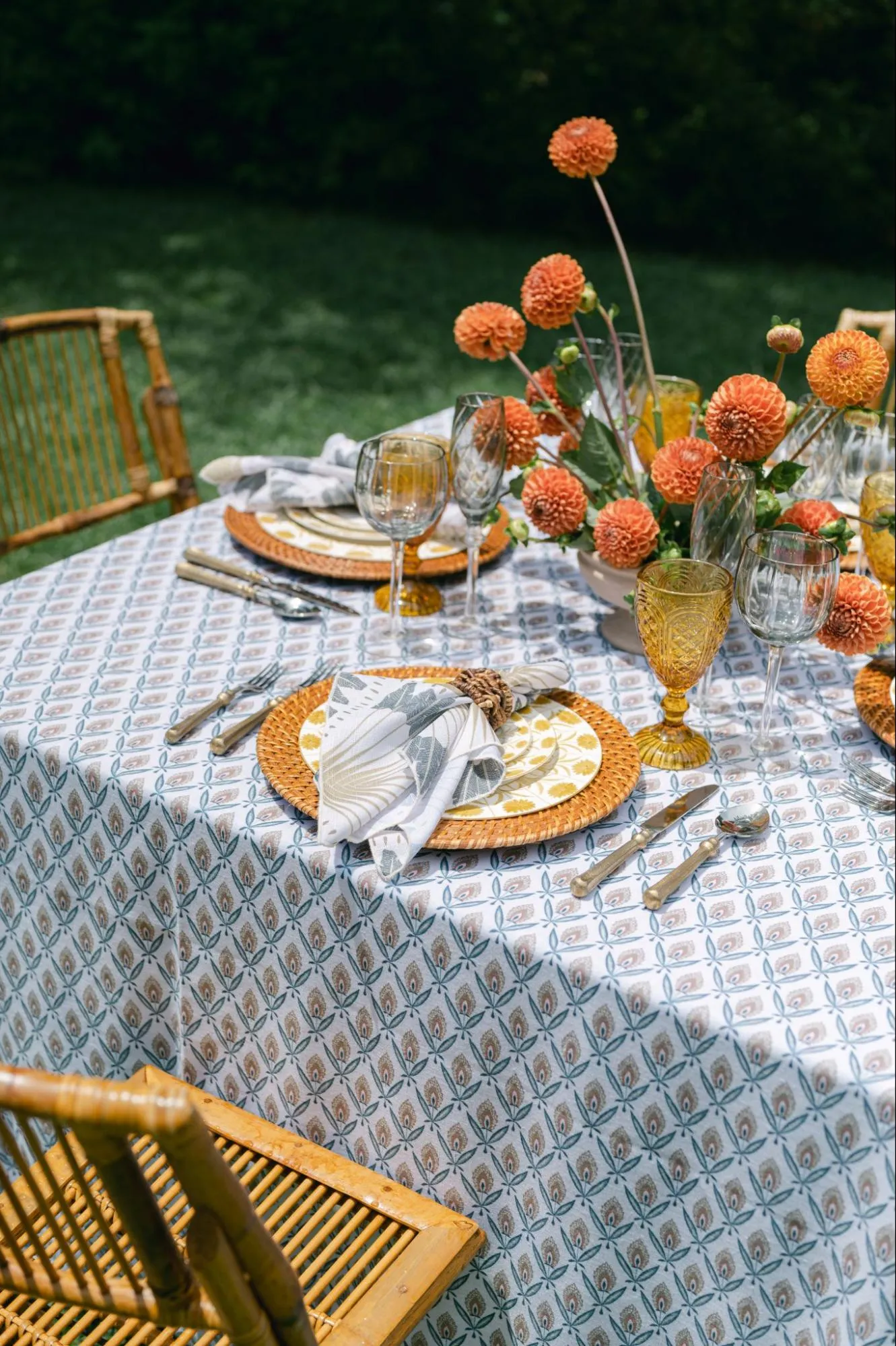
Once the major design direction is established, rental selections should be reviewed as one complete environment rather than as separate categories.
Curated Events offers tents, flooring, tables, chairs, linens, tabletop pieces, lounge furniture, bars, lighting, and other rentals that can be considered together when developing an outdoor fall event in the Washington, D.C. area.
Bring the Venue and Preliminary Layout
Venue photographs, floor plans, landscape features, and preliminary event zones provide important context for rental selection.
They help clarify which views should remain open, where stronger design moments belong, and how different guest areas will relate to one another.
Establish the Main Color and Material Direction
A concise creative direction makes it easier to evaluate different rental categories together.
Defining the dominant colors, materials, level of formality, and overall visual mood can prevent individual selections from introducing competing ideas later in the process.
Select the Largest Visual Elements First
Begin with the elements that occupy the greatest amount of visual space.
The tent, flooring where appropriate, dining tables, chairs, major linens, bars, and substantial lounge pieces create the foundation. Smaller tabletop and decorative details can then be selected in response to those decisions.
Review the Complete Rental Palette Together
Before finalizing the design, consider how the major rentals look as a single composition.
If several pieces introduce similar amounts of pattern, color, or visual weight, one may need to become quieter. If too many finishes compete, repeating a smaller material palette can create greater cohesion.
The final edit is often what gives a luxury event its sense of restraint.
Frequently Asked Questions
What colors work well for an outdoor fall event?
Warm neutrals, deep green, navy, burgundy, amber, charcoal, chocolate, and muted metallics can all work well. The strongest palette usually combines a restrained foundation with one or two richer seasonal accents.
How can a fall event feel seasonal without looking themed?
Use color, texture, wood, upholstery, lighting, and layered textiles to suggest the season rather than relying on literal autumn décor. See the full collection of Washington, DC décor rentals at Curated Events.
How should linens be chosen for a fall event?
Consider whether the linen should serve as a quiet foundation or become one of the primary seasonal elements. Texture, sheen, color, and the surrounding tabletop should all influence the final choice.
Can lounge furniture be used outdoors for a formal event?
Yes, when the specific rental is suitable for the setting and event conditions. Lounge furniture can bring softness and greater visual definition to outdoor hospitality areas.
How can a tented fall event still feel connected to the landscape?
Preserve important views, use drapery selectively, and arrange furniture so the surrounding property remains visible from within the tent.
Does Curated Events provide rentals for outdoor D.C. events?
Yes. Curated Events offers a broad range of rentals for outdoor events in the Washington, D.C. market, including tents, flooring, tables, chairs, linens, tabletop pieces, lounge furniture, bars, lighting, and related event elements.
Conclusion
A polished outdoor fall event is defined by thoughtful editing rather than an abundance of seasonal decoration. The landscape can provide the starting point, while a controlled palette, layered textures, refined furniture, considered flooring, detailed tabletop selections, and evening lighting give the event its own identity.
The most successful designs also allow different areas to feel distinct without becoming disconnected. Cocktail spaces can remain lighter, dining can carry the greatest level of detail, and lounge environments can become warmer as daylight fades, all while sharing a consistent material and color language.
For outdoor events in Washington, D.C., Curated Events can help planners bring those elements together through tents, furniture, linens, tabletop rentals, flooring, bars, lounge pieces, and lighting selected as part of one cohesive fall environment. To check availability for your date, contact our Washington, DC team.