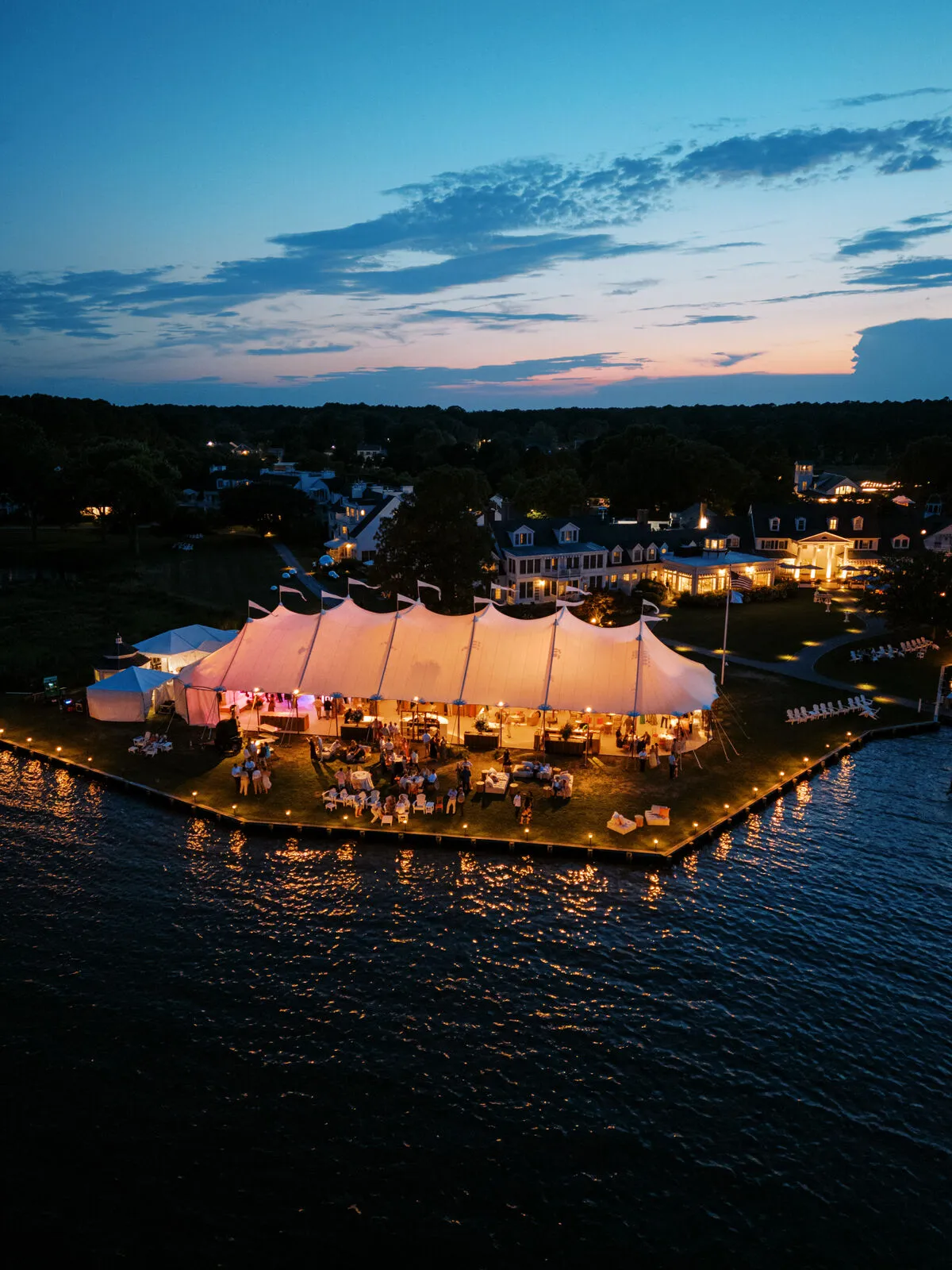
Power is one of the least visible parts of a well-planned tented event, but it can influence many of the elements guests experience. Lighting, climate control, and selected catering or beverage-service equipment may all depend on access to electricity, which means those requirements need to be considered before the tent layout is fully established.
For planners, the task is not to calculate electrical loads or design a temporary power system. It is to identify which rental elements require power, determine where those pieces need to be positioned, and coordinate those needs with the venue and appropriate technical professionals.
At a formal tented event, the infrastructure should support the design without becoming a prominent part of it. Early coordination helps lighting, guest comfort, and service functions operate within the floor plan while keeping the environment polished and intentional.
Curated Events DMV offers several rental categories that can carry power requirements, including lighting, heating and cooling, and catering equipment. Its current inventory includes decorative lighting, tent climate-control equipment, and powered catering and beverage-service pieces.
Identify Power Needs Before the Tent Layout Is Finalized
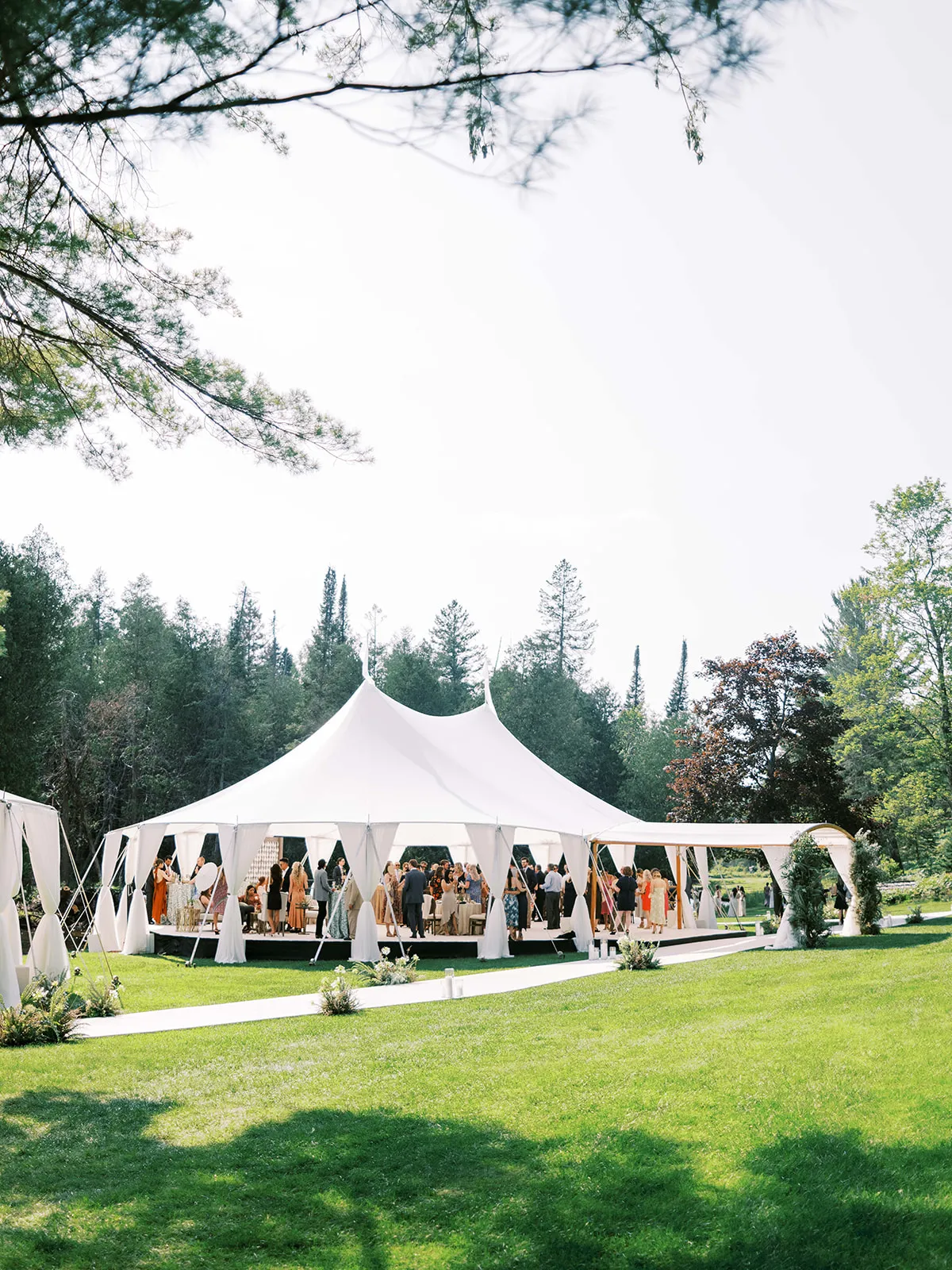
Power requirements are easier to accommodate while the tent plan is still flexible. Once tables, lounges, entrances, service areas, and decorative elements have been positioned, moving a powered rental can affect several other parts of the layout.
The first step is therefore to identify the relevant equipment and place those requirements on the working floor plan.
Mark Where Powered Rental Elements Will Be Used
Begin with the actual rental selections rather than making assumptions about what the event may need.
Depending on the design and event format, powered Curated Events rentals may include:
-
Decorative and functional lighting
-
Tent heating or cooling equipment
-
Electric catering equipment
-
Powered beverage-service equipment
Not every item within these categories requires electrical access. The planner should work from the exact pieces included in the rental plan.
This creates a clear distinction between aesthetic placement and operational requirements. A chandelier may be selected for its relationship to the dining area, for example, but its placement also needs to work within the broader tent and power plan.
Confirm the Venue’s Available Electrical Access
Once powered elements have been identified, the venue’s available electrical access should be reviewed.
Important questions include where access is available, which portions of the tent it can reasonably serve, and whether the proposed rental locations create any challenges that need to be addressed by the appropriate technical team.
The planner does not need to determine capacity or electrical specifications independently. Those requirements should be confirmed by the venue and qualified event professionals based on the equipment being used.
The objective at this stage is simply to identify limitations before the layout becomes difficult to change.
Review Power Alongside the Floor Plan
Powered rentals should be viewed within the context of the complete tent.
Consider how their locations relate to:
-
Guest entrances
-
Dining tables
-
Lounge areas
-
Bars
-
Catering and service areas
-
Primary circulation routes
-
Important sightlines
A rental can make sense on its own but create a conflict once the entire event environment is considered.
By reviewing placement early, planners can resolve those issues without compromising a major guest-facing area later.
Plan Curated Events Lighting Around the Tent Layout
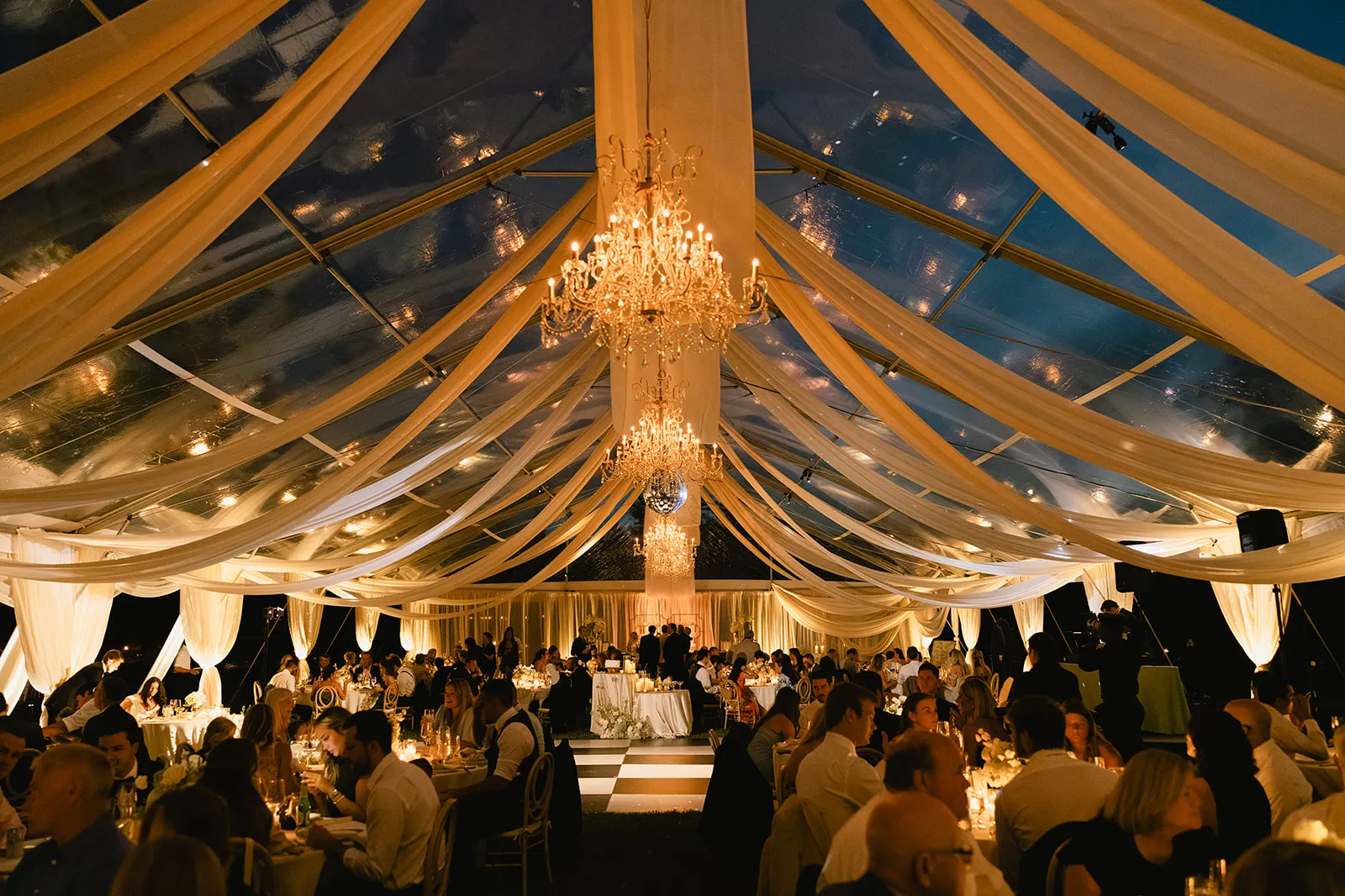
Lighting is one of the most visible powered components of a tented event. Because fixtures contribute directly to the atmosphere and visual hierarchy of the space, their placement should be developed alongside the floor plan rather than added after the rest of the design has been established.
Curated Events DMV’s current lighting collection includes chandeliers, pendants, carriage-style fixtures, café and globe light strands, bistro strands, mini lights, and LED high-bay fixtures.
Determine Which Areas Need Decorative Lighting
Start by identifying where lighting needs to contribute to the design.
Depending on the event, those areas may include:
-
Dining tables
-
Bars
-
Lounge groupings
-
Entrances
-
Guest pathways
-
Selected focal areas within the tent
Lighting should respond to the way each area is used rather than being distributed evenly simply because fixtures are available.
A formal dinner may call for a different lighting rhythm from a lounge or arrival area. The plan should establish those differences while still making the tent feel cohesive.
Coordinate Chandeliers and Pendants With the Tent Plan
Suspended fixtures have a strong visual relationship with the furniture and floor plan beneath them.
Before chandelier or pendant placement is finalized, planners should consider:
-
The table layout below
-
Major focal points
-
Guest circulation
-
The height and structure of the tent
-
The visual balance of fixtures across the space
A chandelier positioned intentionally over an important dining or lounge area can help define that zone. The same fixture placed without reference to the floor plan may feel visually disconnected.
The fixture plan and furniture plan should therefore develop together.
Plan Light Strands as Part of the Overall Environment
String lighting can influence how the entire tent reads rather than simply illuminating one location. Curated Events DMV carries several options within this category, including café, globe, bistro, Dixie, and mini-light strands.
Planners should consider how the pattern of light relates to the tent structure, furniture arrangement, and other decorative lighting. The goal is not to layer as many fixture types as possible. It is to establish a clear lighting direction in which each selection has a role.
Coordinate Climate Control With the Power Plan
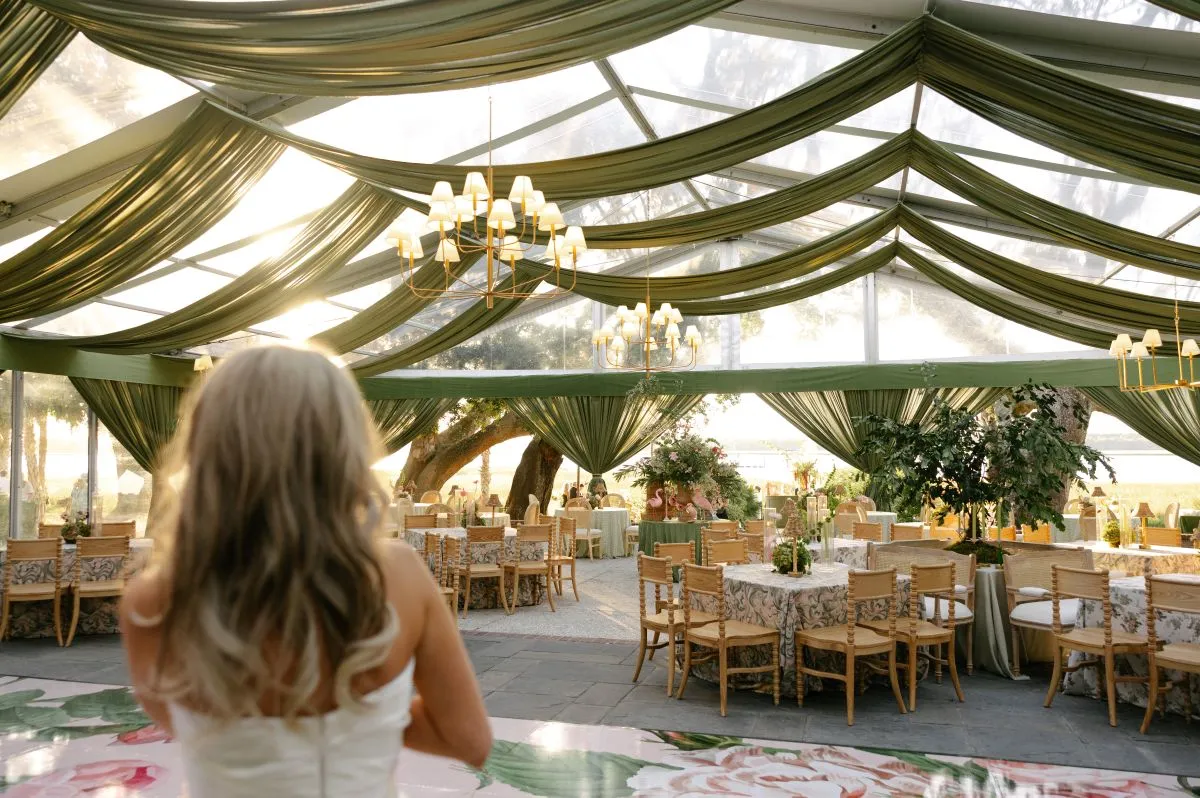
Guest comfort can become an important consideration when an event is held in a tent, particularly when the structure is enclosed or conditions change throughout the event.
Curated Events DMV maintains a Heating & Cooling category that includes both event climate control and tent climate-control rentals. If climate equipment will be part of the rental plan, its placement needs to be considered early.
Decide Whether Climate Control Needs to Be Included
The decision should reflect the actual event rather than being made automatically.
Planners can consider:
-
The season
-
Time of day
-
Expected event duration
-
Whether the tent will be open or enclosed
-
The way guests will use the space
Once climate control is included in the plan, the appropriate equipment and technical requirements can be addressed by the rental and venue teams.
The planner’s priority is making sure the need is identified before the guest layout is final.
Reserve Space for Climate-Control Equipment
Climate equipment occupies physical space and can influence nearby furniture and circulation.
If those requirements are ignored until late in the process, a lounge arrangement, table group, entrance, or pathway may need to be moved.
Representing the equipment location on the floor plan from the beginning helps the rest of the rental design develop around realistic conditions.
Keep Climate Equipment From Dominating Guest Areas
Operational equipment should support guest comfort without becoming one of the primary things guests notice.
When possible, its placement should be considered in relation to:
-
Main dining areas
-
Formal lounge settings
-
Primary entrances
-
Important views
-
Photography sightlines
The equipment still needs to function as intended, but the wider layout can help keep utility elements visually secondary to the guest-facing design.
Account for Curated Events’ Powered Catering Equipment
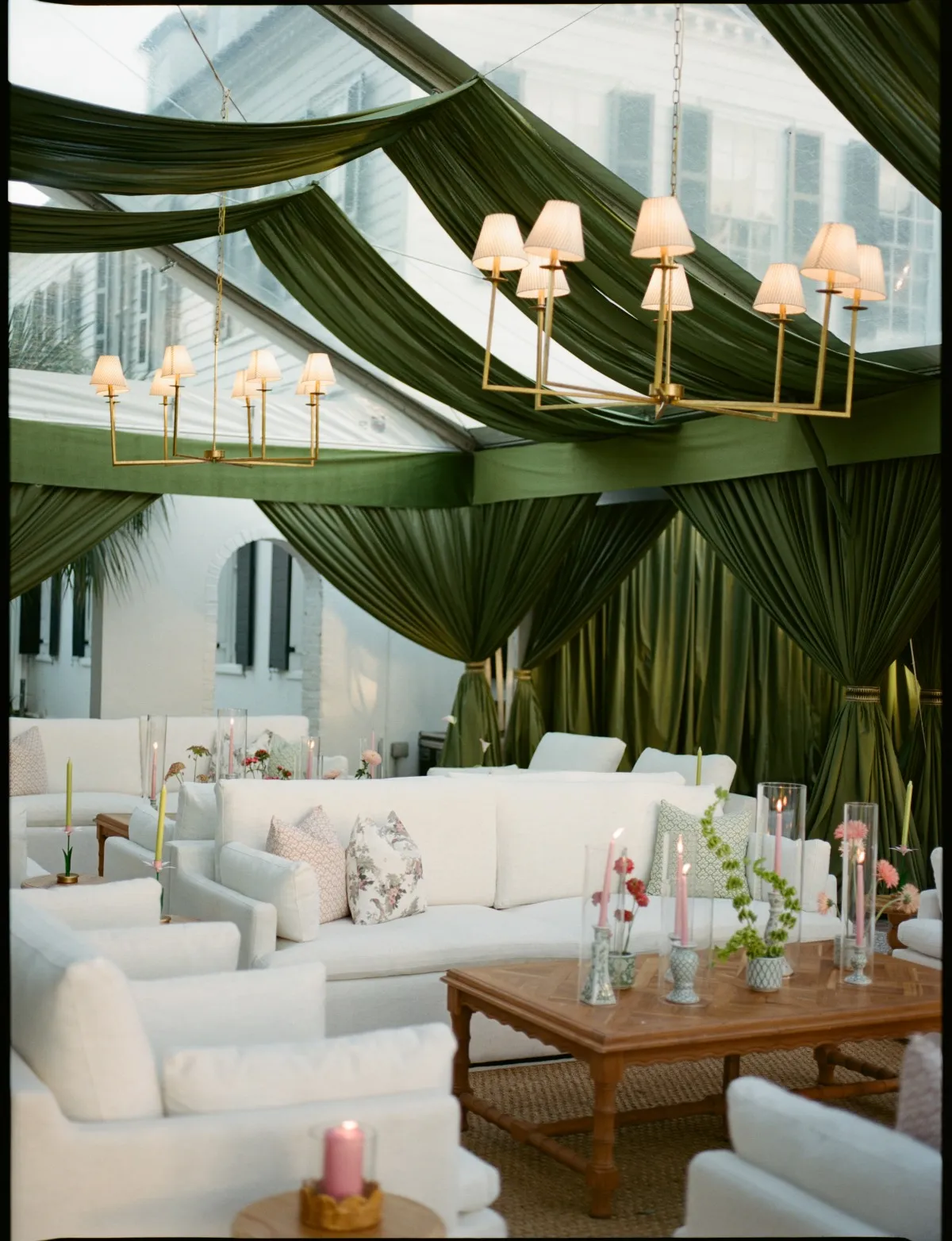
Catering is another area where some rental selections may require electrical access.
Curated Events DMV offers catering and cooking equipment, and its current inventory includes powered items such as electric food warmers and heat lamps. The hot-beverage collection also includes electric coffee urns and coffee makers.
These items should be included in the event’s power coordination when they are part of the rental order.
Identify Which Catering Rentals Need Electrical Access
Not every catering item uses power, so planners should avoid treating the entire category the same way.
Instead, review the actual selections and identify the powered pieces individually.
This keeps the plan accurate and prevents unnecessary complexity.
For example, a service setup may include several non-powered pieces alongside one electric warmer. Only the equipment that actually requires electrical access needs to be incorporated into the power plan.
Plan Powered Catering Equipment Around Service Areas
Placement should support the way the catering area functions while keeping operational equipment away from primary guest circulation where possible.
Consider how the selected equipment relates to:
-
Service stations
-
Buffet areas
-
Staff circulation
-
Dining tables
-
Guest pathways
-
Other catering rentals
The power requirement is only one part of the decision. The equipment still needs to make sense within the overall service plan.
Include Beverage-Service Equipment Where Applicable
Powered beverage-service equipment can be easy to overlook because it may occupy a relatively small portion of the overall floor plan.
Curated Events DMV currently lists electric coffee urns and coffee makers within its hot-beverage inventory.
If those items are included, planners should confirm where the beverage station will be positioned and incorporate its electrical access into the plan before the area is finalized.
Small operational details are easier to manage when they are resolved during planning rather than during installation.
Keep Power Planning Discreet Within the Guest Experience
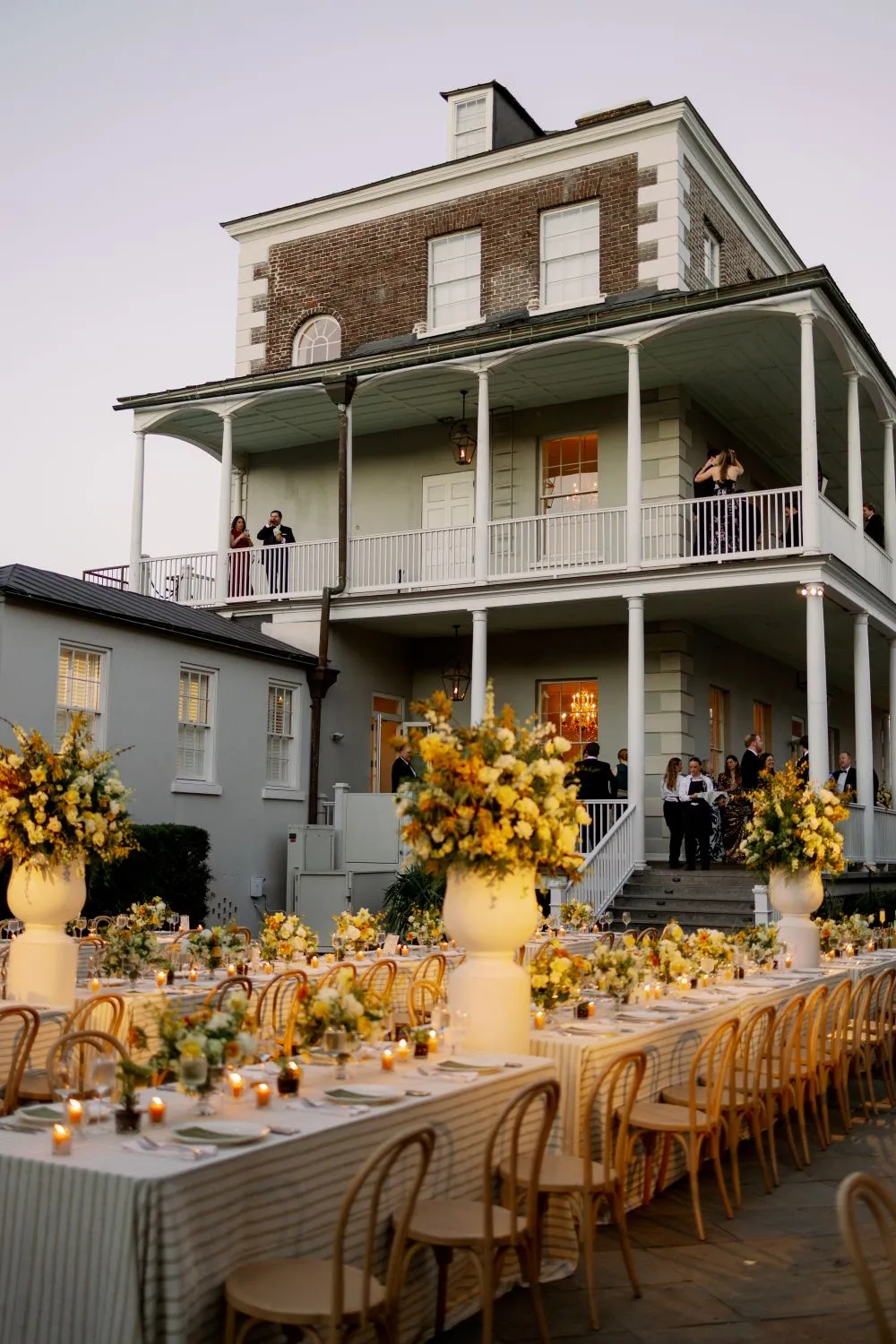
At a formal tented event, guests should experience the lighting, comfort, service, and design without being continually reminded of the infrastructure supporting them.
That makes visibility an important part of power coordination.
The question is not only whether a powered item can function in a certain location. It is also whether that location makes sense within the finished environment.
Protect Major Guest Sightlines
Review powered rentals from the viewpoints guests are most likely to experience.
These can include:
-
The primary entrance
-
Dining tables
-
Lounge seating
-
Main circulation routes
-
Views across the tent
-
Important views toward the surrounding venue
A practical equipment location may need to be reconsidered if it becomes unnecessarily prominent from one of these perspectives.
This is especially important in a highly considered event design where the furniture, lighting, linens, and surrounding venue are intended to create a cohesive visual environment.
Consider Cable Routing Before Furniture Placement
Cable routing can influence where furniture and other rental elements can be positioned.
Planners do not need to determine how electrical cabling should technically be installed. Instead, they should ensure the final locations of powered items are communicated early enough for the appropriate professionals to develop safe, practical routes.
Those routes should then be considered alongside entrances, furniture groupings, and guest movement.
Resolving the relationship before furniture placement reduces the likelihood that an important design element will need to move later.
Keep Service Functions Separate From Focal Areas
Utility equipment should not compete with the areas intentionally designed to attract attention.
A powered catering setup, for example, may need to remain accessible without becoming part of the visual backdrop for a prominent dining arrangement. Climate-control equipment should support the room without dominating a lounge area.
The same principle applies throughout the tent: functional elements should be positioned deliberately so the strongest visual emphasis remains where the event design intends it to be.
Coordinate Lighting, Climate, and Catering as One Tent Plan
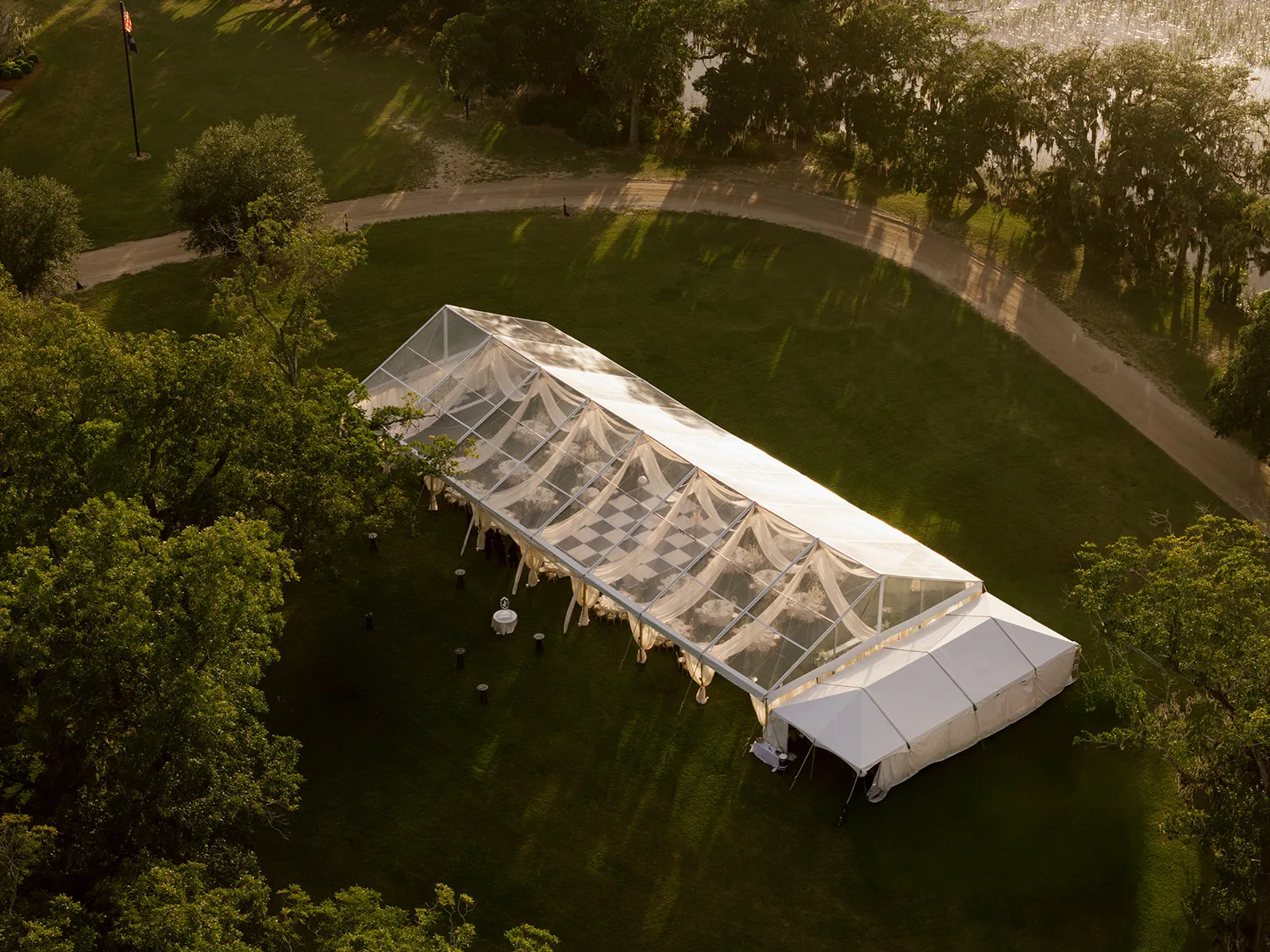
Each powered rental category has its own requirements, but planners should review them together before the event plan is finalized.
Looking at the combined picture can reveal conflicts that may not be apparent when each category is considered independently.
Overlay Powered Rentals on the Floor Plan
Create one working plan that shows the locations of powered Curated Events rentals.
Depending on the event, that may include:
-
Lighting fixtures
-
Climate-control locations
-
Electric catering equipment
-
Powered beverage-service equipment
This does not need to become an electrical drawing.
Its purpose is to show where operational requirements intersect with the guest-facing rental design.
Look for Conflicts Between Rental Categories
Once the locations are shown together, review the relationships among them.
For example:
-
Does climate equipment interfere with a lounge arrangement?
-
Does a catering location interrupt an important guest pathway?
-
Does the chandelier placement still align with the final table layout?
-
Is a beverage station positioned appropriately for both service and guest access?
-
Do powered elements compete for the same limited area of the tent?
Addressing these questions collectively creates a more resolved floor plan.
Make Changes While the Layout Is Still Flexible
If a powered element needs to move, it is usually better to make that adjustment before the surrounding rental plan has been finalized.
A lighting change may affect tables below it. Moving climate equipment could affect furniture placement. Revising a catering station may alter service circulation.
Early decisions leave room for those relationships to be adjusted deliberately rather than reactively.
Confirm Power Requirements With the Venue Before Event Day
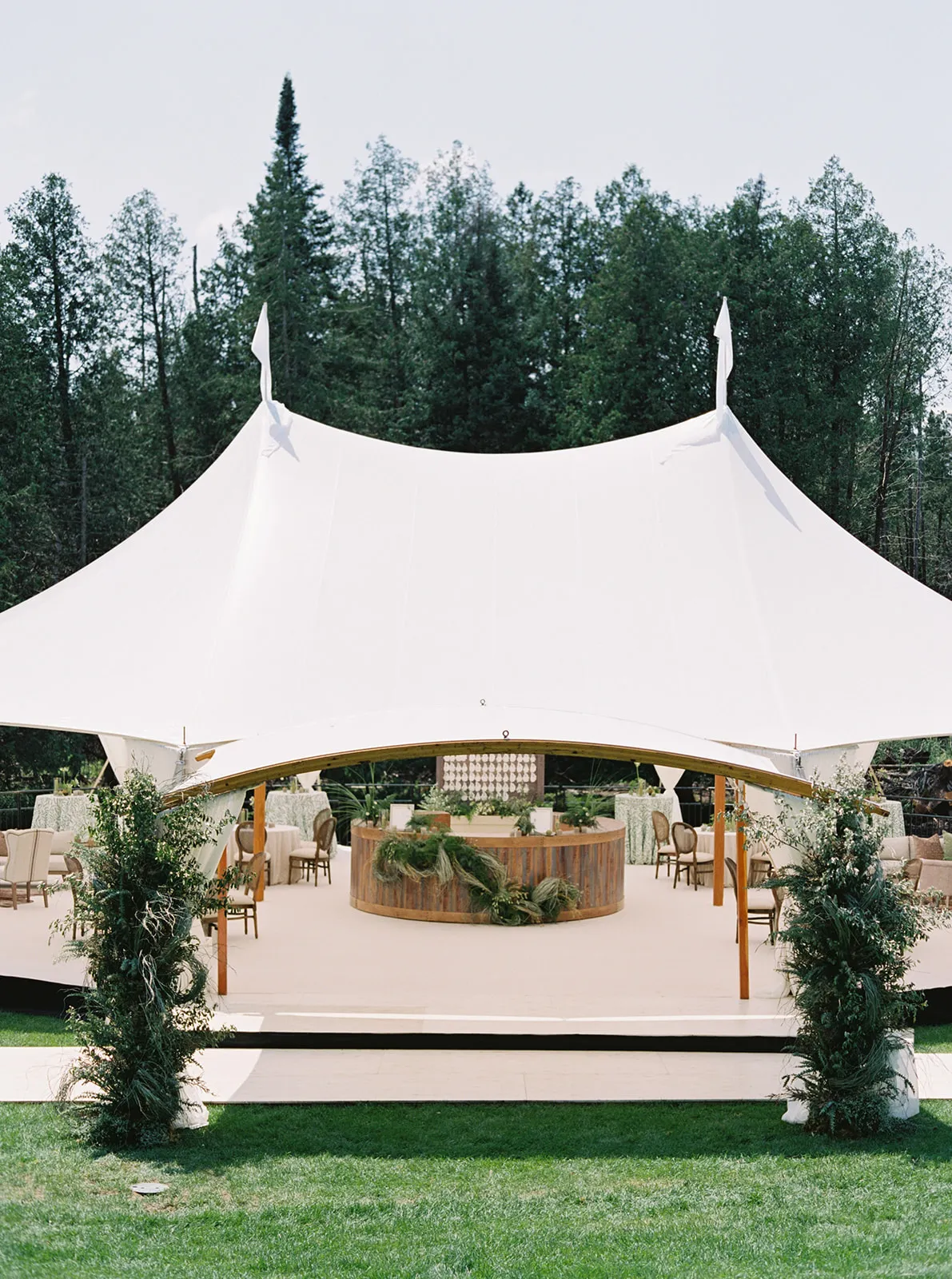
Once the rental plan has developed, the final powered-equipment locations should be communicated to the venue and the appropriate technical teams.
Curated Events can supply the relevant rental pieces, while venue-specific electrical requirements should be confirmed with the professionals responsible for the property’s power infrastructure.
This keeps responsibilities clear and gives everyone a consistent plan to work from.
Share the Final Powered-Rental List
The planner should maintain a clear list of the Curated rental items that require electrical access.
For each item, identify:
-
What the rental is
-
Where it will be used
-
Whether its location has changed
-
Which area of the event it supports
There is no need for the planner to turn this document into a technical electrical specification.
Its value is in providing an accurate picture of what needs to be accommodated.
Confirm Locations Alongside the Tent Plan
Location matters as much as the equipment list.
A venue cannot properly evaluate requirements if it knows what will be powered but not where those pieces will be positioned.
Sharing the final tent layout alongside the powered-rental list helps connect the operational requirements to the physical event plan.
Communicate Layout Changes
Event layouts evolve.
Tables may move, a lounge may expand, lighting placement may change, or a service station may be repositioned.
Whenever those changes involve powered rental items, the relevant teams should receive the updated information.
A power plan based on an outdated floor plan can create avoidable complications even when the original planning was thorough.
Frequently Asked Questions
What Curated Events rentals may need electrical access?
Depending on the specific selections, electrical access may be needed for lighting, certain heating and cooling rentals, and powered catering or beverage-service equipment.
Why should lighting be planned early?
Lighting placement is closely connected to the tent structure and floor plan. Planning it early helps chandeliers, pendants, light strands, and other selected fixtures relate intentionally to the areas beneath and around them.
Should climate-control equipment appear on the floor plan?
Yes. When heating or cooling equipment is included, its proposed location should be represented on the working plan so surrounding furniture and circulation can be coordinated accordingly.
Who should confirm the electrical requirements?
The venue and appropriate technical professionals should confirm electrical requirements based on the actual equipment and site conditions. The planner’s role is to communicate the final rental selections and their proposed locations clearly.
Coordinate Power Without Compromising the Tented Event Design
Power planning for a formal tented event is less about electrical calculations than it is about coordination. Planners need to know which rental pieces require electrical access, where those pieces belong within the tent, and how their placement interacts with furniture, entrances, service areas, circulation, and the overall visual direction.
When those considerations are addressed early, operational needs can remain discreet while the guest-facing environment receives the attention it deserves.
For events in Washington, D.C. and the wider DMV, Curated Events DMV can help planners develop the tent and rental environment together, including lighting, climate-control selections, and powered catering equipment that support the event’s functional needs without losing sight of the overall design.