
A signature cocktail is one of the few event details guests may carry with them throughout the celebration. It appears at the bar, on serving trays, across cocktail tables, and in photographs taken during weddings, private parties, galas, dinners, and other fall gatherings.
The glass is therefore more than a container for the drink. Its shape affects the pour, ice, garnish, service method, and guest experience. Its color and finish also influence how clearly the cocktail can be seen and how naturally the presentation connects with the rest of the event.
Curated Events Charleston offers classic cocktail vessels and specialty glassware in clear, colored, patterned, ribbed, cut, smoked, and metallic-rimmed designs. The collection includes coupes, martini glasses, highballs, rocks glasses, specialty mugs, and coordinated glassware patterns.
Choosing among these options should begin with the completed cocktail rather than an isolated glassware sample. The strongest selection will support the drink, suit the way it is served, and continue to function as guests move through the event.
Finalize the Cocktail Before Comparing Glassware
The recipe and presentation should be confirmed before glassware is selected. A vessel that appears suitable based on the cocktail’s name may not accommodate the actual pour, ice, garnish, or finishing details developed by the beverage team.
Starting with the completed drink helps planners eliminate attractive options that will not function properly during service.
Classify the Drink by Its Serving Format
First, determine how the cocktail will be served. It may be presented:
-
Without ice
-
Over one large cube
-
Over several smaller cubes
-
As a tall mixed drink
-
With sparkling ingredients
-
As a warm beverage
-
In another specialty format
Without ice
Over one large cube
Over several smaller cubes
As a tall mixed drink
With sparkling ingredients
As a warm beverage
In another specialty format
A drink served without ice has different spatial requirements from one built over several cubes. A sparkling component may need additional room beneath the rim, while a warm cocktail requires a vessel appropriate for that presentation.
This initial classification narrows the glassware search without requiring planners to compare every available style.
Measure the Complete Pour
The base recipe does not always represent the final amount that enters the glass.
The complete measurement should account for:
-
Every liquid ingredient
-
Ice
-
Expected dilution
-
Foam or whipped components
-
Sparkling additions
-
Appropriate space below the rim
Every liquid ingredient
Ice
Expected dilution
Foam or whipped components
Sparkling additions
Appropriate space below the rim
A glass that is too small can make the drink look crowded and difficult to carry. One that is too large may leave excessive empty space, making a carefully prepared cocktail appear incomplete.
Prepare the full drink and measure its finished volume before confirming the rental glass.
Include the Garnish in the Test
The garnish can alter the balance and usability of the presentation.
A citrus wheel, herb bundle, skewer, sugared rim, or other finishing detail should fit without blocking the drinking edge or making the glass uncomfortable to hold. It should also remain contained enough that completed cocktails can sit beside one another on a serving tray.
Test whether the garnish:
-
Obstructs the rim
-
Makes the glass feel unbalanced
-
Extends into neighboring drinks
-
Conceals the glass pattern
-
Interferes with passing or bar service
Obstructs the rim
Makes the glass feel unbalanced
Extends into neighboring drinks
Conceals the glass pattern
Interferes with passing or bar service
A garnish that works in an individual photograph may need to be adjusted when the drink is produced in larger quantities.
Match the Glass to the Event’s Service Format
The same cocktail may require different considerations at a seated dinner, standing reception, or tray-passed cocktail hour. Planners should evaluate how the filled glass will move from the bar to the guest and how guests will handle it once service begins.
Plan for Drinks Collected at the Bar
For stationary bar service, observe how the completed drink moves across the service counter.
The glass should allow the bartender or service professional to present it without gripping the rim, disrupting the garnish, or occupying excessive countertop space. The base should remain stable as the drink is placed down and picked up by the guest.
The signature cocktail should also be visually distinguishable from other drinks. A recognizable shape or glassware pattern can help guests identify it without creating an overly complicated bar display.
Test the Glass for Tray-Passed Service
Tray-passed drinks should be tested as a group rather than one at a time.
Arrange several filled glasses on the serving tray and assess:
-
Base diameter
-
Stem height
-
Weight distribution
-
Garnish width
-
Space between glasses
-
Stability while the tray moves
Base diameter
Stem height
Weight distribution
Garnish width
Space between glasses
Stability while the tray moves
Wide coupes and delicate stemmed glasses can create an elegant presentation, but they may require more tray space and careful handling. A tall glass may fit the cocktail well while becoming top-heavy once ice and garnish are added.
The service team should be able to move the tray confidently without the glasses touching or shifting excessively.
Consider How Guests Will Move With the Drink
At cocktail parties, receptions, and other standing events, guests may carry a drink while greeting others, walking between spaces, or holding a small plate.
The glass should be comfortable to carry in one hand and stable when placed on a cocktail table. Very broad rims, oversized garnishes, or delicate stems may require more attention than guests can comfortably give during an active event.
At a seated dinner, a more delicate glass may be practical because guests will handle it less frequently. The event format should influence how much visual drama and handling complexity the glass can reasonably support.
Give the Glass One Clear Visual Role
The signature glass can help establish the fall direction of the event, but it should not carry every color, pattern, and decorative reference at once.
Decide whether the glass will frame the cocktail quietly or become one of the presentation’s principal design features.
Let Either the Cocktail or Glass Carry the Color
A richly colored drink often looks strongest in clear glassware. The unobstructed vessel allows amber, red, green, or other autumnal tones to remain visible.
A pale or transparent cocktail may gain more presence from:
-
Colored glass
-
A tinted stem
-
A cut pattern
-
A metallic rim
-
A lightly smoked finish
-
Ribbed or textured detail
Colored glass
A tinted stem
A cut pattern
A metallic rim
A lightly smoked finish
Ribbed or textured detail
Avoid assuming that a colored cocktail and colored glass will automatically coordinate. Combining both can alter the perceived shade of the drink or make its ingredients less recognizable.
Test the finished combination and decide whether the liquid or the vessel should provide the dominant color.
Connect the Glass to One Event Detail
The glassware can relate to the broader design without matching every rental or decorative element.
One connection may be enough. Consider repeating:
-
A linen color
-
A metal finish from the tabletop
-
A pattern used in the stationery
-
A tone from the bar design
-
A curve or geometric shape
-
The event’s overall level of formality
A linen color
A metal finish from the tabletop
A pattern used in the stationery
A tone from the bar design
A curve or geometric shape
The event’s overall level of formality
For example, a gold-rimmed glass may echo a metallic detail in the place setting, while a green goblet may repeat a restrained color used elsewhere in the room.
The relationship should be recognizable without making the glass appear overly coordinated.
Reference Fall Without Literal Seasonal Motifs
Fall glassware does not require leaf patterns, novelty shapes, or a combination of every familiar autumn color.
A more refined seasonal reference can come from:
-
Amber or lightly smoked glass
-
Moss or deeper green
-
Copper or gold details
-
A richly colored cocktail in clear glass
-
Cut, ribbed, or faceted texture
-
Warm, grounded neutrals
Amber or lightly smoked glass
Moss or deeper green
Copper or gold details
A richly colored cocktail in clear glass
Cut, ribbed, or faceted texture
Warm, grounded neutrals
These details can suggest the season while remaining appropriate for a formal wedding, private dinner, fundraiser, cocktail party, or milestone celebration.
Build a Controlled Glassware System
The signature cocktail is rarely the only beverage served. Water, wine, sparkling beverages, and additional bar selections may require other vessels. However, assigning a different specialty glass to every drink can complicate service and weaken the visual identity of the featured cocktail.
Give the Signature Cocktail a Recognizable Glass
Use one consistent shape or collection for the signature drink.
Repeating the same glass makes the cocktail easier to identify:
-
At the bar
-
On passing trays
-
Across cocktail tables
-
In event photographs
-
In separate reception areas
At the bar
On passing trays
Across cocktail tables
In event photographs
In separate reception areas
The vessel becomes part of the drink’s identity. Guests can recognize the featured cocktail before reading the menu or asking the service team.
Consistency also helps the bar presentation feel deliberate rather than assembled from unrelated specialty pieces.
Keep Supporting Glassware Related but Distinct
Supporting glasses do not have to match the signature vessel exactly.
They may relate through:
-
Rim detail
-
Glass clarity
-
Pattern
-
Stem design
-
Color family
-
Level of ornamentation
Rim detail
Glass clarity
Pattern
Stem design
Color family
Level of ornamentation
The shapes should still be distinct enough for service staff and guests to identify them quickly.
For example, a patterned coupe for the signature cocktail might be paired with simpler water and wine glasses that share a similar degree of clarity or one restrained decorative detail.
Remove Unnecessary Specialty Shapes
Review the full beverage menu and identify where one suitable glass can support more than one secondary drink.
A controlled glassware system can:
-
Simplify bar setup
-
Make replenishment easier
-
Reduce service confusion
-
Create a cleaner visual display
-
Keep the signature cocktail distinctive
Simplify bar setup
Make replenishment easier
Reduce service confusion
Create a cleaner visual display
Keep the signature cocktail distinctive
Curated Events’ existing event-glassware guidance also emphasizes selecting glasses that suit the drinks and remain practical for guests rather than choosing unusual shapes solely for visual impact.
Adapt the Selection to the Event Setting
The venue affects how the filled glass looks, where guests place it, and how far it travels from the service point.
Glassware should be considered in relation to the event setting without assuming that one style is universally appropriate for indoor or outdoor use.
Evaluate Glassware for Tented and Outdoor Events
At a tented, garden, courtyard, or estate event, consider:
-
The distance between the bar and guest areas
-
The surfaces available for placing drinks
-
Whether guests will remain standing
-
Movement between indoor and outdoor zones
-
The transition from daylight to evening lighting
The distance between the bar and guest areas
The surfaces available for placing drinks
Whether guests will remain standing
Movement between indoor and outdoor zones
The transition from daylight to evening lighting
A drink carried across a property may benefit from a more compact or stable shape than one served directly beside a seated dining area.
The glass should also be viewed against the surroundings. Clear glass may disappear visually against a light tent interior, while a colored or patterned option may become more pronounced after sunset.
Consider Seated Dinners and Formal Receptions
When the signature cocktail is preset or served at a seated dinner, it becomes part of the place setting.
Confirm that the glass:
-
Fits beside the other stemware
-
Does not crowd the table
-
Remains easy to identify
-
Preserves guest sightlines
-
Corresponds with the table’s level of formality
Fits beside the other stemware
Does not crowd the table
Remains easy to identify
Preserves guest sightlines
Corresponds with the table’s level of formality
A wide cocktail glass may require more tabletop space than expected. The completed place setting should be tested with the plates, flatware, water glass, wine glass, and any other preset pieces.
Account for Events With Multiple Spaces
Some events move through several areas, such as an outdoor cocktail hour, tented dinner, and indoor or covered dancing area.
Determine whether the signature cocktail will be offered in every space or only during one part of the event.
The service plan should clarify:
-
Where clean glasses will be stored
-
How used glasses will be collected
-
Whether each bar has separate inventory
-
How the glass will move between event zones
-
Whether the presentation remains appropriate in each setting
Where clean glasses will be stored
How used glasses will be collected
Whether each bar has separate inventory
How the glass will move between event zones
Whether the presentation remains appropriate in each setting
The glass should continue to function when the event moves rather than being selected for only one styled location.
Estimate Quantities From the Service Cycle
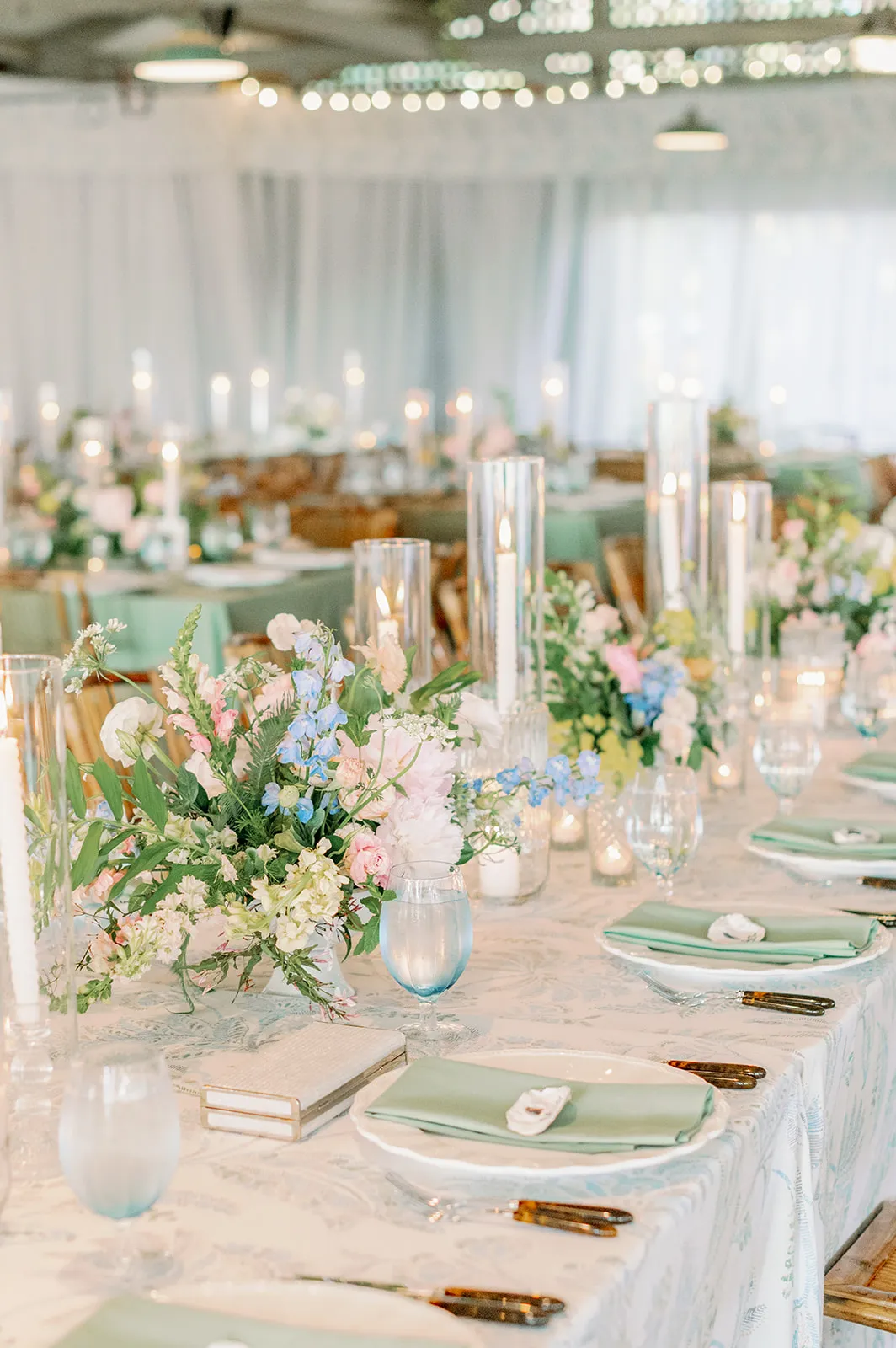
Guest count is only the starting point for estimating glassware quantities. The final number should reflect when the cocktail is served, the level of simultaneous demand, the number of bars, and how quickly used glasses can be collected and replaced.
Identify Peak Simultaneous Demand
Determine when the greatest number of guests may request the signature cocktail at once.
Peak demand may occur:
-
During guest arrival
-
At the opening of cocktail hour
-
Immediately after a ceremony
-
When the reception bar opens
-
After formal remarks
-
During the transition to dancing
-
At a scheduled signature-cocktail moment
During guest arrival
At the opening of cocktail hour
Immediately after a ceremony
When the reception bar opens
After formal remarks
During the transition to dancing
At a scheduled signature-cocktail moment
A drink available only during cocktail hour requires a different quantity strategy from one served throughout the event.
The estimate should support the busiest service period rather than being based only on average use across the full timeline.
Map Collection and Replenishment
The beverage or catering team should establish how used glasses will move away from guest areas and how clean inventory will reach the bar.
Confirm:
-
Collection frequency
-
Back-of-house holding space
-
Replenishment timing
-
Whether glasses will be reused
-
How inventory will be divided among multiple bars
-
Whether some event spaces require separate reserves
Collection frequency
Back-of-house holding space
Replenishment timing
Whether glasses will be reused
How inventory will be divided among multiple bars
Whether some event spaces require separate reserves
A delayed collection cycle may require more glassware even when the number of guests remains unchanged.
Add Contingency Inventory Based on the Event
Additional glasses may be necessary because of breakage, unexpected demand, extended service, or slower collection.
There is no single contingency amount suitable for every event. A seated dinner with controlled service may need a different reserve from a large standing reception with several bars and significant guest movement.
The beverage, catering, and rental teams should determine the final quantity from the approved service plan.
Coordinate the Glassware With the Bar Presentation
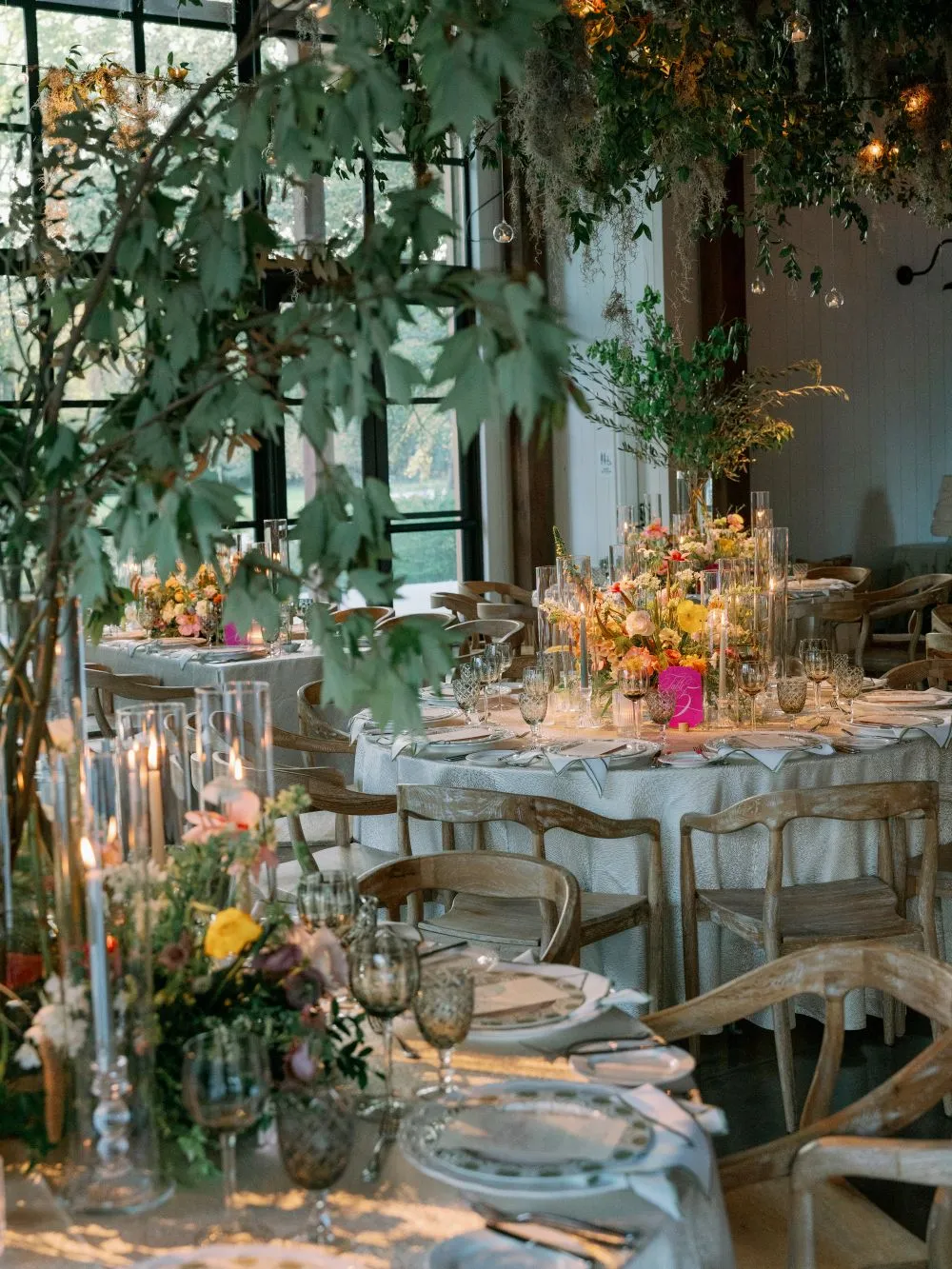
The signature glass should feel connected to the bar area without competing with the bar front, shelving, menu, or surrounding décor. The drink and its vessel should remain the principal visual focus of the beverage presentation.
Use Repetition to Create a Recognizable Display
Rows or controlled groupings of the signature glass can create a clear visual pattern behind or across the bar.
Clear glasses may benefit from a contrasting backdrop that makes their silhouettes easier to see. Colored, cut, or patterned glassware may work better against a restrained display that does not add another competing texture.
Avoid filling every shelf or counter surface. Negative space helps the repeated glass shape remain recognizable.
Make the Cocktail Easy to Identify
Use the same cocktail name on bar menus, freestanding signs, and other service points.
Where useful, the menu can briefly describe the drink’s appearance or presentation. This helps guests identify the signature cocktail when several beverages are available and reinforces the relationship between the menu and the selected glass.
Keep Supporting Accessories Restrained
Trays, napkins, straws, garnish containers, and other service accessories should support the signature presentation.
Avoid adding several unrelated colors, patterns, or metallic finishes around the glassware. One coordinated tray or container finish may be enough to connect the service pieces to the bar design.
Signature-Glassware Problems to Resolve Before the Event
A final review can identify combinations that look attractive in isolation but create difficulties once the cocktail is prepared and service begins.
The Glass Is Chosen Before the Recipe Is Finalized
Early glassware selection can result in insufficient capacity, excessive empty space, or a garnish that does not fit. Finalize the cocktail specification before approving the vessel.
The Glass Does Not Suit the Event Format
A broad or delicate shape may work well at a seated dinner but become difficult to carry during a standing reception. Test the filled glass under the same service and guest-movement conditions expected at the event.
The Glass Color Conceals the Drink
Strongly tinted or heavily patterned glassware may obscure the cocktail’s color, garnish, or layered ingredients. Decide whether the drink or the glass should provide the primary visual statement and simplify the other element accordingly.
Too Many Specialty Shapes Reach the Bar
An excessive number of decorative glasses can slow service and make the signature cocktail less recognizable. Assign the featured drink one consistent vessel and simplify the supporting glassware wherever the beverage menu allows.
Frequently Asked Questions
Should the cocktail be finalized before renting glassware?
Yes. The final pour volume, ice, garnish, rim treatment, and service format determine the required capacity and shape.
Is a coupe practical for a standing fall reception?
It can be, particularly for a drink served without ice. The filled glass should still be tested for tray stability, garnish placement, and ease of carrying during an active event.
Can colored glassware be used for a fall signature cocktail?
Yes. Colored glass can introduce a restrained seasonal accent or strengthen the presentation of a pale cocktail. Test the filled combination to ensure the drink and garnish remain visible.
Should the signature cocktail use the same glass as other drinks?
It may share a pattern or design detail with other glassware, but a distinctive shape can make the signature cocktail easier to recognize. The complete glassware system should remain manageable for the service team.
How many extra glasses should be rented?
There is no universal quantity. The estimate should consider peak demand, collection frequency, event duration, the number of bars, replenishment plans, and event-specific contingency needs.
Choose a Signature Glass That Works Throughout the Event
The best glassware selection must do more than create an appealingly styled photograph. It must accommodate the completed cocktail, function within the service plan, and remain comfortable for guests throughout the event.
Begin with the final recipe, pour, ice, and garnish. Match the glass to the way the drink will be served, then determine whether the cocktail or the vessel will carry the stronger color and visual detail. Test several filled glasses together under the planned lighting and within the actual bar presentation.
Curated Events Charleston offers cocktail glasses, highballs, rocks glasses, coupes, specialty vessels, and coordinated collections in clear, colored, patterned, cut, ribbed, smoked, and metallic-rimmed finishes. Reviewing those options with the finalized cocktail and service plan can help hosts and planners create a presentation that feels seasonal, refined, and practical from the first pour through final collection.